
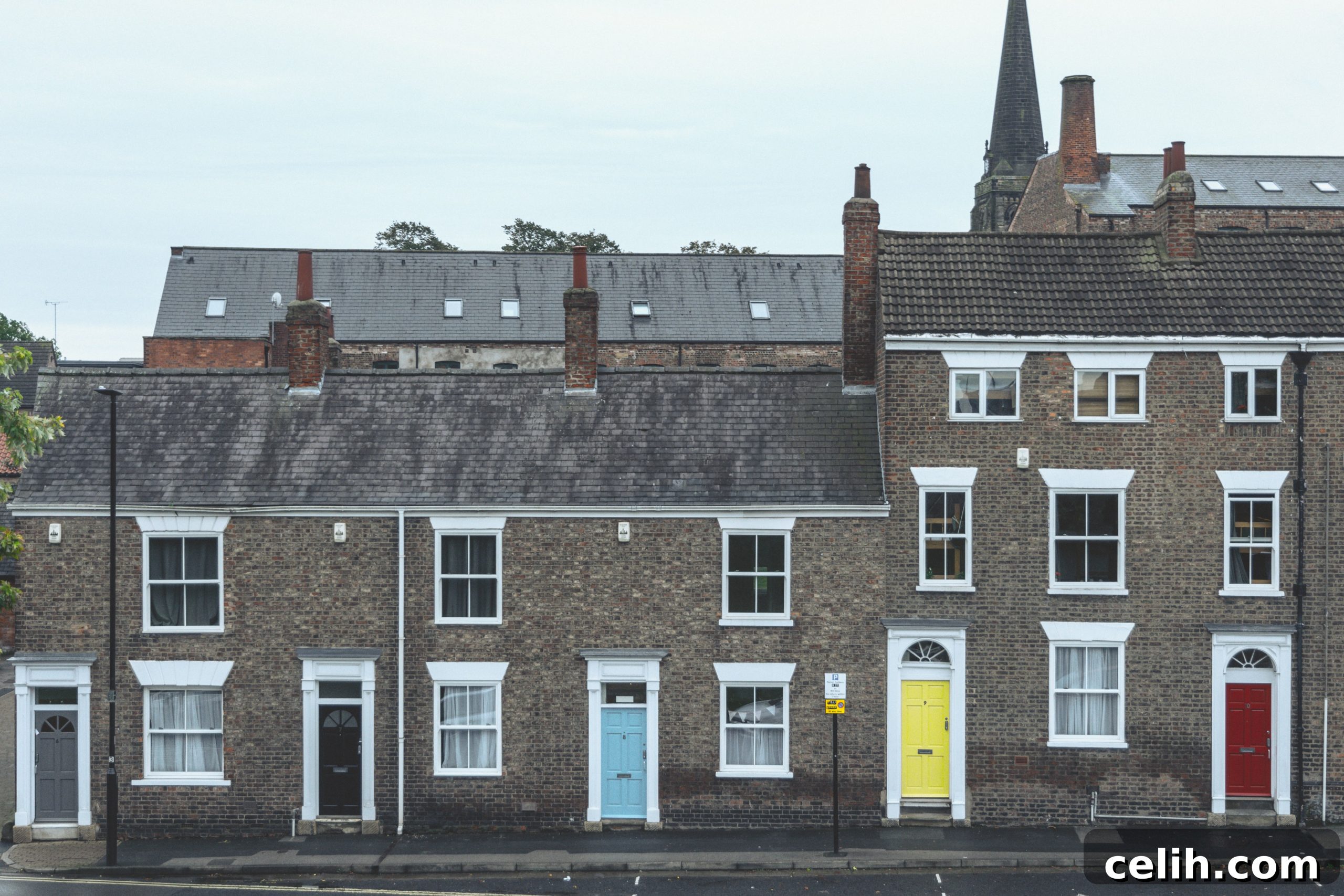
Purchasing a home is often the largest financial commitment many people will make in their lifetime. It’s an exciting milestone, filled with dreams of personalization, comfort, and a place to call your own. However, beneath the surface of excitement and aesthetic appeal, lies a potential minefield of unexpected costs and endless projects. While you anticipate expenses like conveyancing solicitors, mortgage payments, and basic redecoration, the last thing you want is to invest in a property that quickly devolves into a “money pit”—a seemingly bottomless well of urgent, expensive repairs and renovations. A money pit drains not only your finances but also your time, energy, and enthusiasm, turning a dream into a nightmare. This comprehensive guide will equip you with crucial strategies and a proactive mindset to avoid such pitfalls, ensuring your new home remains a source of joy and stability, not a constant financial burden.
Mastering Objectivity: Leave Your Emotions at the Door When House Hunting
The emotional pull of finding the “perfect” home can be incredibly powerful. It’s natural to envision your future in a beautiful space, especially when a property boasts charming features, an ideal layout, or a picturesque garden. However, allowing emotions to dictate your decision-making process is one of the quickest routes to overlooking critical flaws and making costly mistakes. The feeling of “falling in love” with a house can blind you to its practical deficiencies, structural issues, or hidden expenses.
To make an informed choice, it’s essential to adopt an analytical, rather than purely emotional, perspective during viewings. This means consciously stepping back, taking a deep breath, and evaluating the property through a critical lens. Instead of focusing solely on the newly painted walls or the modern kitchen, ask yourself tough questions: Is this property structurally sound? Are there any signs of dampness or leaks? How old is the roof, and when was the boiler last serviced? Consider bringing a trusted, objective friend or family member with you who can offer a dispassionate second opinion. Their fresh eyes might spot details you’ve overlooked in your excitement. Remember, there’s nothing wrong with eventually loving your home, but that love should be earned after a thorough, objective assessment confirms it meets your practical needs and financial boundaries. Prioritize due diligence, and emotional attachment can follow.
The Deep Dive: Conduct Your Own Meticulous Property Inspection
Before committing to a professional survey, performing your own detailed inspection is a crucial preliminary step. This personal walkthrough allows you to get an intimate understanding of the property’s condition and identify any immediate red flags. Don’t rush; allocate ample time to scrutinize every room and exterior element. Approach the viewing with a critical eye, akin to a detective searching for clues.
Start from the outside: check the roof for missing tiles, sagging, or moss buildup. Examine gutters for signs of damage or blockage. Look at the exterior walls for cracks, damp patches, or crumbling mortar. Pay attention to windows and doors – do they close properly? Are there signs of drafts or rot? Inside, move systematically through each room. Test light switches, open and close all doors and windows, and check faucets for water pressure and drainage. Look for water stains on ceilings and walls, which could indicate roof leaks or plumbing issues. Inspect floors for unevenness or soft spots. Don’t forget the lesser-accessed areas like the attic or utility closets. Take copious notes and photographs (with permission) of anything that seems amiss or raises a question. These detailed observations will form the basis of your questions to the seller or agent and will be invaluable when discussing with your professional surveyor. By meticulously documenting potential issues, you can begin to estimate the post-purchase costs and determine if the property aligns with your budget and expectations, or if it might indeed be a money pit in disguise. This thorough preliminary check allows you to weigh the property’s true value against its asking price, empowering you with knowledge before making a significant investment.
Critical Zones: Prioritizing Your Inspection of the Basement and Foundation
While every part of a house deserves scrutiny, the basement, crawl space, or foundation area beneath the home warrants exceptional attention. These zones are the bedrock of the property’s structural integrity and are notoriously prone to some of the most expensive and disruptive problems. Often out of sight and out of mind, issues here can silently escalate into severe structural damage, pervasive dampness, mold growth, and compromised air quality throughout the entire house.
During your personal inspection, make it a point to spend extra time in these critical areas. Look diligently for any signs of water intrusion: fresh or old water stains on walls or floors, puddles, condensation, or efflorescence (a white, powdery residue left by evaporating water). A strong, persistent musty odor is a definitive red flag, indicating active moisture issues and potential mold or mildew. Examine the foundation walls for cracks – hairline cracks might be cosmetic, but wider or horizontal cracks can signal significant structural movement and instability. Inspect floor joists and support beams for rot, insect damage, or sagging. Are there any visible signs of pests? These can include droppings, gnaw marks, or active infestations. Addressing dampness, foundation repairs, or structural damage can involve extensive and costly work, potentially requiring specialized contractors, excavation, and significant disruption. If you encounter multiple serious red flags in these areas, it’s a strong indicator that the property could be a deep money pit. In many cases, it might be wiser to walk away and continue your search for a more sound investment, rather than inherit problems that could cost tens of thousands to rectify.
Uncovering Hidden Truths: The Indispensable Role of a Professional Home Survey
The most devastating and costly home repairs frequently stem from undisclosed or hidden problems that lie beneath the surface, unnoticed by the untrained eye. This is precisely where a professional home survey becomes not just a recommendation, but an absolute necessity. Unlike a seller’s valuation, which merely assesses market worth, a comprehensive survey delves deep into the property’s physical condition, identifying existing defects and potential future issues that could impact its value, safety, and your wallet.
A qualified surveyor will meticulously examine all accessible parts of the property, from the roof to the foundations, and critical systems like plumbing and electrics. They will look for:
- Structural Issues: Beyond visible cracks, they’ll assess the overall stability and integrity of the building.
- Dampness and Rot: Identifying sources of moisture, including rising damp, penetrating damp, and issues like wet or dry rot, which can severely compromise timber elements.
- Roof Condition: Not just missing tiles, but the condition of the underlying structure, flashing, and gutters.
- Plumbing and Drainage: Checking for leaks, blockages, and the overall state of the pipework and waste systems.
- Electrical Systems: Assessing the age and condition of the wiring, fuse board, and outlets for safety and compliance.
- Insulation and Ventilation: Evaluating energy efficiency and potential for condensation issues.
- Hazardous Materials: Identifying potential presence of asbestos or other harmful substances.
- Boundary Disputes: Noting any discrepancies with property boundaries or rights of way.
The findings from a detailed survey provide you with powerful negotiation leverage. If significant defects are uncovered, you can request the seller to either rectify the issues before purchase, reduce the asking price to cover the cost of repairs, or provide a financial allowance. Viewing the survey fee as an investment rather than an expense is crucial; it can save you tens of thousands of pounds in unforeseen repair costs down the line, effectively preventing you from buying a money pit. Ensure you choose an independent, accredited surveyor to guarantee an unbiased and thorough assessment.
Beyond the Walls: Evaluating the Impact of the Neighborhood
While the condition of the house itself is paramount, its immediate surroundings—the neighborhood—play an equally critical role in its long-term value, your quality of life, and its potential to become a money pit, albeit in a different sense. You’re not just buying a property; you’re investing in a location and a community. Overlooking the neighborhood can lead to unforeseen frustrations and impact your home’s future resale value.
Begin by observing the homes of your immediate and closest neighbors. Are they well-maintained, or do they show signs of neglect? Issues like widespread roof damage, overgrown gardens, visible structural problems, or unkempt exteriors on adjacent properties can directly affect your own home’s appeal and value. Shared walls, drainage systems, or potential pest issues can quickly become your problem too. Furthermore, neglected neighboring properties can devalue your home, making it harder to sell at a desirable price in the future.
Expand your observation beyond immediate neighbors. Take walks or drives through the wider neighborhood at different times of day and night. Assess:
- Overall Maintenance: Do most homes appear well-kept?
- Street Appeal: Are streets clean, well-lit, and safe?
- Noise Levels: Is there excessive traffic noise, industrial sounds, or loud neighbors?
- Amenities: What is the proximity to schools, shops, parks, public transport, and healthcare facilities?
- Future Development: Research local planning applications. Are there any approved developments that could negatively impact your property (e.g., new roads, commercial buildings)?
- Crime Rates: Check local crime statistics to understand the area’s safety.
- School Districts: If you have children or plan to, the quality of local schools is a major factor.
A fantastic house in a deteriorating or undesirable neighborhood can quickly lose its appeal and value. Conversely, a modest home in a vibrant, well-maintained area often holds its value better. Consider how the neighborhood aligns with your lifestyle and long-term goals. A thorough neighborhood assessment helps you ensure your investment is sound, both inside and out.
Strategic Planning: Map Out Renovations Before You Move In
Even if a home is structurally sound and passes all inspections, you likely have plans to personalize and update it to your taste. This is particularly true when renovating an old home, which often comes with a rich character but also outdated features. However, embarking on renovations without a clear, detailed plan is a surefire way to escalate costs, prolong timelines, and turn a planned upgrade into an unplanned financial drain. To avoid this, meticulous planning before you even receive the keys is crucial.
Start by creating a comprehensive list of all desired changes, from minor cosmetic updates like painting to major structural alterations like removing walls or adding extensions. For each item on your list, consider:
- Priority Level: Categorize renovations as “essential” (e.g., fixing a leaky roof), “high priority” (e.g., kitchen remodel), or “desirable” (e.g., landscaping).
- Scope of Work: Define exactly what needs to be done. For a kitchen, this might include new cabinets, countertops, appliances, flooring, and lighting.
- Budget Allocation: Research average costs for each type of renovation in your area. Obtain multiple estimates from reputable contractors for larger projects. Don’t forget to factor in material costs if you plan to DIY, and always include a contingency fund (10-20% of the total budget) for unexpected issues.
- Timeline: How long will each project take? How will projects overlap or affect each other?
- Permits and Regulations: For significant structural changes, electrical work, plumbing, or extensions, you will likely need local planning permission and building control approval. Failing to secure these can lead to fines, forced demolition, and difficulties selling the property later.
- Impact on Living: If you plan to live in the house during renovations, how will it affect your daily life? Can critical work be done before you move in?
By thoroughly planning your renovations, understanding the associated costs, and considering all logistical aspects, you can approach your new home with a clear financial roadmap. This proactive approach ensures that your update plans enhance your property’s value and your enjoyment without spiraling into a financial black hole.
DIY vs. Pro: Knowing Your Limits to Save Money Wisely
A crucial strategy for managing renovation and repair costs, and thus avoiding a money pit, lies in a realistic assessment of your own skills and willingness to undertake DIY tasks. While the allure of saving money by doing it yourself is strong, it’s vital to differentiate between projects that are genuinely within your capabilities and those that unequivocally demand professional expertise.
Consider these factors when deciding between DIY and hiring a professional:
- Safety: Some tasks carry significant risks. Electrical work, gas line repairs, major plumbing, and structural modifications can be incredibly dangerous if performed incorrectly. These activities typically require licensed professionals for your safety and to comply with building codes and insurance requirements. A botched DIY job can lead to far more expensive repairs or even serious injury.
- Skill Level & Experience: Be honest about your practical abilities. Are you proficient with tools? Do you understand the underlying principles of the task? Simple cosmetic updates like painting, hanging shelves, minor drywall patching, replacing light fixtures (after cutting power), or basic landscaping are often excellent candidates for DIY. More complex tasks like tiling an entire bathroom, intricate carpentry, or installing complex flooring might be better left to those with proven experience.
- Time Commitment: Do you genuinely have the time and patience to complete the project properly? DIY projects often take longer than anticipated, and rushing can lead to shoddy workmanship that requires costly corrections. Your time also has value; consider if the savings are truly worth the hours you’ll invest.
- Tools & Equipment: Do you own or can you afford to rent the necessary tools? For specialized tasks, professional-grade equipment might be required, making DIY less cost-effective.
- Quality & Warranty: Professionals offer expertise, efficiency, and often a warranty on their work. While DIY can save money upfront, professional quality can increase property value and prevent future issues.
By creating a clear boundary between what you can safely and competently handle yourself and what requires a certified expert, you can effectively manage your budget. Don’t overestimate your capabilities, as a poorly executed DIY job can quickly transform a small problem into a large, expensive one, ultimately leading you right into the money pit you tried so hard to avoid. Prioritize safety and quality over perceived savings, especially when it comes to critical home systems.
The journey to homeownership is a significant chapter in life, and while the dream of a perfect home is powerful, the reality of a “money pit” can quickly sour the experience. Unfortunately, properties with hidden defects and ongoing expenses are all too common in the housing market. Sometimes buyers fall into these traps due to their own excitement or lack of thorough investigation, but often, it’s also a result of misleading information or undisclosed problems from sellers and agents.
However, you have the power to protect your investment and your peace of mind. By diligently applying the strategies outlined in this guide—cultivating objectivity, performing meticulous personal inspections, investing in comprehensive professional surveys, scrutinizing the neighborhood, planning renovations strategically, and realistically assessing your DIY capabilities—you equip yourself with the knowledge and foresight to make an informed decision. These steps are not merely precautions; they are essential components of smart home buying that empower you to identify and avoid properties that could become an endless financial burden. With a proactive, analytical approach, you can navigate the complexities of the housing market with confidence, ensuring you land in the right property that brings you lasting joy and value, rather than constant stress and expense.