
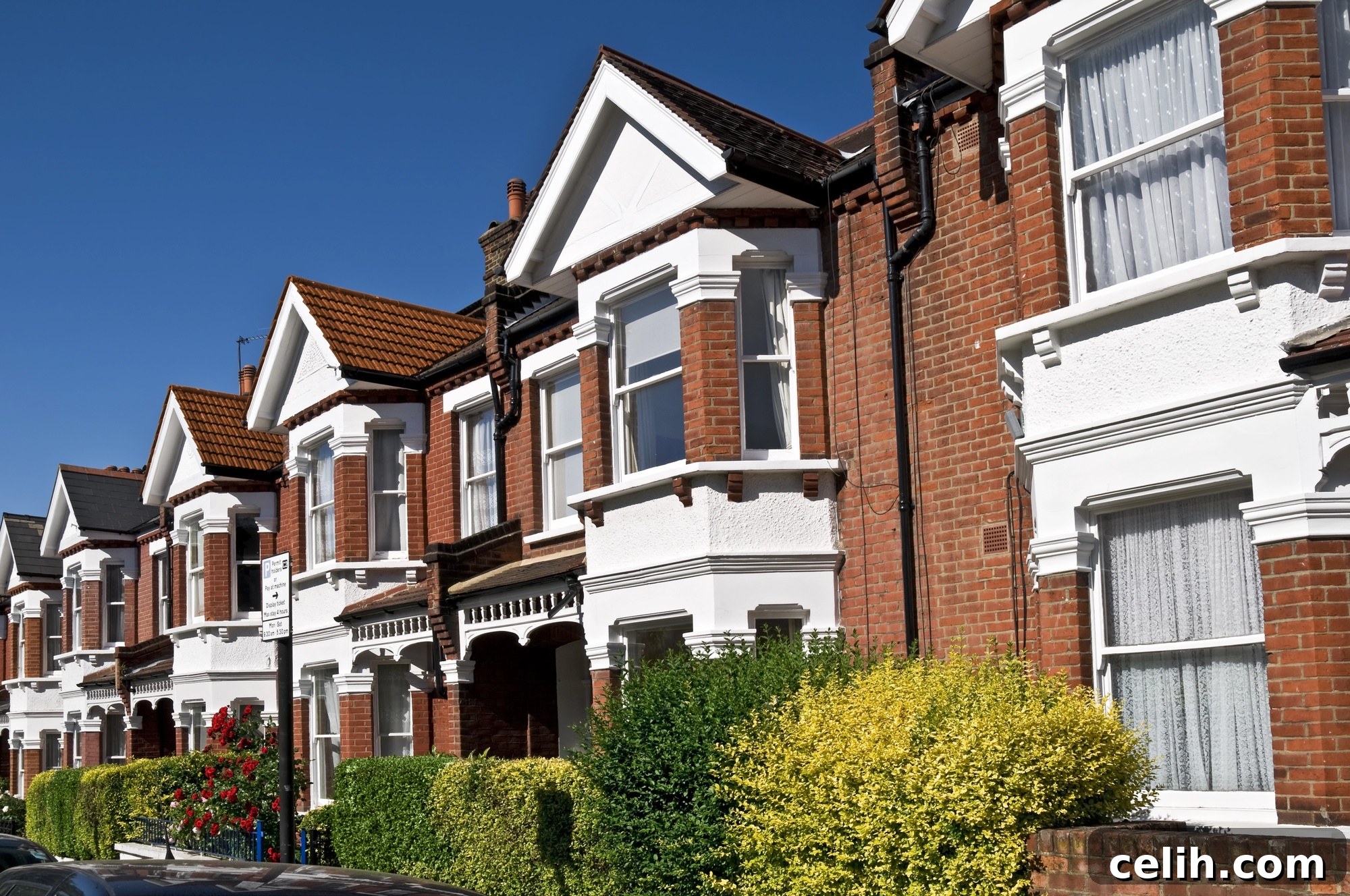
Are you the fortunate owner of a historic Victorian home, perhaps one graced with an often-overlooked and underutilized basement? The time has arrived to consider a transformative basement renovation, breathing new life into your original Victorian cellar. While homeowners often dedicate significant effort to decorating the visible living spaces of their Victorian-era houses, the basement frequently remains a hidden treasure, brimming with untapped potential. This subterranean level offers a unique opportunity to expand your valuable living space, blending historical richness with contemporary functionality. In this comprehensive guide, we delve into inspiring Victorian basement design ideas, exploring how to meticulously transform this unfinished area into a vibrant, integrated part of your cherished home.
The Rich History of Victorian Basements
Homes constructed during the expansive Victorian era, spanning roughly from the mid-to-late 19th century, were typically designed with a basement or cellar. These lower levels often comprised a single room or a series of interconnected spaces situated beneath the ground floor. The precise architectural configuration of Victorian basements varied considerably, largely dependent on the building’s scale, original purpose, and the socio-economic status of its inhabitants. Some basements were entirely subterranean, offering cool, dark environments, while others benefited from partial exposure to natural light through strategically placed windows or light wells.
During the peak of Victorian society, these basements served a multitude of practical functions. In more affluent households, the basement was frequently designated as the domain of domestic staff, providing a distinct living area separate from the family’s quarters. This arrangement ensured privacy for the family while allowing servants to carry out their duties efficiently. It was also a common and strategic location for the kitchen, primarily to contain cooking odors and heat away from the main living areas of the house. Laundry facilities, where arduous chores such as washing, ironing, and mending were performed, also typically resided in the basement. Some grander homes even featured a dedicated laundry chute, streamlining the delivery of dirty linens directly to the basement for processing.
In an age predating modern refrigeration and widespread electricity, the naturally cool and consistent temperatures of a Victorian basement made it an indispensable space for the storage of perishable foods, root vegetables, and especially wine. Beyond culinary storage, basements often housed utilitarian necessities. For homes reliant on coal as a primary fuel source for heating and cooking, a significant portion of the basement was allocated for coal storage. A dedicated coal chute, often located in the cellar or an external wall, facilitated the delivery and deposit of coal directly into this storage area. Many of these historic basements also featured a hearth and fireplace, providing a source of heat for the area itself. Remarkably, these original architectural elements can often be meticulously restored and brought back to life as charming focal points during a modern Victorian cellar conversion, adding authentic character to the renovated space.
Assessing the Feasibility and Challenges of Victorian Basement Conversion
Embarking on the journey of converting a Victorian basement into a functional and inviting space requires careful consideration of numerous factors. The ease and scope of such a project are heavily influenced by the existing condition and structural integrity of the basement, the necessity for robust waterproofing and damp proofing systems, adequate ventilation, efficient insulation, and critically, the available ceiling height. Furthermore, adherence to contemporary building regulations is paramount for a safe and successful conversion.
Not all basements are created equal; some Victorian cellars might have been conceived as mere crawl spaces rather than proper basements with comfortable ceiling heights. Naturally, for a truly usable living space, a sufficient ceiling height is essential. In certain scenarios, it may be technically feasible to lower the existing floor level to gain additional head room. However, this undertaking significantly increases the project’s complexity and cost, potentially involving extensive excavation, underpinning of foundations, and specialized structural work, which might not be practical or financially viable for every homeowner.
Prior to any construction, a thorough assessment of the space’s structural integrity by a qualified expert, such as a structural engineer, is non-negotiable. Given the considerable age of these historic homes, there is a distinct possibility of discovering pre-existing damage, such as cracks in the foundation, deterioration of original walls, or issues with load-bearing beams. Should any structural deficiencies be identified, undertaking the necessary repairs and reinforcements must be the absolute first step in the conversion process to ensure the long-term safety and stability of your home.
Dampness is a notoriously common adversary in old basements. A successful conversion necessitates the implementation of a comprehensive waterproofing strategy, often including a damp proof membrane system. In areas prone to water ingress, the installation of a sump pump may be crucial to effectively prevent unwanted water accumulation. Original Victorian basements were built without modern insulation standards. Therefore, any contemporary conversion will require proper insulation in the walls, floor, and ceiling. Adequate ventilation and insulation are vital not only for maintaining a comfortable ambient temperature within the space but also for significantly reducing the risk of mold growth, ensuring a healthy living environment. If a basement window exists, it can be upgraded for better thermal performance and light, or new small windows or light wells might be installed to introduce more natural light and improve the overall ambiance of the space.
The intended purpose of your converted basement will also dictate specific requirements. If, for instance, you envision a practical laundry room or dream of adding an extra bathroom and guest suite, you will need to ensure the space can accommodate the necessary plumbing and electrical systems. Furthermore, implementing supplementary heating facilities may be required to guarantee year-round comfort. All these essential upgrades contribute to the overall time commitment and financial investment of the project.
For any Victorian basement conversion, it is absolutely essential to consult with qualified professionals from the outset. Engaging structural engineers, architects, and experienced builders who specialize in historic properties will provide invaluable expertise. Their knowledge is critical for meticulous planning, ensuring the best possible improvements are made while preserving significant architectural design features. They can also provide a realistic estimate of the Victorian cellar conversion cost, as each development is unique and depends heavily on the specific scope of work involved. Furthermore, these professionals will guide you through the complexities of local building codes and planning permissions, which are often stringent for modifications to historic structures, ensuring your project complies with all legal requirements.
Inspiring Design Ideas for a Victorian Basement Conversion
The most successful Victorian basement conversions masterfully strike a delicate balance between preserving the authentic original features of the era and seamlessly integrating modern updates. Here are some sophisticated design concepts to consider, aimed at maintaining the historic character of your Victorian basement while adapting it to meet contemporary needs and preferences.
Embracing Victorian Aesthetics with a Modern Twist
Victorian design is universally celebrated for its elaborate mouldings, intricate trims, and decorative elements that frequently adorn ceilings, walls, and door frames. Incorporating these signature architectural details into your basement can instantly evoke the quintessential essence of the era. Consider grand crown moldings embellished with delicate floral motifs, which can add an undeniable air of sophistication and depth to your basement space, creating a sense of timeless luxury.
To infuse a modern aesthetic and enhance acoustic performance, especially in a basement where utilities might be exposed, consider installing seamless drop ceiling panels. These innovative modular ceiling options are not only easy to install but also offer a clean, polished finish while significantly improving sound quality. This contemporary touch makes your transformed space even more inviting and functional. For those who prefer a more understated approach, opt for sleek, minimalist profiles that offer a subtle nod to the past without overwhelming the space. Complete the look with thoughtful, cozy touches, such as a custom photo blanket or luxurious throws, to introduce warmth, comfort, and personal flair to your elegant design.
Stained glass windows, an iconic hallmark of Victorian architecture, possess an unparalleled ability to infuse your basement with an enchanting play of vibrant light and rich color. Their vivid hues and intricate patterns can effortlessly transform an otherwise plain basement into a captivating work of art. For a truly modern interpretation, explore incorporating stained glass in unconventional ways, perhaps as striking accent panels, elegant transoms above doorways, or even as dynamic room dividers. When utilized as a room divider, the stained glass allows light to beautifully dance across your basement, creating distinct zones while maintaining an open and airy feel.
Blending Antique and Contemporary Styles
Delve into the rich tapestry of the past by expertly mixing antique Victorian furniture with sleek, contemporary pieces to forge an eclectic yet perfectly balanced aesthetic. This thoughtful fusion can profoundly elevate the atmosphere of your basement design. Imagine a sumptuous chaise lounge upholstered in rich velvet, or a luxurious modern velvet sofa, becoming the undisputed focal point of the room. Such a piece provides a harmonious blend of supreme comfort and grand Victorian elegance. Alternatively, you might pair an exquisite Victorian-era velvet sofa with a streamlined, minimalist coffee table for a captivating juxtaposition of old-world charm and new-age simplicity. This strategic blending of furniture styles adds remarkable depth, character, and a unique personality to your basement design. Another inspiring idea is to unite a classic Victorian writing desk with a minimalist, ergonomic chair, creating a functional and aesthetically pleasing workspace that transcends eras.
To optimize space and maintain an uncluttered environment, prioritize multifunctional furniture pieces that ingeniously offer hidden storage solutions. Examples include elegant ottomans or stylish pouffes with concealed compartments, or sophisticated modular shelving systems that help keep your renovated basement organized and serene.
Elegant Flooring Options for Victorian Basements
Authentic Victorian homes were renowned for their exquisite hardwood floors, typically crafted from rich oak, deep mahogany, or elegant walnut, often featuring intricate inlays and sophisticated parquet patterns. Should you choose to emulate this classic style, it will undoubtedly infuse your Victorian basement with warmth, undeniable sophistication, and a sense of historical grandeur. A beautifully laid herringbone-patterned oak floor, for instance, can serve as a luxurious and timeless backdrop, perfectly complementing your vintage-inspired furniture and decor.
However, if traditional solid wood flooring presents budget constraints or is not a suitable option due to potential moisture concerns in a basement environment, consider engineered hardwood flooring. This modern alternative is not only significantly more durable and often more resistant to moisture fluctuations but also frequently more environmentally friendly. Engineered wood offers the desirable warmth and aesthetic appeal of natural wood without compromising on sustainability or performance in a basement setting.
Another popular and distinctive flooring option in Victorian-era homes was the use of elaborate tiled floors, characterized by their intricate geometric designs and vibrant patterns. You can perfectly capture this aesthetic by incorporating patterned tiles that showcase intricate motifs. Encaustic tiles, particularly when used in the basement entrance or a dedicated mudroom area, can instantly set the tone for a Victorian-inspired space, welcoming guests with an unparalleled sense of elegance and historical charm. For a more budget-conscious approach, explore modern porcelain or ceramic tiles that skillfully mimic the sophisticated appearance of vintage encaustic tiles. These contemporary options are available in a vast array of patterns and colors, including many charming Victorian-inspired motifs, allowing you to combine historical authenticity with practical durability and affordability.
Choosing Captivating Colour Palettes for Victorian Houses
The selection of a colour palette for your converted basement’s walls and furnishings is a pivotal decision that will define its ambiance. Traditional Victorian colour schemes were celebrated for their deep, rich, and often dramatic hues, such as opulent burgundy, serene forest green, and regal royal blue. To cultivate an authentically Victorian feel, consider seamlessly incorporating these majestic colours into your basement’s walls and upholstery. For instance, painting an accent wall in a deep plum can create a striking and dramatic backdrop for your Victorian-inspired decor, instantly adding character and warmth. Alternatively, for a more contemporary take that still honors the past, establish a neutral colour palette as the base of your decor, then artfully introduce these rich hues through accent pieces like furniture, luxurious textiles, or decorative accessories, allowing the vibrant colours to pop without overwhelming the space.
Wallpaper was an exceptionally popular form of decor in older homes, with intricate flocking patterns, sophisticated damask prints, and elaborate floral motifs being commonplace. Utilizing wallpaper can effortlessly create an elegant and historically resonant ambiance in your original basement conversion. A damask-patterned wallpaper, for example, could introduce exquisite texture and depth to the space, making a striking focal point on a feature wall or gracing an entire room to envelope it in Victorian splendor.
Illuminating the Modern Victorian Basement
Beyond strategically harnessing any available natural light, well-chosen artificial lighting is fundamental to ensuring your converted Victorian basement remains free of dark corners and dull areas. Traditional Victorian style decor prominently featured exquisite crystal chandeliers, elegant brass and iron fixtures, and ornate candelabras. These timeless pieces can serve as magnificent primary lighting fixtures, casting a warm and inviting glow throughout your basement space. To achieve a comprehensive and flexible lighting scheme, consider adding layers of illumination with complementary wall sconces, floor lamps, and additional candelabras. This approach enhances the overall ambiance and provides versatility in adjusting lighting levels to suit different moods and activities. Brass wall sconces, perhaps with intricate designs, can be strategically placed to highlight captivating artwork or emphasize distinctive architectural details, adding another layer of visual interest.
Alternatively, for a more sleek and understated lighting approach that beautifully complements Victorian elements while maintaining a distinctly modern aesthetic, consider installing contemporary pendant lights. Those featuring clear glass shades that elegantly showcase the beauty of exposed filament bulbs can offer a nostalgic nod to the past with a clean, current sensibility. Recessed lighting is also an excellent option for providing subtle, ambient light without visual clutter.
Integrating smart lighting systems is an ideal solution for allowing precise control over the intensity and colour temperature of your lights. This advanced functionality empowers you to effortlessly create a variety of mood lighting themes within your basement room. With smart lighting, you can seamlessly transition from bright, invigorating, work-friendly illumination during the day to soft, warm, and relaxing light for evening unwinding, optimizing the space for every occasion and enhancing overall comfort and enjoyment.
Maximizing Space in a Victorian Basement
To truly unlock the full potential of your basement and create the most usable space, consider the strategic division of the room into distinct functional zones. For instance, you could envision a sophisticated wine cellar, a cozy and secluded reading nook, and a vibrant entertainment area, all coexisting harmoniously within the larger space. This strategic layout ensures that every square foot is meticulously optimized for its intended purpose, enhancing both functionality and flow.
Victorian-style cabinets and shelving units can provide incredibly elegant and ample storage solutions, keeping your basement impeccably organized while simultaneously offering a beautiful display for your vintage collectibles or cherished heirlooms. Explore utilizing vintage-inspired cabinets paired with modern glass-fronted doors. This combination allows you to stylishly display your collectibles in a unique and quirky manner, protecting them while making them a focal point. Additionally, consider built-in shelving, under-stair storage, and vertical storage solutions to maximize every available inch, ensuring that your basement remains tidy and inviting.
23 Practical and Inspiring Ways To Utilize Your Converted Victorian Basement
Once your Victorian basement conversion is complete, you might be seeking inspiration for its perfect purpose. Below are 23 ingenious ways to put this invaluable ground-level space to excellent use, transforming it into a cherished and integral part of your home:
- Family Room – If your home craves additional space for family gatherings, movie nights, or lively social events, converting your Victorian basement into a dedicated family room is an inspired choice. It offers a relaxed environment away from the main living areas, perfect for quality time.
- Man Cave / Woman Cave – Do you yearn for a private sanctuary to unwind and pursue your passions? The basement in old Victorian homes can function excellently as a designated man cave or woman cave, providing a secluded escape tailored to individual interests, whether it’s gaming, crafting, or simply quiet relaxation.
- Craft Room – For those who love creative pursuits, a dedicated craft room in your Victorian cellar conversion is a fantastic idea. It helps centralize supplies, minimizes clutter in other parts of your home, and provides an inspiring space for all your artistic endeavors.
- Dining Room – If entertaining and hosting dinner parties are among your greatest joys, transforming an old basement into a grand dining room can be remarkably effective. It offers a unique, intimate setting, especially appealing in homes where the ground floor dining space is limited.
- Laundry Room – If a dedicated, spacious laundry room has always been on your wishlist, the converted basement offers an ideal solution! Be mindful of relative humidity, especially if using a tumble dryer, and ensure walls are painted with moisture-blocking paint. You could even create a charming Victorian-themed laundry room with classic cabinetry, patterned tiles, and a traditional farmhouse sink for added character.
- Wine Cellar – Basements in Victorian homes were traditionally perfect for storing wine. There’s no better reason to reinstate this classic use. Whether you’re a serious collector or simply need organized storage for your spirits, lining the walls with bespoke wine racks or industrial-style shelving can be a practical and elegant solution.
- Play Room – A dedicated play room in your basement means children can spread out their toys and play to their heart’s content, keeping bricks, dolls, trains, and other items from cluttering up the rest of your home. It also provides a safe, contained space, particularly beneficial if you don’t have a large garden.
- Guest Bedroom – Do you frequently host guests and need more comfortable accommodations? Convert your basement into a stylish guest bedroom. Consider adding an en-suite shower room for enhanced privacy and convenience, making it a truly inviting retreat for visitors.
- Home Gym – Transform your basement into a dynamic home gym. Install durable rubber flooring, large mirrors, and versatile workout equipment. A dedicated fitness space helps maintain motivation with an environment that is both highly functional and invigorating.
- Home Office – Create a quiet and focused home office space in your Victorian basement. Utilize vintage-inspired furniture, ambient lighting, and muted color schemes to cultivate a conducive and productive work environment, free from household distractions.
- Home Cinema – Craft an ultimate cinematic experience with a dedicated home cinema setup. Opt for plush, comfortable seating, a state-of-the-art surround sound system, and dimmable lighting to perfectly set the mood for immersive movie watching.
- Art Room – Unleash your creative spirit in a dedicated art studio room. Install ample, consistent lighting, provide generous storage for all your supplies, and don’t forget to adorn the walls with inspirational artwork to fuel your imagination.
- Home Spa Pampering Zone – Indulge in a luxurious spa-like retreat within your home. Incorporate features such as a jacuzzi, a sauna, and calming decor. Victorian-inspired elements can add a touch of opulent grandeur to your private oasis.
- Library or Reading Room – Create your own serene home library or a cozy reading room in your Victorian house basement. Install impressive floor-to-ceiling bookshelves, comfortable seating, and rich, dark wood finishes to evoke a classic, intellectual ambiance.
- Yoga Studio – Design a dedicated yoga studio to practice your moves in peace, either alone or with friends. Focus on minimalist decor, soft lighting, and natural materials to create a tranquil space conducive to mindfulness and exercise.
- Basement Bar – Craft a sophisticated lounge area complete with a fully stocked bar, comfortable seating, and atmospheric ambient lighting. This is perfect for entertaining guests or simply unwinding with a drink after a long day. Who would guess such a gorgeous basement bar lies beneath stair level?
- Self-Contained Apartment – If you’re looking to generate extra income, perhaps as an Airbnb host, converting a Victorian basement into a self-contained apartment is an excellent investment. The space can be intelligently divided into a bedroom, bathroom, and open-plan kitchen/living area, providing a comfortable and private dwelling. Alternatively, it could serve as a personal apartment for an older teenager seeking independence.
- Storage Area – If your home suffers from a lack of storage, utilizing a converted Victorian basement as a dedicated storage zone is a highly practical solution. A sturdy concrete floor provides an excellent surface for storing children’s toys, old books, seasonal decorations, spare furniture, or fulfilling numerous other storage needs, keeping the main areas of your home clutter-free.
- Games Room – Transform your Victorian house basement into an ultimate games paradise with a pool table, dartboard, and card table. For board game enthusiasts, invest in a large, comfortable table and chairs. Add a touch of luxury with plush leather furnishings to create a sophisticated recreational hub.
- Living Room – When additional living space is a necessity, a Victorian basement conversion can serve as an exceptionally functional and inviting secondary living room, offering a cozy retreat or a spacious area for larger gatherings.
- Music Studio – For those with a passion for listening to or playing music, creating a basement music studio is an ideal project. It’s highly advisable to soundproof the space first to prevent any unwanted noise from disturbing other parts of the house, allowing for undisturbed creative expression.
- Collector’s Corner – Showcase your treasured collections in a beautifully curated display area within your Victorian basement. Whether it’s antique artifacts, vintage books, or a cherished memorabilia collection, allow your passions to shine through dedicated shelving, display cases, and thoughtful lighting.
- Secret Garden Retreat – Design a hidden garden oasis, especially appealing if you lack outdoor space. Incorporate artificial turf, an array of potted plants, and comfortable Victorian-style outdoor furniture. This unique use can transform a portion of your basement into a tranquil, green sanctuary.
Conclusion: Unlocking the Potential of Your Historic Basement
Unleash the extraordinary potential of your home’s often-overlooked subterranean spaces with these inspiring Victorian basement and cellar design ideas. By meticulously blending the timeless elegance of the past with the essential functionality and comfort of the present, you possess the power to transform these frequently neglected areas into unique, atmospheric, and highly valuable retreats. Embrace the inherent opulence and intricate charm of the Victorian era, allowing your creativity to flourish as you embark on this remarkable journey to redefine and enhance your home, quite literally, from the bottom up. A well-executed Victorian basement renovation not only adds significant living space and increases property value but also ensures that every corner of your historic home contributes to its story and your modern lifestyle.