
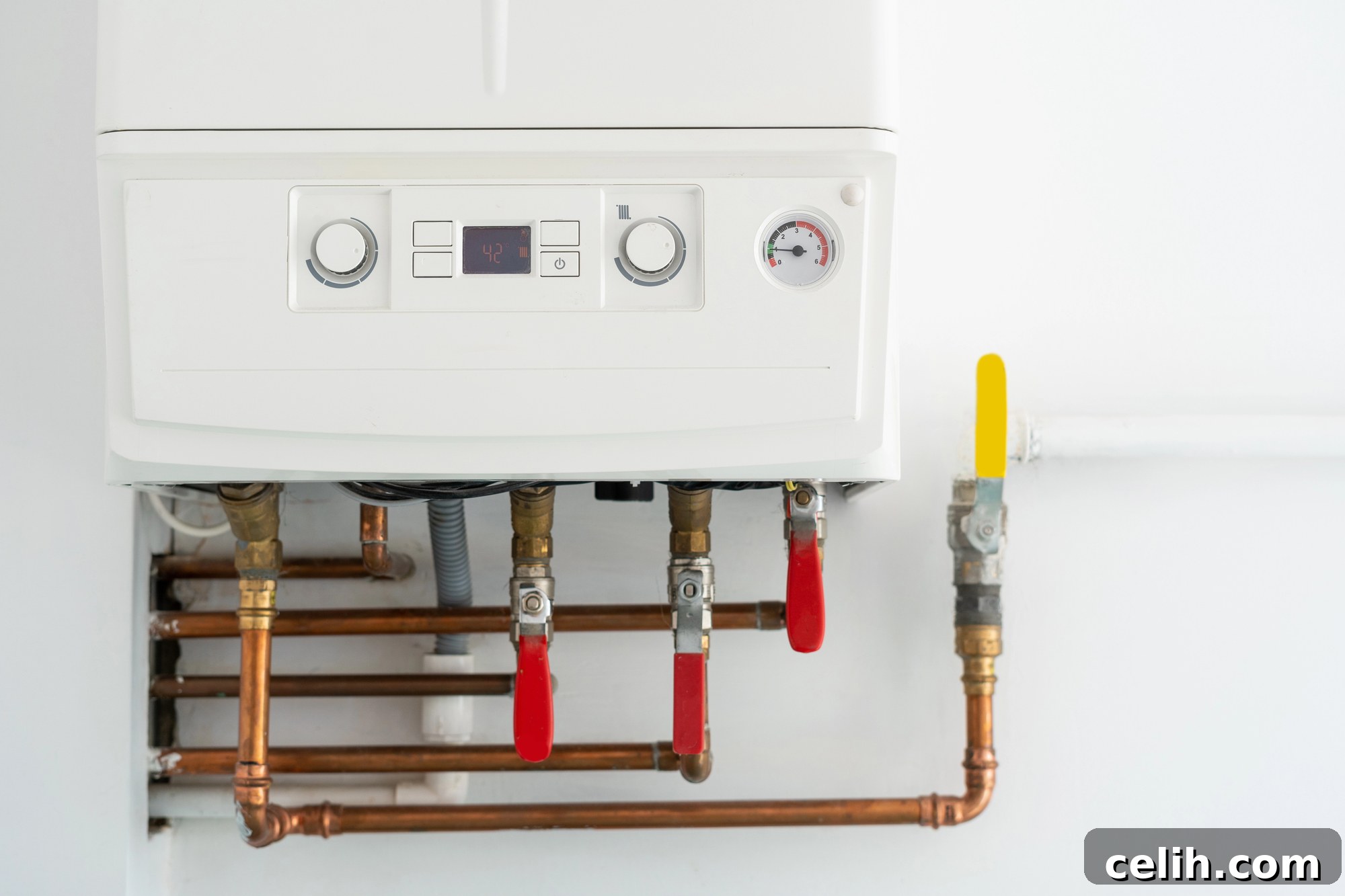
Your home’s heating system is an indispensable part of maintaining comfort, especially as the temperatures drop. It provides a sanctuary of warmth, making chilly seasons bearable. However, when your heater starts emitting unusual smells, it can instantly turn that comfort into a cause for concern. These odors are more than just unpleasant; they are often critical indicators of underlying issues that range from minor maintenance needs to serious safety hazards. Understanding the distinct language of these heating system smells empowers homeowners to diagnose potential problems early, take appropriate action, and ensure their system operates safely and efficiently throughout the year.
Proactive identification of these odors is paramount. Recognizing whether a smell is a benign sign of a seasonal startup or a life-threatening alert like a gas leak can make all the difference in protecting your household and preventing costly repairs. This comprehensive guide will delve into the most common heating system odors, what they signify, the potential dangers they pose, and the essential steps you should take to address them effectively.
Musty Odors: Uncovering Mold and Mildew Growth
A persistent musty or damp smell emanating from your heating system is a strong indicator of mold or mildew growth. This issue typically arises from excessive moisture accumulation within your HVAC ducts, air handler, or other components of the heating unit itself. When humidity levels are consistently high, especially in dark, undisturbed areas like ductwork, these fungi can thrive and rapidly spread. This isn’t just an aesthetic concern; mold and mildew release spores into your indoor air, which can lead to a range of health issues for occupants, including allergic reactions, asthma attacks, respiratory infections, and general discomfort. Individuals with pre-existing conditions or compromised immune systems are particularly vulnerable.
Homeowners should immediately inspect areas around their heating system for any signs of water leaks, condensation, or standing water. Common culprits include clogged condensate drain lines in your AC unit (which often shares ductwork with the heater), leaky duct connections, or even high indoor humidity levels due to poor ventilation. To prevent moisture accumulation, regular maintenance such as cleaning and sealing ducts, ensuring proper drainage from your AC’s evaporator coil, and replacing air filters promptly is crucial. Running a dehumidifier in damp areas like basements or crawl spaces can also significantly control moisture levels. For severe mold infestations, professional mold remediation services are highly recommended to safely and effectively remove the growth and prevent its recurrence. Prompt action upon detecting musty odors is essential to safeguard indoor air quality and prevent more extensive and costly remediation efforts.
Burning Dust: The Common Seasonal Startup Scent
It’s a familiar scenario for many homeowners: the first time you switch on your heating system after months of inactivity, a distinct burning dust smell fills the air. This odor is typically a harmless, temporary phenomenon caused by accumulated dust, pet dander, and other airborne particles settling on the heating elements or within the ductwork during the off-season. When the system springs to life, these particles burn off as air flows over the now-hot components. This smell usually dissipates within several minutes as the dust clears from the system.
While this startup smell is generally benign, it’s wise for homeowners to observe its duration and intensity. If the burning smell persists for more than an hour, intensifies, or is accompanied by visible smoke or sparks, it could signal a more serious issue such as an overheating motor, faulty wiring, or a clogged flue. In such cases, turn off your system immediately and contact a qualified HVAC technician. To minimize this seasonal occurrence, schedule regular maintenance before the heating season begins. This includes replacing air filters (which should be done every 1-3 months, depending on usage and household conditions), vacuuming around vents and registers, and running your heater for a short period during the warmer months to burn off any nascent dust buildup. These simple steps can help ensure a cleaner, odor-free start to your heating season.
Comprehensive Furnace Maintenance: The Key to Odor Prevention
Regular and comprehensive furnace maintenance is the cornerstone of preventing unpleasant odors and ensuring the safe, efficient, and long-lasting operation of your heating system. Scheduling annual service checks, ideally before the heating season starts, allows professional technicians to meticulously clean components, replace worn-out parts, and inspect for potential problems before they escalate into costly repairs or safety hazards. During these checks, technicians typically clean the burners, heat exchanger, blower motor, and coils; lubricate moving parts; test electrical connections; and ensure all safety controls are functioning correctly. They also inspect ductwork for leaks and blockages, which can contribute to musty smells or inefficient heating.
Beyond professional tune-ups, homeowners play a vital role in routine maintenance. The most crucial DIY task is regularly changing air filters. Dirty filters restrict airflow, forcing your system to work harder, leading to decreased efficiency, potential overheating, and the buildup of dust and allergens that can cause odors. Aim to replace standard filters every 1 to 3 months, or more frequently if you have pets, allergies, or a busy household. Proactive maintenance not only drastically reduces the chances of encountering strange smells from the furnace but also improves overall indoor air quality, extends the lifespan of your unit, and reduces energy consumption. A well-maintained system operates silently, efficiently, and odor-free, providing a healthier, more comfortable, and safer living environment for your family.
Electrical Burning Smell: A Serious Warning of Wiring Issues
An electrical burning smell, often described as similar to burning plastic or rubber, is one of the most concerning odors that can emanate from your heating system. This smell is a critical indicator of overheating electrical components, such as frayed or loose wiring, a failing motor, an overloaded circuit, or a malfunctioning circuit board. Such issues can quickly escalate into serious fire hazards, putting your home and family at severe risk. If you detect this distinctive acrid smell, it is imperative to act immediately and cautiously.
Your first step should be to turn off your heating system at the thermostat and, if possible, at the main electrical breaker for the unit. Do not attempt to locate the source of the smell or troubleshoot the problem yourself, as this can be extremely dangerous. Immediately contact a licensed HVAC technician or a certified electrician. These professionals have the expertise and specialized tools to safely diagnose and repair electrical issues, ensuring all connections are secure, components are functioning correctly, and there are no signs of scorching or short circuits. Ignoring an electrical burning smell is never an option; prolonged operation with such an issue can lead to catastrophic system failure, extensive property damage, or even a house fire. Regular professional servicing helps prevent these hazardous situations by identifying and addressing potential electrical issues before they become critical.
Gas Smells: Immediate Alerts for Life-Threatening Leaks
The smell of sulfur or rotten eggs is the most critical and dangerous odor associated with your heating system. This distinct scent is intentionally added to otherwise odorless natural gas by utility companies to serve as an immediate warning of a gas leak. If you detect this smell anywhere in or around your home, it indicates a potentially life-threatening situation requiring prompt and decisive action. Natural gas leaks can lead to explosions, fires, and carbon monoxide poisoning if the gas is incomplete combustion. Even small leaks can pose significant risks.
If you smell gas, your top priority is the safety of everyone in your home. Do not attempt to locate the source of the leak, turn on or off any lights, use cell phones inside, light matches, or operate any electrical appliances. These actions could create a spark and ignite the gas. Immediately evacuate your home, taking everyone with you, including pets. Once you are a safe distance away from the building, call emergency services (like 911) or your local gas utility company from a neighbor’s house or a mobile phone. Regular checks of gas connections by a professional and ensuring your home has working carbon monoxide detectors (placed strategically throughout the home and tested regularly) are crucial preventative measures. Never ignore the smell of gas, even if it seems faint, as it can escalate rapidly and have catastrophic consequences. Professional inspections of your gas furnace components, including the heat exchanger, are vital to prevent and detect leaks.
Refrigerant Odors: Signaling AC System Problems
While primarily focused on providing heat, many modern HVAC systems are integrated units that include components for air conditioning. If you detect a chemical, sweet, or sometimes faint chloroform-like odor, it might indicate a refrigerant leak from your system. Refrigerant is the fluid that facilitates the cooling process in your AC, and while it’s designed to be contained, leaks can occur due to corrosion, vibrations, or wear and tear in the coils or lines. Exposure to refrigerants can be harmful to health, causing dizziness, headaches, or nausea, and they are potent greenhouse gases that contribute to environmental concerns.
Beyond the health and environmental risks, ignoring refrigerant leaks significantly impairs your system’s performance. A low refrigerant level forces your AC compressor to work harder, leading to decreased cooling efficiency, higher energy bills, and potential premature compressor failure, which is often the most expensive component to replace. If you suspect a refrigerant leak, it’s essential to have a professional HVAC technician inspect and repair your air conditioning unit promptly. They can accurately detect the leak, repair it, and safely recharge the system with the correct type and amount of refrigerant. Maintaining a balanced heating and cooling system through regular maintenance is vital for both efficiency and comfort, ensuring that all components, including those handling refrigerant, are functioning optimally and leak-free.
Oil Smells: Indications of a Fuel Oil Leak or Combustion Issue
For homes with oil furnaces, a distinct oil smell is a clear warning sign that should not be overlooked. This odor typically indicates a fuel oil leak from the tank, fuel lines, or within the furnace itself. Oil leaks can lead to significant environmental contamination, potential fire hazards, and reduced system efficiency as the furnace struggles to operate with an inadequate or improperly supplied fuel source. Beyond leaks, an oil smell can also arise from incomplete or improper combustion, a clogged nozzle, a dirty burner, or issues within the flue system where exhaust gases are expelled. These combustion problems can lead to the production of harmful carbon monoxide, making it a serious safety concern.
Homeowners with oil furnaces should frequently inspect their heating units, the surrounding area, and especially the oil tank and fuel lines for any visible signs of leaks, drips, or spilled oil. Addressing any leaks immediately is crucial to prevent environmental damage, save on repair costs, and maintain optimal system efficiency. If you detect an oil smell, turn off your heating system and open windows to ventilate the area. Then, contact a qualified HVAC technician specializing in oil furnace repair. They can diagnose the source of the smell, whether it’s a leak or a combustion issue, and perform the necessary repairs or adjustments. Scheduling regular maintenance, including burner cleaning and combustion testing, is the best preventative measure to identify and correct any problems before they escalate. Recognizing and addressing oil odors promptly provides better safety for your home and ensures your oil furnace operates cleanly and efficiently.
Understanding the different odors that may emanate from your heating system is an essential skill for every homeowner. From the harmless scent of burning dust during a seasonal startup to the critical, life-threatening smell of natural gas, each odor tells a unique story about your system’s health. Recognizing these cues promptly empowers you to act swiftly and responsibly, preventing minor issues from becoming costly repairs and, more importantly, safeguarding your household’s safety and well-being. Consistent preventive maintenance, including regular filter changes and annual professional inspections, remains the most effective strategy to ensure your heating system remains reliable, efficient, and odor-free. By staying attentive and proactive in monitoring your home’s heating system, you can enjoy a warm, comfortable, and safe living environment throughout the colder months and beyond.