
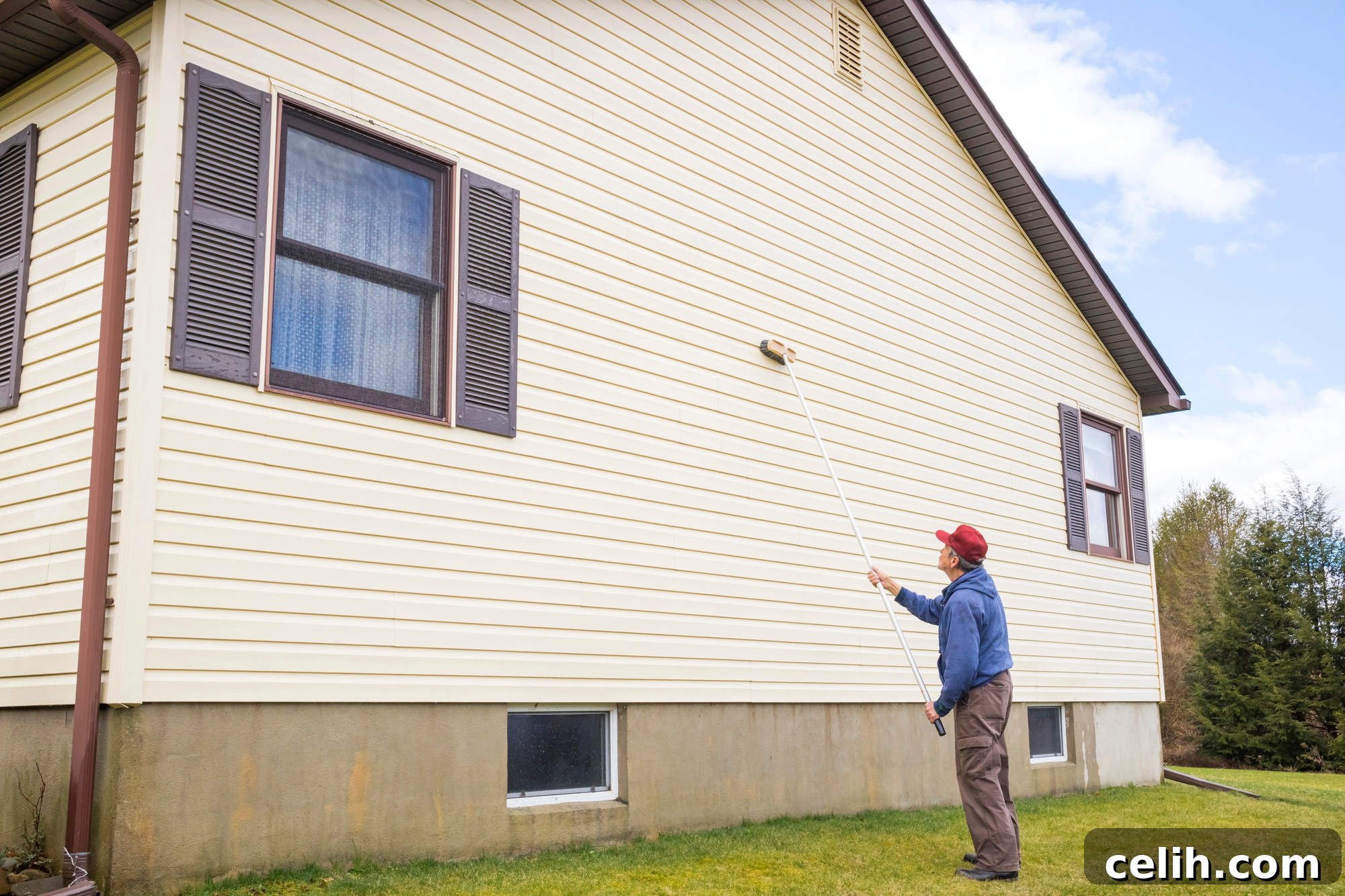
Vinyl siding stands out as a preferred choice for homeowners due to its exceptional combination of easy maintenance, durability, and cost-effectiveness when compared to alternatives like wood, aluminum, or fiber cement. Its ability to mimic the aesthetic appeal of more expensive materials while offering superior resilience makes it an attractive option for enhancing curb appeal and protecting your home. However, even with its inherent strength, vinyl siding is constantly exposed to the elements, making it susceptible to accumulating dirt, grime, environmental pollutants, and organic growths like mold and mildew over time. This buildup can not only diminish its visual appeal, making your home look unkempt, but also potentially lead to premature degradation and compromise its protective qualities.
To preserve the beauty and structural integrity of your vinyl siding, regular cleaning with an appropriate outdoor cleaner is essential. A well-chosen cleaner, specifically formulated for vinyl, can safely and effectively revitalize its appearance, extending its lifespan and maintaining your home’s value. This comprehensive guide aims to equip you with the knowledge needed to select the ideal cleaner for your vinyl siding, ensuring you make an informed decision that yields sparkling results without causing damage.
Understanding Vinyl Siding: Benefits and Maintenance Needs
Vinyl siding’s popularity stems from a multitude of benefits that cater to modern homeowner demands. It’s incredibly cost-effective, offering a high return on investment through its longevity and minimal upkeep. Available in a vast array of colors, textures, and styles, vinyl provides unparalleled design versatility, allowing homeowners to achieve their desired aesthetic without breaking the bank. Beyond aesthetics, vinyl siding boasts excellent energy efficiency, acting as an insulating layer that can help reduce heating and cooling costs. Furthermore, its resistance to pests, rot, and moisture makes it a robust exterior solution.
Despite its low-maintenance reputation, regular cleaning is crucial to fully capitalize on these benefits. Accumulated dirt, dust, pollen, and airborne pollutants can dull the vibrant finish of your siding, making it appear old and neglected. More critically, organic growths such as mold and mildew not only create unsightly blemishes but can also trap moisture against the siding, potentially leading to material degradation over extended periods. Regular cleaning prevents these issues, preserving the material’s aesthetic appeal, extending its protective lifespan, and ultimately enhancing your home’s overall curb appeal and market value. Neglecting cleaning can lead to more stubborn stains that are harder to remove, and in severe cases, might necessitate more drastic and costly interventions.
Decoding Cleaner Ingredients for Safe and Effective Results
The chemical composition of your chosen cleaner is paramount when it comes to vinyl siding. Vinyl siding is predominantly made from polyvinyl chloride (PVC), a durable plastic polymer. Certain chemicals can react adversely with PVC, leading to irreversible damage. Understanding which ingredients to embrace and which to avoid is the first step toward safe and effective cleaning.
Harmful Ingredients to Avoid
It is imperative to steer clear of cleaners containing harsh organic solvents and oil ethers. Chemicals like acetone, benzene, tetrahydrofuran, toluene, xylene, and strong degreasers share similar properties with PVC, meaning they can soften, dissolve, or permanently discolor the vinyl. Exposure to these substances can result in dark, foggy patches, unsightly streaks, and a brittle, uneven surface texture that compromises the siding’s structural integrity. Beyond surface damage, they can cause irreversible color fading, significantly reducing the visual appeal and impact resistance of your siding. Products such as paint removers, furniture polish, strong industrial cleaners, and abrasive compounds (like those found in scourers or steel wool) should also be avoided, as they can scratch the surface or erode the protective layers of the vinyl. Always read product labels carefully and prioritize cleaners specifically marketed as safe for vinyl siding.
Safe and Recommended Ingredients
For optimal results without risking damage, opt for siding cleaners and multi-surface exterior cleansers that utilize inorganic solvents and gentle cleaning agents. Water, hydrogen peroxide (often found in oxygen bleaches), and alkyl sulfates are excellent choices. Water serves as a universal solvent and diluent, making it safe and effective for rinsing and diluting concentrates. Hydrogen peroxide, a key component in oxygenated bleaches, is an inorganic compound known for its effective stain removal and sanitizing properties, particularly against mold and mildew, while being much safer for surrounding vegetation than chlorine bleach. Alkyl sulfates are a type of surfactant, highly effective at breaking down and lifting dirt, grime, and environmental pollutants from surfaces. These ingredients work by dislodging contaminants without chemically altering or degrading the PVC material.
Other safe alternatives for general cleaning include mild household detergents, such as dish soap, diluted in water. For light mold or mildew spots, a solution of white vinegar and water (typically 70% water, 30% vinegar) can also be effective. Always prioritize cleaners explicitly labeled “safe for vinyl siding” or “pH neutral.” Before applying any cleaner to the entire surface, it’s a best practice to test it on an inconspicuous area of your siding to ensure there are no adverse reactions.
Conquering Mold, Mildew, and Other Stubborn Stains
High humidity, prolonged periods of shade, lack of direct sunlight, poor drainage, and proximity to dense vegetation or trees can create ideal conditions for the growth of mildew and mold on vinyl siding. These organic contaminants not only mar your home’s appearance but can also potentially hold moisture against the siding, creating a breeding ground for further issues. Beyond organic growth, vinyl siding can also be affected by rust stains from metal fixtures or pollen, tree sap, and general environmental grime.
Targeted Cleaners for Organic Growth
When battling stubborn organic growth, consider using a vinyl siding cleaner specifically formulated to combat mildew and mold. These specialized treatments often contain fungicides that effectively eliminate and inhibit the return of such growths. Common effective agents include:
- Oxygenated Bleach (Hydrogen Peroxide-based): This is a highly recommended option for mold and mildew removal. Oxygen bleach works by releasing oxygen to lift stains and kill spores, making it an excellent choice for broad-spectrum organic growth removal. Crucially, it is much gentler on surrounding plants and landscaping than chlorine bleach, making it a safer and more environmentally friendly option for most homeowners.
- Ammonium Chloride: This compound is another effective fungicide that can tackle stubborn contaminants like rust, limestone, and various forms of organic growth. Ammonium chloride-based cleaners are generally safer for use around flowers, vegetables, and shrubs compared to chlorine-based alternatives, offering peace of mind for those with extensive landscaping.
- Chlorine Bleach (Sodium Hypochlorite): While highly effective at killing mold and mildew, chlorine bleach should be used with extreme caution. It can be very harsh on plants, fabrics, and can even strip color or leave streaks on vinyl if not properly diluted and thoroughly rinsed. If you choose to use it, dilute it heavily (e.g., 1 part bleach to 4-5 parts water) and take extensive measures to protect all surrounding vegetation by pre-wetting them and rinsing them immediately after cleaning the siding.
For rust stains, look for cleaners specifically designed for rust removal that are explicitly stated as safe for vinyl. These often contain mild acids that dissolve rust without damaging the PVC. Tree sap and heavy pollen might require a bit more elbow grease with a soft brush and a general-purpose vinyl cleaner.
Preventative Measures
Beyond cleaning, you can take steps to minimize future mold and mildew growth. Trim back shrubs and trees that cast constant shade on your siding, improving sunlight exposure and air circulation. Ensure that your home’s gutters and downspouts are clean and direct water away from the foundation and siding to prevent water accumulation. Addressing any drainage issues around your home can also significantly reduce moisture buildup that encourages organic growth.
Application Methods: Choosing the Right Tool for the Job
Effectively cleaning your vinyl siding involves not just choosing the right cleaner but also employing the appropriate application method. There are three primary ways to apply vinyl siding cleaner: manually with a brush, using a hose attachment dispenser, or with a pressure washer. Each method offers distinct advantages and considerations.
General Preparation and Safety
Regardless of the method you choose, always begin by rinsing your siding with plain water to remove loose dirt and debris. This also helps to saturate the surface, preventing the cleaner from drying too quickly. Protect nearby plants, shrubs, and gardens by covering them with plastic sheeting or thoroughly pre-wetting them with water. Always wear appropriate personal protective equipment, including eye protection and gloves, especially when handling cleaning chemicals. If working at heights, ensure your ladder is stable and placed on a level surface.
Manual Cleaning (Brush and Bucket)
- Process: This traditional method involves pouring the cleaner into a bucket, diluting it according to the manufacturer’s instructions if concentrated, and applying it with a soft-bristle, long-handled brush. Start applying the cleaner from the bottom of the section you’re working on and scrub gently in small sections. Allow the cleaner to dwell for the recommended time, then rinse thoroughly from top to bottom with a garden hose. This prevents streaks from cleaner running down onto dry sections.
- Pros: Offers the most control over cleaning, ideal for spot cleaning stubborn stains, the gentlest option for delicate siding, and highly accessible for homeowners without specialized equipment. It ensures a thorough scrub for embedded dirt.
- Cons: Can be time-consuming and labor-intensive, especially for larger homes or extensive areas of siding. Requires more physical effort.
- Recommended for: Smaller homes, areas with specific stains, or homeowners who prefer a hands-on approach. Many cleaners designed for pressure washers can also be applied manually with a brush, making this a versatile technique.
Hose Attachment Dispenser
- Process: This method utilizes a specialized bottle that attaches directly to the end of a standard garden hose. The cleaner, often a concentrated formula, is poured into the dispenser. When the hose nozzle is turned on, it automatically dilutes the cleaner with water from the tap and sprays the cleaning solution onto the siding. There’s no need for separate measurements or buckets.
- Pros: Significantly quicker and easier than manual scrubbing, eliminating the need for mixing or transferring liquids. Provides good coverage for medium-sized areas and offers a balance between convenience and effectiveness.
- Cons: Less powerful than a pressure washer, so it might not be as effective on extremely tough or deeply ingrained stains. The dilution ratio might be fixed, offering less flexibility than manual mixing.
- Recommended for: Homeowners looking for a quick and relatively easy way to clean their siding without the intensity of a pressure washer. Good for routine maintenance cleaning.
Pressure Washing
- Process: Pressure washing is often the quickest and easiest method for cleaning the entire exterior and removing tough stains. A vinyl siding cleaner designed for pressure washers typically comes in a large container that can be placed in the liquid reservoir or fed via a siphoning tube on the pressure washer. When using a pressure washer, first pre-rinse the siding. Apply the cleaner using a low-pressure setting (usually with a black, wide-angle nozzle) working from bottom to top to prevent streaking. Allow the cleaner to dwell for the recommended time (do not let it dry on the surface). Then, rinse thoroughly from top to bottom using a wide-angle (25-40 degree) spray nozzle at a safe distance.
- Crucial Caution: While efficient, pressure washing can severely damage vinyl siding if not done correctly. High pressure (above 1200-1500 PSI for vinyl) or a narrow-angle nozzle can force water behind the panels, leading to mold growth, water damage inside your walls, or even dislodge the siding itself. Always use the widest spray pattern possible (25 to 40-degree tip), maintain a distance of at least 6 feet from the siding, and aim the spray downward to avoid forcing water underneath the overlap of the panels. Always check with the siding manufacturer for their recommendations before using a pressure washer.
- Pros: Extremely fast and efficient for covering large areas, highly effective at removing stubborn dirt, grime, and heavy organic growth.
- Cons: High risk of damage if misused, requires proper technique and equipment knowledge, and can be more expensive to purchase or rent the equipment.
- Recommended for: Large homes, severely dirty siding, or homeowners with experience and confidence in using pressure washers safely.
Cleaner Formulas: Concentrated vs. Ready-to-Use
When selecting a cleaner for your vinyl siding, you’ll generally encounter two main types of formulas: ready-to-use and concentrated. The choice between these two largely depends on your cleaning frequency, the size of your home, your budget, and personal preference for convenience versus customization.
Ready-to-Use Formulas
- Description: As the name suggests, these cleaners come pre-diluted and are ready for immediate application. They are typically available in spray bottles or larger jugs designed for direct application or use with a hose attachment dispenser.
- Pros: Unbeatable convenience. There’s no need for measuring or mixing, which saves time and eliminates the risk of incorrect dilution. Simply attach to your hose or spray directly, and you’re ready to clean.
- Cons: Generally more expensive per volume of cleaning solution compared to concentrated formulas. This higher cost often reflects the added water and packaging. They can also lead to more plastic waste over time if you clean frequently. For very heavy stains, a ready-to-use solution might not always be potent enough, offering less flexibility in cleaning power.
Concentrated Formulas
- Description: Concentrated cleansers are highly potent and must be diluted with water before application. They come in smaller, more economical containers and often specify different dilution ratios for various cleaning tasks (e.g., general cleaning vs. heavy mold removal).
- Pros: Highly cost-effective. A single bottle of concentrated cleaner can yield many gallons of cleaning solution, offering significant savings over time. They also require less storage space and result in less plastic waste. Concentrates provide flexibility; you can adjust the dilution ratio to match the severity of the dirt or stains, allowing for a more customized and often more powerful cleaning solution.
- How Dilution Works: If a concentrated cleaner is used with a pressure washer, many models are equipped with a separate siphon hose or detergent tank that automatically dilutes the cleaner as it’s drawn into the water stream. Similarly, a flow-through hose attachment dispenser operates on the same principle, accurately diluting the cleaner as water passes through and sprays the cleaning solution on the surface. For manual application with a brush and bucket, you’ll need to measure and mix the concentrate with water according to the product’s instructions.
- Cons: Requires an extra step of mixing, which can be less convenient than ready-to-use options. Inaccurate dilution can lead to a solution that’s too weak (ineffective) or too strong (potentially damaging or wasteful).
Ultimately, opting for a concentrated formula is generally more cost-effective and environmentally friendly in the long run, offering greater versatility for different cleaning needs. However, for homeowners who prioritize speed and simplicity above all else, ready-to-use options provide unmatched convenience.
Beyond Cleaning: Maintaining Your Vinyl Siding
While regular and proper cleaning is fundamental, maintaining the pristine condition and longevity of your vinyl siding extends beyond just washing. A proactive approach to siding care can prevent major issues and significantly prolong its lifespan, protecting your home’s investment.
- Regular Inspections: Periodically walk around your home and inspect your siding. Look for any signs of damage, such as cracks, chips, loose panels, or warping. Pay attention to areas around windows, doors, and corners where issues might first appear. Early detection allows for prompt repairs, preventing small problems from escalating into larger, more costly ones.
- Preventative Maintenance: Trim back any bushes, trees, or vines that are in direct contact with your siding. Vegetation can scratch the surface, trap moisture, and provide a pathway for pests or organic growth. Ensure your gutters and downspouts are clean and functioning correctly, directing rainwater away from the siding and foundation. Leaky gutters can cause persistent water streaks and foster mold/mildew growth.
- Address Small Issues Promptly: If you notice a loose panel, a small crack, or a minor stain that reappears quickly, address it immediately. Small repairs are often inexpensive and easy to fix, whereas neglected issues can compromise the entire siding system and lead to extensive damage.
- Consider Professional Cleaning: For very large homes, particularly stubborn stains, or if you lack the time or proper equipment, considering a professional siding cleaning service can be a worthwhile investment. Professionals have the experience, specialized equipment, and knowledge to clean your siding thoroughly and safely, often achieving results that are difficult for homeowners to replicate.
Why Professional Installation is Key for Long-Term Siding Performance
While this guide focuses on cleaning and maintenance, it’s crucial to acknowledge that the foundation of long-lasting, problem-free vinyl siding lies in its initial installation. Collaborating with a skilled and reputable contractor is absolutely essential to secure the correct installation and lasting resilience of vinyl siding. Opting for professional installation provides multiple, undeniable advantages that safeguard your investment and ensure your home’s exterior performs optimally for decades.
Primarily, professional installation ensures the accurate placement of the siding, adhering to industry best practices and manufacturer guidelines. This meticulous attention to detail prevents a myriad of potential problems, such as water seepage behind panels, improper expansion and contraction gaps leading to buckling, or even panels blowing off in strong winds. An experienced contractor understands the nuances of working with vinyl, including how to properly flash around windows and doors, ensure adequate ventilation, and handle intricate architectural details, all of which are critical for preventing moisture intrusion and ensuring a tight, secure fit.
A reliable contractor also possesses the abilities and knowledge to address any unforeseen difficulties or structural challenges that may emerge while setting up the siding. They come equipped with specialized tools, safety equipment, and the trained workforce necessary to complete the job efficiently, safely, and to a high standard. Furthermore, professional installers are typically familiar with local building codes and regulations, ensuring your installation meets all required standards, which can be vital for insurance purposes and future home sales.
Moreover, the warranty on your vinyl siding often hinges on professional installation. Many manufacturers will only honor their product warranties if the siding has been installed by a certified or experienced professional, providing an extra layer of protection for your investment. Ultimately, while DIY installation might seem like a cost-saving measure, the expertise, efficiency, safety, and long-term durability provided by a professional installation far outweigh any initial savings, ensuring your vinyl siding not only looks fantastic but also performs its protective function flawlessly for its intended lifespan.