
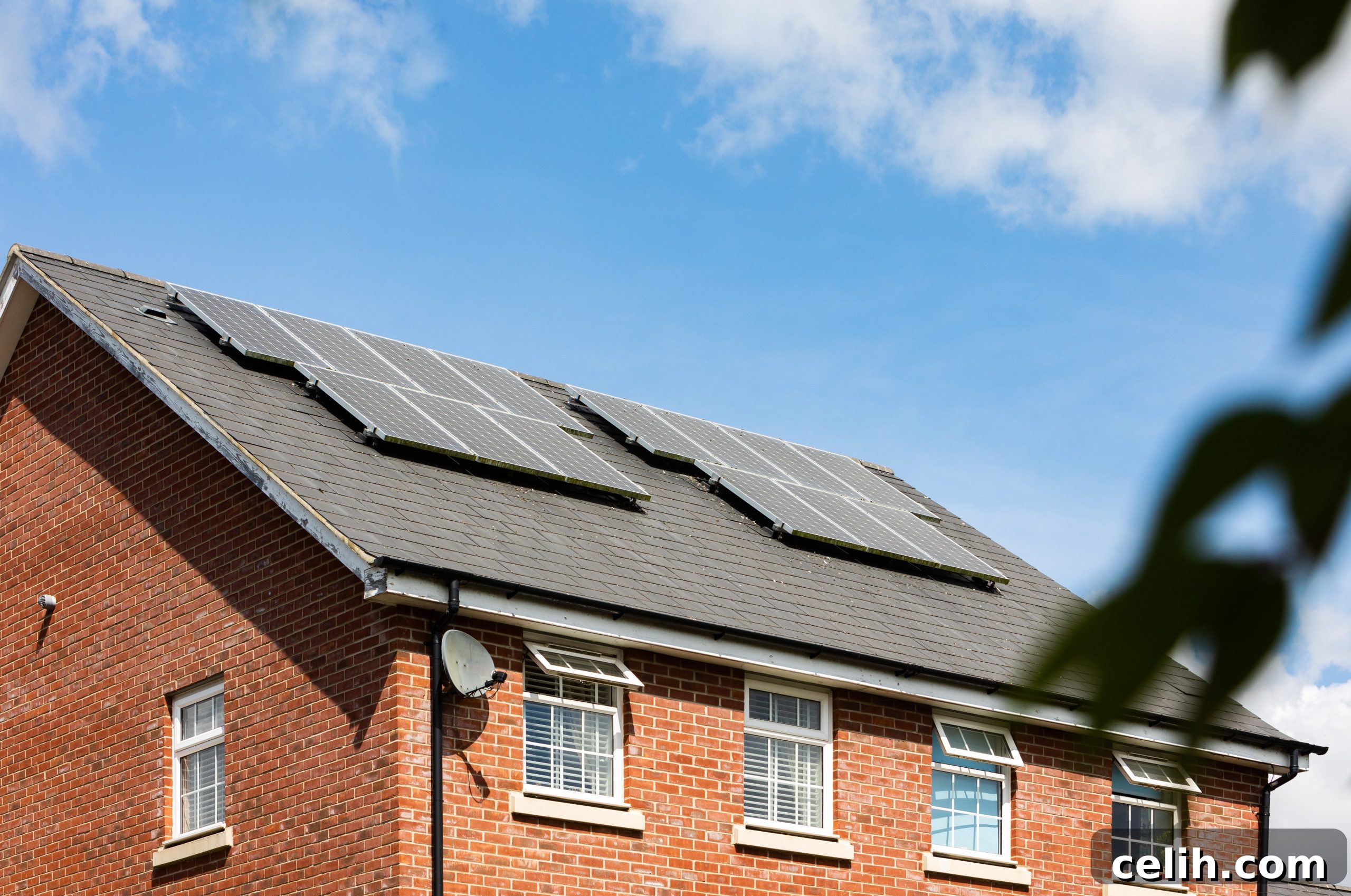
In the past decade, the concept of sustainability has evolved from a niche environmental concern to a global imperative, deeply integrating into various aspects of daily life. Initially defined during the Industrial Revolution to address the crucial balance between industrial growth and ecological preservation, sustainability now extends far beyond business, permeating sectors such as community development, education, and, most notably, our homes. Transitioning to a greener, more sustainable household is not merely a trend but a strategic move that offers profound, multifaceted advantages.
Embracing a sustainable lifestyle at home brings a wealth of benefits, transforming your living space into a haven of efficiency, comfort, and environmental responsibility. These advantages are typically categorized into three main pillars:
- **Enhanced Quality of Life:** A sustainable home is inherently designed for optimal living. By integrating efficient features, such as improved insulation, natural lighting, and cleaner energy sources, residents experience superior indoor air quality, more stable temperatures, and a generally healthier and more comfortable environment. This thoughtful design directly contributes to overall well-being and peace of mind.
- **Significant Financial Savings:** The initial investment in sustainable upgrades often yields substantial financial returns over time. By reducing dependence on conventional energy and water sources, homeowners benefit from considerably lower utility bills in the long run. Moreover, properties with sustainable features, like solar panels or energy-efficient appliances, typically command higher market values, offering a robust return on investment when it comes time to sell.
- **Positive Environmental Impact:** Perhaps the most critical benefit is the reduced ecological footprint. A sustainable home champions the responsible and efficient use of natural resources, minimizing waste, conserving water, and decreasing energy consumption. This approach directly lessens negative environmental impacts, such as greenhouse gas emissions and pollution, contributing positively to local and global ecosystems.
Embarking on the journey to a greener home can seem daunting, but it’s a process of incremental changes that collectively make a substantial difference. This comprehensive guide will explore seven practical, eco-friendly projects designed to help you kickstart your transformation towards a more sustainable and economically sound home.
Illuminate Smartly: Switch to LED Lighting
One of the simplest yet most impactful steps toward a more sustainable home is transitioning from traditional incandescent bulbs to LED (Light Emitting Diode) lighting. This change offers immediate and tangible benefits for both your wallet and the environment. LED bulbs operate on a fundamentally different principle than incandescent bulbs; instead of heating a filament, they generate light through the movement of electrons in a semiconductor material. This process is incredibly efficient, allowing LEDs to produce bright, clear light while consuming approximately 75% less energy than their outdated counterparts. This significant reduction in electricity usage directly translates to lower monthly utility bills and a smaller carbon footprint per bulb, as less energy from fossil fuel-powered plants is required.
Beyond energy savings, LED bulbs boast an exceptional lifespan, often lasting up to 25 times longer than incandescent bulbs. This longevity means fewer replacements, reducing waste and the inconvenience of frequently changing bulbs, further contributing to their economic and environmental superiority. When considering the switch, look for LEDs with appropriate color temperatures (warm white for cozy spaces, cool white for task lighting) and ensure compatibility with any dimmers you might have.
To elevate your home’s lighting sustainability even further, consider integrating a smart lighting system. These sophisticated systems allow for unprecedented control and efficiency. Imagine being able to turn off all your lights with a tap on your smartphone, even if you’ve already left the house, eliminating those nagging doubts about forgotten switches. Smart lighting can also incorporate motion-sensing devices, ensuring lights automatically illuminate upon entry and switch off when a room is vacated, preventing unnecessary energy waste. Furthermore, smart systems offer the flexibility to customize the brightness and even the color temperature of each room, adapting to different activities and moods while allocating energy more precisely and efficiently throughout your home. This level of control enhances comfort, security, and energy management, making smart lighting a truly sustainable upgrade.
Optimize Your Home: Invest in Energy-Efficient Appliances
When it comes to outfitting your home, making conscious choices about appliances can significantly impact your energy consumption and long-term expenses. Investing in energy-efficient models is a crucial step towards creating a sustainable household. These innovative appliances are engineered to deliver the same, or even superior, performance as standard models but with considerably less energy. This efficiency is not just about saving electricity; it also means a reduction in carbon emissions, as less energy produced from fossil fuel plants is needed to power your home.
A key indicator of an appliance’s energy performance is the Energy Star® label. This certification signifies that a product has met strict energy efficiency guidelines set by the U.S. Environmental Protection Agency and Department of Energy. Appliances bearing this label undergo rigorous testing to ensure they operate with high energy efficiency and contribute to reduced greenhouse gas emissions. When shopping for everything from refrigerators and washing machines to dishwashers and air conditioners, prioritize models with the Energy Star mark to ensure you’re making a wise, sustainable choice.
The journey to energy efficiency doesn’t end with the purchase. Proper maintenance is a simple yet often overlooked aspect of ensuring your appliances perform optimally and sustainably for years to come. Regular cleaning of refrigerator coils, timely replacement of air conditioner filters, and adherence to manufacturer-recommended service schedules can prevent inefficiencies that lead to higher energy use. Taking care of your devices ensures they operate at peak performance, maximizing their service life and providing you with the best value for your investment. This proactive approach not only keeps energy bills in check but also minimizes premature replacements, reducing waste and the environmental impact associated with manufacturing new units. By combining smart purchasing decisions with diligent maintenance, you can significantly boost your home’s overall energy efficiency and sustainability.
Embrace Renewable Power: Harness the Sun’s Energy
Photo by tawatchai07 from Freepik
Achieving greater energy self-sufficiency and reducing reliance on the traditional electric grid is a cornerstone of sustainable living, and there’s no better resource to tap into than the sun. Solar energy offers a clean, renewable, and increasingly accessible way to power your home. One of the most direct methods to harness solar power is by installing solar panels at home. These photovoltaic (PV) systems capture sunlight and convert it into electricity that can directly power your household devices, reducing or even eliminating your monthly electricity bill. Depending on your property’s layout and available space, solar panels can be discreetly installed on rooftops or on ground mounts, making them adaptable to various home designs. Beyond the immediate savings, solar panels significantly lower your carbon footprint, contributing to cleaner air and a healthier planet by displacing electricity generated from fossil fuels. Many regions also offer incentives, such as tax credits and rebates, making the initial investment more manageable.
Another powerful way to leverage the sun’s energy is through a passive heating and cooling system. Unlike active systems that use mechanical devices, passive systems utilize architectural design and material choices to naturally regulate indoor temperatures. The principles involve strategic window placement, size, and orientation to maximize solar gain during colder months, while features like eaves, overhangs, and thermal mass materials (e.g., concrete, stone) help absorb and release heat gradually. During warmer periods, careful design minimizes unwanted heat gain and promotes natural ventilation for cooling. Factors such as window type (double or triple-paned), glazing, and shading solutions significantly impact the efficiency of passive systems. By thoughtfully integrating these design elements, homeowners can drastically reduce the need for conventional heating and air conditioning, leading to substantial energy savings and enhanced indoor comfort throughout the year. Embracing the sun’s energy, whether through active solar panels or passive architectural design, is a transformative step towards a truly sustainable and resilient home.
Conserve Water: Upgrade Your Plumbing Fixtures
Water is a precious resource, and conserving it within your home is a vital aspect of sustainable living. Upgrading your plumbing fixtures is a highly effective way to significantly reduce your household’s water consumption without sacrificing performance. Eco-friendly fixtures such as low-flow showerheads, faucets equipped with aerators, and dual-flush or low-flow toilets are designed to use considerably less water to perform their intended purpose. For instance, low-flow showerheads can reduce water usage by up to 30% compared to older models, while still providing a satisfying shower experience. Similarly, modern faucets often include aerators that mix air with water, maintaining pressure while minimizing flow, and dual-flush toilets allow you to choose between a full flush for solids and a lighter flush for liquids, optimizing water use for each need.
Beyond upgrading fixtures, a critical but often overlooked practice is regularly checking your existing plumbing lines for leaks. Leaks, even minor ones, can lead to staggering amounts of water waste. In the United States alone, households waste approximately 900 billion gallons of water annually due to easily correctable leaks. Dripping faucets, running toilets, and hidden pipe leaks can silently add hundreds or thousands of gallons to your monthly water bill. Periodic inspections of visible pipes and fixtures, listening for unusual sounds, and monitoring your water meter when no water is being used can help detect leaks early. Prompt repair of these leaks is not only crucial for water conservation but also for preventing potential structural damage to your home and saving significant money on utility costs. Consider investing in a smart water leak detector for added peace of mind and immediate alerts.
Finally, cultivating water-saving habits in your daily routine and that of your family is paramount. Simple changes can yield remarkable results. For example, only running the dishwasher or washing machine when they are fully loaded maximizes water usage per cycle. Reducing shower times by even a few minutes can save dozens of gallons each week. Turning off the tap while brushing teeth, shaving, or scrubbing dishes are small actions that collectively make a big difference. Even collecting the cold water that runs from your showerhead before it heats up can be used to water plants or flush toilets. By combining efficient fixtures with diligent maintenance and conscious daily habits, you can transform your home into a bastion of water conservation, benefiting both your budget and the environment.
Optimize Resources: Harvest Rainwater
Rainwater harvesting presents an ancient yet incredibly relevant solution for modern sustainable homes, offering a way to augment your home’s water security and significantly reduce municipal water bills. This process involves collecting and storing rainwater that falls on your roof or other surfaces for later use within the household or garden. By tapping into this free, natural resource, homeowners can lessen their dependence on treated tap water, especially for non-potable applications.
The harvested rainwater is remarkably versatile. It is ideal for irrigating gardens and potted plants because it is naturally soft and devoid of chlorine and other chemicals often found in municipal tap water, which can be detrimental to delicate plant life. Beyond gardening, filtered rainwater can be effectively used for flushing toilets, washing cars, and even for laundry purposes with appropriate filtration systems. This not only conserves potable water but also reduces the energy associated with treating and pumping water to your home.
From an environmental perspective, a robust rainwater catchment system offers several crucial benefits. It plays a significant role in preventing localized flooding by reducing the volume of stormwater runoff that overwhelms drainage systems during heavy rainfall. Moreover, by mitigating runoff, these systems help protect local water bodies from pollution. Stormwater runoff often picks up chemicals, fertilizers, pesticides, oil, and other pollutants from impervious surfaces, carrying them into rivers, lakes, and oceans. By intercepting this runoff, rainwater harvesting directly contributes to cleaner aquatic ecosystems and supports overall environmental health.
For those new to rainwater harvesting, starting small is an excellent approach. A basic system can be easily implemented using existing roof gutters, downspouts, and a few storage barrels or cisterns. The gutters collect the rainwater, which is then channeled through downspouts into the barrels. These barrels serve as accessible storage points for immediate use. As you gain experience, you can gradually expand your system to include larger storage tanks, first-flush diverters (to prevent initial roof contaminants from entering storage), and simple filtration methods to enhance water quality for various applications. Rainwater harvesting is a practical, eco-friendly project that empowers homeowners to take control of their water resources and contribute positively to their local environment.
Cultivate Biodiversity: Start a Beehive
Photo by Timothy Paule II from Pexels
If you’re seeking a unique and deeply impactful eco-friendly project that doubles as a rewarding hobby, consider starting a beehive. Beekeeping is much more than just producing honey; it’s a profound contribution to local ecosystems and global food security. Bees are indispensable natural pollinators, playing a critical role in the reproduction of numerous plant species, including a significant portion of the crops we rely on for food. By raising bees in your backyard, you directly enrich the biodiversity in your area, supporting the health of local flora and fostering a more vibrant natural environment. This small act of stewardship can have ripple effects, improving yields in nearby gardens and promoting the flourishing of wild plants.
Beyond their ecological contributions, bees offer valuable products that you can consume, share, or even sell. Fresh, raw honey is a delicious and nutritious natural sweetener, prized for its unique flavor profiles derived from local floral sources. Beeswax, another product of the hive, is incredibly versatile and can be used to make candles, cosmetics, polishes, and other natural household items. Some beekeepers also harvest propolis and royal jelly, which have various health and wellness applications. The satisfaction of harvesting these natural treasures from your own backyard is immense.
Before diving into beekeeping, thorough research and education are paramount. Understanding the basics of bee biology, hive management, common diseases, and seasonal care is essential for the well-being of your colony. Local beekeeping associations are invaluable resources, offering training programs, mentorship opportunities, and guidance on identifying the most suitable bee species and beehive types (e.g., Langstroth, Top Bar, Warre) for your climate and skill level. Connecting with experienced beekeepers can provide practical insights and support as you navigate the learning curve.
Proper preparation also involves canvassing local bee and beekeeping equipment suppliers to acquire everything you need: a hive structure, protective gear (suit, gloves, veil), smoker, hive tools, and of course, the bees themselves (often purchased as a nucleus colony or package bees). While beekeeping can present challenges for beginners, from swarm management to pest control, the rewards—from contributing to the environment to enjoying your own golden honey—make it an incredibly fulfilling and sustainable pursuit. It fosters a deeper connection to nature and a greater appreciation for the intricate balance of our ecosystems.
Reduce Waste & Enrich Soil: Try Composting
Composting is an exceptionally effective and simple way to reduce household waste, mitigate environmental impact, and simultaneously enrich your garden soil. It involves the natural process of recycling organic matter—such as food scraps, yard trimmings, and leaves—into a nutrient-rich soil amendment called compost. By diverting these materials from landfills, you play a crucial role in reducing methane gas emissions, a potent greenhouse gas produced when organic matter decomposes in oxygen-deprived landfill environments. Home composting benefits the environment by enhancing soil health, fostering vibrant plant growth, and significantly decreasing the volume of organic waste sent to municipal landfills.
For gardeners, compost is often referred to as “black gold” due to its transformative properties. When incorporated into soil, compost improves its structure, enhances water retention, provides essential nutrients, and promotes beneficial microbial activity. This creates an optimal environment for plant roots, leading to healthier, more resilient plants that may require less chemical fertilizer and irrigation. Using your own compost closes the loop in your home’s ecosystem, turning what would otherwise be waste into a valuable resource.
There are several composting methods available, allowing you to choose one that best fits your space, lifestyle, and the types of organic waste you generate. Key to successful composting is maintaining a balance of “greens” (nitrogen-rich materials like food scraps, grass clippings) and “browns” (carbon-rich materials like dry leaves, wood chips, shredded paper), along with adequate moisture and aeration. Here are some of the most common methods:
- **Anaerobic Composting:** This method, exemplified by the Bokashi system, involves placing a compost mix in an airtight container, such as a sealed bin or a heavy-duty garbage bag. It relies on microorganisms that thrive without oxygen to break down organic matter. Anaerobic composting is often considered the easiest method due to its low maintenance requirements; it doesn’t require turning and is suitable for a wider range of food scraps, including some meat and dairy (though generally not recommended for traditional backyard composters). The fermentation process is slower and might produce strong odors, so it’s often done in an outdoor, sealed container.
- **Aerobic Composting:** This is the most common and fastest method for backyard composting. Aerobic composting requires oxygen to nurture the beneficial microbes that break down organic material. A well-constructed compost pile or bin, with proper layering of greens and browns, thrives when regularly aerated. You typically incorporate oxygen into the compost mixture by turning it with a fork or aerator at least twice a week. This process generates heat, accelerating decomposition and helping to kill off weed seeds and pathogens. Maintaining the right moisture level (like a damp sponge) is also crucial for optimal aerobic activity.
- **Vermicomposting:** This fascinating method uses specific species of worms, typically red wigglers (Eisenia fetida), to process organic waste. Vermicomposting bins are often compact, making them ideal for small spaces like apartments or kitchens. The worms consume food scraps and excrete nutrient-rich castings, which are an exceptionally potent form of compost. While vermicomposting can produce more nutritious compost than traditional methods, its maintenance can be slightly more involved, requiring careful attention to the worms’ environment (temperature, moisture, food type) to ensure they thrive. However, for those looking for a continuous, efficient, and odor-free composting solution, it’s an excellent choice.
No matter which method you choose, integrating composting into your routine is a powerful step towards reducing your environmental footprint and cultivating a healthier, more sustainable home and garden.
Conclusion: Building a Sustainable Future, One Home at a Time
The journey towards a sustainable home is a rewarding endeavor that extends far beyond environmental stewardship. As we’ve explored, incorporating sustainability practices into your living space benefits not only the planet but also profoundly enhances your quality of life in myriad ways. From the immediate financial relief of reduced utility bills to the long-term appreciation of your property’s value, these eco-friendly projects offer tangible advantages that resonate with both your conscience and your wallet.
By making conscious choices—whether it’s switching to energy-efficient LED lighting, investing in smart appliances, harnessing the sun’s abundant energy, or conserving water with upgraded plumbing—you contribute to a larger movement of responsible resource management. Projects like harvesting rainwater and starting a beehive promote self-sufficiency and foster a deeper connection with nature, while composting transforms waste into a valuable resource, enriching your garden and reducing landfill burden. Each small step in these sustainable projects contributes to a more resilient, healthier, and economically sensible home environment.
Embracing sustainability is an ongoing commitment to a better future. It empowers you to create a living space that is not only efficient and cost-effective but also harmoniously integrated with the natural world. These practices collectively promote energy and water conservation, significantly reduce utility bills, and improve your home’s overall self-sufficiency. As you embark on this exciting transformation, remember that every choice you make contributes to a greener, more sustainable planet for generations to come. For more insights and practical applications of sustainable practices, both at work and home, we encourage you to explore this valuable resource from Energy.gov.
Featured image credit: Photo from Centre for Ageing Better on Pexels