
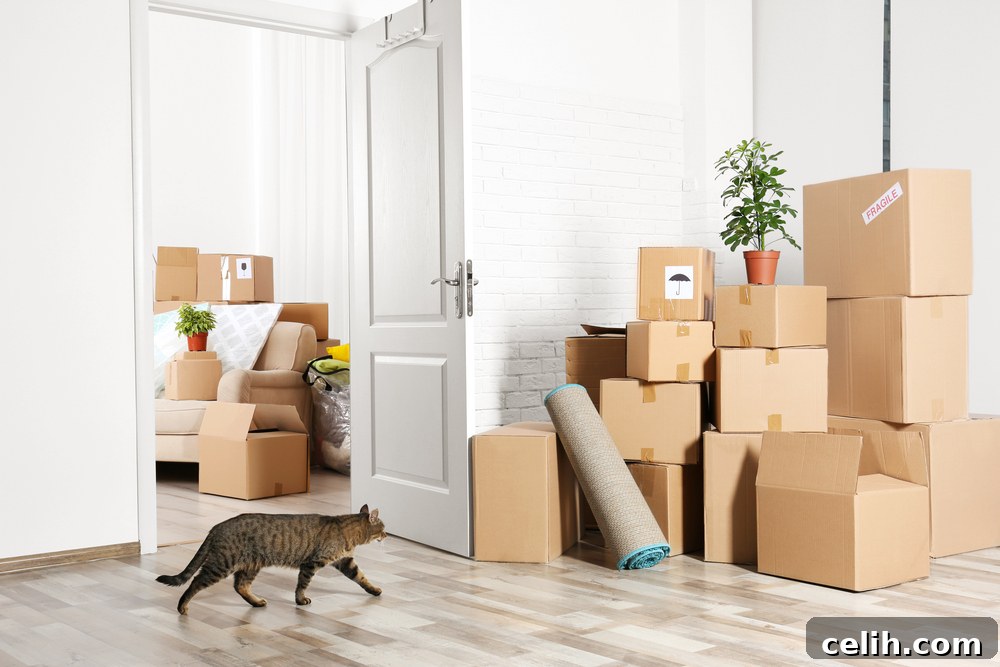
Relocating to a new apartment is an exciting chapter, but the journey to get there can often feel like an insurmountable task. The sheer volume of belongings – from furniture and appliances to clothes you never realized you owned – can quickly lead to feelings of overwhelm and, inevitably, procrastination. Questions like “How many boxes will I need?”, “Which room should I tackle first?”, and “Where do I even begin?” are common culprits that stall the moving process before it even starts.
Fear not! This comprehensive apartment moving checklist is meticulously designed to transform your daunting relocation into a smooth, organized, and considerably less stressful experience. By systematically decluttering unwanted items, packing your possessions in an intelligent order, and thoroughly preparing your new space, you’ll find the entire process flows faster and much more efficiently. Let’s dive in and conquer your move!
Start with a Clean Slate: Declutter Before You Pack
The very first and arguably most crucial step in any successful apartment move is to ruthlessly declutter. Every item you decide to move is an item that needs to be packed, transported, and unpacked, adding unnecessary weight, cost, and effort to your relocation. Begin by methodically sorting through all your possessions with a critical eye.
The “Keep, Donate/Sell, Toss” Method for Efficient Decluttering
An effective strategy is the “three-box method.” As you go through each room, designate three categories: Keep (items you truly need and use regularly), Donate/Sell (items in good condition that you no longer want but could benefit someone else), and Toss (items that are broken, expired, or beyond repair). Start by emptying out closets, drawers, cabinets, and storage spaces, placing everything in one central area before sorting. This visual approach helps you clearly see the true volume of your belongings and make objective decisions.
What to Declutter: A Room-by-Room Guide for Your Apartment Move
- Clothing & Accessories: Be honest about what you’ve worn in the last year. If it hasn’t seen the light of day, it’s likely time to part ways. Consider seasonal items, but only keep what you genuinely love and use.
- Kitchenware & Pantry: Tackle duplicate utensils, chipped mugs, rarely used gadgets, and expired food items or spices. Evaluate small appliances you haven’t used in years.
- Books & Media: Digital alternatives have made physical media less essential. Consider donating books you’ve read or won’t read again. Digitizing old photos or documents can also save significant space.
- Decor & Linens: Worn-out cushions, battered pillows, faded throws, or decor that no longer suits your style can be donated or replaced. For instance, if you’re looking for fresh accents to complement your new home’s aesthetic, you might explore options like the best personalized pillows.
- Garage, Basement, & Storage Units: These areas often become unintentional dumping grounds for unused appliances, old furniture, tools, sporting equipment, and spare parts. Dedicate ample time to clear out these forgotten zones, as they often hold the most hidden clutter.
- Sentimental Items: While important, not every sentimental item needs to be kept. Consider taking photos of items or finding creative ways to preserve memories without keeping every physical object.
Beyond reducing your moving load, decluttering offers a fresh start in your new home. Donating items to charity not only helps others but can also provide a tax deduction. For valuable items, consider selling them online via marketplaces or through a consignment shop. For large volumes of junk, especially from a garage or basement, consider hiring a professional junk removal service. This can save you significant time and effort, ensuring responsible disposal and leaving you with considerably less to move.
Mastering the Art of Packing: Organizing Your Moving Boxes
Once you’ve streamlined your belongings through decluttering, the next step is strategic packing. Efficient organization of your moving boxes is paramount for a smooth transition and easy unpacking. Here’s how to approach it:
Selecting the Right Packing Supplies for Your Apartment Move
- Sturdy Moving Boxes: Invest in high-quality, durable moving boxes. Aim for a variety of sizes – small, medium, large, and extra-large. Small boxes (1.5 cubic feet) are ideal for heavy items like books, tools, or canned goods, preventing them from becoming too cumbersome to lift. Medium boxes (3 cubic feet) are versatile for kitchen items, toys, and linens. Large boxes (4.5 cubic feet) are best for bulky, lighter items like blankets, towels, and pillows.
- Specialty Boxes: Consider wardrobe boxes for hanging clothes (saving time on ironing), dish packs for fragile kitchenware, and mirror/picture boxes for artwork and mirrors. These specialized boxes offer superior protection for delicate or unusually shaped items.
- Essential Packing Materials: Don’t skimp on essentials like heavy-duty packing tape (clear, with a dispenser), ample bubble wrap, packing paper (plain newsprint is excellent for cushioning without ink transfer), stretch wrap for protecting furniture surfaces, and permanent markers for meticulous labeling.
- Clear Plastic Bins: For items you’ll need immediate access to upon arrival or for valuable items requiring extra protection (like important documents, pet supplies, or delicate electronics), clear plastic storage bins with secure lids are invaluable. They are durable, stackable, and allow you to see the contents at a glance.
- Utility Knife and Moving Equipment: A utility knife makes opening boxes easier. For heavy lifting, a hand truck or furniture dolly can be a lifesaver, significantly reducing the risk of back strain and making the move more efficient.
You can find quality moving supplies at most home improvement stores, online retailers, or even some grocery stores. Estimate your needs based on the size of your apartment and the volume of items you have left after decluttering to avoid last-minute supply runs.
Setting the Stage: Preparing Your New Apartment for Move-In Day
Moving into a new place is significantly smoother when the destination is ready for your arrival. Preparing your new apartment in advance minimizes stress and chaos on moving day, ensuring you don’t have to scramble to find space for heavy boxes or deal with last-minute issues like dusty floors or non-functional utilities.
Essential Pre-Move-In Tasks for a Seamless Transition:
- Utility Setup & Transfers: Confirm that electricity, water, gas, and internet services are scheduled to be turned on in your name before you arrive. Nothing is worse than moving into a dark, cold, or disconnected home. Also, arrange for mail forwarding.
- Deep Clean the Apartment: It’s always easier to clean an empty apartment thoroughly. Hire professional cleaners or dedicate time to meticulously clean every room, including floors, baseboards, windows, bathrooms, and the kitchen. This ensures a truly fresh start without inheriting someone else’s grime.
- Address Minor Repairs & Paint: If possible, take care of any minor repairs, touch-up painting, or pest control before your belongings arrive. It’s much simpler to work in an empty space without furniture or boxes in the way.
- Floor Protection: Lay down floor protection (cardboard, old sheets, or moving blankets) in high-traffic areas, especially if you have delicate hardwood or tile flooring. This prevents scratches, scuffs, and dirt accumulation during the move.
- Map Out Furniture Placement: Have a rough idea, or even a detailed floor plan, of where your larger furniture pieces will go. This guides movers (or your helpers) and prevents unnecessary shuffling and potential damage.
- Clear an Unpacking Zone: Designate a central area or a specific room for staging boxes. This keeps pathways clear and provides a focused space to begin the unpacking process efficiently.
- Prepare an “Essentials Box”: This crucial box should contain items you’ll need immediately upon arrival: toiletries, a change of clothes, basic tools (screwdriver, hammer), snacks, water, pet food, medications, phone chargers, and important documents. Keep this box with you in your personal vehicle or clearly mark it as “OPEN FIRST.”
The Detailed Art of Packing Your Moving Boxes for Safety and Efficiency
Now that you have your supplies and a clear plan for your new space, it’s time to meticulously pack. Thoughtful packing safeguards your belongings during transit and makes unpacking infinitely easier, transforming chaos into order.
Smart Packing Strategies for Every Room:
- Inventory and Label Everything Thoroughly: Create a detailed inventory list for each box, especially for high-value items, for insurance purposes and tracking. Label each box clearly with a permanent marker, indicating:
- The room it belongs in: (e.g., “Kitchen,” “Master Bedroom,” “Bathroom,” “Living Room”). This directs boxes directly to their destination.
- A brief list of contents: (e.g., “Pots & Pans,” “Linens & Towels,” “Books & Decor”). This helps identify specific items quickly.
- Special instructions: (e.g., “Fragile,” “This Side Up,” “Heavy,” “OPEN FIRST”). These warnings are critical for safe handling.
- Your name/number: In case boxes get separated during transport.
- Pack Room by Room, Systematically: Focus on one room at a time to stay organized and prevent items from different rooms getting mixed up. Start with items you use least often and save essentials for last.
- Weight Distribution is Key: Always place heavier items at the bottom of the box and lighter, more delicate items on top. This prevents crushing and makes boxes more stable and safer to carry. Never overpack a box to the point where it bulges or is too heavy for one person to lift safely.
- Protect Fragile Items with Care: Wrap all fragile items individually with ample cushioning. Use bubble wrap, packing paper, towels, or blankets. For plates and dishes, wrap each one and stack them vertically (like records in a crate) rather than horizontally to reduce stress. Fill empty spaces in boxes with crumpled paper or soft materials to prevent items from shifting during transport. Consider specialty dish pack boxes for kitchen items.
- Disassemble Furniture Thoughtfully: For larger furniture pieces, disassemble them where possible. Bag and label all screws, bolts, and small parts, taping them securely to the corresponding furniture piece or placing them in your “essentials box” for easy access.
- Keep Important Documents Separate and Secure: Birth certificates, passports, financial records, lease agreements, jewelry, and other vital documents or valuables should be kept in a secure, easily accessible bag or container that stays with you, not on the moving truck.
- Create a “First Night” Box: As mentioned, pack a special box with immediate necessities like toilet paper, basic cleaning supplies, snacks, medicines, a change of clothes, and toiletries.
The Big Day: Moving Your Belongings to Your New Home
Moving day itself can be hectic and challenging, but with proper preparation and a calm, methodical approach, it can be managed efficiently. Whether you’re hiring professional movers or relying on friends and family, these tips will help ensure everything goes smoothly.
Efficient Moving Day Logistics for a Smooth Transition:
- Clear Pathways & Protect Surfaces: Ensure all pathways, both in your old apartment and new, are clear of obstacles. Protect doorways, corners, and banisters with moving blankets or cardboard to prevent scuffs and damage.
- Secure Items in Transit: If you’re moving yourself, carefully load your car or rental truck. Place heavy boxes on the bottom and lighter ones on top. Use ropes, straps, and moving blankets to secure all items, preventing them from shifting or falling during transit. Drive carefully, especially around corners, to minimize movement of your packed belongings.
- Practice Safe Lifting Techniques: When lifting heavy items, always bend with your knees, not your back. Lift steadily and carefully, using your legs. Proper lifting techniques are crucial to avoid injury. Don’t hesitate to ask for help; always use the “buddy system” for large, heavy, or awkward items.
- Consider Professional Assistance: If the thought of heavy lifting, intricate packing, or coordinating complex logistics feels overwhelming, consider contacting reputable moving services companies. Professionals can handle everything from expert packing and careful loading to secure transport and efficient unloading, saving you immense time, effort, and stress.
- Stay Hydrated and Energized: Moving is physically demanding. Keep plenty of water, healthy snacks, and easy-to-grab meals readily available for yourself and anyone helping you. A well-fed and hydrated team is a happy and efficient team.
- Designate a “Point Person”: If you have many helpers, designate one person to direct traffic in both the old and new apartments, ensuring boxes go to the correct rooms and preventing confusion.
Leaving a Good Impression: Cleaning Your Old Apartment
The final step in your relocation journey is ensuring your old apartment is left in pristine condition. This is not only a courtesy to the landlord and future tenants but often a critical requirement for recovering your security deposit. A thorough clean-up demonstrates responsibility and professionalism.
Comprehensive Cleaning Checklist for Your Old Apartment:
- Kitchen:
- Wipe down all countertops, backsplash, and the interior and exterior of cabinets and drawers.
- Thoroughly clean the kitchen sink, ensuring faucets are functioning properly and free of water spots.
- Deep clean the oven, stovetop, and microwave, removing all grease and food residue.
- Empty, wipe down, and disinfect the refrigerator and freezer. Leave the fridge door slightly ajar (with a towel to prevent it from swinging) to prevent mildew and odors from forming.
- Bathrooms:
- Disinfect the toilet, sink, shower, and bathtub, removing all soap scum and hard water stains.
- Clean shower curtains (or replace if disposable) and any other bathroom accessories.
- Wipe down mirrors, countertops, and cabinet interiors.
- All Rooms & General Areas:
- Sweep and vacuum all floors, paying special attention to corners, edges, and under where former furniture was located. If there’s a carpet, vacuum it thoroughly; check your lease for requirements regarding professional carpet cleaning.
- Wipe down all walls, baseboards, and door frames to remove dust, smudges, and fingerprints.
- Clean all windows (interior and exterior if safely accessible) and window sills.
- Dust all light fixtures, ceiling fans, and air vents.
- Address any minor wall marks or scratches. Use touch-up paint, markers, or spackle to cover them if permissible by your lease agreement and if you have the matching paint.
- Remove all trash, recycling, and personal belongings. Do one final sweep through all closets, drawers, cabinets, and behind appliances for any forgotten items.
The Bottom Line: A Smooth Move is Within Reach
Moving to a new apartment is undoubtedly one of life’s more challenging tasks, but it’s far from impossible to achieve with minimal stress. By adopting a methodical approach – from early decluttering to smart, organized packing, and meticulous preparation of both your old and new spaces – you can transform a potentially chaotic event into an organized and efficient relocation. Remember, a truly successful move hinges on careful planning and diligent execution, combined with a positive outlook.
Don’t be disheartened if minor hiccups occur; they are a natural part of any large undertaking. What truly matters is your thoughtful planning and a proactive approach to organizing all your belongings. This thorough preparation ensures you’ll settle into your new apartment without the headache of lost items, forgotten essentials, or unnecessary delays. The goal is to not only move your possessions safely and efficiently but also to set yourself up for a fresh, positive start in your new home, allowing you the peace of mind to later acquire any new furnishings or appliances you might desire, knowing the hard part is done.
Now equipped with this comprehensive guide, you have the knowledge and tools to approach your apartment move with confidence. While you might occasionally need to handle the heavy lifting yourself, with the right attitude, a clear strategy, and this detailed checklist by your side, you’ll navigate the transition smoothly and efficiently, avoiding common pitfalls and unnecessary rushing. Good luck, and welcome to your new home!