
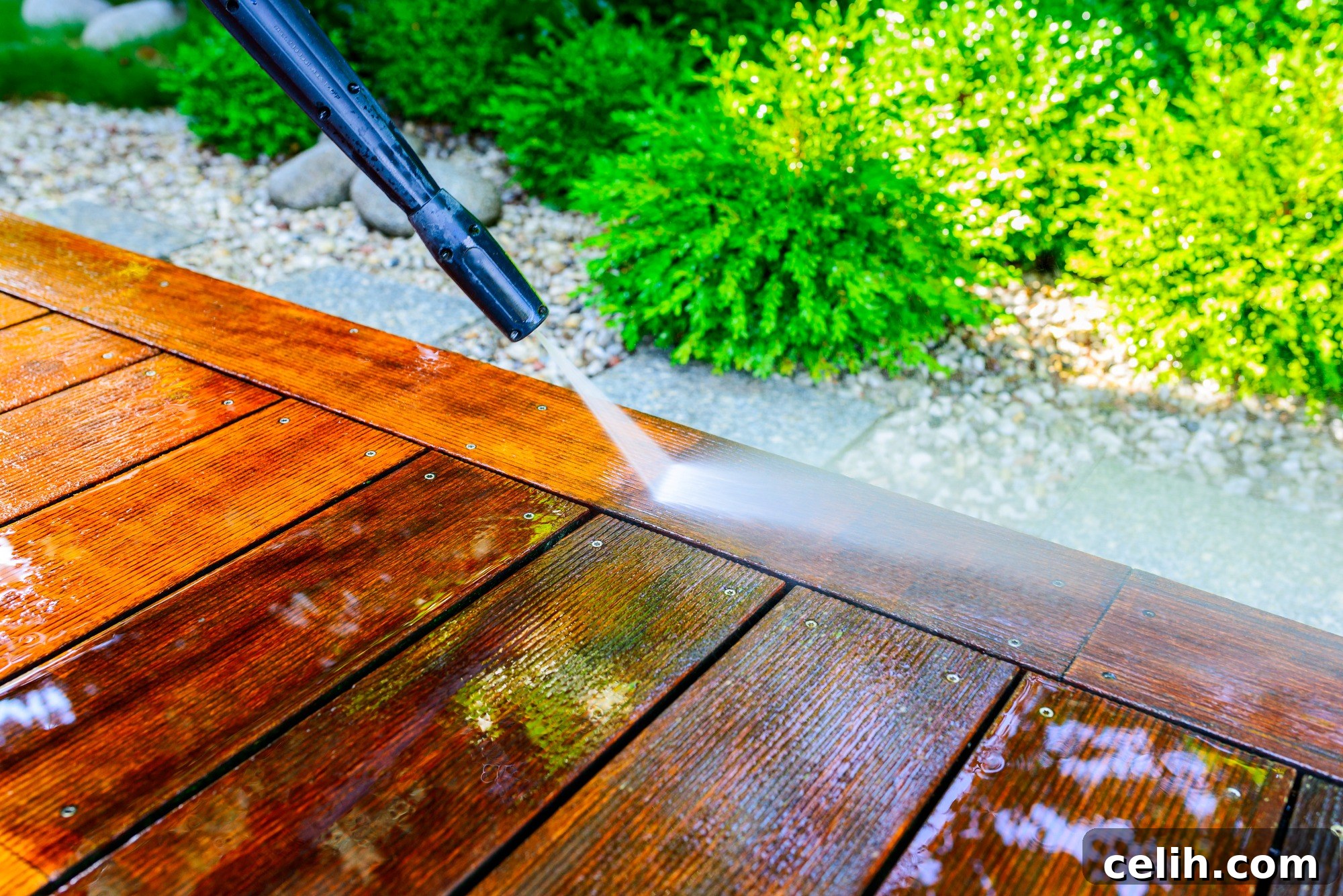
Imagine effortlessly transforming a grimy, stained driveway into a sparkling, welcoming entrance in mere minutes, not hours of back-breaking scrubbing. This isn’t just a fantasy; it’s the tangible reality and powerful advantage of owning a pressure washer. More than just a cleaning tool, a high-quality pressure washer empowers homeowners to reclaim their valuable weekends, saving countless hours typically spent on tedious outdoor maintenance.
Beyond the immediate satisfaction and time savings, investing in a residential pressure washer is a remarkably sound financial decision. When you compare the upfront cost of purchasing your own machine to the recurring expenses of renting equipment or repeatedly hiring professional cleaning services, the long-term value becomes abundantly clear. In most cases, your initial investment will pay for itself after just a few comprehensive cleaning sessions, making it a cost-effective solution for maintaining a pristine home exterior.
Unveiling the True Power: What Most Homeowners Overlook About Pressure Washers
Many first-time users mistakenly believe a pressure washer is simply a more powerful garden hose. This common misconception vastly underestimates the sophisticated engineering behind these powerful cleaning machines. A well-chosen pressure washer doesn’t just deliver water; it projects it at significantly higher pressures (measured in PSI, or pounds per square inch) and volumes (GPM, or gallons per minute) than any standard garden hose could ever achieve. Understanding these metrics and knowing how to select the ideal pressure washer for your specific residential needs is crucial to unlocking its full potential. The benefits of this enhanced cleaning power are immediate and profound:
- **Dramatic Time Savings:** Tasks that once consumed an entire afternoon can now be completed in a fraction of the time, allowing you more leisure hours.
- **Unmatched Stain Removal:** Stubborn dirt, grime, mold, mildew, oil stains, and even years of built-up environmental pollutants that seem permanently etched onto surfaces are effortlessly blasted away.
- **Eco-Friendly Cleaning:** For most routine cleaning jobs, the sheer force of the pressurized water eliminates the need for harsh, potentially damaging chemicals, protecting your landscaping, pets, and family.
Perhaps the most surprising and underappreciated aspect of pressure washers is their incredible versatility. While obvious applications like driveway and siding cleaning spring to mind, these robust tools are capable of much more, tackling a vast array of outdoor cleaning challenges:
- **Furniture Restoration:** Breathe new life into weather-beaten wooden patio furniture, making it look almost new again, even if it seemed beyond saving.
- **Surface Preparation:** Swiftly strip peeling paint from garden fences, decks, or other surfaces, preparing them for a fresh coat with minimal effort.
- **Hazard Removal:** Eradicate slippery moss, algae, and lichens from stone paths, concrete walkways, and brick patios, enhancing safety and curb appeal.
- **Vehicle Cleaning (with Caution):** While effective for cleaning cars, boats, and RVs, extreme caution is paramount. Always use specialized low-PSI nozzles (often 25 or 40-degree), maintain a safe distance from the surface, and avoid directing the stream at sensitive areas like mirrors, seals, or tires. Incorrect use can easily damage paint finishes or delicate components. For dedicated automotive washing, consider units specifically designed for vehicle care with lower, adjustable pressure settings.
- **Grill and Trash Can Sanitization:** Power away grease, food residue, and foul odors from outdoor grills and trash cans, promoting a healthier environment.
- **Gutter Cleaning:** Clear clogged gutters of leaves and debris, preventing water damage to your home’s foundation and exterior.
The Truth About Cost vs. Value: A Smart Investment
Let’s be candid: quality tools rarely come cheap. However, the adage “buy cheap, buy twice” holds particularly true for home maintenance equipment. An initial investment in a durable, high-performance pressure washer might seem significant at first glance, but its true value becomes evident when you factor in the alternatives and the long-term savings.
Consider the cumulative costs of professional cleaning services:
- **Professional Driveway Cleaning:** A single professional pressure washing session for an average-sized driveway can easily exceed the cost of a good mid-range pressure washer, often ranging from $150 to $300 or more.
- **Deck and Patio Services:** Comprehensive deck cleaning and restoration can run into several hundred dollars, depending on size and condition, often starting at $200-$500.
- **Full-House Exterior Washing:** Hiring professionals to clean your entire home’s exterior typically costs several hundred to over a thousand dollars, a recurring expense if done annually.
It’s clear that just one or two professional pressure washing sessions can equal or even surpass the purchase price of your own machine. This means your pressure washer effectively pays for itself after just a handful of uses, transforming from an expense into a valuable asset. Furthermore, ownership grants you unparalleled convenience: the ability to perform quick touch-ups whenever needed, without the hassle of scheduling appointments, waiting for service, or paying for an entire service visit when only a small area requires attention. This on-demand cleaning capability saves both time and money over the lifespan of your home.
Demystifying Pressure Washer Maintenance: Simple Steps for Longevity
Contrary to a common misconception, maintaining a pressure washer is far from complicated. With a few simple steps, you can ensure your unit remains in top working condition for years to come. The specific requirements vary slightly between electric and gas models:
- **For Electric Models:**
- **Proper Storage:** Always store your electric pressure washer indoors, in a garage, shed, or utility closet, especially during colder months to prevent freezing damage.
- **Water Drainage:** After each use, thoroughly drain all water from the pump, hose, and spray wand. Running a pump protector/anti-freeze solution through the pump before winter storage is highly recommended.
- **Connection Checks:** Periodically inspect all connections, hoses, and nozzles for any signs of wear, kinks, or leaks. Replace damaged components promptly.
- **Filter Cleaning:** Check and clean the inlet screen filter on the water connection regularly to prevent debris from entering the pump.
- **For Gas Models:**
- Gas-powered pressure washers require similar basic engine maintenance as other small engine lawn equipment (like lawnmowers). This includes:
- **Oil Changes:** Follow the manufacturer’s recommendations for routine oil changes to keep the engine lubricated and running smoothly.
- **Fuel Management:** Use fresh, stabilized fuel. For extended storage (over 30 days), drain the fuel tank or add a fuel stabilizer to prevent gumming and carburetor issues.
- **Spark Plug & Air Filter:** Periodically inspect and replace the spark plug and clean or replace the air filter for optimal engine performance.
- **Winterization:** In addition to draining water, follow specific winterization procedures for the engine, which often involves fuel treatment and proper storage.
Adhering to these straightforward maintenance practices will significantly extend the life and efficiency of your pressure washer, ensuring it’s ready whenever you need it.
Finding Your Cleaning Champion: A Comprehensive Buyer’s Guide
With a wide array of pressure washers on the market, choosing the right one can feel daunting. It’s important to remember that not all units are created equal, and more power isn’t always the best solution. Excessive pressure can easily damage softer surfaces like wooden decking, delicate paint, or even certain types of siding. The key is to match the tool to the task.
When selecting your ideal pressure washer, consider these critical factors:
- **PSI (Pounds per Square Inch): The Cleaning Powerhouse**
- **Light-Duty (1300-1900 PSI):** Perfect for small patios, outdoor furniture, grills, and vehicle washing.
- **Medium-Duty (2000-2800 PSI):** Ideal for most residential tasks like driveways, sidewalks, siding, and decks. Offers a great balance of power and safety.
- **Heavy-Duty (2900+ PSI):** Best for large properties, tough concrete stains, stripping paint, or commercial applications. Can be overkill for many homeowners.
- **GPM (Gallons per Minute): The Cleaning Speed**
- While PSI determines how much force water hits a surface with, GPM dictates the volume of water used. A higher GPM means you can clean a larger area faster, as more water is being applied simultaneously. Look for a good balance between PSI and GPM for efficient cleaning.
- **Electric vs. Gas: Convenience vs. Raw Power**
- **Electric Pressure Washers:**
- **Pros:** Quieter operation, lighter weight, less maintenance (no fuel/oil), eco-friendly (no emissions), typically more affordable, ideal for smaller tasks and close to an electrical outlet.
- **Cons:** Less powerful than gas models, limited by cord length, generally lower PSI/GPM.
- **Gas Pressure Washers:**
- **Pros:** Significantly more powerful (higher PSI/GPM), cordless freedom, faster cleaning for large areas, tackles the toughest stains.
- **Cons:** Louder, heavier, requires more maintenance (fuel, oil, spark plugs), produces emissions, generally more expensive.
- **Electric Pressure Washers:**
- **Included Attachments and Nozzles:**
- Look for a variety of quick-connect nozzles (0-degree for stubborn spots, 15-degree for heavy-duty, 25-degree for general cleaning, 40-degree for delicate surfaces, and a soap nozzle).
- Consider models that come with a turbo nozzle (for aggressive cleaning of hard surfaces), surface cleaner attachments (for uniform driveway/patio cleaning), or soap tanks/applicators.
- **Weight and Mobility:**
- If you’ll be moving the unit frequently, look for models with large, sturdy wheels and a compact design.
- Hose length and quality are also important for reach and ease of use.
For the vast majority of suburban homeowners, an electric pressure washer with a moderate PSI (around 2000-2500) hits the sweet spot of power, versatility, and ease of use without being overkill. If your property is expansive, features exceptionally tough stains, or requires frequent heavy-duty cleaning, a gas-powered model with higher specifications might be a more suitable choice. Always prioritize models with robust pumps and durable components for long-term reliability.
Safety First: Essential Pressure Washing Precautions
While incredibly effective, pressure washers are powerful tools that demand respect and proper handling to prevent accidents and damage. Always prioritize safety:
- **Personal Protective Equipment (PPE):** Always wear safety glasses or goggles to protect your eyes from flying debris and splash-back. Closed-toe shoes are essential; never operate barefoot or in sandals. Gloves can offer added protection.
- **Check Connections:** Before starting, ensure all hoses, nozzles, and connections are securely fastened to prevent leaks or unexpected disconnections under high pressure.
- **Maintain Distance:** Always start cleaning from a safe distance (typically 12-18 inches) and gradually move closer if more power is needed. This helps prevent damage to surfaces.
- **Proper Nozzle Selection:** Use the widest possible nozzle (e.g., 40-degree or fan spray) for general cleaning and delicate surfaces. Reserve narrow (0 or 15-degree) nozzles for the most stubborn, pinpoint stains on hard, durable materials.
- **Never Point at People or Pets:** The high-pressure stream can cause severe injuries. Treat the wand like a firearm and never point it at anyone.
- **Electrical Safety (Electric Models):** Ensure your electric pressure washer is plugged into a grounded outlet with a Ground Fault Circuit Interrupter (GFCI) to prevent electric shock. Avoid using extension cords unless specifically rated for outdoor use and the appliance’s power requirements.
- **Chemical Use:** If using detergents, ensure they are specifically formulated for pressure washers and follow dilution instructions carefully. Always rinse thoroughly after applying chemicals.
- **Read the Manual:** Always consult your specific pressure washer’s owner’s manual for detailed safety instructions and operational guidelines.
The Unquantifiable Joy: Beyond Just Cleanliness
There’s an undeniable, almost therapeutic satisfaction that comes with witnessing the immediate, dramatic transformation brought about by pressure washing. Few other home maintenance tasks offer such instant before-and-after gratification. The sheer visual impact of watching years of embedded dirt, unsightly mold, and tenacious grime melt away in seconds is incredibly rewarding, fostering a genuine sense of accomplishment.
Many homeowners quickly find themselves looking for additional things to clean after completing their initial projects. It’s oddly addictive to restore surfaces to their original glory, revealing the true beauty of your property that was hidden beneath layers of environmental buildup. This improved curb appeal not only enhances your personal enjoyment of your home but also contributes significantly to its overall property value.
Ultimately, a pressure washer is more than just a tool for superficial cleaning. It’s an investment in efficiency, saving you precious time that can be better spent with family, pursuing hobbies, or simply relaxing. When cleaning tasks become easier and less laborious, they actually get done proactively, rather than being perpetually postponed. And there’s truly nothing quite like the pride you feel when neighbors compliment your “new” driveway, unaware that you’ve merely restored its original splendor with the power of a pressure washer.
Frequently Asked Questions About Pressure Washers
How often should you pressure wash your home’s exterior?
Most residential properties greatly benefit from a thorough exterior pressure washing once a year. This annual cleaning frequency is optimal for preventing the long-term buildup of mold, mildew, algae, dirt, and environmental pollutants that not only detract from your home’s appearance but can also cause gradual damage and deterioration to surfaces like siding, brick, and stucco over time. For homes situated in particularly humid climates, areas with heavy tree cover, or properties prone to rapid organic growth, a twice-yearly cleaning schedule (e.g., spring and fall) may be advisable to maintain optimal cleanliness, prevent staining, and inhibit pest infestations.
Can pressure washers damage concrete or wood?
Yes, pressure washers are powerful tools and can certainly damage surfaces if used improperly. The key to safe and effective cleaning lies in technique and appropriate settings. Always begin with the lowest effective pressure setting and maintain an adequate distance (typically 12-18 inches) from the surface you are cleaning. For more delicate materials like wood decking, fences, or painted surfaces, always use wide-angle nozzles (e.g., 40-degree or specialized wood cleaning nozzles) and keep the spray wand in continuous motion. Avoid concentrating the stream in one spot, as this can gouge wood, strip paint, or even etch concrete. Start in an inconspicuous area to test your settings before tackling the main project.
Are electric pressure washers powerful enough for residential cleaning?
Absolutely, electric pressure washers are more than sufficient for the vast majority of common residential cleaning tasks. They provide excellent cleaning power for driveways, sidewalks, decks, patios, vinyl siding, outdoor furniture, and vehicle washing. Modern electric models offer significant advantages, including quieter operation, lighter weight, easier maneuverability, and minimal maintenance compared to their gas counterparts. For extremely stubborn, deeply embedded stains, very large properties, or heavy-duty commercial applications, gas-powered models with higher PSI and GPM ratings will indeed provide additional raw power. However, for the typical homeowner seeking convenience and effective cleaning, an electric pressure washer is an excellent and practical choice.
Do pressure washers waste a lot of water?
On the contrary, pressure washers are surprisingly water-efficient compared to traditional garden hoses. Despite the perception of a powerful spray, they are designed to clean effectively by relying on concentrated pressure rather than sheer water volume. A standard garden hose can use anywhere from 6 to 12 gallons of water per minute (GPM), often requiring extensive time to clean a surface effectively. Most residential pressure washers, however, use only 1.2 to 2.0 GPM. This means you can clean the same area far more quickly and effectively with significantly less water, making pressure washers both environmentally friendly and economically advantageous for routine home maintenance tasks.
What’s the difference between cheap and expensive pressure washers?
The price difference among pressure washers typically reflects several key factors that influence durability, performance, and overall user experience. Higher-end, more expensive models generally feature superior motor quality (often induction motors in electric units), more robust pump construction (e.g., brass or aluminum pumps instead of plastic), and higher-grade internal components that contribute to a longer lifespan and more consistent pressure output over time. They often include premium features such as longer, non-kinking hoses, more durable spray wands, a wider array of versatile quick-connect nozzles, and enhanced ergonomic designs (e.g., larger wheels, onboard storage for accessories). While a budget-friendly model might suffice for very occasional, light-duty tasks, a mid-range pressure washer usually offers the best balance of quality, durability, and value for the average homeowner seeking reliable performance for regular use.