
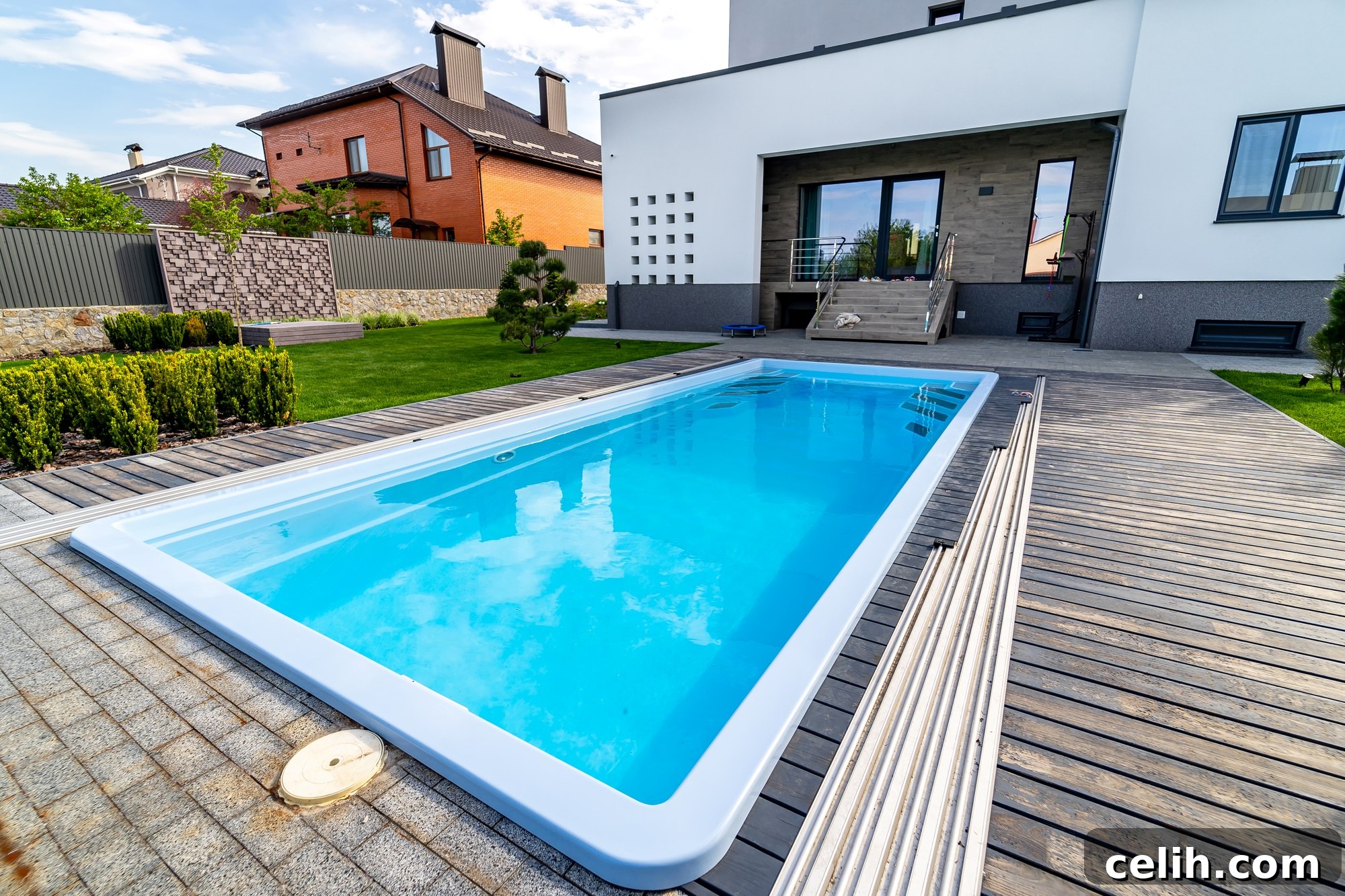
Transforming your backyard into a personal oasis with a swimming pool is a dream for many homeowners. More than just a place to cool off, a well-designed pool can serve as a tranquil retreat, a vibrant hub for recreation, a fitness center, and a beautiful gathering spot for friends, family, and loved ones. However, bringing this vision to life requires meticulous planning and informed decision-making. Before diving into construction, there are several crucial factors to consider to ensure your new pool is not only functional and aesthetically pleasing but also aligns perfectly with your lifestyle, needs, and financial parameters. This comprehensive guide will walk you through six essential elements that will help you navigate the complexities of pool building, ensuring a well-planned, enjoyable, and sustainable outdoor space that truly enhances your home.
1. Budget and Financing: Laying the Financial Foundation for Your Dream Pool
The financial aspect is arguably the most critical starting point for any swimming pool construction project. Building a new pool represents a substantial investment, encompassing a wide range of initial costs and ongoing expenses. Establishing a realistic and comprehensive budget from the outset is paramount, as it will dictate nearly every subsequent decision, from the pool’s size and type to the features and materials you can incorporate. Understanding both the upfront expenditure and the long-term financial commitments is key to avoiding unforeseen financial strain and ensuring a smooth journey to your backyard paradise.
Initial Costs: When planning your pool budget, consider the core construction expenses, which typically include excavation, materials (such as concrete, fiberglass, or vinyl liner), and the skilled labor required for installation. Beyond the basic structure, allocate funds for essential equipment like the pump, filter system, and potentially a heater or automatic cleaner. Permitting and inspection fees, which vary by location, are also non-negotiable. Don’t overlook the surrounding elements that complete your pool area: decking or patio installation, landscaping to integrate the pool seamlessly into your outdoor space, safety features like fencing, and optional enhancements such as lighting, water features, or an outdoor shower. It’s also wise to set aside a contingency fund, typically 10-15% of the total budget, to cover any unexpected challenges like difficult soil conditions or unforeseen design changes.
Ongoing Maintenance Costs: The financial commitment doesn’t end once your pool is built. Ongoing maintenance is crucial for keeping your pool pristine, safe, and operational. These expenses include utilities, primarily electricity for running the pump and heater, and water for refilling. Regular chemical treatments—chlorine, pH balancers, algaecides, and other water quality products—are essential. Factor in the cost of routine cleaning, whether you choose a DIY approach with equipment purchases or opt for professional pool service. Additionally, anticipate potential repairs and replacements over time, such as liner replacements for vinyl pools, equipment upgrades, or resurfacing for concrete pools. Lastly, remember that homeowners’ insurance premiums may increase with the addition of a pool due to increased liability.
Financing Options: For many, financing is an integral part of making a dream pool a reality. Explore various options to find the best fit for your financial situation. Common choices include home equity loans or lines of credit, which leverage the equity in your home and often offer favorable interest rates. Personal loans are another possibility, though they may have higher interest rates. Some pool contractors also offer their own financing plans or work with preferred lenders. Carefully research each option, compare interest rates, terms, and repayment schedules to make an informed decision that supports your long-term financial health.
2. Space and Location: Optimizing Your Backyard for the Perfect Pool
The physical characteristics of your backyard and the strategic placement of your pool are foundational considerations that profoundly impact its usability, safety, aesthetics, and overall integration with your property. Before any digging begins, a thorough assessment of your outdoor space is critical to ensure the chosen pool size and design will fit harmoniously and functionally within your landscape.
Comprehensive Yard Assessment: Begin by accurately measuring the available space in your yard. This isn’t just about length and width; consider the overall shape of your yard and how a pool will interact with existing structures, gardens, or future expansion plans. Analyze the topography of your land; sloped yards may require more extensive excavation, retaining walls, or specialized designs, which can add to costs. Understanding your soil type is also crucial, as different soil compositions can affect excavation difficulty and the stability of the pool’s foundation. Good drainage is vital to prevent water accumulation around the pool deck or foundation, so assess existing drainage patterns and consider necessary improvements.
Optimal Pool Placement: The exact location of your pool within the yard plays a significant role in its daily enjoyment and efficiency. Maximize sunlight exposure to naturally warm the water, extending your swimming season and potentially reducing heating costs. Conversely, consider prevailing wind patterns; strategic placement or the addition of windbreaks (like landscaping or fencing) can reduce evaporation and heat loss. Evaluate privacy from neighbors and street views; the pool should offer a sense of seclusion and relaxation. Proximity to your home is also a practical concern, providing easy access to changing areas, restrooms, and utilities like water and electricity for equipment. Think about the views from inside your home looking out at the pool, and vice-versa, aiming for an aesthetically pleasing connection with your living spaces.
Navigating Regulations and Utilities: Before finalizing any plans, delve into local zoning laws and building codes. These regulations often dictate essential elements such as setback requirements (how far the pool must be from property lines or your house), maximum pool size, and specific safety features. Investigate any easements on your property, which are legal rights for utility companies or neighbors to access a portion of your land, as these can restrict construction. Crucially, always contact your local “Dig Safe” or 811 service before any excavation to identify the exact location of underground utilities—gas lines, water pipes, electrical conduits, sewage systems, and communication cables—to prevent dangerous and costly accidents. Additionally, check for overhead power lines that might interfere with construction or future pool equipment.
Seamless Landscape Integration: Your new pool should not exist in isolation but rather as an integral part of your outdoor living space. Consider how it will connect with existing patios, outdoor kitchens, dining areas, or future landscaping projects. The goal is to create a cohesive and inviting environment that flows naturally from one zone to another. A well-integrated pool design enhances the overall beauty and functionality of your entire property, maximizing its appeal and value.
3. Pool Type and Design: Crafting Your Ideal Aquatic Retreat
Selecting the right pool type and design is a pivotal decision that will shape your swimming experience for years to come. This choice must align with your lifestyle, complement your home’s architecture, maximize the utility of your space, and ultimately ensure a safe, enjoyable, and enduring outdoor experience. A myriad of options exist, each with its own advantages in terms of construction, aesthetics, and functionality.
Exploring Pool Types by Construction:
- Inground Pools: These are the most common and offer the greatest customization.
- Concrete (Gunite/Shotcrete): Known for their unparalleled durability and design flexibility. Concrete pools can be molded into any shape, size, or depth, allowing for truly bespoke designs. They offer a wide range of interior finishes, including plaster, tile, and pebble, providing diverse aesthetic options. While they boast the longest lifespan and allow for intricate features like tanning ledges and integrated spas, they typically have the highest initial cost and the longest construction timeline.
- Fiberglass: Constructed from a pre-fabricated fiberglass shell, these pools are installed much more quickly than concrete pools. Their smooth, non-porous surface is resistant to algae growth, meaning less chemical usage and easier cleaning. Fiberglass pools are highly durable and comfortable underfoot. However, they come in pre-determined shapes and sizes, offering less design flexibility than concrete, and the initial choice is limited by available molds.
- Vinyl Liner: These pools feature a frame of steel or polymer walls supported by a concrete base, over which a custom-fit vinyl liner is installed. Vinyl liner pools are often a more affordable inground option initially and offer good design flexibility in terms of shape. The liner itself is smooth and comfortable, and available in various patterns. While the initial cost is lower, the vinyl liner typically needs replacement every 7-15 years, which is an additional long-term expense.
- Above-Ground Pools: These are the most budget-friendly and quickest to install, often making them a popular choice for families looking for immediate enjoyment. They are less permanent and can be a DIY project, but offer limited depth, features, and design integration compared to inground options.
- Semi-Inground Pools: A hybrid option, these pools are partially submerged into the ground, offering some of the aesthetic benefits of an inground pool with potentially lower costs and quicker installation than fully inground counterparts.
Design and Functional Considerations:
- Intended Usage: How do you envision using your pool? If lap swimming is a priority, a rectangular shape with sufficient length will be ideal. For family fun and recreation, a freeform pool with varying depths, a shallow play area, and a deeper end for diving might be preferred. If relaxation is key, consider features like tanning ledges, built-in spas, or gentle water features.
- Aesthetic Appeal: Your pool’s design should harmonize with your home’s architectural style and your personal taste. Options range from sleek and modern, geometric designs to more traditional, resort-style oases, or even naturalistic pools that blend seamlessly into the landscape with rock formations and lush plantings.
- Desirable Features: Elevate your pool experience with various features. Waterfalls and jets add visual and auditory appeal. Tanning ledges (or baja shelves) provide a shallow area for lounging. Built-in spas offer hydrotherapy and relaxation. Beach entries create a gradual slope into the pool, mimicking a natural shoreline. Integrated lighting systems can transform your pool into a magical night-time spectacle. Consider smart pool technology for automated cleaning, chemical balancing, and remote control for ultimate convenience.
- Shape and Depth: Beyond standard rectangles, explore L-shaped, kidney-shaped, or entirely freeform designs. The depth profile is also important; a single depth pool may be good for specific uses, while a varied depth allows for different activities, from shallow play to deeper swimming.
To make informed decisions, explore different online platforms, visit local pool showrooms, and browse design magazines for inspiration. Discuss your vision with reputable pool designers and contractors, who can offer expert advice tailored to your specific backyard and preferences. The right pool design will not only meet your functional needs but also create a captivating focal point for your outdoor living space.
4. Safety: Protecting Loved Ones Around Your Pool
When embarking on a swimming pool construction project, prioritizing safety is not merely a recommendation—it is an absolute imperative. A pool, while a source of immense enjoyment, also presents inherent risks, particularly for children and pets. Implementing robust safety measures is paramount to prevent drowning, injuries, and other accidents, ensuring peace of mind for you and your family. Adhering to local regulations and incorporating essential safety features from the outset is a non-negotiable aspect of responsible pool ownership.
Adherence to Local Regulations and Standards: Before any groundbreaking, it is crucial to thoroughly research and understand all local safety regulations, building codes, and zoning laws. These legal frameworks are designed to protect pool owners and users and dictate critical aspects such as pool placement, minimum setbacks, and most importantly, mandatory safety requirements. These often include specific fencing height and design, gate specifications (e.g., self-closing, self-latching mechanisms), and alarm systems. Failure to comply with these regulations can result in significant fines, construction delays, and even legal liabilities. Consult with your pool contractor and local authorities early in the planning process to ensure your design meets or exceeds all mandated safety standards, including guidelines set by organizations like the Pool & Hot Tub Alliance (PHTA) or federal acts like the Virginia Graeme Baker Pool & Spa Safety Act for drain covers.
Essential Safety Features to Integrate:
- Secure Fencing: A four-sided isolation fence that completely separates the pool area from the house and the rest of the yard is arguably the most critical safety barrier. The fence should be at least four feet high (or as mandated by local code), non-climbable, and equipped with self-closing and self-latching gates that open outwards and have latches positioned out of a child’s reach.
- Alarms and Monitoring Systems: Supplement physical barriers with alarms. Door alarms on all house exits leading to the pool can alert you if a child accesses the pool area. Pool alarms, which detect disturbances on the water’s surface or sub-surface movement, can provide an early warning system.
- Safety Covers: When the pool is not in use, especially during the off-season, a robust safety cover is essential. Mesh or solid safety covers are designed to bear weight and prevent accidental entry. Automatic pool covers offer daily convenience, preventing access, reducing evaporation, and retaining heat, all at the push of a button.
- Anti-Entrapment Drain Covers: Modern pool drains must comply with anti-entrapment standards (such as the Virginia Graeme Baker Pool & Spa Safety Act in the U.S.) to prevent suction entrapment. Ensure your pool’s main drain covers are certified and regularly inspected.
- Clear Signage and Depth Markers: Install “No Diving” signs in shallow areas and clearly mark pool depths to inform users and prevent diving accidents.
- Emergency Safety Equipment: Keep easily accessible safety equipment near the pool, including life rings or throw bags, a shepherd’s hook (a long pole with a blunt hook for reaching someone in distress), and a well-stocked first-aid kit. Ensure there’s a readily available emergency phone or access to one.
Beyond Physical Barriers: While physical safety features are critical, human vigilance remains the most important safety measure. Never leave children unsupervised near the pool, even for a moment. Enroll all family members, especially children, in swimming lessons. Learn CPR and basic first aid. Educate everyone who uses the pool about safety rules and potential dangers. Finally, store all pool chemicals and equipment securely, out of reach of children and pets, to prevent accidental exposure or injury.
By thoughtfully integrating these safety measures into your pool design and developing a culture of safety around your pool, you can create a beautiful and secure environment for everyone to enjoy.
5. Maintenance: Ensuring a Sparkling, Healthy, and Long-Lasting Pool
Maintenance is an indispensable factor to consider throughout the entire pool construction process, not just after it’s built. A well-maintained pool remains a pristine, clean, and safe haven for relaxation and recreation, while neglected pools can quickly become health hazards, eyesores, and sources of costly repairs. Planning for routine care and understanding the commitment involved will ensure your investment provides years of trouble-free enjoyment and retains its value.
Developing a Comprehensive Maintenance Schedule: Proactive planning for pool upkeep is crucial. A structured maintenance schedule will help you stay on top of necessary tasks and prevent issues before they escalate. This schedule should encompass:
- Daily/Weekly Tasks: Regular skimming to remove leaves and debris from the water surface is essential. Brushing the walls and floor of the pool helps prevent algae growth and keeps surfaces clean. Weekly vacuuming, either manually or with an automatic cleaner, removes settled dirt. The most critical weekly task is water chemistry testing. You’ll need to regularly test and balance pH, chlorine levels, alkalinity, calcium hardness, and cyanuric acid to ensure the water is healthy and safe for swimming, and to prevent damage to equipment and pool surfaces. Always check the water level and replenish as needed, and remember to empty skimmer and pump baskets.
- Monthly/Quarterly Tasks: Your filter system requires attention beyond daily skimming. Depending on the filter type (cartridge, D.E., or sand), this will involve backwashing, chemical cleaning, or media replacement at regular intervals. It’s also wise to conduct a thorough visual inspection of all pool equipment – pump, heater, lights, and automatic cleaner – to catch any signs of wear or malfunction early.
- Annual Tasks: Preparing your pool for the off-season (winterizing) and reopening it for spring requires specialized knowledge and effort. This includes balancing chemicals, lowering water levels, cleaning and storing equipment, and installing a safety cover. Annually, consider a professional inspection of your pool’s structure and equipment to identify potential leaks or issues that might not be obvious during routine checks.
Essential Maintenance Equipment: To effectively maintain your pool, you’ll need a basic set of tools. This typically includes a telescoping pole with attachments like a skimmer net, a wall brush, and a vacuum head. A reliable water test kit (strips or liquid) is fundamental for chemical balancing. Of course, a supply of pool chemicals suitable for your water type and local conditions is necessary. Many pool owners also invest in an automatic pool cleaner (robotic, suction-side, or pressure-side) to significantly reduce manual vacuuming time.
DIY vs. Professional Pool Service: Deciding whether to handle pool maintenance yourself or hire a professional service depends on your time availability, comfort level with chemicals, and budget. DIY maintenance can save money but requires a significant time commitment and a willingness to learn about pool chemistry and equipment. Professional pool services offer convenience and expertise, ensuring consistent care and often identifying problems before they become severe, but they represent an ongoing operational cost.
The Impact of Design Choices on Maintenance: Your initial design choices can influence future maintenance. For example, darker pool finishes may absorb more heat but can sometimes make it harder to spot debris. Certain landscaping around the pool (e.g., deciduous trees) might lead to more leaf debris in the water. Incorporating smart pool technology, such as automated chemical feeders, robotic cleaners, or remote monitoring systems, can significantly reduce manual effort and provide greater control over your pool’s upkeep, making maintenance more efficient and less burdensome.
By integrating maintenance considerations into your initial planning, you can select features and materials that are easy to care for, budget for the necessary supplies and services, and ultimately enjoy a pristine and inviting pool environment with minimal hassle.
6. Contractors: Choosing the Right Partner for Your Pool Project
The success of your swimming pool construction project hinges significantly on the expertise and reliability of the pool builder you choose. A reputable and experienced contractor is more than just a service provider; they are a partner who translates your vision into reality, navigates complex logistics, ensures structural integrity, and delivers a high-quality finished product that meets your expectations and stands the test of time. Selecting the right professional is a critical step that demands careful research and due diligence.
The Importance of Choosing Wisely: Your pool contractor will be responsible for everything from excavation and plumbing to electrical work, decking, and final finishes. Their experience directly impacts the quality of workmanship, adherence to your budget and schedule, compliance with safety standards, and ultimately, your long-term satisfaction with the pool. An unreliable or inexperienced contractor can lead to costly delays, subpar construction, unexpected expenses, and a frustrating building experience.
Thorough Research and Vetting Process:
- Experience and Reputation: Look for contractors with a proven track record in your local area. How long have they been in business? Do they specialize in the type of pool you envision (e.g., concrete, fiberglass)? Check online reviews (Google, Yelp, BBB) and local community forums for insights into their reputation, customer service, and problem-solving abilities.
- Licensing and Insurance: This is non-negotiable. Verify that the contractor holds all necessary state and local licenses for pool construction. Crucially, ensure they carry adequate liability insurance and workers’ compensation insurance. This protects you from financial responsibility in case of accidents or damage during the construction process. Don’t hesitate to ask for proof of insurance.
- References and Portfolio: A trustworthy contractor will be happy to provide a list of recent references. Take the time to contact these past clients and ask specific questions about their experience: Was the project completed on time and within budget? Was communication clear? How were any issues handled? Did the contractor stand by their work after completion? Additionally, review their portfolio of completed projects to assess the quality of their work and see if their aesthetic aligns with your vision.
- Accreditations and Professional Affiliations: Membership in industry associations, such as the Pool & Hot Tub Alliance (PHTA), indicates a commitment to professional standards, ongoing education, and ethical business practices.
Obtaining and Evaluating Quotes and Contracts:
- Multiple Detailed Quotes: Always obtain at least three comprehensive quotes from different reputable contractors. These quotes should be highly detailed, itemizing all aspects of the project, including excavation, materials (specifying brands and grades), equipment (pump, filter, heater), decking, fencing, water features, lighting, and labor costs.
- Compare Scope of Work: Carefully compare what each quote includes. A lower bid might indicate that certain essential items or features are excluded, leading to hidden costs later. Ensure all contractors are quoting on the same specifications and scope of work to allow for a true apples-to-apples comparison. Discuss payment schedules; avoid contractors who demand a very large upfront payment.
- Comprehensive Contract: Once you’ve chosen a contractor, ensure a robust written contract is in place before any work begins. This contract should clearly outline:
- The complete scope of work, including all specifications and materials.
- A detailed payment schedule with specific milestones.
- A clear project timeline with start and estimated completion dates.
- Procedures for handling change orders (any modifications to the original plan).
- Warranties for both materials and labor.
- Provisions for lien waivers to protect you from subcontractors placing liens on your property if they are not paid by the main contractor.
- Communication: Clear and consistent communication is the cornerstone of a successful project. Ensure your chosen contractor is responsive, transparent, and proactive in keeping you informed about progress, challenges, and next steps throughout the entire construction phase.
By diligently vetting and selecting a qualified pool contractor, you lay the groundwork for a smooth, efficient, and satisfying pool building experience, culminating in a beautiful and enduring addition to your home.
Final Thoughts: Dive into Your Backyard Dream with Confidence
The journey to building a swimming pool is a significant undertaking, but the rewards are immeasurable. A thoughtfully designed and expertly constructed pool offers a multitude of benefits that extend far beyond simple recreation. It becomes a personal sanctuary for relaxation, a vibrant hub for family fun and social gatherings, and a convenient amenity for improving health and fitness through regular exercise. Furthermore, a well-integrated and aesthetically pleasing pool can significantly enhance your home’s curb appeal and substantially increase its property value, making it a wise long-term investment.
By meticulously considering these six vital factors—budget and financing, space and location, pool type and design, safety features, ongoing maintenance, and the selection of a reputable contractor—you empower yourself to make informed decisions at every stage of the project. This proactive approach ensures a smooth, enjoyable pool building experience, minimizing potential pitfalls and maximizing satisfaction. The result will be a stunning, functional, and safe aquatic retreat that not only meets but exceeds your expectations, truly transforming your backyard into the dream oasis you’ve always envisioned. Start planning today, and prepare to dive into a world of endless enjoyment and lasting memories right at home.