
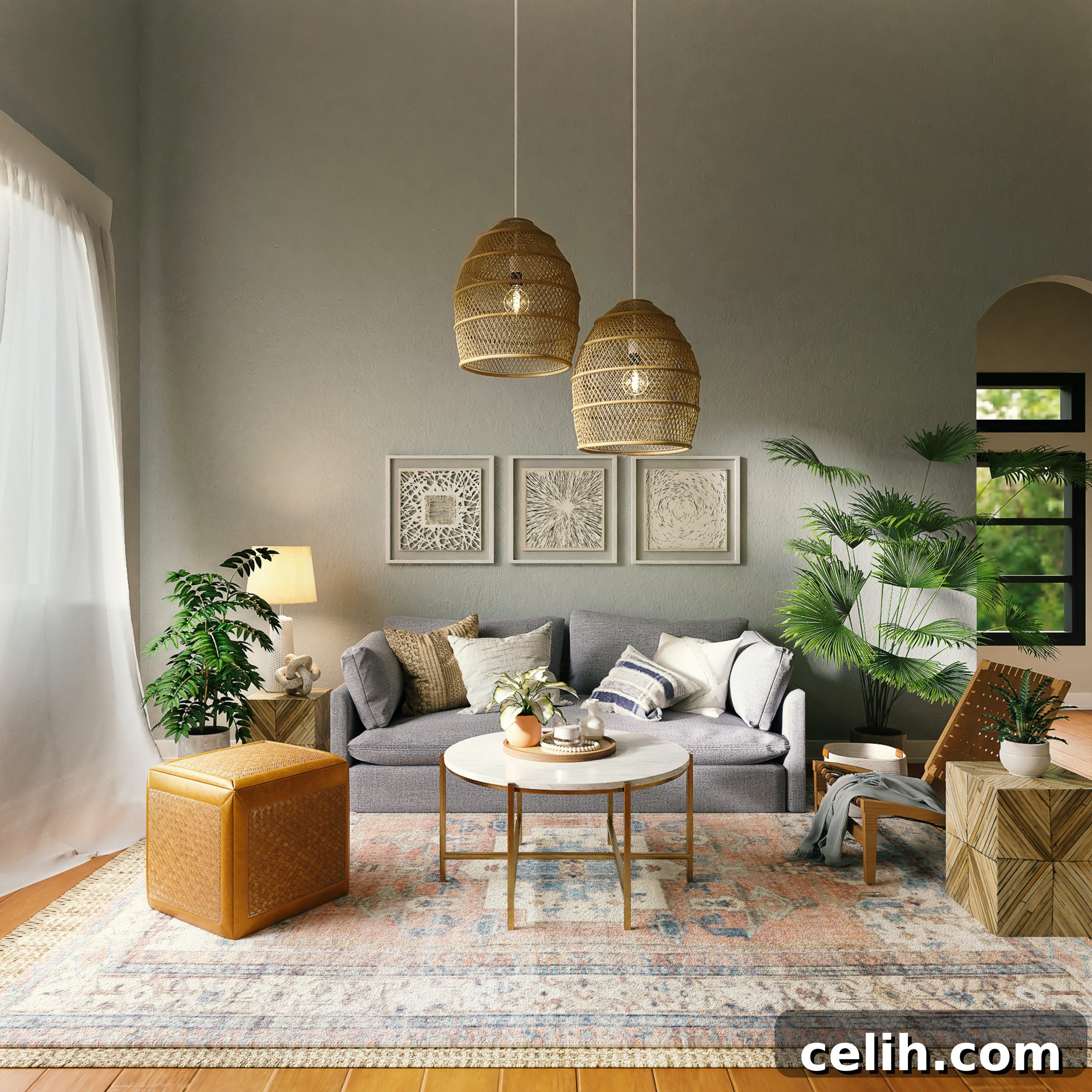
Timeless Echoes: Retro Interior Design Styles Making a Grand Comeback
The world of fashion and design is a vibrant tapestry woven with threads of history, constantly reinterpreting past aesthetics for contemporary tastes. Trends, like seasons, are inherently cyclical. What was once considered the pinnacle of style in the 1980s, for instance, experienced a resurgence in popularity over the last decade. We saw music enthusiasts rekindle their passion for vinyl records, while bold neon patterns adorned everything from clothing to home decor, proving that nostalgia is a powerful force.
Today, the compass of design seems to be pointing firmly towards the distinctive aesthetics of the 90s and early 2000s. This era, characterized by a blend of comfort, practicality, and emerging digital influences, is now inspiring a fresh wave of interior design choices. From classic textures to forgotten functional elements, we’re witnessing a fascinating revival. Let’s delve into some of the most prominent interior design styles and elements that are not just returning, but are being embraced with renewed enthusiasm in modern homes, proving that good design truly stands the test of time.
The Enduring Charm of Wood Panelled Kitchens
Remember the warmth and inviting appeal of wood panelled kitchens? Far from being a relic of the past, wooden kitchen cabinets and surfaces are making a significant and stylish comeback. This trend, deeply rooted in mid-century design, is no longer just a nostalgic nod; it’s a sophisticated choice for homeowners seeking a blend of classic elegance and natural appeal.
In the early 1960s, a lighter color palette, often achieved with natural wooden worktops and cabinetry, was all the rage. This wasn’t merely an aesthetic choice; it was driven by necessity. With less powerful artificial lighting available, lighter wood surfaces helped to amplify the natural light in a room, creating a brighter, more expansive feel. Fast forward to today, and while our lighting technology has advanced considerably, the intrinsic appeal of wood remains.
Modern interpretations of wood panelled kitchens offer a refreshing alternative to the ubiquitous all-white or minimalist grey schemes that have dominated for years. Homeowners are now opting for natural wood finishes, from rich walnuts to lighter oaks, to introduce texture, depth, and a sense of organic luxury into their cooking spaces. This return to natural materials aligns perfectly with a growing desire for authenticity and sustainability in home design. Expect to see a proliferation of kitchens featuring beautifully crafted wooden cupboards and integrated surfaces, transforming these functional spaces into cozy, sophisticated havens. The current trend emphasizes both practicality and timeless beauty, proving that some styles are simply too good to fade away.
Sofa Covers: A Revival of Practical Style
Sofa covers, or slipcovers as they are often called, were initially born out of necessity rather than a pure fashion statement. These versatile fabric additions were a common sight in 1970s homes, celebrated for their exceptional practicality. If a spill occurred or general wear and tear became apparent, the solution was simple: strip off the cover and wash it, or replace it entirely. This made them a far more economical and convenient option than investing in a new sofa whenever damage or stains occurred. Their ability to protect and prolong the life of expensive furniture made them an indispensable item for many households.
However, as the 1980s dawned, the popularity of sofa covers waned, largely disappearing from modern homes in favor of more tailored, fixed upholstery. It’s a shame, considering the undeniable utility they offered. But, as with all good things, the sofa cover is now slowly but surely re-entering the public consciousness, reimagined for the contemporary homeowner.
Today, the renewed interest in sofa covers is fueled by a desire for both functionality and aesthetic versatility. Homeowners are embracing the idea of owning multiple covers in different colors, textures, and patterns, allowing them to effortlessly refresh their living room’s look with the changing seasons or moods. This approach not only provides exceptional protection against daily messes, especially in homes with children or pets, but also offers an affordable way to update decor without committing to a new piece of furniture. Modern slipcovers are available in a vast array of durable, washable fabrics, from luxurious velvets to breathable linens, ensuring they remain as useful and adaptable as ever, perfectly aligning with a conscious consumer lifestyle that values longevity and adaptable design.
Brass: A Touch of Timeless Elegance
Stepping into the bathroom, you might initially feel perplexed by the idea of replacing the dependable, easy-to-clean stainless steel fixtures. For years, stainless steel has been the undisputed champion of modern bathroom design, celebrated for its sleek lines and hygienic properties. However, a significant shift is underway in what homeowners consider stylish and desirable for their private sanctuaries. While stainless steel undeniably offers reliability and a clean aesthetic, it often contributes to a cooler, sometimes sterile, atmosphere within a room.
This is precisely why brass, with its inherent warmth and sophisticated appeal, is making a monumental comeback in contemporary interior design. Brass is a material imbued with character, offering a darker, richer hue compared to its chrome and stainless steel counterparts. This distinct color translates into a visually warmer effect, transforming a potentially cold bathroom into a more inviting and luxurious space. Imagine stepping out of a warm shower into the gentle, sophisticated glow cast by brass fixtures – it’s an experience that exudes comfort and elegance.
Beyond its aesthetic warmth, brass offers practical advantages. Its natural patina develops beautifully over time, adding to its vintage charm, and it tends to conceal water spots and minor imperfections more effectively than highly reflective steel, potentially reducing the perceived frequency of cleaning. Modern brass finishes range from highly polished and gleaming to matte, brushed, or even antiqued, providing versatile options to complement any bathroom style, from industrial chic to classic opulence. Its presence elevates the overall design, proving that functionality can coexist beautifully with timeless elegance.
Wicker: The Natural Weave of Modern Homes
Wicker furniture has often been considered the “boomerang” of home decor, consistently returning to the forefront of design trends. Its journey began in the 1930s as an affordable and accessible method for crafting lightweight yet durable furniture. It experienced a major resurgence in the vibrant, naturalistic aesthetics of the 1970s, only to make another notable comeback in the late 1980s. While wicker has always maintained a strong presence in outdoor and garden furniture settings, its presence indoors seemed to largely diminish by the time the minimalist 1990s took hold.
However, the narrative has shifted once again. It’s time to venture into the attic or scour vintage markets, because wicker is emphatically making its way back into our living spaces, becoming a preferred choice for indoor seating and decorative accents. This natural, woven material perfectly aligns with many contemporary design philosophies, particularly the current embrace of minimalism, organic textures, and bohemian influences. Its light, airy appearance and natural texture provide a gentle contrast to more rigid or artificial materials, bringing a sense of calm and an connection to nature indoors.
The versatility of wicker is one of its strongest assets. From iconic hanging chairs and cozy armchairs to decorative baskets, room dividers, and light fixtures, wicker seamlessly integrates into various design styles, including Scandinavian, coastal, and even contemporary urban environments. Its sustainable appeal, often crafted from fast-growing, renewable resources like rattan, bamboo, or willow, further solidifies its place in eco-conscious design. Despite its long history, wicker continues to feel fresh and relevant, proving that simple, well-crafted materials possess an enduring charm that no “equally minimalist alternative” has quite managed to replace.
Arcade Machines: Reliving the Golden Age of Gaming at Home
The previous decade witnessed the triumphant return of vinyl records to our shelves, fueled by improved audio technology and a fervent desire for tangible, nostalgic experiences. This resurgence proved that sometimes, older forms of entertainment hold a unique magic that modern innovations can’t quite replicate. Now, our collective obsession with technology and nostalgia is advancing further in time, as people increasingly look to the late 1980s for their entertainment fix.
This period was the golden age of the arcade, a vibrant and energetic domain where the dedicated video game player was king. Crowded with flashing lights, cacophonous sound effects, and the thrill of high scores, arcades were social hubs and testaments to nascent digital entertainment. Today, the dream of owning a piece of that history is more accessible than ever before. The complexity of replicating these iconic machines has significantly decreased, allowing enthusiasts to easily integrate authentic or custom-built arcade cabinets into their own homes.
Businesses like Arcade Depot (available at thedepot.uk) are at the forefront of this trend, offering a wide array of classic cabinets featuring beloved games such as Pac-Man, Space Invaders, and Donkey Kong, often updated with modern evolutions. This means you can find arcade machines that not only play hundreds of retro titles but also serve as functional furniture, like tables, all in perfect working condition. A home arcade machine is more than just a gaming console; it’s a statement piece, a conversation starter, and a fantastic way to create a dedicated entertainment zone. It’s a testament to how far video game technology has come in forty years, while celebrating the timeless appeal of its origins.
House Plants: Bringing Biophilic Beauty Indoors
In an increasingly conscious world, the movement towards more eco-friendly and sustainable living continues to gain momentum. This global shift is profoundly influencing interior design, manifesting in a widespread embrace of houseplants as essential elements within living spaces. While often perceived as a modern trend, houseplants were actually all the rage in the 1970s, predominantly used to draw attention to specific areas or add vibrant splashes of color and life to a room.
Today, the inclusion of houseplants extends far beyond mere aesthetics; it’s a practice deeply rooted in the principles of biophilic design – the concept that humans have an innate tendency to connect with nature. Introducing greenery into the home offers a multitude of tangible benefits. Beyond their obvious visual appeal, which injects freshness and vitality, many plants are renowned for their air-purifying qualities, helping to remove toxins and improve indoor air quality. Studies have also shown that the presence of plants can reduce stress, boost mood, and even increase productivity, making them invaluable additions to any home office or relaxation zone.
From towering fiddle leaf figs and majestic monsteras to delicate succulents and trailing ivies, there’s a houseplant for every space, light condition, and level of commitment. They complement natural materials beautifully, creating a harmonious and serene environment. This splash of greenery is both beneficial for personal well-being and the perceived environment of a room, and coincidentally, they pair wonderfully with the resurgence of wicker furniture and other organic textures, solidifying their status as a timeless and essential component of thoughtful interior design.
Embracing the Cycles of Style
The cyclical nature of trends means that what was once fashionable will inevitably find its way back into our hearts and homes. While you certainly don’t have to adopt every single design trend that emerges, these examples illustrate the enduring appeal of certain aesthetics. From the robust charm of wood panelled kitchens to the practical elegance of sofa covers, the warm sophistication of brass, the organic texture of wicker, the playful nostalgia of arcade machines, and the life-enhancing beauty of houseplants, these returning styles offer fantastic opportunities. They allow you to infuse your living space with character, comfort, and a touch of history, all while staying wonderfully in tune with contemporary design sensibilities. Choose the elements that resonate most with you, and create a home that truly reflects your unique style for years to come.