
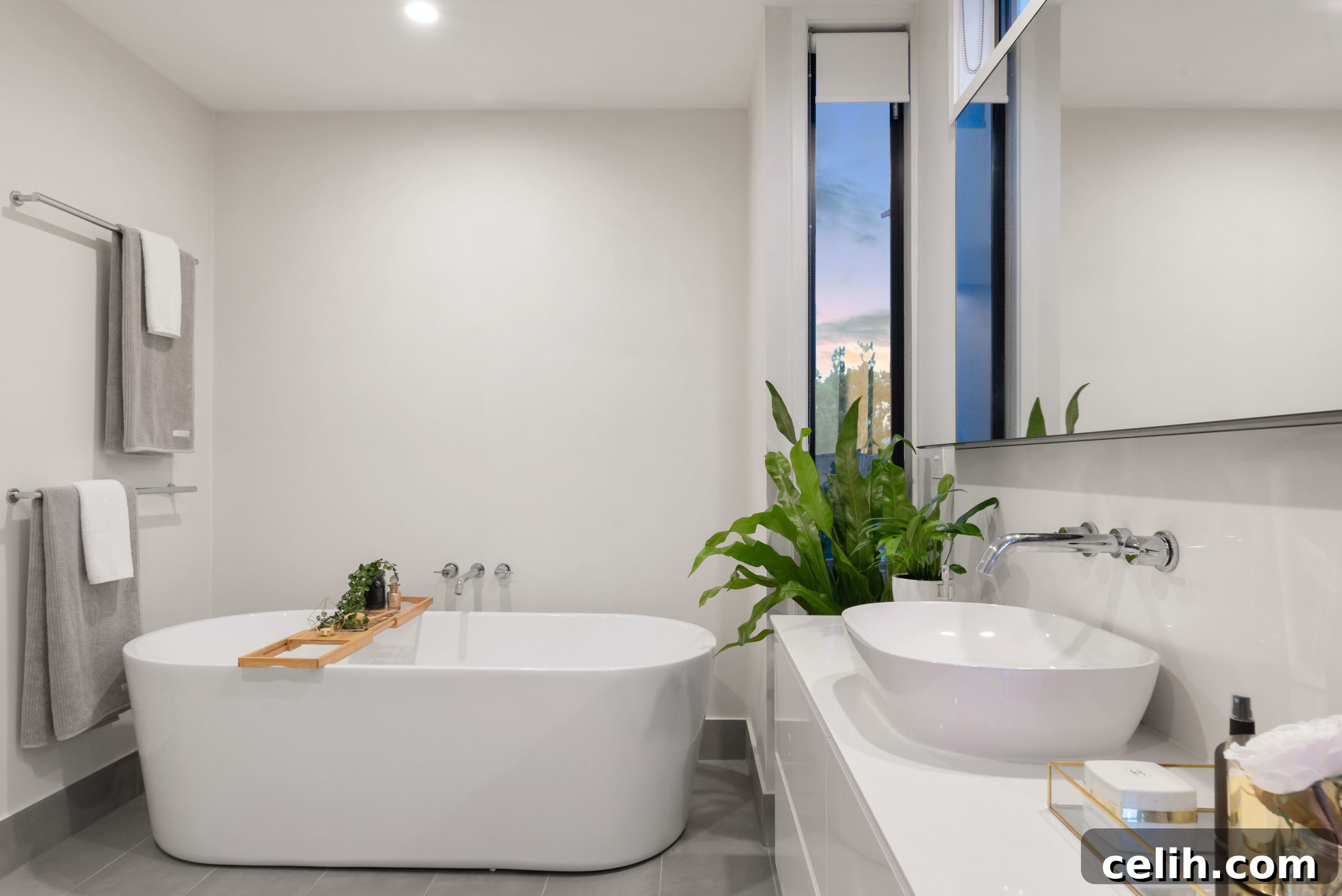
Your bathroom isn’t just a functional space; it’s a sanctuary, a place where you start and end your day. Given its constant use, it’s one of the most significant investments in your home, especially after a fresh renovation. A newly renovated bathroom represents not just a financial commitment, but also a vision for comfort and style. To truly maximize this investment and ensure your beautiful new bathroom remains a gleaming showpiece for years to come, diligent care and consistent maintenance are essential. Without proper attention, even the most exquisite finishes can lose their luster, and minor issues can quickly escalate into costly problems. This comprehensive guide outlines nine indispensable tips to help you preserve the pristine condition and enduring beauty of your renovated bathroom. By following these practical strategies, you can protect your investment, enhance your daily experience, and ensure your bathroom always looks as good as the day it was completed.
Keep Your Renovated Bathroom Immaculately Clean
The most fundamental step to maintaining your new bathroom’s appeal is consistent cleanliness. This isn’t just about aesthetics; it’s about hygiene and protecting your surfaces from premature wear. Daily upkeep should involve quick wipe-downs of the sink and countertops with a soft cloth and a mild, all-purpose cleaner. Pay particular attention to removing toothpaste splatters, soap residue, and water spots before they have a chance to dry and form stubborn stains. For a deeper clean, aim for a weekly routine. This includes thoroughly cleaning the toilet bowl, wiping down the exterior of the toilet, and scrubbing behind it and other often-neglected areas where dust and grime can accumulate. All surfaces, including light fixtures, mirrors, and shelves, should be dusted regularly to prevent a dull appearance. Don’t forget the floor – frequent mopping will remove dirt, hair, and moisture, preventing grime from building up in grout lines and protecting your flooring materials. For shower glass, consider investing in a squeegee to wipe down the glass after every use, dramatically reducing soap scum and hard water stain formation. A clean bathroom not only looks inviting but also feels more hygienic and refreshing, making your daily routines more enjoyable and preserving the integrity of your new fixtures and finishes.
Avoid Harsh Chemical Cleaners
While it might seem intuitive to reach for the strongest cleaner to tackle bathroom grime, harsh chemicals can be incredibly detrimental to your new bathroom surfaces. Many modern bathroom materials, such as natural stone countertops, certain tile glazes, and even chrome or brushed nickel fixtures, can be easily damaged by abrasive cleaners, strong acids, or potent alkalis. These chemicals can etch surfaces, strip protective sealants, discolour grout, or even pit metal finishes, leading to irreversible damage that detracts from your renovation’s beauty. Instead, opt for mild, pH-neutral soaps and cleaners. For everyday cleaning, a simple solution of warm water and a small amount of dish soap or a dedicated pH-neutral bathroom cleaner is often sufficient. Natural alternatives like white vinegar (diluted and used cautiously, as it can still etch some natural stones) or baking soda paste can be effective for specific tasks, but always test them on an inconspicuous area first. Prioritise gentle cleaning agents and soft microfiber cloths or sponges to protect your investment and keep your bathroom looking pristine without compromising the integrity of its beautiful finishes.
Safeguard All Bathroom Surfaces from Damage
Protecting your bathroom surfaces goes beyond just cleaning; it involves proactive measures to prevent damage from daily use. Water, despite being ubiquitous in a bathroom, can be a primary antagonist to many materials. To keep your bathroom looking its best, take preventative steps to shield surfaces from water damage, scratches, and stains. Always use coasters or small trays under any wet glasses, cups, or toiletries placed on countertops, especially if they are made of sensitive materials like wood, laminate, or certain natural stones. Spills should be wiped up immediately to prevent water rings or absorption into porous surfaces and grout lines. When you hang bath towels and robes, ensure they are on hooks or over a designated towel bar, allowing them to air dry properly and preventing excess moisture from dripping onto the floor or pooling against walls and cabinetry. Additionally, use soft cloths for dusting and cleaning to avoid scratching delicate finishes, and avoid placing sharp or heavy objects directly on countertops without protection. Consider applying a sealant to natural stone and grout lines periodically, as recommended by the manufacturer, to add an extra layer of protection against moisture and stains. These simple habits will significantly extend the life and beauty of your bathroom’s surfaces, maintaining its luxurious appeal.
Ensure Excellent Ventilation to Combat Moisture
Good ventilation is not just a recommendation; it’s a critical component for maintaining the health and longevity of any bathroom, especially one that has been newly renovated. Bathrooms are inherently humid environments, and excessive moisture can lead to a host of problems including peeling paint, warped cabinetry, rusty fixtures, and, most critically, the growth of mold and mildew. These issues not only detract from the aesthetic appeal of your beautiful new space but can also pose health risks and necessitate costly repairs. To effectively combat moisture, make it a habit to always open a window or, more reliably, turn on the exhaust fan whenever you shower or bathe. Crucially, the fan should remain on for at least 20-30 minutes after you’ve finished to ensure all residual moisture is drawn out of the room. Regularly clean your exhaust fan grille to ensure it operates at peak efficiency. If your bathroom lacks adequate natural ventilation or a powerful exhaust fan, consider investing in a high-quality, appropriately sized fan or even a small dehumidifier for extremely humid climates. Proper ventilation is your best defense against moisture-related damage, preserving the structural integrity and pristine appearance of your renovated bathroom and creating a healthier environment.
Conduct Regular Inspections for Early Problem Detection
Even with diligent daily care, small issues can emerge over time. That’s why regular, thorough inspections of your bathroom are vital for catching problems early before they escalate into significant and expensive repairs. Make it a habit to perform a detailed visual check of your bathroom at least once a month. Pay close attention to the caulking and grout lines around your tub, shower, sink, and toilet. Look for any signs of cracking, peeling, discolouration, or softness, which could indicate water penetration or mold growth. Inspect tiles and countertops for any chips, cracks, or loose pieces. Check under sinks for any subtle signs of leaks, such as water stains on cabinet floors or musty odors. Examine your plumbing fixtures for drips or corrosion. Test the stability of towel bars, toilet paper holders, and other wall-mounted accessories. By proactively identifying and addressing these minor imperfections as soon as they appear, you can prevent water damage from spreading, avoid structural issues, and maintain the immaculate finish of your newly renovated bathroom. Early detection is key to preserving your investment and avoiding future headaches.
Maintain an Efficient Drainage System
A functional drainage system is paramount for any bathroom, but it’s especially important to ensure it’s working flawlessly in a newly renovated space to prevent water damage and maintain optimal hygiene. Clogs and slow drains can lead to standing water, unpleasant odors, potential overflows, and even unseen damage to your plumbing infrastructure and surrounding subflooring. Regularly check your sinks, showers, and tubs for any signs of slow drainage. Avoid pouring grease, coffee grounds, or harsh chemicals down the drain, as these can cause severe blockages or corrode pipes over time. Instead, use drain protectors in sinks and showers to catch hair and soap scum, which are common culprits for clogs. If you do notice a persistent problem with slow drainage or hear gurgling sounds, it’s crucial to address it promptly. For minor clogs, a plunger or a natural drain cleaner (like a baking soda and vinegar solution, followed by hot water) might suffice. However, for recurring or stubborn issues, it’s best to contact a professional. Companies offering CCTV drain surveys can precisely identify the cause of blockages or damage within your pipes without intrusive digging, providing a reliable and quick fix that ensures your drainage system remains efficient and trouble-free.
Enhance Ambiance with a Scented Diffuser
Beyond just visual appeal, the olfactory experience of your bathroom significantly contributes to its overall comfort and luxury. A newly renovated bathroom should not only look good but also smell inviting. While thorough cleaning eliminates sources of unpleasant odors, a scented diffuser can elevate the ambiance and ensure your bathroom always has a fresh, pleasant aroma. Unlike aerosol air fresheners that merely mask smells temporarily with synthetic chemicals, a high-quality essential oil diffuser or reed diffuser provides a continuous, subtle fragrance that enhances the atmosphere naturally. Choose scents that complement the mood you wish to create – invigorating citrus or eucalyptus for a morning boost, calming lavender or chamomile for evening relaxation, or clean, fresh linen scents for an always-spotless feel. Placing a diffuser in your bathroom can help to keep the air fresh, prevent stale odors from accumulating, and transform your bathroom into a more luxurious and spa-like retreat. It’s a small detail that makes a significant difference in how you and your guests perceive the space, adding another layer of sophistication to your renovated oasis.
Incorporate Greenery with Plants
Adding plants to your bathroom is an excellent way to introduce a touch of nature, soften harsh lines, and enhance the overall aesthetic of your newly renovated space. Beyond their visual appeal, certain plants can also contribute to air purification, naturally filtering toxins and improving the air quality in your bathroom. The typically high humidity of a bathroom creates an ideal environment for many tropical plants, making it easier to care for them. When selecting plants, opt for varieties known to thrive in humid conditions and low light, if your bathroom doesn’t receive abundant natural sunlight. Excellent choices include ferns (like Boston or Staghorn), peace lilies, pothos, snake plants, and even orchids. Ensure your chosen plants are housed in decorative, water-resistant pots that complement your bathroom’s design. Regular watering (though often less frequent due to humidity) and occasional dusting of leaves will keep them healthy and vibrant. Plants add organic texture, a pop of natural color, and a serene, spa-like feel, turning your functional bathroom into a calming, verdant retreat that promotes well-being.
Introduce Comfort and Style with a Bathroom Rug
A carefully chosen bathroom rug is more than just a decorative element; it serves multiple practical purposes that enhance the comfort, safety, and longevity of your newly renovated space. Firstly, a good quality rug significantly improves safety by preventing slips and falls on wet, slick floors, especially when stepping out of the shower or tub. Secondly, it adds a layer of warmth and softness underfoot, making the bathroom feel more inviting and luxurious, a welcome contrast to cold tile floors. Aesthetically, a rug can introduce a splash of color, a unique pattern, or a textural element that complements your bathroom’s design scheme, tying the whole room together. Furthermore, it acts as a protective barrier, absorbing errant splashes and drips, thus shielding your flooring from prolonged exposure to moisture and potential damage. When selecting a bathroom rug, prioritize those with a non-slip backing for safety. Choose materials that are highly absorbent and quick-drying, such as cotton, bamboo, or microfibre, to prevent mildew and odors. Regular washing and thorough drying are essential to maintain its hygiene and fresh appearance. Thoughtful placement and sizing will ensure the rug functions effectively and contributes to both the style and functionality of your beautiful new bathroom.
In conclusion, a newly renovated bathroom is a significant investment that brings enhanced comfort, style, and value to your home. By diligently following these nine essential tips – from consistent cleaning and protecting surfaces to ensuring proper ventilation and conducting regular inspections – you can ensure your bathroom remains as breathtaking as the day it was completed. These proactive maintenance practices will not only preserve the pristine appearance of your fixtures and finishes but also prevent costly damages and extend the lifespan of your entire renovation. Embrace these habits as part of your home care routine, and you’ll be able to enjoy the beauty, functionality, and serene atmosphere of your well-maintained bathroom for many years to come, truly making it a showpiece that reflects your pride of ownership.