
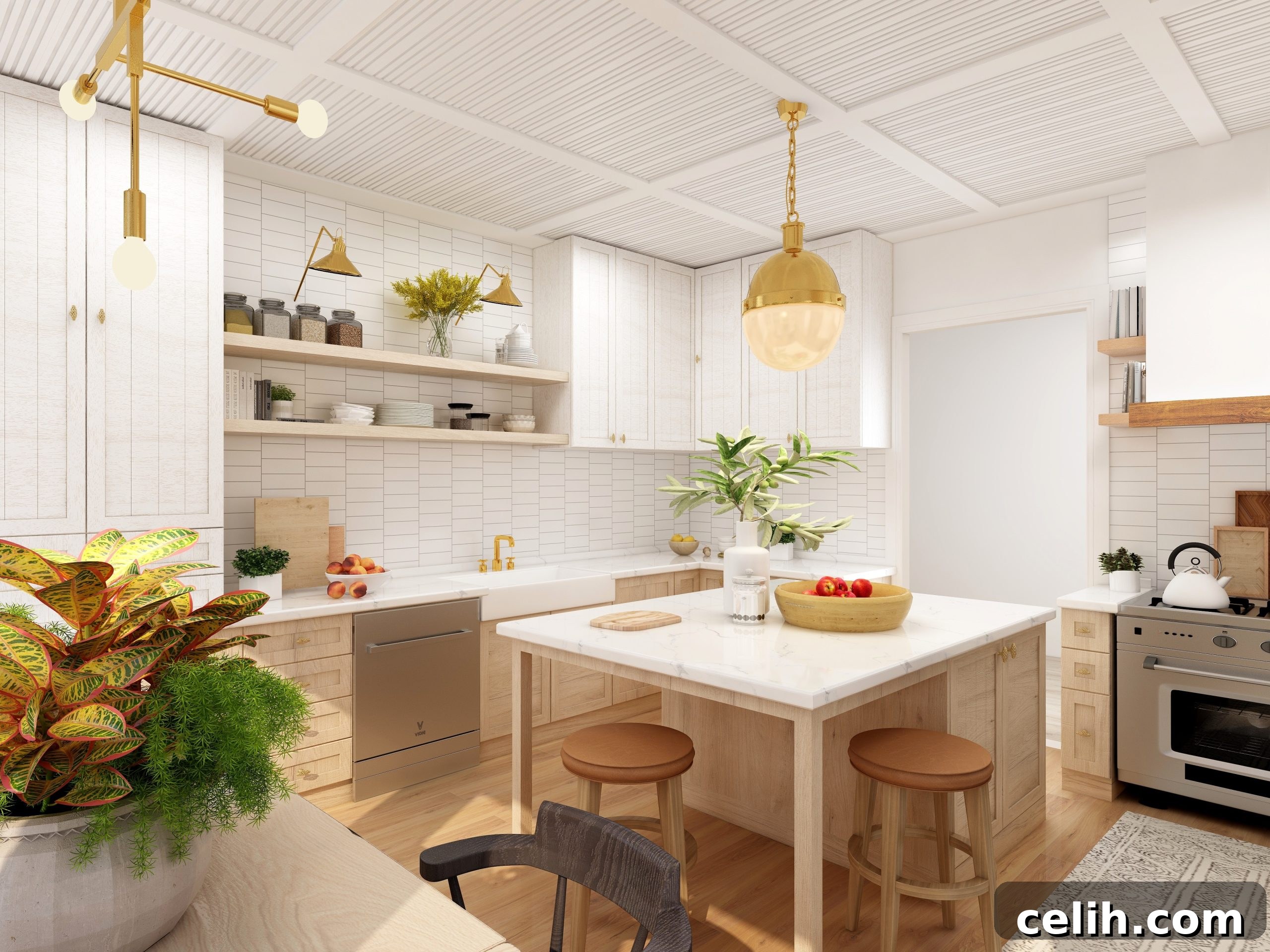
The concept of a multi-sensory kitchen is rapidly transforming our understanding of culinary spaces. Moving beyond mere functionality and aesthetics, this innovative design philosophy aims to engage and stimulate all five senses, creating an unparalleled immersive experience. Imagine a kitchen where every detail, from the ambient lighting and curated sounds to the aromatic accents and tactile surfaces, is intentionally designed to enhance your connection with food and elevate your cooking and dining rituals.
Far from being a fleeting trend, the multi-sensory kitchen represents a profound shift in how we interact with our homes’ most vibrant hub. It’s about crafting an environment that doesn’t just look good but feels good, sounds good, smells good, and ultimately, makes the act of preparing and enjoying food a truly holistic pleasure. This immersive approach cultivates a deeper appreciation for the culinary arts, turning everyday meals into memorable sensory journeys.
In this comprehensive guide, we’ll delve into the exciting world of multi-sensory kitchen design ideas. We’ll explore how these principles can revolutionize your culinary experience, foster well-being, and deepen your connection to food in an authentic and captivating manner. Get ready to discover how to transform your kitchen into a haven for all your senses.
The Art of Sensory Stimulation: Understanding the Power of Multi-Sensory Design in the Kitchen
The concept of multi-sensory design is gaining significant momentum in interior design, particularly in spaces as central as the kitchen. It offers a fresh perspective on how we perceive and interact with our culinary environment. The true power of multi-sensory design in the kitchen extends far beyond mere visual appeal or practical functionality; it’s about crafting an immersive experience that intentionally heightens and enriches every sensory input.
By consciously engaging sight, sound, smell, touch, and even anticipation of taste, a multi-sensory kitchen orchestrates a symphony of experiences. It transforms the often-mundane tasks of cooking and dining into a captivating and memorable journey. Consider how carefully chosen visual elements, such as dynamic lighting and harmonious colors, can uplift spirits. Think about how a thoughtfully designed auditory ambiance can soothe or energize. Envision the enticing aromas that awaken memories and stimulate appetite, or the pleasure derived from interacting with richly textured materials.
Every single detail, from the layout of appliances to the finish of a countertop, is a deliberate choice aimed at stimulating a richer sensory dialogue. This holistic approach allows us to unlock the full potential of the kitchen, evolving it from a mere utility room into a dynamic space for exploration, creativity, and profound enjoyment. Embracing multi-sensory kitchen renovation design principles means designing not just for the eye, but for the entire human experience, fostering a deeper connection to our food, our environment, and ultimately, ourselves.
Setting the Mood: The Impact of Lighting and Colors in Kitchen Design
In the realm of modern kitchen design, lighting and colors are arguably the most influential elements in shaping the atmosphere and enhancing the overall visual appeal of the space. Their strategic application goes beyond mere illumination or decoration; they actively dictate the mood, perceived spaciousness, and even the functionality of your kitchen. Thoughtful lighting design, for instance, involves a layered approach, incorporating task lighting for precision work, ambient lighting for general illumination, and accent lighting to highlight architectural features or artwork.
The warmth or coolness of your lighting, measured in Kelvin, significantly impacts perception. Warm, soft lighting (around 2700K-3000K) can transform a kitchen into a cozy and intimate sanctuary, ideal for leisurely meals, evening entertaining, or unwinding after a long day. Conversely, bright and crisp lighting (3500K-5000K) energizes the space, making it perfect for focused cooking tasks, vibrant morning routines, or lively social gatherings. Modern smart lighting systems with dimmers and color-changing capabilities offer unparalleled flexibility, allowing you to seamlessly transition the kitchen’s ambiance from one activity to the next.
Beyond illumination, the chosen color palette profoundly impacts the kitchen’s personality and the emotional responses it evokes. Vibrant and bold tones, such as deep blues or rich greens, can introduce a sense of drama and personality, stimulating creativity and making a powerful design statement. In contrast, soothing and neutral shades like soft grays, calming whites, or natural wood tones promote an atmosphere of tranquility and openness, offering a serene backdrop for daily life. The careful selection of colors for cabinetry, walls, backsplashes, and even accessories can dramatically influence the overall mood and aesthetic of your multi-sensory kitchen, transforming it into a space that truly resonates with your desired emotional experience.
Harmonious Soundscape: Crafting Auditory Ambiance in the Kitchen
The auditory ambiance of a kitchen is a frequently overlooked, yet profoundly impactful, element in creating a truly immersive and enjoyable kitchen design experience. By consciously curating the soundscape, designers can elevate the kitchen beyond its functional purpose, turning it into a sanctuary for the ears. A well-integrated sound system, seamlessly built into the kitchen architecture, is key to achieving this. It allows for the integration of music, podcasts, or ambient sounds that perfectly complement the atmosphere, enhancing the mood and setting the tone for cooking, dining, or simply relaxing.
Imagine soft jazz accompanying a sophisticated dinner party, upbeat pop energizing a morning baking session, or calming classical music providing a serene backdrop for a quiet breakfast. The auditory landscape in the kitchen has a powerful ability to influence our emotions, reduce stress, and inspire creativity. Modern smart home integration takes this a step further, allowing voice-controlled access to playlists, news, or even guided cooking instructions, making the kitchen experience both harmonious and highly convenient.
Beyond curated music, incorporating natural elements can add a touch of tranquility and connection to the broader environment. The gentle flow of water from an indoor fountain, the soft rustling of indoor plants, or even the subtle crackling sound of a fireplace if your kitchen allows, can introduce organic sounds that are inherently soothing. Furthermore, thoughtful acoustic design, utilizing materials that absorb or diffuse sound, can minimize unwanted noise from appliances or chatter, ensuring that the chosen soundscape remains clear and enjoyable. By harmonizing sounds, the kitchen becomes a space where every auditory input contributes positively to a rich and engaging sensory journey.
Scented Sensations: Exploring the Impact of Aromas on Taste and Culinary Experience
Aromas and scents hold an extraordinary power, profoundly influencing our perception of taste and the entirety of our culinary experience. The olfactory sense is intricately linked to our sense of taste and memory, meaning that the right combination of enticing aromas can transform a simple dish into an extraordinary gastronomic event. In the context of a multi-sensory kitchen, the deliberate selection and use of aromatic ingredients, fresh herbs, exotic spices, and even specific cooking techniques are all orchestrated to create a captivating symphony of scents that entice and stimulate the senses from the moment you step into the room.
Imagine the invigorating aroma of freshly brewed coffee permeating the morning air, the comforting sweet scent of baking bread wafting through the house, or the fragrant herbs and garlic sizzling in a pan as dinner preparations begin. These captivating scents do more than just signal that food is on its way; they awaken dormant memories, evoke powerful emotions, and significantly enhance the anticipation and enjoyment of the meal to come. A kitchen designed with scent in mind might include dedicated indoor herb gardens, allowing fresh basil or mint to release their fragrance with a gentle touch.
Furthermore, managing kitchen odors effectively is a key aspect of sensory design. High-performance ventilation systems are crucial for quickly eliminating less desirable cooking smells, preventing them from lingering. However, designers can also strategically introduce pleasant background aromas through subtle diffusers or by cultivating plants with naturally pleasing scents. By consciously crafting the aromatic landscape, the kitchen transcends its functional purpose, becoming a rich sensory environment where every breath taken adds to the depth and pleasure of the culinary journey.
Touch of Texture: Enhancing the Kitchen Experience with Tactile Worktops and Materials
Incorporating a variety of tactile textures into kitchen worktops, cabinetry, and other materials adds a profoundly delightful and often overlooked dimension to the overall culinary experience. The choice of surfaces, from durable countertops to backsplashes and flooring, goes far beyond mere visual aesthetics. These materials provide a genuine sensory pleasure through their tactile qualities, inviting interaction and enriching the physical experience of being in the kitchen.
Consider the diverse range of materials available, each offering a unique touch. The cool, smooth polish of marble or quartz countertops offers a sophisticated and clean feel, while the warmth and natural grain of a solid wood worktop invite a sense of connection to nature and rustic charm. Rough-hewn concrete can add an industrial edge with a distinct, grounding texture, whereas textured tiles for backsplashes can introduce intricate patterns that are both visually and tactilely engaging. Running your fingers across these varied surfaces – feeling the resilience of stainless steel, the subtle undulations of honed stone, or the softness of a fabric bar stool – brings a tactile connection and an added layer of pleasure to the cooking process.
Tactile materials not only add visual depth and unique character to the kitchen design but also create a more engaging and immersive environment. This sensory layering enhances user interaction, making the kitchen a more inviting and satisfying space. By thoughtfully selecting materials that appeal to the sense of touch, designers can create a kitchen that is not only beautiful to behold but also truly satisfying to inhabit and interact with, contributing significantly to a rich multi-sensory experience.
A Feast for the Eyes: Enhancing Visual Appeal with Artistic Kitchen Accents
Incorporating artistic accents is an exceptionally powerful method to enhance the visual appeal and elevate the overall aesthetics of the kitchen, transforming it into a true feast for the eyes. These carefully curated elements go beyond basic decor, infusing the kitchen with distinct personality, style, and a sense of refined artistry. From strategically placed artworks and sculptures to decorative tiles, statement backsplashes, unique kitchen utensils, or even distinctive light fixtures, artistic accents turn the kitchen into a dynamic exhibition space.
By introducing visually captivating elements, the kitchen transcends its utilitarian roots and becomes a canvas where creativity and artistic expression seamlessly merge with functionality. Imagine a vibrant painting adding a pop of color against a minimalist backdrop, or a series of handcrafted ceramic pieces displayed on open shelving. Bold and vibrant colors, intricate patterns, abstract designs, or even minimalist and sculptural forms can dramatically transform the kitchen’s visual narrative, stimulating inspiration and setting a captivating ambiance for both cooking and social gatherings.
Architectural details, such as custom-designed shelving, exposed wooden beams, or a strikingly sculptural range hood, can also serve as powerful artistic statements. Even everyday items, like a beautifully designed set of cookware or unique dinnerware, when thoughtfully displayed, contribute to the visual richness. Whether through carefully chosen wall art, a striking floral arrangement, or a collection of artisan ceramics on display, these artistic kitchen accents not only enhance beauty but also create a unique, inviting, and visually stimulating atmosphere that speaks to the owner’s personal taste and passion for design.
Embracing the Multisensory Journey of the Modern Kitchen: The Bottom Line
In conclusion, the multisensory kitchen renovation journey represents a truly transformative and enchanting approach to culinary space design. By intentionally integrating immersive design elements that engage and delight sight, sound, smell, touch, and even the anticipation of taste, the kitchen evolves from a merely functional room into a sophisticated sensory haven. This holistic design philosophy acknowledges that our interaction with food and our environment is deeply intertwined with all our senses, not just one or two.
From the deliberate use of dynamic lighting and carefully chosen colors to create the perfect ambiance, to the integration of seamless sound systems or natural elements for an enriching auditory experience, every detail contributes to a richer perception. Furthermore, the selection of inviting aromatic scents, whether from fresh produce, herbs, or subtle diffusers, along with the infusion of artistic visual accents and the pleasure derived from tactile textures in materials, all work together in perfect harmony. The goal is to craft a truly captivating and memorable cooking and dining experience that nourishes the body, calms the mind, and uplifts the spirit.
Embracing a multi-sensory design approach means creating a kitchen that is not just aesthetically pleasing or highly practical, but one that actively stimulates and enriches your daily life. It’s about building a space where every meal becomes an adventure, every gathering is more vibrant, and your connection to the food you prepare and the people you share it with is profoundly deepened. The modern kitchen is no longer just a place to cook; it’s a destination for discovery, enjoyment, and a truly immersive culinary journey.