
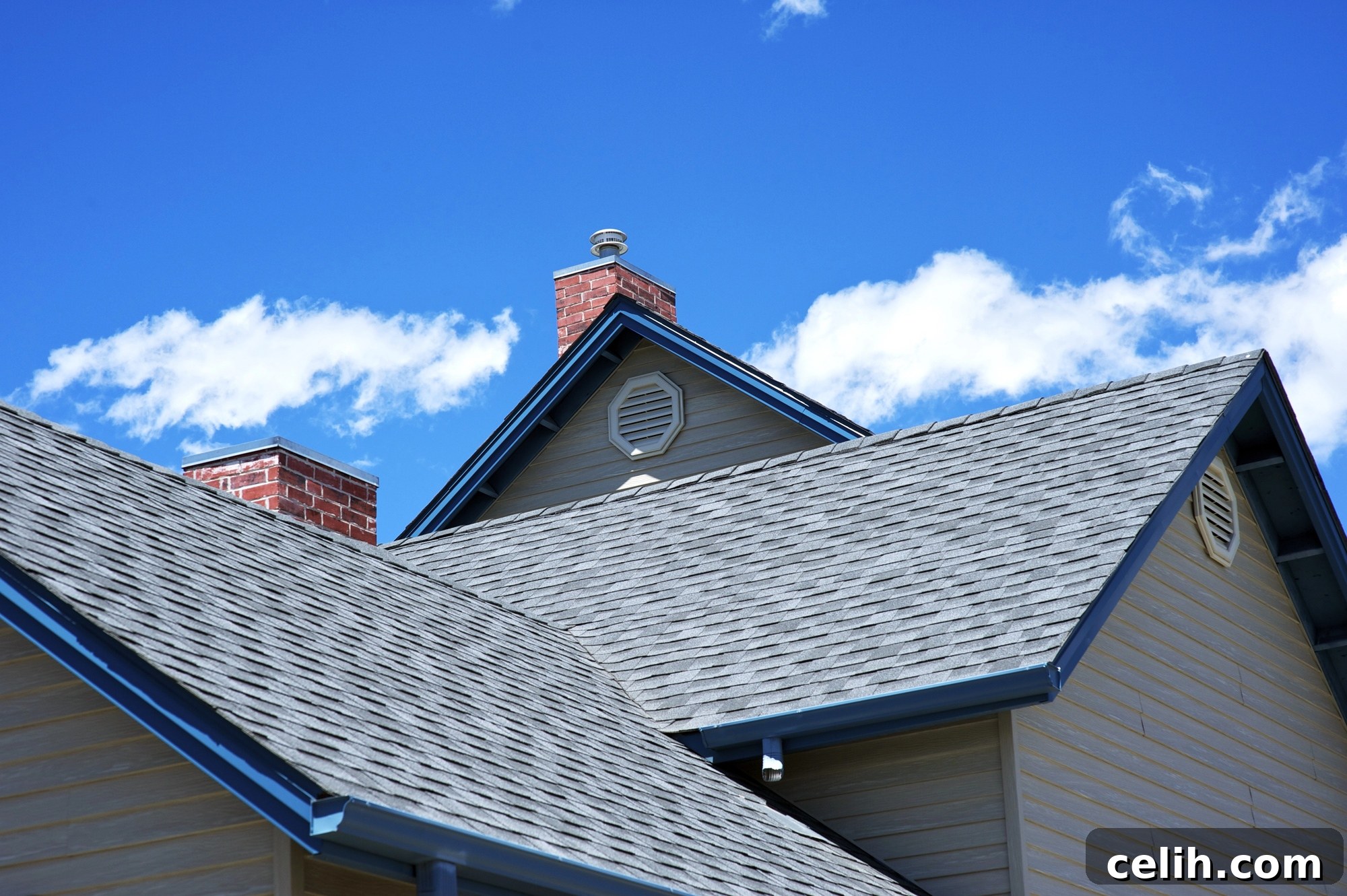
Your home’s roof stands as its primary shield, a silent guardian constantly battling the unpredictable forces of nature. From scorching sun to relentless downpours, strong winds, and heavy snowfall, it endures a year-round assault from diverse weather conditions, no matter where you reside in the world. This vital component of your property often takes the brunt of these elements, protecting everything beneath it. Understanding how different weather patterns impact your roof is crucial for proactive maintenance, longevity, and ultimately, safeguarding your investment. In this comprehensive guide, we will delve into the specific ways various weather conditions affect your roofing system, offering invaluable insights and actionable tips to help it withstand the test of time and elements, ensuring your home remains a secure and comfortable sanctuary.
1. The Impact of Rain and Moisture on Your Roof
Rain is arguably the most common and persistent threat to roofing systems worldwide. While a well-maintained roof is designed to channel water away efficiently, prolonged or heavy rainfall can expose vulnerabilities, leading to a cascade of problems. Ignoring these issues can result in significant structural damage and costly repairs.
- Wood Rot and Structural Degradation: If your home features a wooden roof structure, continuous exposure to dampness and persistent leaks from a compromised roof creates an ideal environment for wood rot. This insidious process, caused by fungal growth, gradually weakens the structural integrity of rafters, trusses, and decking. As wood rots, it loses its load-bearing capacity, making the roof susceptible to sagging or even collapse over time. This damage is often hidden, progressing unnoticed until it becomes severe.
- Gutter Blockages and Water Pooling: Clogged gutters are a primary culprit in rain-related roof damage. When debris such as leaves, twigs, and dirt accumulate, they prevent rainwater from flowing freely into downspouts and away from your home. This obstruction causes water to back up and pool on the roof’s surface, particularly along the eaves. Stagnant water significantly accelerates the deterioration of shingles, promotes rust on metal components, and encourages the growth of unsightly and damaging mold and mildew. Moreover, overflow from clogged gutters can saturate fascia boards, soffits, and even damage your home’s foundation.
- Internal Leaks and Water Seepage: A roof that lacks proper maintenance or has compromised flashing, damaged shingles, or inadequate seals can easily allow water to seep through. This water can travel invisibly through the attic, saturate insulation, and eventually manifest as unsightly water stains, peeling paint, or damp patches on interior walls and ceilings. Beyond cosmetic damage, internal leaks can lead to dangerous electrical hazards, compromise the effectiveness of your insulation, and, if left unaddressed, cause extensive structural damage to the inner framework of your house, leading to expensive remediation.
Proactive and regular roof inspections are paramount to identify and address these issues early. Catching minor problems like loose shingles or minor blockages before they escalate can save homeowners substantial money and prevent extensive damage. If you discover widespread issues, it might be an opportune time to consider professional roofing services in your local area. Timely intervention, whether through minor repairs or a complete roof replacement, is the most effective strategy for preserving your home’s integrity and extending your roof’s lifespan.
2. Snow and Ice: Winter’s Chilling Effects on Roofs
For homes in colder climates, the arrival of winter brings a unique set of challenges in the form of snow and ice. While picturesque, these elements can exert immense pressure and cause significant damage to roofing systems if not properly managed.
- Excessive Weight from Snowfall: Snow, especially wet and dense snow or accumulated ice, can add an astonishing amount of weight to your roof. A single cubic foot of fresh, dry snow weighs approximately 3 pounds, but wet snow can weigh up to 21 pounds per cubic foot. This substantial additional load can push a roof beyond its design capacity, particularly if the roof is older, poorly constructed, or already compromised. This immense pressure can lead to sagging, cracking of structural components like trusses and rafters, and in severe cases, catastrophic roof collapse. Homeowners should be aware of their roof’s structural integrity and age, as older roofs are inherently more vulnerable to this stress.
- The Formation of Ice Dams: Ice dams are a common and destructive winter phenomenon. They occur when heat from inside your attic escapes and melts snow on the warmer upper parts of the roof. This meltwater then flows down the roof surface until it reaches the colder eaves, which are typically unheated and extend beyond the warm wall line. Here, the water refreezes, forming a barrier of ice. Subsequent meltwater pools behind this ice dam, unable to drain into the gutters. This trapped water then backs up underneath shingles, tiles, or metal panels, seeping into the roof deck, attic, and interior walls, leading to significant leaks, water damage, and the potential for mold growth and structural rot.
- Freeze-Thaw Cycles and Material Deterioration: Water is a powerful force, especially when it undergoes freeze-thaw cycles. Even microscopic cracks or minor imperfections in roofing materials can allow small amounts of water to penetrate. When temperatures drop below freezing, this trapped water expands, exerting pressure on the surrounding material. As temperatures rise, the ice melts, only to refreeze and expand again when temperatures fall. This repetitive cycle progressively widens cracks, loosens fasteners, dislodges granules from asphalt shingles, and causes overall material fatigue, leading to accelerated wear and tear and increased vulnerability to leaks.
To mitigate the risks posed by snow and ice, it’s crucial to ensure your home is properly insulated, especially in the attic. Effective insulation helps reduce heat loss through the roof, which is a primary cause of snowmelt and ice dam formation. Adequate attic ventilation also plays a critical role in maintaining a consistent roof temperature, further preventing ice dams. During heavy snowfall, investing in a high-quality roof rake can help safely remove excess snow, relieving structural stress. However, extreme caution and safety precautions are essential when undertaking snow removal to prevent injury or damage to the roof.
3. Wind’s Destructive Force: Protecting Your Roof from Gale-Force Assaults
Wind, ranging from brisk gusts to the terrifying speeds of hurricanes and tornadoes, poses a significant threat to a roof’s integrity. Its destructive power can quickly transform a well-built roof into a compromised structure, making your home vulnerable to subsequent water damage and structural issues.
- Impact from Wind-Borne Debris: One of the most common forms of wind damage comes from flying debris. Strong winds can transform everyday objects into dangerous projectiles. Leaves, small branches, larger tree limbs, unsecured patio furniture, and even discarded trash can strike your roof with considerable force during powerful storms. This impact can result in broken tiles, punctured metal roofing (such as Colorbond), scuffed or torn shingles, and even significant holes in the roof deck, creating immediate entry points for water and exposing the underlayment.
- Structural Damage and Uplift: In the most severe cases, particularly during events like hurricanes, typhoons, or tornadoes, the sheer force and dynamic pressure of wind can cause profound structural damage. Wind creates both positive (pressure pushing on the windward side) and negative (suction pulling upwards on the leeward side and over the roof) forces. This uplift pressure can be powerful enough to physically lift and tear entire sections of the roof, including the decking, rafters, and trusses, completely off the house. Such damage leaves the interior of the home utterly exposed to the elements, leading to devastating water damage and necessitating extensive, costly structural rebuilding.
- Shingle Lifting, Tearing, and Loss: Even without major structural failure, high winds frequently cause shingles to lift, crease, or tear. The wind can get underneath the edges of shingles that are either improperly installed, weakly adhered, or have already begun to deteriorate. Once lifted, the shingle is exposed to greater wind forces, often tearing it off completely. This leaves the underlying roofing felt or deck exposed to direct sunlight and water, drastically reducing the roof’s waterproofing capabilities and accelerating its overall degradation. Similar issues can affect other roofing materials if they are not correctly fastened or if their edges are compromised.
To safeguard your roof against high wind conditions, proper installation is paramount. Ensure all roofing materials, especially shingles and flashing, are securely fastened and that no edges are lifting. Regular inspections can identify and address loose components before a storm hits. Additionally, routinely pruning surrounding trees is a critical preventative measure; removing dead or overhanging branches significantly reduces the amount of potential wind-borne debris that could impact your roof during a storm.
4. Hail: The Pitted and Bruised Reality of Impact Damage
Hailstorms, especially those producing large hailstones, can be incredibly destructive to a roof. The impact of frozen ice pellets can cause immediate and often subtle damage that compromises the roof’s protective capabilities, potentially leading to long-term issues if overlooked.
- Shingle Bruising and Granule Loss: When hailstones strike asphalt shingles, they can leave behind noticeable dents, dimples, or “bruises.” More critically, this impact dislodges the protective granules embedded in the shingle’s surface. These granules serve several vital functions: protecting the asphalt from harmful UV rays, providing fire resistance, and adding aesthetic appeal. When granules are lost, the underlying asphalt layer is exposed to direct sunlight, accelerating its drying, cracking, and overall deterioration. This damage can be hard to spot from the ground but significantly reduces the shingle’s lifespan and waterproofing effectiveness.
- Cracked and Shattered Tiles: Roofing materials like clay, concrete, or slate tiles, while durable, can be brittle. Heavy hailstones can easily crack, chip, or even shatter these tiles upon impact. Cracked tiles create direct pathways for water to infiltrate the roof deck, leading to leaks, rot, and potential damage to the sub-structure and interior. Such damage often requires immediate attention, as a single compromised tile can expose a significant area to moisture.
- Gutter, Flashing, and Vent Damage: The impact of hail isn’t limited to the main roof surface. Gutters, downspouts, and metal flashing around chimneys, skylights, and vent pipes are also highly susceptible to hail damage. Hailstones can dent, deform, or even puncture metal gutters, compromising their ability to channel water effectively. Damaged flashing can become bent or loosened, creating gaps where water can penetrate. These seemingly minor damages can impede proper drainage, increasing the risk of water pooling and subsequent roof leaks.
To enhance your home’s resilience against hail damage, consider installing stronger, impact-resistant roofing materials. Many manufacturers offer Class 4 impact-resistant shingles, which are designed to withstand significant hail impacts. After any hailstorm, regardless of its apparent severity, it is crucial to conduct a thorough inspection of your roof for any signs of damage. Even small dings or granule loss can indicate underlying vulnerabilities that, if left unrepaired, can lead to much larger problems down the line. Prompt professional repair is key to maintaining your roof’s integrity.
5. Sun Exposure and Heat: The Silent, Cumulative Threat to Roofs
While often overlooked in favor of more dramatic weather events, the sun’s relentless rays and prolonged heat exposure are significant contributors to roof deterioration. According to the United States Environmental Protection Agency, recent years have been among the warmest on record, underscoring the growing importance of protecting roofs from solar damage. The cumulative effects of sunlight and heat can silently shorten a roof’s lifespan and compromise its performance.
- UV Degradation and Shingle Deterioration: The ultraviolet (UV) rays from the sun are highly destructive to organic roofing materials, particularly asphalt shingles. UV radiation causes the asphalt to dry out, become brittle, and lose its elasticity. Over time, this leads to the granular coating shedding, exposing the vulnerable asphalt to further degradation. This process manifests as cracking, curling, blistering, and eventual complete breakdown of the shingle, diminishing its waterproofing capabilities and significantly increasing the risk of roof leaks.
- Fading, Discoloration, and Reflectivity Loss: Constant sun exposure leads to visible fading and discoloration of roofing materials. While partly an aesthetic concern, this fading also indicates the breakdown of protective pigments and coatings. Darker roofs absorb more solar radiation, transferring heat into the attic and subsequently into the living spaces, increasing cooling costs. As materials fade and granules are lost, their ability to reflect sunlight diminishes, exacerbating the heat absorption problem.
- Thermal Shock and Expansion/Contraction: Daily temperature fluctuations, especially significant swings between hot days and cool nights, create “thermal shock.” Roofing materials expand when heated and contract when cooled. This constant cycle of expansion and contraction puts immense stress on all components of the roof, from the shingles themselves to the fasteners and underlying deck. Over time, this repeated stress can lead to material fatigue, cracking, warping, and the loosening of nails and fasteners, creating vulnerabilities for water intrusion.
- Warping and Buckling: Excessive and prolonged heat can cause materials like asphalt shingles and even some types of metal roofing to physically warp, buckle, or sag. This deformation disrupts the smooth surface intended for water runoff, creating low spots where water can pool. Buckling also puts stress on the shingle structure, making them more susceptible to wind uplift and further deterioration.
- Moss, Algae, and Lichen Growth: While often associated with damp conditions, hot and humid environments, especially on shaded or poorly ventilated areas of a roof, create ideal breeding grounds for moss, algae, and lichens. These organisms thrive in moisture-retaining conditions. Moss, in particular, can act like a sponge, holding moisture against the roof surface and preventing it from drying out, accelerating rot and decay of underlying materials, and physically lifting shingles as it grows. Algae can also cause unsightly dark streaks.
- Increased Overall Wear and Tear: Beyond specific damage types, heat accelerates the general aging process of almost all roofing materials. The combination of UV radiation, thermal cycling, and constant exposure to high temperatures gradually breaks down the chemical bonds and physical structure of components like asphalt, wood, and even sealants, leading to a diminished lifespan and increased susceptibility to other forms of weather damage.
Regular cleaning of your roof, especially to remove debris and prevent organic growth, is vital for mitigating sun damage. Applying reflective coatings or choosing lighter-colored roofing materials can significantly reduce heat absorption. Ensuring proper attic ventilation is also crucial to dissipate heat build-up and minimize thermal stress on the roofing materials. Routine inspections and prompt repairs of any curling, cracking, or granule loss can help maintain your roof’s protective capabilities and extend its life for many years.
Protecting Your Home: The Importance of Proactive Roof Maintenance
Your roof is an indispensable component of your home’s structural integrity and overall protection. Throughout the year, it faces a relentless onslaught from various weather elements, each presenting its own unique challenges and potential for damage. From the immediate impact of severe storms like hurricanes and hailstorms to the cumulative, insidious degradation caused by constant sun exposure and freeze-thaw cycles, a roof’s resilience is continually tested.
Understanding these specific threats—rain leading to wood rot and leaks, snow and ice causing dangerous dams and structural strain, wind tearing at shingles and creating debris hazards, hail bruising and puncturing, and the sun’s UV rays degrading materials over time—empowers homeowners to take proactive steps. Regular, thorough inspections, especially after significant weather events, are not merely a recommendation but a necessity. Identifying and addressing minor issues early, whether it’s a loose shingle, a clogged gutter, or the subtle signs of granule loss, can prevent these small problems from escalating into extensive and costly structural damage.
Investing in quality materials, ensuring professional installation, maintaining proper attic ventilation, and committing to a schedule of preventative maintenance are all critical aspects of preserving your roof’s lifespan. An older roof, in particular, demands heightened vigilance and potentially more frequent professional assessments. By being proactive and seeking advice from certified roofing professionals when severe damage occurs or when significant repairs are needed, you not only save money in the long run but also safeguard your home from developing a host of other problematic issues, ranging from mold growth and insulation damage to compromised structural integrity. Your roof protects your home; it’s essential to protect your roof.