
Transforming your living space into a brighter, more inviting environment is a universal desire for homeowners. A well-lit home isn’t just about improved visibility; it profoundly impacts your mood, relaxation levels, energy efficiency, and overall sense of well-being. Natural light, in particular, offers a myriad of benefits, from boosting vitamin D levels to making rooms feel more spacious and vibrant. Before embarking on a major home renovation, many impactful and often cost-effective strategies can significantly enhance the illumination within your rooms. This comprehensive guide explores seven key methods to maximize both natural and artificial light, helping you create a dwelling that truly radiates warmth and cheer. Whether you’re looking for quick fixes or planning more extensive upgrades, these ideas will pave the way for a brighter, more comfortable home.
1. Harness Light with Reflective Accessories
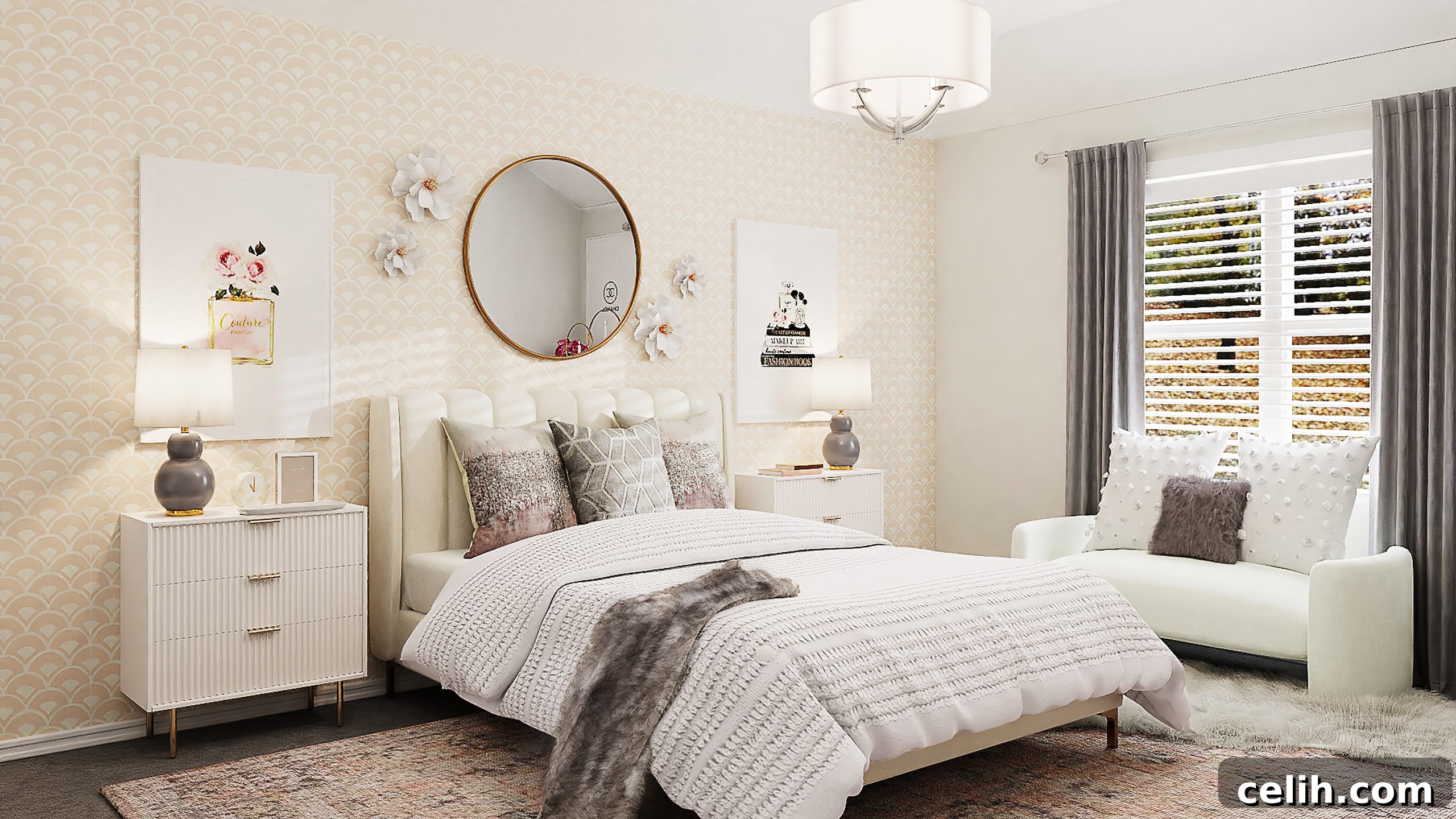
One of the most effective and often easiest ways to amplify light in any room is by strategically incorporating reflective, metallic, glass, and mirrored accessories. These elements don’t just add aesthetic appeal; they actively work to bounce both natural and artificial light around your space, making it feel significantly brighter and more expansive. Mirrors are perhaps the most potent tool in this category. Placed opposite a window, a large mirror can virtually double the perceived amount of natural light entering a room, creating a striking illusion of depth and openness. Consider ornate mirrors as focal points or a collection of smaller mirrors to add a dynamic reflective quality to a wall.
Beyond mirrors, metallic accents can introduce subtle yet powerful light reflection. Think about decorative bowls, vases, picture frames, or even furniture with polished chrome, brass, or silver finishes. These materials catch and scatter light, adding a touch of glamour while contributing to overall brightness. Glass objects, such as clear glass tables, shelving units, or sculptural pieces, allow light to pass through and refract, creating intriguing patterns and preventing visual heaviness. Even shiny ceramic or porcelain elements can play a role. When selecting these accessories, consider their placement in relation to light sources – a metallic lamp base reflecting the glow of its own bulb, or a glass vase catching the morning sun, can make a significant difference. This strategic use of reflective surfaces not only optimizes existing light but also infuses your home with a sophisticated, luminous quality.
2. Embrace Natural Light with Sliding Patio Doors
For those with a patio or considering adding one, installing large sliding patio doors presents an unparalleled opportunity to flood your home with natural light. Unlike traditional walls, expansive glass doors remove visual barriers, creating a seamless transition between your indoor living space and the outdoor environment. This not only maximizes the influx of daylight but also enhances the feeling of spaciousness and connection to nature. Modern sliding patio doors are designed with narrow frames and large glass panels, ensuring minimal obstruction to light and views. They are available in various materials, including durable UPVC, sleek aluminum, and warm timber, allowing you to choose an option that complements your home’s architectural style and aesthetic.
Beyond their light-maximizing potential, contemporary patio doors offer excellent thermal insulation, helping to maintain comfortable indoor temperatures and potentially reduce energy bills. When selecting your doors, consider features like double or triple glazing for enhanced energy efficiency and security. While maximizing light is key, privacy and light control remain important considerations. Integrating patio door blinds or curtains allows you to manage the amount of sunlight entering the room, protect against glare, and ensure privacy when desired. Options range from sheer fabrics that diffuse light gently to blackout blinds for complete darkness. The investment in quality sliding patio doors not only brightens your home but also elevates its design, functionality, and overall appeal, creating a more open and inviting atmosphere for everyday living and entertaining.
3. Illuminate Your Rooms with Light Paint Colors
The simplest and most transformative change you can implement to brighten your home is through the strategic use of paint colors. Light colors have a remarkable ability to reflect light rather than absorb it, instantly making a room feel larger, airier, and more luminous. Whites, off-whites, soft pastels, and light neutrals such as pale grays or creams are excellent choices for their light-reflecting properties. These hues create a crisp, clean backdrop that allows light to bounce freely around the space, significantly enhancing both natural and artificial illumination.
Beyond the color itself, the paint finish plays a crucial role. While matte finishes offer a sophisticated, muted look, they absorb more light. Opting for an eggshell, satin, or semi-gloss finish will provide a slight sheen that reflects more light, further amplifying brightness. For those who enjoy feature walls or prefer not to paint an entire room in a bright shade, a clever technique is to identify the wall that receives the most direct natural light. Painting this particular wall in the lightest, most reflective color will act as a giant reflector, dispersing the incoming sunlight deeper into the room. Don’t forget the ceiling; painting it a brilliant white or a shade lighter than the walls can lift the perceived height of the room and prevent it from feeling top-heavy, completing the light-enhancing effect. This thoughtful approach to color and finish can dramatically alter the ambiance of your home, creating a perpetually bright and uplifting environment.
4. Select Flooring for Enhanced Light Reflection
Just as wall colors impact a room’s brightness, your flooring choices can significantly contribute to or detract from its overall luminosity. Dark and heavy carpets, for instance, tend to absorb light, making a room feel smaller and dimmer. By choosing lighter, more reflective flooring materials, you can create a foundation that actively contributes to a brighter aesthetic. Consider swapping out old carpets for materials like polished wood, ceramic tiles, or laminate flooring.
Polished hardwood floors, especially those with lighter stains like maple, ash, or light oak, reflect light beautifully. The natural sheen of the wood, when well-maintained, adds a warm glow that helps to disperse both natural and artificial light. Ceramic or porcelain tiles, particularly those with a glossy finish and in lighter shades of white, beige, or pale gray, are excellent for reflecting light and are also durable and easy to clean. Laminate and vinyl flooring offer versatile options that can mimic the look of wood or tile at a more accessible price point, often with reflective finishes that contribute to a brighter room. If the warmth and comfort of carpet are non-negotiable, opt for light-colored, low-pile options. A short, dense pile in a pale shade will absorb less light than a plush, dark carpet, helping to maintain a sense of openness. Furthermore, area rugs in light colors can be strategically placed on darker flooring to introduce pockets of brightness, lifting the mood and making the space feel more expansive. By paying attention to your flooring, you lay the groundwork for a truly illuminated home.
5. Optimize Natural Light Through Simple Property Maintenance
Sometimes, the most effective ways to introduce more natural light into your home don’t involve major renovations or purchases, but rather simple, consistent maintenance. Over time, various factors can gradually reduce the amount of daylight entering your property, often without you realizing it. Addressing these issues can yield surprisingly significant results in brightening your living spaces.
Firstly, regularly cleaning your windows, both inside and out, is paramount. Smudges, dust, dirt, and water spots can significantly diminish light penetration. A thorough cleaning regimen can instantly make a noticeable difference. Secondly, clear your windowsills of any unneeded clutter. Items piled on windowsills, no matter how small, can cast shadows and block light from entering, especially during certain times of the day. A clear windowsill allows light to flow uninterruptedly and creates a sense of openness. Thirdly, assess the landscaping around your property. Overgrown trees, shrubs, or dense hedges outside your windows can act as significant light blockers. Trimming and cutting back foliage that obstructs window views will allow more direct sunlight to stream in. This is particularly important for south-facing windows that receive the most intense light. Finally, consider your window treatments. Heavy, dark drapes or blinds, while offering privacy, can severely impede light. Opt for sheer curtains, light-filtering blinds, or tie-backs that allow you to pull treatments completely away from the window during the day. These easy, often overlooked steps are cost-effective methods to unlock the full potential of natural light in your home, creating a fresher and more vibrant atmosphere.
6. Embrace Overhead Illumination with Skylights
For rooms that suffer from a lack of natural light, often due to their orientation, position within the house, or architectural constraints, installing skylights can be a revolutionary solution. Skylights, or roof windows, introduce light from above, providing an even, consistent wash of natural illumination that traditional windows simply cannot replicate. This overhead light can dramatically transform dark, cavernous spaces into bright, airy havens. They are particularly popular in areas like kitchens, where ample task lighting is essential, and bathrooms, where natural light can enhance a sense of cleanliness and spaciousness while maintaining privacy. They are also ideal for hallways, stairwells, or any interior room without direct access to exterior walls.
There are several types of skylights to consider. Fixed skylights are a cost-effective option for pure light enhancement. Ventilating skylights can be opened to allow fresh air in, improving air circulation and helping to regulate indoor temperatures. For smaller, more confined spaces like closets or interior bathrooms, tubular skylights (also known as sun tunnels) can be installed, using reflective pipes to channel sunlight from the roof down into the room below. While installation requires professional expertise and consideration of roof structure, modern skylights come with advanced glazing options for energy efficiency, UV protection, and even integrated blinds for light control. The investment in skylights not only brightens your home but can also add significant value, offering a unique architectural feature and a profound connection to the sky and outdoor environment.
7. Strategically Introduce Supplemental Artificial Lighting
While maximizing natural light is crucial, a truly bright and functional home also relies on a well-designed artificial lighting plan. Supplemental light sources can fill in gaps where natural light is insufficient, provide ambiance, and offer task-specific illumination. A common mistake is relying on a single overhead light fixture, which can create harsh shadows and leave corners feeling dim. Instead, adopt a layered lighting approach, incorporating ambient, task, and accent lighting.
Ambient lighting, provided by ceiling fixtures like recessed lights, flush mounts, or chandeliers, offers general illumination. Task lighting is essential for activities such as reading, cooking, or working, and includes under-cabinet lighting in kitchens, desk lamps, or reading lamps next to a sofa. Accent lighting highlights architectural features, artwork, or decorative objects, using wall sconces or spotlights. Portable light sources, such as elegant floor lamps and versatile table lamps, are easy fixes to brighten dark corners and add warmth. When placing these, pay close attention to the darkest areas of your rooms and position lamps to effectively illuminate these zones. Furthermore, the type of bulb matters; modern LED bulbs offer energy efficiency and a wide range of color temperatures, from warm white for cozy spaces to cool white for more functional areas. Incorporating dimmer switches on various light fixtures allows you full control over the intensity of light, enabling you to adjust the mood and brightness of a room throughout the day or for different activities. A thoughtful combination of natural and artificial lighting will ensure your home is consistently bright, comfortable, and inviting.