
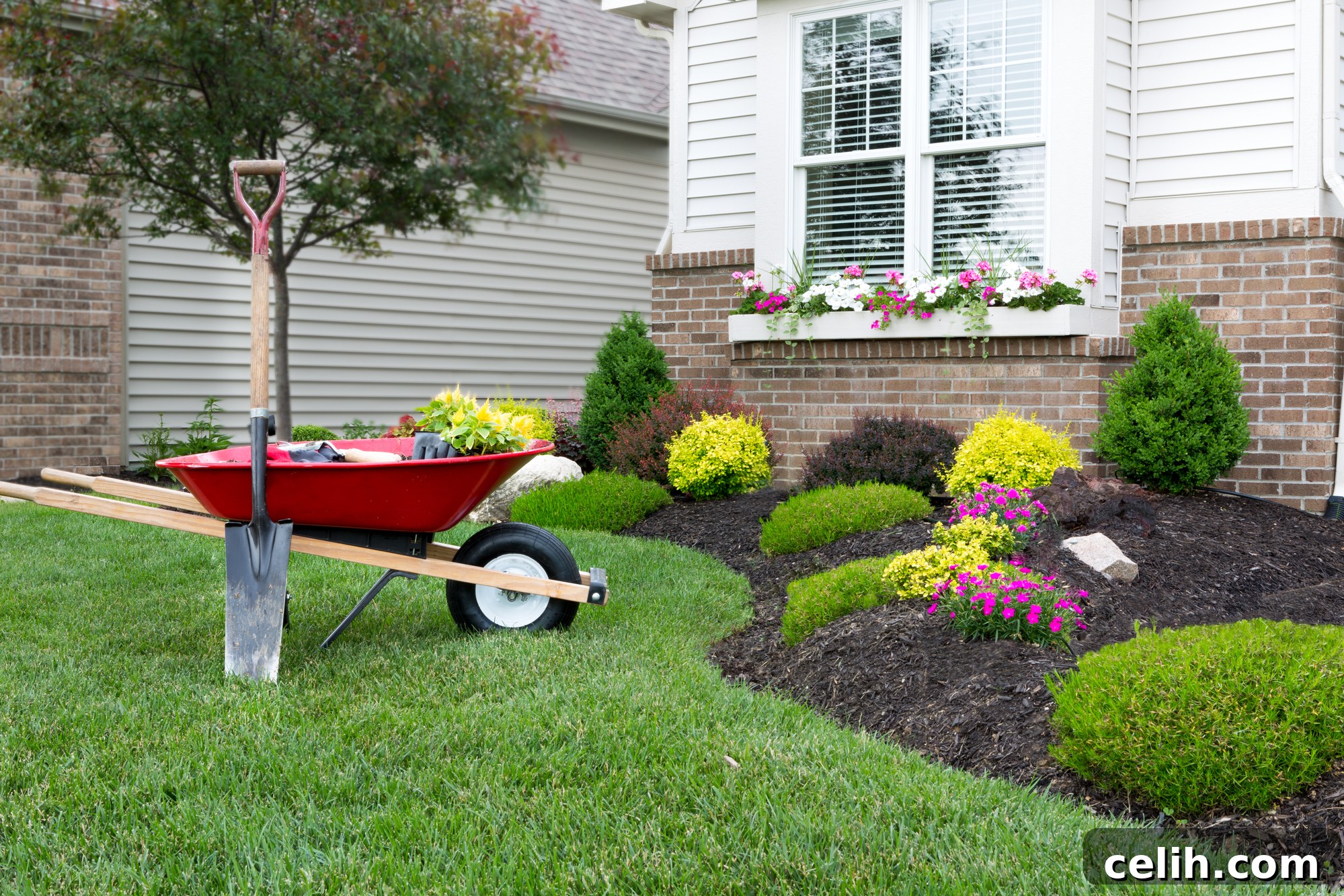
A vibrant, healthy lawn is more than just an aesthetic asset; it’s the welcoming mat to your home, a space for relaxation, and a testament to meticulous care. It significantly enhances your property’s curb appeal and provides a sanctuary of green beauty. However, achieving and maintaining that flawless, emerald expanse while simultaneously fending off common pests presents a unique challenge for many homeowners. The key lies in finding a harmonious balance between nurturing a thriving lawn ecosystem and implementing effective, sustainable pest management strategies that work with nature, not against it. This comprehensive guide delves into time-tested, eco-friendly practices that will help you cultivate a robust, pest-resistant lawn, ensuring both its beauty and the integrity of your home environment.
Understanding Your Lawn’s Fundamental Needs
The journey to a truly healthy lawn begins with a deep understanding of its foundational requirements. Like any living organism, your grass needs adequate sunlight, proper nutrients, and the right amount of water to thrive and develop strong resilience. Many homeowners inadvertently overlook these critical elements, often seeking immediate, superficial fixes that rarely provide sustainable, long-term solutions. While routine lawn maintenance can be effectively managed independently, considering a consultation with a reputable local lawn care company can be incredibly beneficial. These experts can conduct detailed soil analyses and assess your specific climate conditions to establish a customized care plan, perfectly tailored to your lawn’s unique needs.
Beyond general care, mastering proper watering techniques is paramount for optimal lawn health. The most effective approach is to water deeply but infrequently. This encourages the grass roots to grow deeper into the soil, seeking moisture and thereby increasing the lawn’s drought resistance and overall vigor. Early morning watering is generally considered most effective, as it minimizes water loss due to evaporation and allows the grass blades ample time to dry before evening, significantly reducing the risk of fungal diseases. For enhanced efficiency and precision, consider installing a smart irrigation system. These advanced systems utilize local weather data and soil moisture sensors to automatically adjust watering schedules, ensuring your lawn receives precisely what it needs, when it needs it, conserving water and promoting healthier growth.
Natural Pest Prevention Through Robust Soil Health
The ultimate secret to a naturally pest-resistant lawn lies not on the surface, but deep beneath it. Healthy, vibrant soil creates an ideal environment for strong, resilient grass that can inherently resist common lawn pests and diseases. Regular soil testing is an invaluable practice that allows you to understand the precise composition and nutrient levels of your soil. This insight enables you to proactively address any deficiencies, such as imbalances in pH or lack of essential minerals, long before they escalate into significant problems that weaken your lawn and make it susceptible to infestations.
Enriching your soil with organic matter, particularly through composting, is a highly effective strategy. Composted materials not only supply vital nutrients but also improve soil structure, enhancing water retention and aeration. Moreover, soils with a healthy 5% organic matter content can hold up to 20 times more water than soils with only 1%, making this a crucial factor in maintaining consistent lawn health and vigor during dry spells. This natural approach goes beyond just improving your lawn’s resilience; it also fosters a biodiverse environment where beneficial insects and microorganisms thrive. These natural allies play a crucial role in controlling harmful pest populations, creating a truly self-sustaining, pest-resistant ecosystem in your backyard without the need for harsh chemical interventions.
Optimizing Your Lawn with Smart Mowing Practices
Your mowing routine exerts a significant impact on both the health of your lawn and its natural ability to deter pests. Maintaining the proper mowing height—typically between 2.5 to 3.5 inches for most grass types—is crucial. Taller grass blades allow for greater photosynthesis, promoting deeper, stronger root growth, which in turn makes the lawn more drought-tolerant and better equipped to outcompete weeds by naturally shading them out. Furthermore, ensuring your mower blades are consistently sharp creates clean, precise cuts. Dull blades tear the grass, leaving ragged edges that are slower to heal, stress the grass plants, and make them far more susceptible to disease pathogens and opportunistic pest invasions.
A highly beneficial practice, known as grasscycling, involves leaving grass clippings on your lawn after mowing. These clippings are rich in nitrogen and other essential nutrients. As they decompose rapidly, they return valuable organic matter and nutrients directly back into the soil, acting as a natural, slow-release fertilizer. This practice significantly reduces the need for supplemental chemical fertilizers, improves soil structure, and conserves landfill space. By embracing smart mowing practices, including appropriate height and grasscycling, you contribute to a denser, healthier turf that is naturally more resistant to pests and requires less external intervention.
Establishing Natural Barriers Against Household Pests
While cultivating a thriving lawn, it’s equally important to consider how your overall landscaping choices influence pest control around your home’s perimeter. One of the most effective preventative measures for deterring a wide array of common household pests from infiltrating your living spaces is creating a strategic buffer zone between your lawn and the house foundation. This simple yet impactful modification can significantly reduce points of entry for unwanted visitors.
A practical method involves installing a gravel or rock barrier around your foundation. This barrier should extend at least 6 inches deep and ideally 12 to 18 inches wide, creating a dry, uninhabitable zone for many crawling insects. This physical separation makes it considerably harder for pests such as ants, spiders, and even rodents to access your home’s exterior walls and foundation cracks. Beyond pest deterrence, a properly installed gravel or rock barrier also significantly improves drainage around your foundation, preventing moisture accumulation that can attract pests like termites and silverfish, and helping to protect your home’s structural integrity from water damage.
Comprehensive Integrated Pest Management Strategies
Adopting an integrated pest management (IPM) approach is a holistic and highly effective way to address both lawn and household pest issues. This strategy prioritizes prevention and non-chemical controls, reserving chemical interventions only as a last resort and applying them in the most targeted manner possible. A cornerstone of IPM is regular monitoring, which involves routinely inspecting your lawn and home for early signs of pest activity. Early identification allows you to address potential problems when they are small and much easier to manage through natural, less invasive methods, often preventing the need for more aggressive treatments.
Common preventive measures, integral to any successful IPM strategy, include:
- Sealing Entry Points: Thoroughly inspect and seal cracks, gaps, and openings around windows, doors, utility lines, and foundations. Even small crevices can serve as gateways for insects and rodents.
- Maintaining Proper Drainage: Ensure that your landscape is graded to direct water away from your home’s foundation. Clogged gutters should be cleaned regularly to prevent overflow that can create damp conditions conducive to pests.
- Removing Standing Water Sources: Eliminate any sources of standing water in your yard, such as bird baths, clogged gutters, old tires, or pet bowls, which serve as breeding grounds for mosquitoes and other moisture-loving pests.
- Keeping Tree Branches and Shrubs Trimmed: Trim tree branches and shrubs so they do not touch the exterior of your house. These can act as “bridges” or direct pathways for pests like ants, roaches, and rodents to gain access to your roof and other entry points. Maintain at least a foot of clearance.
Effective Natural Pest Control Solutions
For those times when pests do emerge, a range of natural solutions can effectively control both lawn and household pests without resorting to harsh, potentially harmful chemicals. These eco-friendly options target pests while minimizing impact on beneficial organisms, pets, and human health. For instance, beneficial nematodes are microscopic roundworms that naturally occur in soil. When applied to your lawn, specific species of these nematodes actively seek out and parasitize soil-dwelling insects such as grubs, cutworms, and flea larvae, which are notorious for damaging grass roots. They offer a highly targeted and environmentally safe method of biological control.
Another powerful natural deterrent is diatomaceous earth (DE). This fine, powdery substance is composed of fossilized diatoms, which are microscopic aquatic organisms. When crawling insects, such as ants, cockroaches, and earwigs, come into contact with DE, its sharp, abrasive particles abrade their exoskeletons, leading to dehydration and death. Diatomaceous earth can be safely applied around your home’s perimeter, in garden beds, and even indoors, providing excellent protection. Furthermore, essential oils like peppermint, citrus (lemon, orange), and lavender are renowned for their pest-repelling properties. These oils can be diluted and sprayed to create natural deterrents for many common household pests, including spiders, ants, and mice, while simultaneously adding a pleasant, natural fragrance to your home. These natural solutions prove particularly effective when integrated into a broader strategy that includes proper maintenance practices and consistent monitoring.
Your Essential Seasonal Maintenance Calendar
Successful lawn care and effective pest control are not one-time tasks; they require consistent, year-round attention. Adhering to a seasonal maintenance calendar ensures your lawn receives the specific care it needs at the most opportune times, maximizing its health and resilience. As spring arrives, the focus shifts to strengthening your lawn after its winter dormancy, often involving initial fertilization, weed pre-emergents, and potentially core aeration to improve air and water penetration. Summer months emphasize vigilant monitoring for heat stress and specific summer pests like chinch bugs and sod webworms, along with adjusting watering schedules to cope with higher temperatures.
Fall presents the perfect window for crucial tasks such as core aeration and overseeding, which rejuvenate thinning areas and introduce new, stronger grass varieties. It’s also an ideal time for a final, slow-release fertilization to prepare your lawn for winter. During the quieter winter months, while outdoor lawn activity slows, you can focus on indoor pest prevention, equipment maintenance, and planning for the upcoming growing season. This proactive, cyclical approach significantly reduces the likelihood of severe pest infestations or major lawn health issues from developing. With a well-structured seasonal plan, you can maintain your entire garden, ensuring your outdoor space remains vibrant and thriving throughout every season, year after year.
Where Sustainability Harmonizes with Effectiveness
The evolving landscape of modern lawn care and pest control places an increasing emphasis on methods that are not only effective but also deeply sustainable. This approach champions environmental stewardship without compromising the beauty or health of your lawn. Incorporating drought-resistant grass varieties, for example, dramatically reduces water requirements while maintaining a lush appearance, a crucial consideration in many regions. Similarly, integrating native plants into your landscape design provides numerous benefits: they are naturally adapted to local soil and climate conditions, inherently resist many regional pests, and concurrently support beneficial insects and pollinators that help control harmful species, fostering a balanced local ecosystem.
Cultivating this balanced and resilient ecosystem around your home is an investment that takes time and consistent effort, but the long-term results are profoundly rewarding. A thriving lawn, complemented by thoughtfully selected, appropriate landscaping, not only looks beautiful but also develops a robust, natural resistance to pests, significantly reducing or even eliminating the need for chemical interventions. If you aspire to elevate your environmental commitment, making eco-conscious choices for your lawn and garden can further boost your property’s curb appeal while making a tangible positive impact on the local environment. Remember that maintaining a verdant lawn and a pest-free home is a journey that requires patience, consistency, and a holistic perspective. Focus on building truly healthy soil from the ground up, selecting appropriate plant materials for your specific climate, and addressing any emerging issues promptly through natural, environmentally friendly methods whenever possible. This integrated approach not only creates lasting, beautiful results but also promotes overall environmental health, safeguards the well-being of your family and pets, and ultimately reduces long-term maintenance costs, providing a truly sustainable solution for your outdoor sanctuary.