
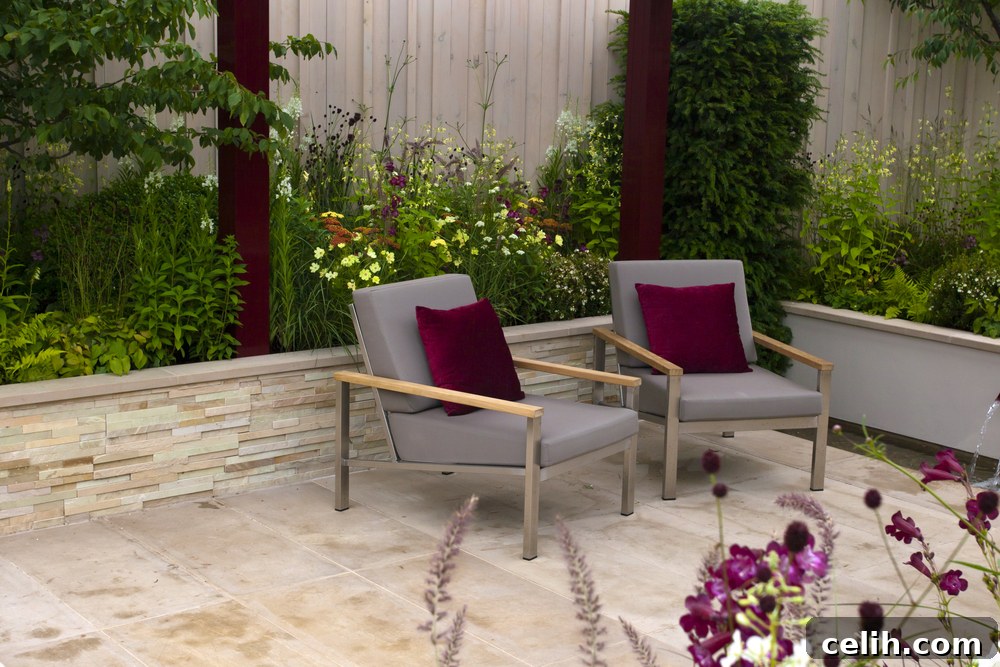
The world of outdoor design is in constant evolution, and nowhere is this more evident than in the dramatic shift from traditional garden aesthetics to the sleek, sophisticated realm of modern landscaping. Gone are the days of overflowing, whimsical borders bursting with a riot of mismatched blooms and meandering pathways. Today’s discerning homeowners and designers are embracing a cleaner, more intentional approach, one that prioritizes geometric precision, elegant minimalism, and a harmonious connection with contemporary architectural styles. This movement is not just about a change in visual preference; it’s about creating outdoor spaces that are functional, sustainable, and reflect a refined sense of order and tranquility.
Modern landscaping distinguishes itself through its emphasis on clarity, purpose, and restraint. It draws inspiration from modern architecture, mirroring its principles of form follows function, clean lines, and a less-is-more philosophy. The result is an outdoor environment that feels integrated with the home, extending living spaces seamlessly into nature while maintaining a distinct sense of contemporary artistry. It’s an approach that celebrates the intrinsic beauty of materials, the sculptural quality of plants, and the interplay of light and shadow, making every element count.
David Wilson, an award-winning designer, eloquently captures the essence of successful modern design, suggesting that true success is achieved when every single element of a landscaping project proves indispensable. If you find that each component holds its own vital purpose, and its removal would leave a tangible void, then you’ve likely crafted a truly beautiful and effective design. This philosophy underscores the importance of thoughtful planning and intentional selection, ensuring that every plant, stone, and structure contributes meaningfully to the overall vision, rather than adding clutter.
Achieving this level of thoughtful design, however, is often easier said than done. Embarking on a landscaping project, whether it’s a complete overhaul of your garden or a minor refresh of your yard this year, requires careful consideration. To help navigate the exciting journey of transforming your outdoor space into a modern masterpiece, here are some essential landscaping dos and don’ts that will guide your decisions and ensure your project stands the test of time, aligning perfectly with contemporary aesthetics.
DO
Embracing the modern aesthetic in your garden means making deliberate choices that amplify clarity, sophistication, and a sense of calm. These key principles will help you cultivate an outdoor space that is both visually stunning and highly functional, perfectly complementing your contemporary home and lifestyle.
- Choose light and natural colours for your landscape elements: One of the defining characteristics of modern landscaping is its embrace of a serene and sophisticated colour palette. Forget vibrant, clashing hues; instead, opt for light, natural, and neutral colours that provide a sense of calm and expand the perception of space. Materials such as creamy limestone, pale concrete, silvery weathered steel, warm ripe wood, and soft pea gravel are not merely functional but become integral design elements. These materials allow the inherent beauty of your garden’s structure and the sleek architectural lines of your home to truly shine. Light colours reflect more sunlight, making outdoor areas feel brighter and more open, which is particularly beneficial in smaller spaces. They also provide a perfect backdrop for the carefully selected plant forms, ensuring that the focus remains on shape and texture rather than overwhelming bursts of colour. This choice creates a timeless elegance and versatility, allowing for easy updates with accessories without major structural changes, contributing to a truly tranquil outdoor sanctuary.
- Select plants of a definite and sculptural form: In modern landscaping, plants are chosen for their architectural qualities and structured shapes rather than an abundance of flowers. The goal is to create strong visual impact and defined lines that echo the geometric themes of the overall design. Plants that can be easily manipulated and clipped into precise shapes, such as various species of boxwood (e.g., Japanese boxwood, English boxwood), are incredibly popular. Their dense foliage and adaptability allow for hedges, spheres, and other geometric forms that add order and sophistication. Beyond clipped forms, consider plants with naturally spiky, upright, or weeping habits that contribute unique textures and silhouettes. Succulents, ornamental grasses (like Little Bluestem or Feather Reed Grass), and some types of bamboos can provide dramatic visual interest without becoming unruly. These plants contribute to the minimalist aesthetic by acting as living sculptures, drawing the eye and adding depth while maintaining the clean, uncluttered feel. Focus on foliage color and texture variations to add interest, rather than relying solely on ephemeral blooms.
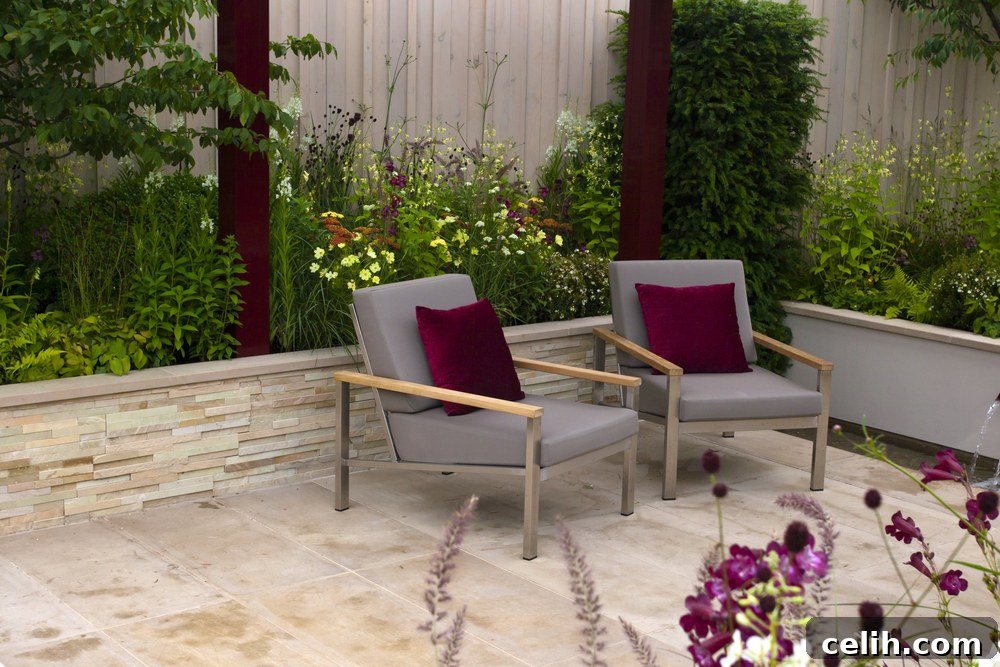
- Choose one dominant plant colour to create a focal point: Simplicity is key in contemporary garden design, and this principle extends to your planting scheme. Instead of a kaleidoscope of colours, opt for a more restrained approach by selecting one dominant plant colour to take centre stage or act as the primary accent. This creates a cohesive and sophisticated look, allowing the forms and textures of your chosen plants to be fully appreciated without visual competition. For example, a swathe of plants with deep green foliage can be punctuated by a single species with striking silver leaves or vibrant burgundy tones. This focused colour palette brings a sense of serenity and elegance to the garden, enhancing its tranquil atmosphere. Moreover, this disciplined approach makes it incredibly easy to accessorize your outdoor space. Coordinating garden furniture, throw cushions, or decorative pots in complementary or contrasting colours can effortlessly enhance the overall design, allowing you to introduce splashes of colour in a flexible and non-committal way without disrupting the fundamental tranquility of your modern landscape.
DON’T
While the allure of new trends and traditional garden elements can be strong, successful modern landscaping often means exercising restraint and avoiding common pitfalls that can detract from a clean, sophisticated aesthetic. Being mindful of these “don’ts” will help you maintain the integrity of your contemporary vision and ensure your outdoor space remains timeless.
- Don’t get overly carried away with fleeting new trends: The world of landscaping, much like fashion, is constantly evolving, with new trends unveiled annually at prestigious garden shows like the RHS Chelsea. While it’s tempting to incorporate every novel idea, resist the urge to overcommit to fleeting fads. A bold and eclectic mix of bright, trending colours in your planting scheme, for instance, might seem exciting initially, but it can quickly result in a cluttered, visually chaotic space that dates your design prematurely. True modern design strives for timelessness and enduring appeal. Instead, carefully consider which trends truly resonate with your personal style and the overall aesthetic of your home, and which are best avoided for longevity. The ideal modern landscape should be a space that you will genuinely love and appreciate for years to come, not just a season. If you feel the need to introduce vibrant colours, do so through temporary and easily changeable elements like garden furniture, outdoor rugs, or decorative planters. This approach allows for stylistic updates without requiring a complete overhaul of your permanent landscape features.
- Don’t utilise organic mulch in your garden beds for a modern finish: While organic mulches like bark chips or shredded wood are excellent for traditional gardens due to their natural appearance and soil conditioning benefits, they tend to contradict the clean, minimalist aesthetic desired in modern landscaping. Their irregular texture and tendency to decompose can create a less defined look, compromising the crispness of the design. For a truly contemporary finish, landscaping experts strongly recommend avoiding organic mulch within garden beds. Instead, pea gravel is the superior choice. Its uniform, smooth texture and neutral colour create a sharp, intentional contrast between the ground plane and the foliage of your plants. This stark delineation enhances the crisp lines and geometric forms characteristic of modern design. Pea gravel also offers practical benefits, including excellent drainage, effective weed suppression, and a durable, low-maintenance surface that remains consistent over time, perfectly aligning with the functional and aesthetic demands of a modern outdoor space.
- Don’t select ornate or overly decorative furniture: The furniture you choose for your outdoor space plays a crucial role in defining its character. To achieve the perfect modern outdoor sanctuary, it is imperative to opt for streamlined, sleek, and minimalist garden furniture. Ornate pieces with intricate details, heavy embellishments, or rustic finishes tend to clash severely with the clean lines and understated elegance of a modern landscaping background. Instead, look for furniture that emphasizes simplicity of form, often crafted from contemporary materials like powder-coated metals, concrete, treated minimalist wood, or high-quality synthetics. These materials, combined with simple geometric shapes, contribute to a sense of openness and sophistication without adding visual clutter. The focus should be on comfort and functionality, allowing the furniture to complement the landscape rather than compete with it. A well-chosen, sleek outdoor seating arrangement or dining set can enhance the overall aesthetic, providing a stylish and comfortable extension of your indoor living space into the modern garden.
Designing for Durability and Low Maintenance
One of the often-overlooked benefits of modern landscaping is its inherent tendency towards lower maintenance. The intentional choice of hardscaping materials like concrete pavers, natural stone, and pea gravel minimizes areas requiring weeding or extensive planting care. Similarly, selecting drought-tolerant plants with definite forms often translates to less watering and pruning, especially when combined with efficient drip irrigation systems. This thoughtful design approach not only creates a beautiful space but also a more sustainable one, requiring fewer resources and less time to maintain its pristine appearance. Integrating smart lighting and automated watering can further enhance both the functionality and eco-friendliness of your modern garden, making it an ideal choice for busy homeowners.
The Role of Hardscaping and Water Features
Hardscaping forms the backbone of any modern landscape, providing structure and definition. Patios, walkways, and retaining walls are not just functional elements but sculptural components that define outdoor rooms and guide movement. Materials like large format concrete slabs, precisely cut natural stone, or exposed aggregate provide a clean, expansive feel, emphasizing geometric patterns. Water features in modern gardens are typically understated and architectural, such as reflecting pools, linear fountains, or sleek spillways. They add a soothing auditory element and visual interest without overwhelming the minimalist aesthetic, often integrated directly into hardscape elements to maintain continuity and clean lines, creating a tranquil sensory experience.
Bringing It All Together: Your Modern Outdoor Oasis
Creating a modern landscape is an exciting journey of intentional design and thoughtful choices. By focusing on clean lines, geometric forms, a refined palette of natural materials and colours, and carefully selected plant specimens, you can transform your outdoor space into a contemporary oasis. This style offers not just aesthetic appeal but also a practical, low-maintenance environment that harmonizes beautifully with modern living. Embrace the principles of minimalism and purpose, and you’ll discover a garden that is not only visually stunning but also profoundly tranquil and enduring. Your modern outdoor sanctuary awaits, providing a seamless extension of your indoor elegance into the natural world.
Image credit: Shutterstock