
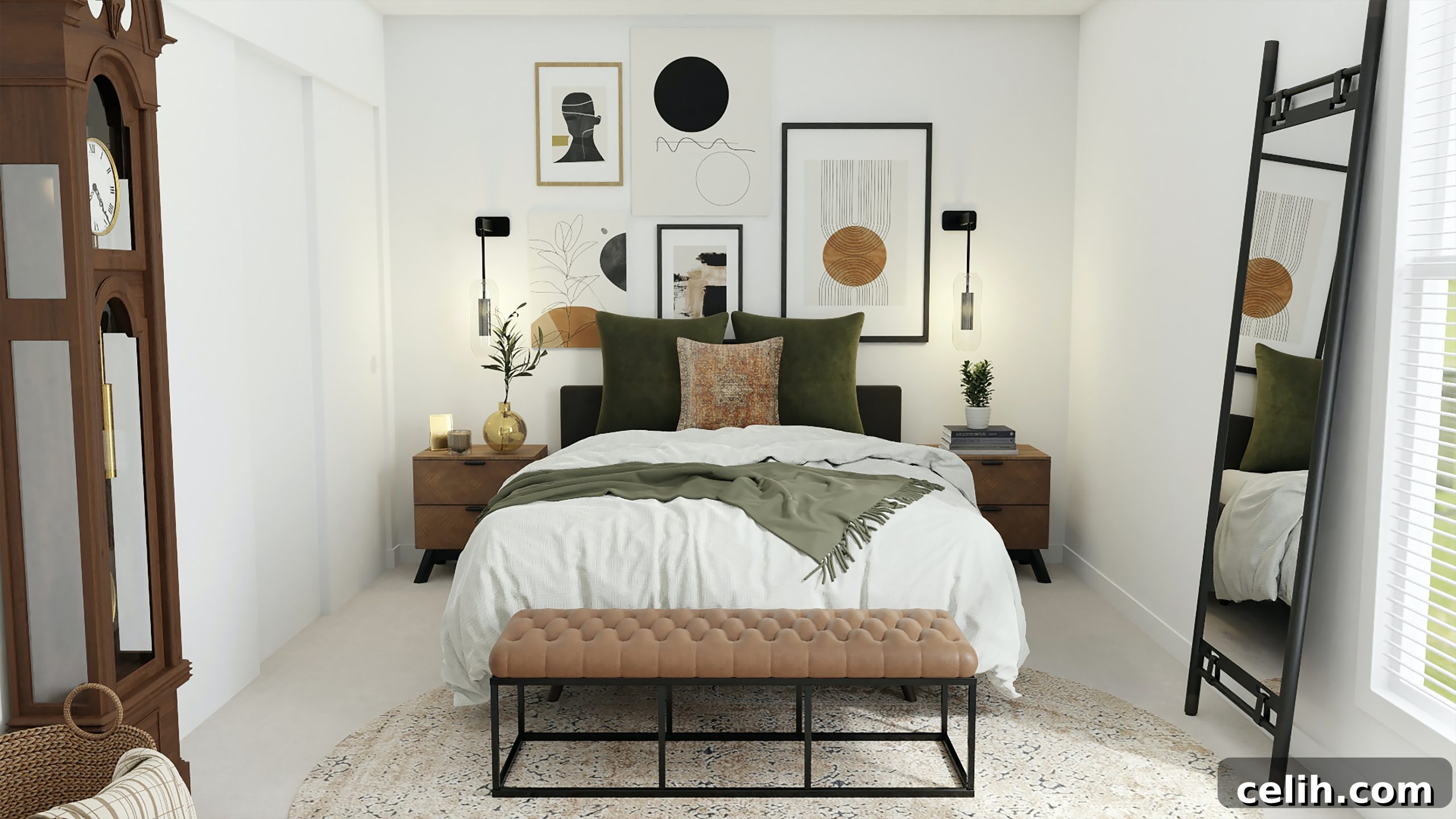
In today’s dynamic world, homes are increasingly called upon to serve multiple functions. Whether you’re working remotely, pursuing a hobby, or simply need an extra space for storage, a spare room often becomes a catch-all. However, the most rewarding transformation for many homeowners is converting a seldom-used study or spare bedroom into a welcoming and functional guest retreat. This guide will walk you through the essential steps, offering practical advice and creative insights to help you craft a space that is both comfortable for visitors and a seamless extension of your home.
Transforming a room from a dedicated workspace or storage area into a dual-purpose guest haven requires thoughtful planning and execution. It’s about blending comfort with utility, ensuring your guests feel cherished while maintaining the room’s primary function when unoccupied. From selecting the perfect foundation with the right flooring to curating an inviting atmosphere with carefully chosen decor, every detail contributes to a memorable stay. Let’s delve into creating a space that makes every guest feel right at home, all while maximizing the potential of your valuable square footage.
Laying the Foundation: Strategic Planning for Your Guest Haven
Before diving into decor and furniture, a successful guest room conversion begins with strategic planning. Consider the existing layout, the primary use of the room when guests are not present, and your overall budget. Will this room primarily function as a home office that occasionally hosts visitors, or will it be a dedicated guest space with a secondary purpose? Understanding this balance will guide your decisions on everything from flooring to furniture choices.
Assess the room’s size, natural light, and proximity to other essential areas like bathrooms. Think about who your typical guests will be – family, friends, individuals, or couples – as this will influence bed size and amenities. A clear vision and a practical budget will ensure a smooth transformation, allowing you to invest wisely in elements that offer both comfort and longevity.
Step 1: Decide on the Right Flooring Option
The foundation of any comfortable room begins with its flooring. For a guest bedroom, especially one that might double as a study or another functional space, choosing the right material is crucial for aesthetics, durability, and ease of maintenance. The decision should balance the room’s likely traffic, desired aesthetic, and practical considerations like noise reduction and stain resistance.
Hardwood Flooring: Timeless Elegance and Durability
Hardwood floors offer a classic, timeless appeal that can elevate any room. They are incredibly durable and, with proper care, can last for decades, even centuries. The natural variations in wood grain add warmth and character, making a guest room feel inviting. While an initial investment, hardwood can be refinished multiple times, extending its lifespan and refreshing its look. It’s also a good choice for those with allergies, as it doesn’t trap dust mites or pet dander like carpet can. However, hardwood can be prone to scratches and can be noisy if not properly installed with an underlayment.
Laminate Flooring: Practicality Meets Style
Laminate flooring provides an excellent alternative for those seeking the look of hardwood or tile without the higher cost. It’s highly resistant to scratches, dents, and fading, making it a robust option for areas that may see varying levels of activity. Laminate is also relatively easy to install and maintain, requiring only regular sweeping and occasional damp mopping. The variety of styles and finishes available means you can easily find a laminate that complements your home’s decor. On the downside, laminate can sometimes feel less substantial underfoot than real wood and may not be as effective at sound dampening.
Vinyl and Luxury Vinyl Plank (LVP): Versatility and Water Resistance
Vinyl flooring, particularly luxury vinyl plank (LVP), has gained immense popularity for its exceptional versatility and water-resistant properties. LVP can mimic the appearance of wood or stone with remarkable realism, often at a fraction of the cost. It’s incredibly durable, comfortable underfoot, and ideal for rooms that might experience spills or heavy foot traffic. Its water resistance makes it a fantastic choice for guest rooms that are adjacent to bathrooms or laundry areas. LVP is also known for its easy installation and low maintenance. While it’s a practical choice, some may find it lacks the natural texture of genuine materials.
Tile or Stone: Modern, Durable, and Cool
For a contemporary feel or in warmer climates, tile or natural stone flooring can be an excellent option. Materials like ceramic, porcelain, or natural stone offer unparalleled durability and are virtually impervious to water, stains, and wear. They provide a sleek, sophisticated look and can help keep a room cooler. Porcelain tiles from a reputable supplier are known for their strength and wide range of designs. However, tile and stone can be cold underfoot, requiring rugs for warmth and comfort, and can be harder on the joints. Installation can also be more complex and costly.
Carpet: Warmth, Comfort, and Sound Absorption
While not mentioned in the original text, carpet is a viable option for guest bedrooms, especially if comfort and sound absorption are top priorities. It offers warmth, a soft feel underfoot, and can significantly reduce noise, creating a tranquil environment for sleeping guests. Modern carpets are available with stain-resistant treatments, making them more practical than ever. However, carpet can trap allergens and requires more frequent vacuuming and occasional deep cleaning to maintain hygiene. It may also not be suitable for a multi-functional room that sees a lot of spills or heavy furniture movement.
When making your selection, always consider the overall aesthetic you’re aiming for, the room’s other functions, and the practicalities of long-term maintenance. Ensure the chosen flooring is resistant to wear and tear, easy to clean, and contributes to a quiet and comfortable environment for your guests.
Step 2: Choose the Right Furniture and Accessories
Once the flooring is in place, the true personality of your guest room begins to emerge with the selection of furniture and accessories. This step is about blending comfort, functionality, and style to create an inviting space that anticipates your guests’ needs. The goal is to make the room feel like a thoughtful extension of your home, not just an afterthought.
The Heart of the Room: The Bed and Mattress
The most crucial piece of furniture in any guest room is, undoubtedly, the bed. Prioritize a comfortable mattress and a sturdy bed frame. For rooms that serve a dual purpose, consider space-saving options:
- Sofa Beds: Ideal for a study or living area that occasionally hosts guests. Modern sofa beds offer surprisingly comfortable mattresses and come in various styles.
- Murphy Beds: These beds fold vertically into a wall cabinet, completely disappearing when not in use. They are perfect for maintaining a spacious office or gym during the day.
- Daybeds: A versatile option that can function as a sofa during the day and a twin-sized bed at night. Many also feature a trundle bed underneath, offering an additional sleeping surface.
- Platform Beds: For dedicated guest rooms, a standard platform bed with under-bed storage drawers can be a practical choice, eliminating the need for a box spring.
Regarding mattresses, don’t skimp on quality. While not for everyday use, a comfortable sleep ensures a happy guest. Options include supportive memory foam, classic innerspring, or a hybrid mattress. An air bed or a futon mattress might offer convenience for very occasional use, but a proper mattress provides superior comfort and support. Invest in good quality pillows – offer a mix of firm and soft options – and comfortable, inviting bedding. High-thread-count sheets, a soft duvet or quilt, and a few decorative throws will make the bed feel luxurious.
Essential Furniture for Guest Comfort
Beyond the bed, a few key pieces of furniture will enhance your guests’ stay:
- Nightstands and Lighting: Every guest needs a place to set down a book, phone, or glass of water. Nightstands on either side of the bed, each with a lamp, provide essential convenience and ambient lighting. Choose lamps with easily accessible switches.
- Storage Solutions: Even for a short stay, guests appreciate having a designated place for their belongings. A small dresser with a few empty drawers, a cleared section of a closet with hangers, or a luggage rack can make a huge difference. If space is tight, a multi-functional bench with internal storage is a great idea.
- Seating: If space allows, a comfortable armchair or a small bench can provide a quiet spot for reading or relaxing, separate from the bed.
- Desk or Workspace (if dual-purpose): If the room serves as a study, ensure the desk space is organized and inviting. Consider a console table that can double as a desk or a vanity.
Accessories: The Finishing Touches
Accessories are where you inject personality and warmth into the room. They transform a functional space into a welcoming sanctuary:
- Mirrors: A full-length mirror is incredibly useful for guests getting ready.
- Window Treatments: Ensure adequate privacy and light control with blinds, shades, or blackout curtains. Guests appreciate the ability to block out morning light.
- Area Rugs: If you have hard flooring, a soft area rug can add warmth, define the sleeping area, and absorb sound, making the room feel cozier and quieter.
- Throw Blankets and Pillows: These add layers of comfort and texture, making the bed and any seating area more inviting.
- Art and Decor: Choose artwork that is calming and aesthetically pleasing. Avoid overly personal photos or controversial pieces. Plants can add a touch of freshness and life to the room.
By thoughtfully selecting furniture that combines comfort and practicality, and by adding accessories that create a sense of warmth and welcome, you’ll be well on your way to transforming your spare room into a truly exceptional guest retreat.
Step 3: Make Sure Your Guests Have Everything They Need
A truly exceptional guest experience goes beyond just a comfortable bed and tasteful decor; it’s about anticipating needs and providing thoughtful amenities that make visitors feel cherished and independent. Think about what you would appreciate if you were staying away from home, and strive to provide those essentials.
Bathroom and Personal Care Essentials
Ensure your guests have access to basic toiletries. While they might bring their own, having a selection available is a thoughtful touch. Stock a small basket with travel-sized bottles of:
- Shampoo and Conditioner
- Body Wash or Soap
- Lotion
- Fresh dental supplies (toothbrush, toothpaste)
- A new bar of soap or liquid hand soap
- Small amenities like cotton balls, Q-tips, and perhaps a small sewing kit
Beyond toiletries, provide a fresh set of towels in varying sizes (bath, hand, face cloth) per guest. Make sure they are easily accessible, perhaps neatly folded on the bed or a designated shelf. A robe and slippers can also add a touch of luxury and comfort, especially if the bathroom is shared.
Bedding and Comfort Enhancements
Even the most comfortable bed can benefit from extra layers. Provide additional pillows (both firm and soft options), extra blankets, and a throw blanket for lounging. This allows guests to adjust their sleeping environment to their personal preference, ensuring a restful night’s sleep regardless of room temperature.
Connectivity and Information
In today’s digital age, easy access to Wi-Fi is practically a necessity. Clearly display your Wi-Fi network name and password in a visible spot, perhaps on a small card on the nightstand or in a welcome binder. A multi-port charging station or easily accessible power outlets near the bed are also highly appreciated, allowing guests to charge their devices conveniently without searching for adapters.
Consider creating a small welcome guide. This could include:
- Your Wi-Fi information
- Emergency contact numbers (your own, local emergency services)
- Basic house rules (e.g., quiet hours, where to find coffee)
- Recommendations for local attractions, restaurants, or cafes
- Instructions for operating any specific appliances in the room (e.g., smart TV, coffee maker)
Refreshments and Snacks
A thoughtful gesture is to provide a small selection of snacks and beverages. A few bottled waters, perhaps a small bag of chips, granola bars, or fresh fruit, can be a lifesaver for late-night arrivals or morning hunger pangs. A small coffee maker or an electric kettle with a selection of teas and coffee can also make a guest feel truly at home and allow them to enjoy a hot drink without disturbing you.
Reading Material and Entertainment
While many guests bring their own entertainment, having a few current magazines, a bestseller novel, or even a local interest book can provide a pleasant diversion. If there’s a TV in the room, ensure it’s easy to operate and connected to streaming services or local channels. For dual-purpose rooms, make sure any work-related items are neatly stored away, ensuring the guest space is dominant when visitors are present.
By anticipating these varied needs and providing a thoughtful array of amenities, you demonstrate genuine hospitality, making your guests feel truly cared for and comfortable during their stay. This attention to detail transforms a simple room into a memorable experience.
Step 4: Create a Welcoming Atmosphere
The final touches are arguably the most impactful when it comes to transforming a functional room into a warm and inviting guest retreat. Creating a welcoming atmosphere goes beyond just aesthetics; it’s about invoking a feeling of peace, comfort, and belonging. This involves careful consideration of lighting, color, scent, and personalized decor.
The Power of Color and Lighting
Color Palette: Opt for calming and neutral color schemes that appeal to a wide range of tastes. Soft blues, greens, greys, and warm off-whites create a serene backdrop that promotes relaxation. You can introduce pops of color through throw pillows, artwork, or fresh flowers, but keep the overall palette soothing.
Layered Lighting: Good lighting is essential for both functionality and mood. Instead of just one overhead light, incorporate layered lighting:
- Ambient Lighting: A central ceiling fixture for overall illumination.
- Task Lighting: Bedside lamps for reading, and perhaps a desk lamp if the room is dual-purpose.
- Accent Lighting: A dimmer switch on overhead lights or a small floor lamp can create a softer, more intimate glow in the evenings.
Ensure lightbulbs emit a warm, soft glow rather than harsh, cool light, which can feel less inviting.
Thoughtful Decor and Personal Touches
Artwork and Wall Decor: Hang artwork or photos that add color, texture, and personality without being overly personal or distracting. Landscapes, abstract art, or charming prints can enhance the room’s character. Avoid overly busy galleries of personal family photos, as this can make guests feel like they’re intruding.
Plants and Greenery: A touch of nature can instantly refresh a space. A low-maintenance houseplant or a small vase of fresh flowers on a nightstand or dresser adds life, color, and a pleasant scent. Plants also help purify the air, contributing to a healthier environment.
Books and Magazines: Place a small selection of books (a mix of genres) or current magazines on a nightstand or coffee table. This provides guests with a quiet activity and shows you’ve considered their leisure time. Perhaps include books about local attractions or interesting topics.
Scent: The power of scent is often overlooked. A subtle, pleasant aroma can make a significant difference. Consider a mild essential oil diffuser (with a light, universally appealing scent like lavender or citrus), a scented candle (unlit, for safety), or simply open the window for fresh air before guests arrive. Avoid strong, overpowering fragrances.
Cleanliness, Decluttering, and Privacy
Impeccable Cleanliness: This is non-negotiable. A spotless room, freshly laundered linens, and a clean bathroom are paramount. Pay attention to details: dust surfaces, vacuum thoroughly, and ensure windows are clean.
Decluttering: A clutter-free space feels more expansive and relaxing. Remove any personal items that aren’t strictly necessary for the guest’s comfort. If the room is a home office, ensure all work-related papers and equipment are neatly stored or put away, giving the guest the primary use of the space.
Privacy: Ensure window coverings provide full privacy. If the room has a lockable door, make sure it functions correctly. Inform guests about noise levels in other parts of the house and any designated quiet hours to ensure they feel they have their own private sanctuary.
By thoughtfully addressing these elements—from the visual appeal of color and decor to the sensory experience of lighting and scent, and the practical comfort of cleanliness and privacy—you can transform any spare room into a truly welcoming and memorable guest retreat. This holistic approach ensures your guests don’t just have a place to sleep, but a comfortable and inviting home away from home.
Creating Your Perfect Guest Retreat
Converting a study or spare bedroom into a comfortable and inviting guest space is a rewarding project that enhances your home’s functionality and your guests’ experience. By following these comprehensive steps, you can easily transform an underutilized area into a warm and welcoming haven. From carefully selecting durable and stylish flooring that suits a multi-functional room, to choosing versatile furniture and thoughtful accessories that prioritize comfort and convenience, every decision contributes to the overall success of the transformation.
Remember that genuine hospitality lies in the details. Anticipating your guests’ needs by providing essential toiletries, extra linens, connectivity options, and a few welcoming treats will make them feel truly at home. Finally, curating a soothing atmosphere through considered color palettes, layered lighting, subtle decor, and impeccable cleanliness ensures a relaxing and memorable stay. With a blend of practicality and personal touches, your new guest retreat will not only impress your visitors but also add significant value and versatility to your living space. So, take these steps, unleash your creativity, and get ready for happy hosting!