
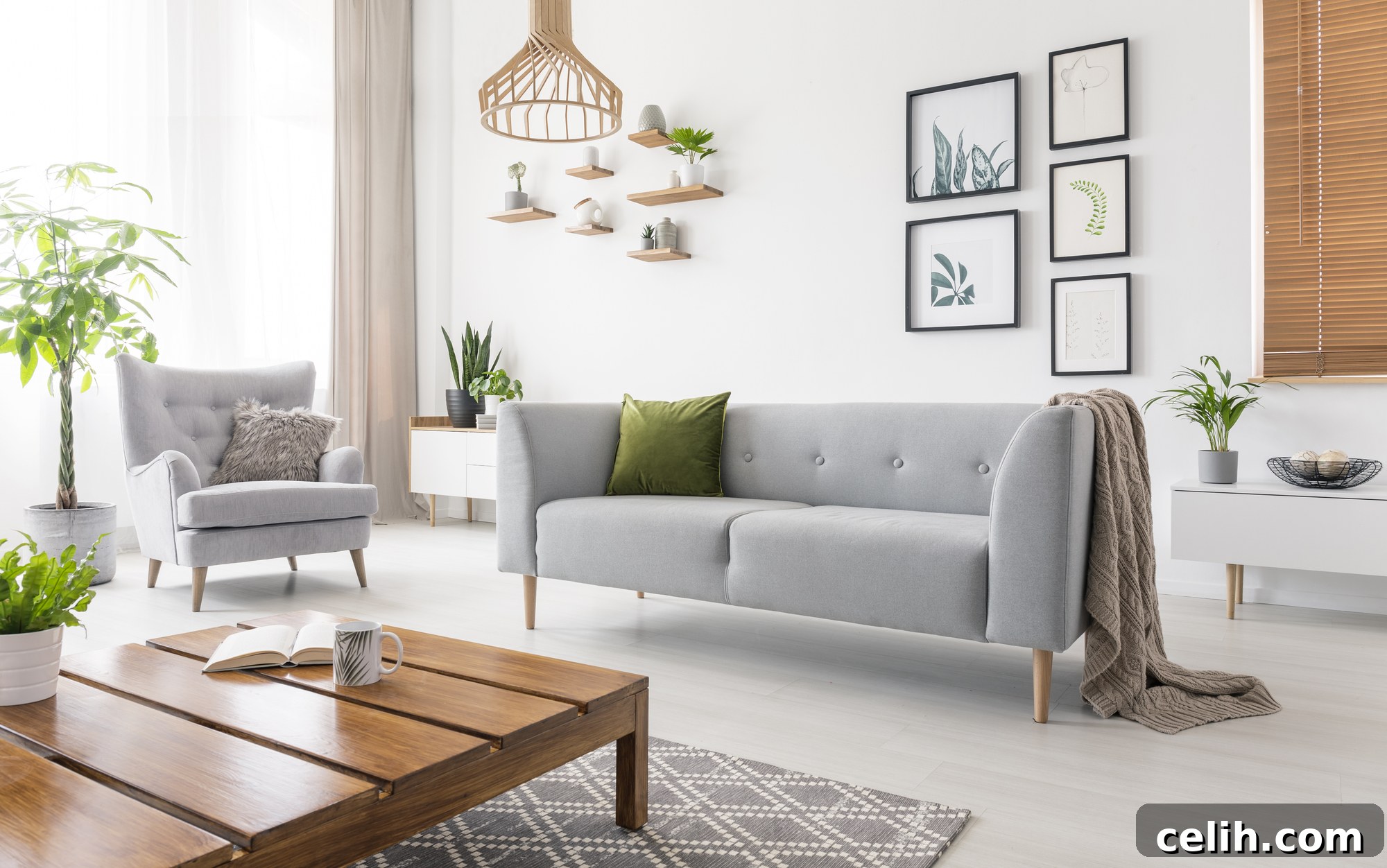
Each year, the world of home interior design undergoes a captivating transformation, and 2024 is proving to be a particularly exciting period for innovation and aesthetic evolution. Whether you’re embarking on a comprehensive home renovation, planning a subtle room refresh, or simply seeking inspiration to elevate your living environment, staying informed about the latest trends is essential. This knowledge empowers you to make informed decisions, ensuring your home not only reflects contemporary style but also provides a deeply comfortable and personal sanctuary.
This comprehensive guide delves into seven of the most impactful and stylish home interior trends defining 2024. We’ll explore the essence of each trend, provide practical tips, and offer creative ideas to seamlessly integrate these cutting-edge concepts into your own unique space, helping you cultivate a home that is both beautiful and functional.
Top Interior Design Trends of 2024: Elevate Your Living Space
Introduction: Shaping the Modern Home Aesthetic
The dawn of 2024 brings with it a fresh wave of interior design philosophies, emphasizing connection to nature, mindful consumption, and personalized comfort. Homeowners and designers alike are moving towards spaces that are not only visually appealing but also deeply resonate with well-being and practicality. This year’s trends are a beautiful blend of past influences, present needs, and future aspirations, offering diverse avenues for personal expression. From embracing the calming power of the natural world to integrating seamless technology and celebrating unique vintage finds, 2024 invites us to create homes that are truly reflections of ourselves and our values.
The 7 Key Interior Design Trends of 2024
1. Biophilic Design: Bringing the Outdoors In
Biophilic design is more than just a fleeting trend; it’s a profound movement recognizing and strengthening the innate human connection to nature within our built environments. This design philosophy aims to foster health, enhance well-being, and imbue spaces with a natural, serene aesthetic. By consciously integrating natural elements, patterns, and processes into home interiors, biophilic design can significantly reduce stress, improve cognitive function, and enhance overall mood. It’s about creating a harmonious balance between the modern indoor living and the restorative power of the natural world. Here are compelling ways to incorporate biophilic design into your home, transforming it into a tranquil retreat:
- Embrace Natural Materials: The foundation of biophilic design lies in the use of authentic, earthy materials. Incorporate elements like untreated wood, exposed stone, natural bamboo, cork, and jute to introduce organic textures and a comforting warmth. These materials not only look beautiful but also connect us to the raw beauty of the environment. Consider furniture made from sustainably sourced wood, stone countertops, or decorative pieces crafted from natural fibers.
- Plants Galore: Greenery is the undisputed star of biophilic design. From an abundance of potted plants strategically placed throughout rooms to elegant hanging baskets cascading with foliage, and even large statement trees, plants are a must. Explore the possibility of a striking vertical garden or a living wall for a dramatic, space-saving effect that brings vibrant life and improved air quality indoors. Choose plants that thrive in your home’s conditions and consider varieties known for their air-purifying qualities.
- Maximize Natural Light: Sunlight is crucial for our well-being and a cornerstone of biophilic design. Optimize natural light by using sheer curtains or blinds that allow diffused light to filter in, rather than blocking it entirely. If possible, consider installing larger windows, skylights, or even light tubes to draw more daylight deep into your home. Strategic placement of mirrors can also help reflect and amplify natural light, making spaces feel brighter and more expansive.
- Incorporate Natural Patterns and Forms: Look for textiles, wallpapers, or artworks that feature organic patterns found in nature, such as leaves, geological formations, or flowing water. Furniture with soft, curved lines or shapes inspired by pebbles and tree branches can further reinforce the natural aesthetic. Even subtle details like a textured rug reminiscent of moss or a ceramic vase with an organic, hand-crafted feel contribute to the biophilic experience.
- Introduce Water Elements: A small indoor fountain or a decorative water feature can add a calming sensory experience, bringing the soothing sounds of nature into your home. The gentle trickling of water is known to reduce stress and create a peaceful atmosphere.
2. Sustainable and Eco-Friendly Materials
In 2024, sustainability has moved beyond being a niche concern to become a core principle in interior design. It’s no longer solely about selecting individual eco-friendly products, but rather about a holistic integration of materials and practices that minimize environmental impact throughout a home’s lifecycle. This trend reflects a growing global consciousness towards climate change and a desire for healthier living spaces. Embracing sustainability in your home design is a powerful way to contribute to a greener future and create an environment that is safe and healthy for your family. Here’s how you can make your home a beacon of eco-conscious living:
- Prioritize Recycled and Upcycled Materials: Actively seek out furniture, decor, and building materials made from recycled or upcycled components. This includes items crafted from recycled glass, reclaimed wood from old barns or factories, recycled plastic composites, and even upcycled textiles transformed into new fabrics. Choosing these materials reduces demand for virgin resources and minimizes landfill waste, giving new life to existing materials.
- Opt for Eco-Friendly Fabrics: When selecting textiles for upholstery, curtains, bedding, and rugs, prioritize natural and recycled fabrics. Excellent choices include organic cotton, linen, hemp, and jute, which are biodegradable and often require less water and fewer pesticides to produce. Innovative PET fabric, made from recycled plastic bottles, offers a durable and sustainable alternative for various applications, demonstrating how waste can be transformed into beautiful and functional items.
- Choose Low VOC Paints and Finishes: Volatile Organic Compounds (VOCs) found in many conventional paints and finishes can release harmful gases into your home’s air, impacting air quality and potentially causing health issues. In 2024, selecting low VOC or zero VOC paints, stains, and sealants is a crucial step towards creating a healthier indoor environment. Many brands now offer a wide range of colors and finishes that are safe and environmentally responsible, ensuring your home looks great without compromising well-being.
- Invest in Durable, Long-Lasting Pieces: A key aspect of sustainability is reducing consumption. Instead of frequently replacing items, invest in high-quality furniture and decor that are built to last. Durable pieces, often made with expert craftsmanship and robust materials, have a longer lifespan, reducing waste and the need for new production. This aligns with a mindful consumption approach where quality trumps quantity.
- Consider Energy-Efficient Solutions: Beyond materials, true sustainable design encompasses energy efficiency. Think about incorporating smart thermostats, energy-efficient windows, and good insulation to reduce your home’s energy consumption. LED lighting is another simple yet effective way to lower electricity usage and your carbon footprint.
3. Soft Curves and Organic Shapes
In a significant shift from the stark lines and sharp angles that have long defined modern and minimalist design, 2024 sees a prominent embrace of softer, more organic shapes. This trend leans into comfort, fluidity, and a welcoming aesthetic, moving away from rigid geometries to introduce a sense of calm and gentle sophistication. Organic shapes mimic forms found in nature, creating spaces that feel more inviting, harmonious, and less imposing. Psychologically, curves are often associated with safety and comfort, contributing to a more relaxed and nurturing home environment. This soothing design approach can be integrated beautifully through various elements:
- Curvaceous Furniture: Make a statement with furniture pieces that feature elegant, curved edges and rounded forms. Opt for plush sofas with soft, enveloping silhouettes, armchairs with rounded backs, and dining tables or coffee tables with oval or circular tops. Even console tables and sideboards are appearing with gracefully sculpted details. Companies specializing in custom cabinetry, like Lovech, can create bespoke pieces with gentle curvatures, extending this trend to built-in elements and architectural features like arched doorways or windows.
- Organic Decor and Accessories: Infuse your space with softness through decorative items. Incorporate large round mirrors to visually expand rooms and soften walls. Choose pottery, vases, and sculptures with organic, free-flowing shapes that evoke natural forms. Cushions and throws with soft textures and curved patterns further enhance this aesthetic. Even lighting fixtures can embrace this trend, with spherical pendants or lamps featuring rounded bases and shades casting a gentle glow.
- Textiles and Rugs with Fluidity: Select rugs with abstract, fluid patterns or asymmetrical shapes that break away from traditional rectangles. Curtains can feature soft drapes and gentle folds, contributing to the overall sense of flow. Think about fabrics with natural textures that add to the organic feel, such as wool, linen, or boucle.
- Architectural Details: For those undergoing renovations, consider introducing architectural elements like arched doorways, rounded wall niches, or curved ceilings. These elements can profoundly transform the feel of a room, creating a sense of grandeur and softness.
4. Multifunctional Spaces
As the dynamics of modern living continue to evolve, with homes increasingly serving as workplaces, gyms, entertainment hubs, and personal retreats, the demand for multifunctional spaces has become paramount. This trend is driven by smaller living footprints, the rise of remote work, and a desire for homes that can adapt to a family’s changing needs throughout the day. Creating versatile environments that maximize every square foot is not just a practical necessity but also an intelligent design strategy for 2024. Here’s how to craft a flexible and efficient home environment:
- Invest in Convertible and Modular Furniture: Smart furniture is at the heart of multifunctional design. Look for pieces that can serve multiple purposes or transform to meet different needs. Examples include sofa beds that effortlessly transition from seating to sleeping, expandable dining tables that can shrink for daily use and extend for entertaining, and storage ottomans that offer both seating and concealed storage. Modular shelving units or sectional sofas can be reconfigured to adapt to various activities and room layouts, providing ultimate flexibility.
- Cleverly Defined Areas through Zoning: Within an open-plan living area, use clever zoning techniques to delineate distinct functional areas without the need for permanent walls. Area rugs are excellent for defining a living room versus a dining space. Different wall colors or textures can visually separate a home office nook from a relaxation zone. Freestanding bookshelves, decorative screens, or even large plants can act as subtle room dividers, creating a sense of privacy and purpose for each zone while maintaining an open feel.
- Integrated Storage Solutions: Maximizing storage is crucial for maintaining an uncluttered, multifunctional space. Opt for built-in shelving, under-bed storage, wall-mounted units, and furniture with hidden compartments. Vertical storage solutions help free up floor space, making rooms feel larger and more organized, which is essential when a single room serves multiple purposes.
- Flexible Lighting: Implement a layered lighting scheme that can adapt to different activities. Dimmers allow you to adjust the ambiance, while task lighting (like desk lamps or reading lights) can be focused on specific areas as needed, enabling a room to transition seamlessly from a bright workspace to a cozy lounge.
- Portable and Lightweight Furniture: Choose lighter, easily movable pieces that can be rearranged quickly to suit different functions. Poufs, lightweight side tables, and chairs on casters offer maximum adaptability.
5. Bold Monochromes and Pops of Colour
While the enduring appeal of pastel shades and soothing neutral tones remains, 2024 marks a confident return to vibrant expression in interior design. This year, bold monochromes and strategic pops of vivid color are taking center stage, offering homeowners an exciting opportunity to inject personality, energy, and a palpable sense of joy into their living spaces. This trend is about making a statement, embracing drama, and creating environments that are visually stimulating and full of character. It’s a move away from safe, muted palettes towards interiors that truly reflect individual flair and confidence. Here’s how to master this exhilarating trend:
- Single-Colour Sophistication (Bold Monochromes): Embrace the power of a single, audacious color by applying it across various elements within a room. This doesn’t mean painting everything the exact same shade; instead, it involves using different tones, tints, and shades of one bold color, combined with varying textures, to create depth and interest. Imagine a living room drenched in rich emerald green—from the walls to a velvet sofa, complemented by subtly patterned green cushions and deeper jade accents. This approach creates a cohesive, immersive, and incredibly sophisticated look that feels intentional and luxurious. Consider deep blues, terracotta, forest greens, or even a daring charcoal gray for this effect.
- Dynamic Accent Colours (Pops of Colour): For those who prefer a more measured approach, use bright, bold colors to accent otherwise neutral or subdued spaces. This strategy adds elements of surprise, dynamism, and visual focal points without overwhelming the entire room. Think of a minimalist, cream-colored living room invigorated by a striking cobalt blue armchair, a vibrant mustard yellow throw blanket, or a collection of artworks featuring brilliant reds and oranges. These “pops” can appear in cushions, area rugs, statement lighting fixtures, abstract art, decorative accessories, or even a single accent wall. The key is strategic placement to draw the eye and inject personality, creating visual excitement and a playful spirit.
- Consider Jewel Tones: Jewel tones like sapphire, ruby, emerald, and amethyst are particularly popular for adding a sense of luxury and depth. These rich colors work wonderfully in both monochromatic schemes and as bold accents.
- Pattern Play: Don’t shy away from incorporating bold patterns alongside your chosen colors. Geometrics, abstract designs, or large-scale floral prints in vibrant hues can amplify the impact and add another layer of visual interest to your space.
- Balancing with Neutrals: Even within a bold scheme, judicious use of grounding neutrals (like warm whites, grays, or natural wood tones) can provide visual breathing room and prevent the space from feeling too overwhelming, allowing the bold colors to truly shine.
6. Advanced Home Technology
The integration of technology into home design continues its relentless advancement in 2024, moving beyond mere functionality to emphasize seamless aesthetics and intuitive user experience. Smart home technology is no longer a futuristic concept but an essential component of modern living, designed to enhance convenience, security, energy efficiency, and overall comfort. The focus now is on creating intelligent homes where technology works quietly in the background, making life easier without cluttering the visual landscape. This year’s trend is about smart solutions that integrate effortlessly into your decor, providing sophisticated control at your fingertips or through voice commands. Here are some advanced home technology enhancements defining the contemporary dwelling:
- Integrated Smart Home Systems: The emphasis is on interconnected ecosystems where various devices communicate seamlessly. Think comprehensive smart lighting systems that allow you to adjust color temperature and brightness from your smartphone or with voice commands, setting the perfect mood for any occasion. Advanced climate control systems learn your preferences and optimize heating and cooling for maximum energy efficiency. Smart security systems integrate cameras, door locks, and alarm functions, providing peace of mind and remote monitoring capabilities. These systems are often controlled via central hubs, intuitive apps, or virtual assistants, simplifying daily routines.
- Discreet and Aesthetic Tech Integration: A key aspect of modern smart home technology is its ability to blend seamlessly into your decor, rather than standing out as intrusive gadgets. Look for smart speakers that double as elegant design objects, hidden charging stations discreetly built into furniture, or smart mirrors that integrate displays for news, weather, and calendars without compromising aesthetics. Televisions that transform into art when not in use, and appliances with minimalist, integrated controls, exemplify this trend towards unobtrusive technology. The goal is to enhance living without sacrificing style.
- Automated Window Treatments: Smart blinds and curtains can be programmed to open and close based on the time of day, sunlight intensity, or your personal schedule, optimizing natural light, privacy, and insulation effortlessly. This contributes to both comfort and energy savings.
- Smart Kitchen Appliances: From refrigerators that can manage your grocery list to ovens that can be preheated remotely, smart kitchen appliances are becoming more sophisticated, offering unparalleled convenience and efficiency for modern cooking and living.
- Enhanced Entertainment Systems: Integrated sound systems that deliver high-fidelity audio throughout your home, invisible speakers, and smart projectors that can turn any wall into a home cinema without bulky equipment are transforming the home entertainment experience.
- Personalized Wellness Tech: Devices that monitor air quality, humidifiers with smart controls, and sleep-tracking systems integrated into bedding are increasingly popular, catering to a holistic approach to home comfort and personal well-being.
7. Vintage and Antique Elements
In a world increasingly driven by mass production and fleeting trends, 2024 brings a renewed and profound appreciation for the craftsmanship, unique character, and rich history embedded in vintage and antique items. Integrating these elements into your home is a powerful way to add unparalleled uniqueness, depth, and a soulful narrative that contemporary pieces often lack. This trend is not about creating a museum-like period room, but rather about thoughtfully curating pieces that tell a story, provide a sense of heritage, and contribute to a personalized, lived-in feel. It’s also an inherently sustainable choice, promoting reuse and reducing demand for new manufacturing. Here’s how to beautifully weave vintage and antique treasures into your modern home:
- Discover Flea Market Finds and Second-Hand Gems: The thrill of the hunt for one-of-a-kind pieces is a significant part of this trend. Explore local flea markets, antique fairs, estate sales, charity shops, and online vintage marketplaces. You might unearth a stunning mid-century modern credenza, a beautifully ornate antique mirror, a unique ceramic lamp, or a collection of interesting vintage artwork. These individual pieces, often with charming imperfections, can become instant focal points and conversation starters, imbuing your space with instant character and a sense of history.
- Master the Art of Mixing and Matching: The key to successfully integrating vintage and antique items is to confidently mix them with modern aesthetics. Don’t be afraid to pair a sleek, contemporary sofa with an intricately carved antique coffee table, or to display a collection of vintage botanical prints on a minimalist gallery wall. This eclectic approach creates a layered, sophisticated look that feels curated and deeply personal, avoiding the stiffness of a single design era. The contrast between old and new often highlights the beauty of both.
- Focus on Quality and Craftsmanship: Vintage and antique pieces often boast superior craftsmanship and quality materials that stand the test of time. Look for solid wood furniture, hand-blown glass, meticulously woven textiles, and items with intricate details that speak of a bygone era’s dedication to artistry. These pieces are investments that gain character with age.
- Repurpose and Upcycle: Give new life to vintage finds by repurposing them. An old trunk can become a unique coffee table with hidden storage, a vintage ladder can serve as a quirky bookshelf or blanket display, and antique dishes can be transformed into wall art. This adds a creative, sustainable dimension to your decor.
- Consider Vintage Lighting: Antique chandeliers, retro table lamps, or industrial-style pendant lights can dramatically alter the ambiance of a room, adding a warm, inviting glow and a unique design statement.
Frequently Asked Questions About 2024 Interior Design Trends
Q: How can I incorporate multiple trends without overwhelming my space?
A: The best approach is to choose one primary trend that resonates most with your personal style and establish it as the dominant theme in your room. Then, use elements from other trends as subtle accents. For example, if biophilic design is your main focus, you might add a few organic-shaped accessories or integrate a single vintage piece to complement the natural aesthetic, preventing any single style from overpowering your room and ensuring a harmonious, cohesive design.
Q: What’s the best way to keep up with changing interior design trends?
A: To stay current and find fresh ideas, regularly follow reputable design blogs and online magazines, subscribe to leading interior design publications, and explore social media platforms like Pinterest and Instagram for visual inspiration. Attending local home design shows, exhibitions, or open houses can also provide firsthand insights into how new trends are being implemented and allow you to see how different styles might work within your own space.
Q: Can these 2024 trends be adapted for smaller homes or apartments?
A: Absolutely! Many of these trends are particularly well-suited for smaller spaces. For instance, the emphasis on multifunctional furniture is ideal for maximizing utility in compact living. Clever storage solutions are always beneficial. When incorporating biophilic design, focus on smaller potted plants, vertical gardens, or botanical prints rather than large indoor trees. Light colors, reflective surfaces, and strategically placed mirrors can also help make smaller homes appear larger and more open, while soft curves can add a comforting, expansive feel.
Q: How can I budget for incorporating new design trends?
A: Integrating new trends doesn’t always require a major overhaul. Start with smaller, impactful changes. For instance, a bold accent wall, new cushions in a trending color, or a few strategically placed plants can make a big difference. Explore thrift stores and flea markets for vintage finds, and consider DIY projects for upcycling existing furniture. Prioritize a few key pieces that align with your chosen trend rather than trying to buy everything new.
Conclusion: Making These Trends Uniquely Your Own
The myriad of exciting interior design trends emerging in 2024 offers an unparalleled wealth of inspiration for transforming your home. However, the true essence of embracing these trends lies not in mere replication, but in thoughtfully adapting them to your unique personal style, practical needs, and the specific architecture of your living space. Whether you’re drawn to the serene lushness of biophilic design, the conscientious ethos of sustainable materials, the enveloping comfort of curved furniture, the smart efficiency of multifunctional spaces, the vibrant energy of bold colors, the seamless integration of advanced technology, or the rich narrative of vintage and antique elements, 2024 provides abundant opportunities to redefine your home.
Remember, the most beautiful and successful interiors are those that genuinely reflect the individuals and families who inhabit them. Use these prevailing trends as a guiding framework and a source of creative ideas, rather than a rigid rulebook. Let them inspire you to curate a home that is not only aesthetically pleasing and functionally superior but also a truly comfortable, personal, and authentic reflection of your life and aspirations. Your home should be your sanctuary, your canvas, and your ultimate expression of self.