
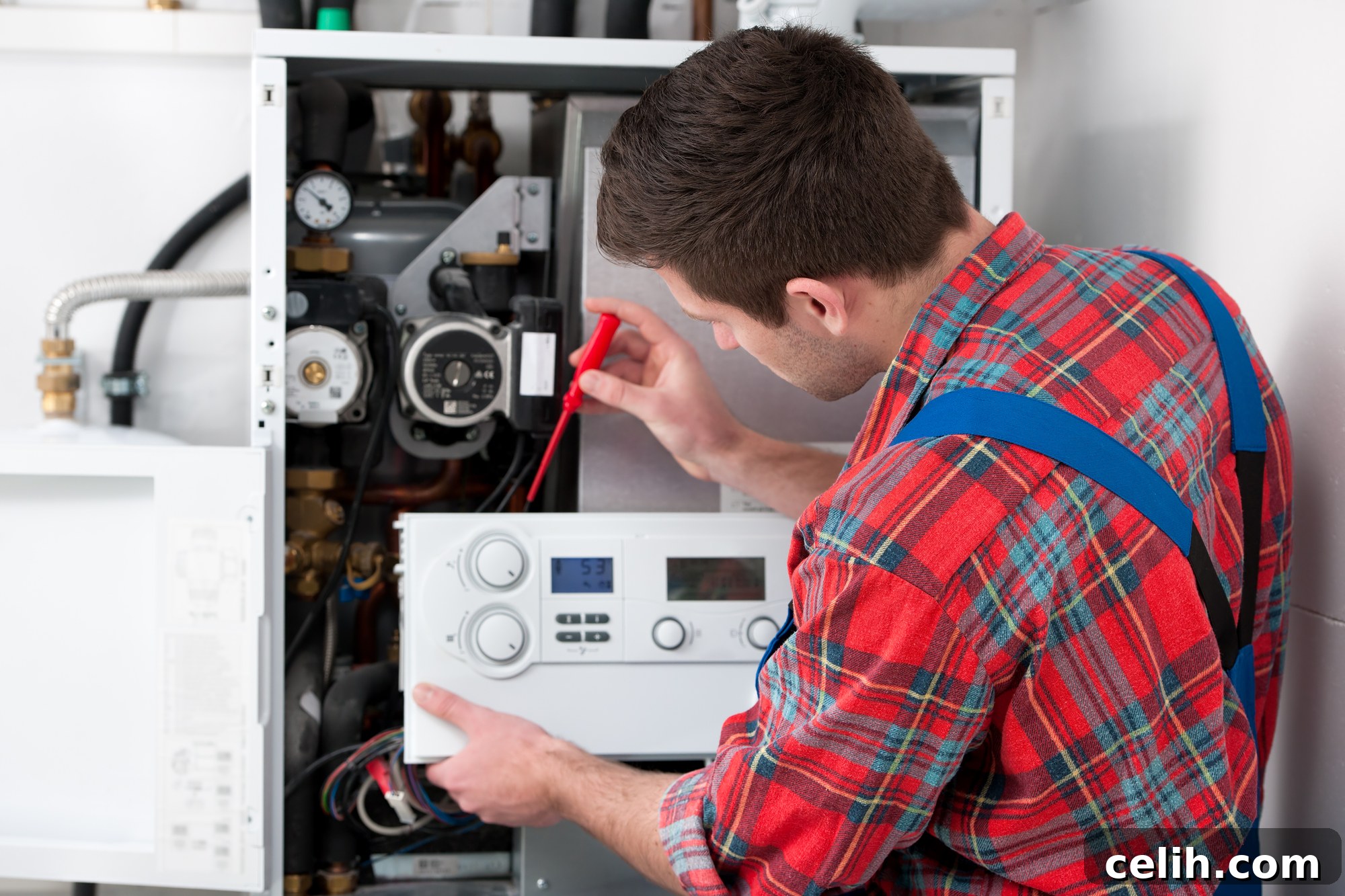
In the whirlwind of daily responsibilities, certain tasks become ingrained habits without us fully grasping their underlying importance. One such crucial aspect of home maintenance is the annual boiler service. Many homeowners schedule this appointment because they’ve been advised it’s the right thing to do, but what are the true implications if you neglect this vital task? Is it merely a recommendation, or a fundamental pillar of home safety, efficiency, and financial prudence?
This comprehensive guide delves into the indispensable reasons why regular boiler servicing is not just a convenience, but a critical component of responsible homeownership. Beyond mere safety precautions, we uncover how a yearly check-up can significantly enhance your boiler’s performance, extend its operational life, safeguard your home and family, and even protect your finances from unexpected breakdowns and costly replacements. From maximising energy efficiency to upholding warranty agreements and ensuring compliance with legal standards, understanding these benefits will transform boiler servicing from a routine chore into a proactive investment in your home’s future.
Maximizing Boiler Efficiency and Reducing Energy Bills
One of the most immediate and tangible benefits of consistent boiler servicing is the preservation, and often improvement, of its energy efficiency. Over time, even the most advanced central heating boilers can succumb to the natural accumulation of dirt, debris, and wear and tear on internal components. Combustion byproducts, such as soot and scale, can build up on heat exchangers, acting as insulators that prevent efficient heat transfer. Seals and gaskets can degrade, leading to minor leaks or pressure fluctuations that force the boiler to work harder than necessary. This gradual decline means your boiler might still function, but it will increasingly demand more fuel to produce the same amount of heat, directly translating into higher energy bills.
An annual boiler service, performed by a qualified and experienced technician from a reputable firm such as Able Plumbing Solutions, ensures that all critical components are cleaned, checked, and adjusted. During a service, the engineer will clean the burner, inspect the heat exchanger for blockages, and ensure the flue is clear. They will also check the boiler’s pressure, pump, and valves, making sure they are operating within optimal parameters. By addressing these minor issues before they escalate, the service helps your boiler operate at its peak efficiency, meaning you consume less gas or electricity for your heating and hot water needs. This reduction in energy consumption not only saves you money on your utility bills, potentially by 10-15% annually, but also contributes positively to a lower carbon footprint, making your home more environmentally friendly.
Protecting Your Investment: Warranty Validity and Boiler Lifespan
Upholding Your Boiler Warranty
Modern boilers represent a significant investment, often accompanied by extensive manufacturer warranties that can span 5, 7, or even 10 years. These warranties provide crucial peace of mind, offering free repairs or even a full replacement if your boiler experiences a fault within the specified period. However, a common misconception is that these warranties are unconditional. In reality, nearly all boiler manufacturers stipulate that for the warranty to remain valid, the appliance must undergo an annual service by a qualified and registered heating engineer.
Failing to adhere to this condition could render your warranty null and void. Imagine a scenario where your boiler breaks down unexpectedly after just a few years. If you haven’t maintained a consistent record of annual servicing, the manufacturer is well within their rights to refuse any claim, leaving you to bear the full cost of repairs or even a complete boiler replacement, which can easily run into thousands of pounds. Even if the service is solely for the purpose of validating your warranty, the financial protection it offers against potential future expenses makes it an unequivocally worthwhile annual commitment.
Extending Your Boiler’s Lifespan
Beyond warranty considerations, routine maintenance plays a pivotal role in extending the operational lifespan of your boiler. Well-maintained boilers can reliably serve your home for 15 to 20 years, a stark contrast to units that suffer from neglect. Without regular checks, minor issues go unnoticed and gradually worsen. Worn-out parts, such as pumps, valves, or sensors, if not identified and addressed, can place undue strain on other components, leading to a cascade of failures. For example, a failing pump can cause overheating, stressing the entire system, while a clogged heat exchanger forces the boiler to fire more intensely, accelerating wear and tear on the burner and other crucial parts.
A boiler service acts as preventative medicine. The engineer can spot early signs of wear, perform necessary adjustments, clean critical areas, and replace small, inexpensive components before they cause significant damage. This proactive approach prevents costly major breakdowns and extends the overall life of your appliance, delaying the need for a major capital outlay on a new boiler. While there’s an immediate cost associated with an annual service, it is invariably a fraction of the expense involved in emergency repairs or, worse, a premature full system replacement. Ultimately, investing a little more in the short term to maintain your boiler will almost always result in substantial long-term savings and provide consistent, reliable heating for many years.
Ensuring Safety: Preventing Dangerous Hazards
While efficiency and longevity are compelling reasons for annual boiler servicing, arguably the most critical benefit lies in ensuring the safety of your home and its occupants. Boilers, particularly gas-fired ones, are powerful appliances that, if not properly maintained, can pose serious health and safety risks.
The Silent Killer: Carbon Monoxide Poisoning
One of the gravest dangers associated with a faulty boiler is the production of carbon monoxide (CO). This insidious gas is colourless, odourless, and tasteless, making it incredibly difficult to detect without a dedicated alarm. CO is produced when fuels such as gas, oil, wood, or coal do not burn completely. A boiler that is not burning efficiently due to blockages in the flue, a faulty burner, or inadequate ventilation can produce lethal levels of CO. Symptoms of CO poisoning include headaches, dizziness, nausea, breathlessness, collapse, and loss of consciousness, often mistaken for flu. Prolonged exposure can lead to severe neurological damage and can even be fatal.
During a boiler service, a qualified engineer will conduct a flue gas analysis using specialized equipment to check the combustion process and ensure that no harmful gases are being produced or escaping into your home. They will also inspect the flue and ventilation to confirm that combustion products are safely expelled outdoors. This critical check is a cornerstone of an annual service and can literally be a lifesaver.
Preventing Gas Leaks and Explosions
For gas boilers, another significant risk is gas leaks. Faulty pipework, degraded seals, or internal component issues can lead to gas escaping into your property. Natural gas is highly flammable, and even a small leak can create an explosive atmosphere, posing a severe risk of fire or explosion. Furthermore, prolonged exposure to unburnt natural gas can also be harmful to health.
A comprehensive boiler service includes a gas tightness test, where the engineer checks all gas connections and pipework within and around the boiler for any leaks. They also inspect the integrity of the boiler casing and seals to ensure that gas is safely contained within the appliance. This diligent inspection is crucial for preventing potentially catastrophic incidents.
Mitigating Overheating and Pressure Issues
Boilers operate under specific pressure and temperature parameters. If safety devices, such as the pressure relief valve or expansion vessel, are faulty or blocked due to lack of maintenance, the boiler’s internal pressure can build to dangerous levels. This can lead to the boiler overheating, potentially damaging the system or, in extreme cases, causing an explosion. Similarly, issues with the thermostat or other control devices can cause the boiler to cycle incorrectly or overheat.
During a service, the engineer will check and test these critical safety components, ensuring they are fully operational and capable of preventing dangerous pressure or temperature build-ups. This proactive monitoring and adjustment of safety mechanisms provide an essential layer of protection for your home and family.
Legal Obligations and Landlord Responsibilities
While getting your own homeowner boiler serviced is strongly recommended, for landlords, it transcends recommendation and becomes a strict legal requirement. In the UK, the Gas Safety (Installation and Use) Regulations 1998 mandate that landlords ensure all gas appliances, including boilers, flues, and pipework provided for their tenants, are safe.
This legal obligation requires landlords to have a registered Gas Safe engineer conduct an annual gas safety check on each appliance. Upon successful completion, the engineer issues a Gas Safety Certificate (CP12), which must be provided to existing tenants within 28 days and to new tenants before they move in. This certificate confirms that the gas appliances and fittings have been checked and are safe for use.
Failure to comply with these regulations carries severe consequences. Landlords who neglect their gas safety duties can face substantial fines, imprisonment, and even charges of manslaughter in the tragic event of a tenant’s death due to a faulty gas appliance. Beyond the legal ramifications, there’s a profound moral duty of care that landlords owe to their tenants, ensuring their living environment is safe and free from hazards.
Environmental Impact and Peace of Mind
Beyond the immediate financial and safety benefits, an efficiently running boiler also has a positive environmental impact. By consuming less fuel to heat your home, your boiler releases fewer greenhouse gases into the atmosphere, contributing to the fight against climate change. This makes annual servicing not just a personal benefit but a small, yet significant, contribution to broader environmental sustainability efforts.
Finally, and perhaps most underrated, is the invaluable peace of mind that comes with a regularly serviced boiler. Knowing that your primary heating system has been thoroughly checked by a professional, deemed safe, and operating efficiently provides immense comfort, especially as colder months approach. It reduces the stress of unexpected breakdowns, emergency repairs, and the worry about potential hazards, allowing you to enjoy a warm, safe, and comfortable home without concern.
What Does a Boiler Service Involve?
To further understand its value, it’s helpful to know what an annual boiler service typically entails. While specific checks may vary slightly between models and engineers, a thorough service generally includes:
- Visual Inspection: The engineer will check the boiler and associated pipework for leaks, corrosion, and obvious signs of damage. They will also inspect the flame and ensure the boiler’s location and ventilation comply with regulations.
- Operational Checks: The boiler will be fired up to observe its operation, including ignition, flame picture, and functioning of controls.
- Flue Gas Analysis: Using a specialist analyser, the engineer measures the products of combustion to ensure efficient burning and verify no harmful gases (like carbon monoxide) are being released.
- Component Cleaning and Inspection: This includes cleaning the burner, heat exchanger, and condensate trap (for condensing boilers). Crucial parts like electrodes, seals, fans, and pumps are inspected for wear and tear.
- Pressure and Flow Checks: The engineer will check the system pressure and adjust if necessary, and ensure appropriate gas pressure at the boiler.
- Safety Device Testing: Essential safety mechanisms like the pressure relief valve and thermostat are checked to confirm they are working correctly.
- Gas Tightness Test: All external and internal gas connections are checked for leaks.
Choosing a Qualified Engineer
The efficacy and safety of a boiler service depend entirely on the competence of the engineer performing it. Always ensure that any individual servicing your gas boiler is on the Gas Safe Register (in the UK) or an equivalent nationally recognised body for your region. This certification confirms they are legally qualified and competent to work safely and legally on gas appliances. Never attempt to service a boiler yourself or use an unqualified individual, as this can be incredibly dangerous.
In conclusion, the decision to get your boiler serviced annually is far more than a simple recommendation; it’s a multi-faceted imperative for modern homeownership. From keeping your heating bills manageable and extending the life of your expensive appliance to, most critically, safeguarding your family from invisible dangers like carbon monoxide, the benefits are undeniable. For landlords, it’s a non-negotiable legal duty. When all factors are considered – financial savings, prolonged lifespan, enhanced safety, environmental responsibility, and ultimately, peace of mind – it becomes abundantly clear that regular, professional boiler servicing is an essential investment that significantly outweighs the risks and costs associated with neglect. Don’t wait for a breakdown; be proactive and secure your annual boiler service today.