
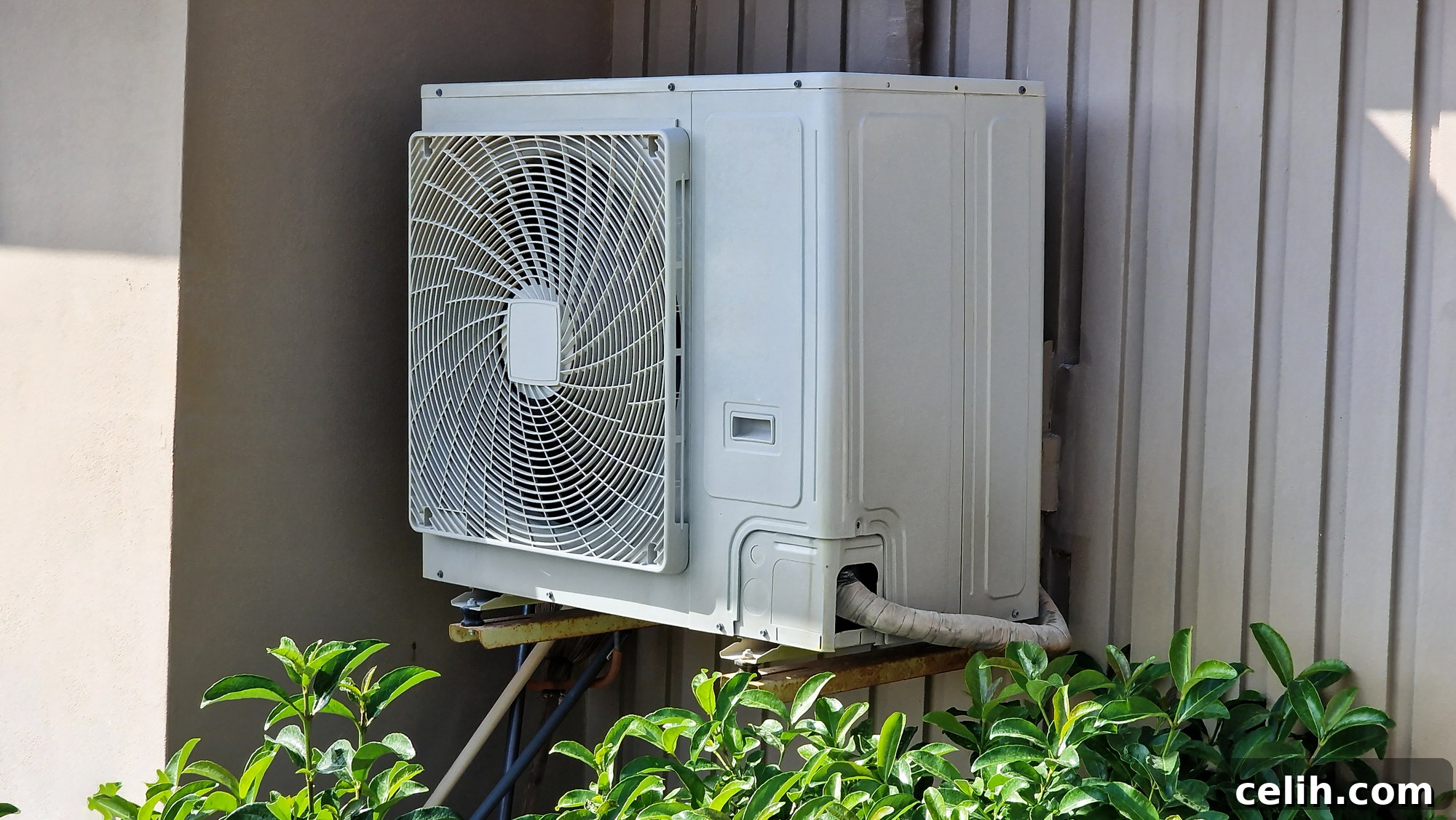
Upgrading Your Otago Home: A Comprehensive Guide to Replacing Your Boiler with an Air Source Heat Pump
For decades, traditional boilers have been a staple in Otago homes, providing warmth through harsh winters using diesel, gas, or wood-fired systems. However, as these older units age, become inefficient, or face prohibitively expensive running and maintenance costs, a growing number of homeowners are actively exploring modern alternatives. The shift towards sustainable and efficient heating solutions has put air source heat pump-based central heating systems at the forefront as a compelling replacement for conventional boilers.
Transitioning from a boiler to an air source heat pump is more than just a like-for-like appliance swap; it represents a fundamental transformation in how your home generates, distributes, and controls heat. In a region like Otago, where temperatures can plummet significantly, making the right heating decisions is paramount. A well-designed heat pump system can dramatically enhance home comfort, reduce operational expenses, and deliver consistent, reliable warmth for years to come. Conversely, an ill-considered replacement can lead to ongoing performance issues, discomfort, and unexpected costs.
To gain a truly accurate understanding of how an air source heat pump would perform in your specific Otago home, moving beyond generic online estimates is crucial. For a realistic indication of performance tailored to your property, we encourage you to contact Highlander Heating. They can conduct a professional heat-loss assessment, providing precise recommendations based on your home’s unique characteristics and proposed system, ensuring optimal efficiency and comfort.
1. Assessing Your Home’s Heating Needs: A Foundation for Efficiency
Before embarking on the significant step to replace a boiler with a heat pump, it is absolutely critical to gain a comprehensive understanding of your home’s actual heat demand. Many older Otago houses were constructed long before modern insulation standards became common, often featuring single-glazed windows and less robust building envelopes that contributed to higher heat loss. These structural characteristics mean a “one-size-fits-all” approach to heating is rarely effective or efficient.
The most effective and economical way to operate an air source heat pump is to precisely match its output capacity to your home’s specific heat demand. This necessitates a thorough heat-loss evaluation, rather than a mere estimation. Without this vital first step, heating systems are frequently either over- or under-sized. An improperly sized system can lead to compromised comfort, unnecessary energy consumption, increased running costs, and ultimately, premature wear and tear on the equipment.
An undersized heat pump might run continuously, 24/7, during cold spells in Otago and still struggle to maintain your desired indoor temperature, leading to discomfort and frustration. Conversely, an oversized system will frequently cycle on and off (short-cycling), which significantly reduces its operational efficiency, consumes more energy than necessary, and shortens the lifespan of the components. A proper assessment ensures that your new heat pump provides a stable, efficient, and consistently comfortable heating solution throughout the challenging Otago winters, maximizing both performance and longevity.
2. Understanding the Core Difference: Heat Pumps vs. Boilers
When homeowners decide to replace a boiler, there’s often an implicit assumption that the new heating system will operate in much the same way as the old one. However, air source heat pumps function on fundamentally different principles than traditional boilers. While a boiler generates high-temperature hot water in short, intense bursts, air-to-water heat pumps typically produce lower temperature water (e.g., 35-55°C) and distribute it consistently over much longer run times. This operational distinction makes the overall system design absolutely critical for optimal performance.
An air source heat pump system is most effectively deployed when integrated with specific types of heat distribution systems that are designed to capitalize on lower water temperatures. These include:
- Radiators sized for low-temperature operation: Existing high-temperature radiators in older homes may need to be upgraded to larger units capable of emitting sufficient heat at lower flow temperatures.
- Underfloor heating systems: These are inherently designed for low-temperature water and offer exceptional comfort and efficiency when paired with a heat pump.
- Well-balanced hydronic pipework: The entire pipework system must be meticulously balanced to ensure even heat distribution and optimal flow rates throughout the property, preventing cold spots and maximizing efficiency.
Air source heat pumps boast impressive efficiency, often being 60-70% more efficient than conventional boilers, but only when supported by an appropriately designed and installed system. The effectiveness isn’t solely about the heat pump unit itself; it’s intricately tied to how the entire heating and distribution system is conceptualized, installed, and commissioned. Understanding this holistic approach is key to unlocking the full benefits of heat pump technology.
3. Evaluating and Adapting Your Existing Infrastructure
Replacing a boiler with an air source heat pump in an existing Otago home is rarely a simple “swap-out” process where one unit is merely mounted in the place of another. Many older homes in Otago possess pipework and radiators that were specifically designed to accommodate the high-temperature water delivered by traditional boiler systems. These existing components are generally not suitable for the lower operating temperatures of heat pumps and are unlikely to function effectively without significant adjustments or upgrades.
Key infrastructure considerations that demand careful evaluation include:
- Radiator size and output: High-temperature radiators are often too small to adequately heat a room at the lower flow temperatures produced by a heat pump. Upgrading to larger radiators, or potentially fan-assisted radiators, may be necessary to ensure sufficient heat output.
- Pipe diameter and layout: Older, narrower pipework designed for high-temperature flow might restrict the necessary volume and flow rates for an efficient heat pump system, leading to pressure drops and reduced heat distribution.
- Flow rates and balancing: Achieving optimal flow rates throughout the entire system is crucial for a heat pump’s efficiency. The system needs to be meticulously balanced to ensure consistent heat delivery to all zones.
- Cylinder compatibility for hot water: If domestic hot water is part of the system, your existing hot water cylinder may not be compatible with a heat pump. Heat pumps require cylinders with a larger coil surface area to efficiently transfer heat to the stored water.
In some rare instances, older, larger radiators that were perhaps oversized for a boiler system might be suitable for reuse with a heat pump. However, in the majority of cases, improving the infrastructure to deliver heat evenly and efficiently necessitates a comprehensive system upgrade. Proactively addressing these infrastructure challenges during the initial replacement phase is paramount to prevent chronic performance issues, suboptimal heating, and increased energy bills in the future. A professional assessment will identify specific areas for upgrade or modification.
4. Maximizing Efficiency and Managing Running Costs
For many homeowners, concerns about escalating fuel costs, the environmental impact of fossil fuels, high maintenance requirements, and limited boiler efficiency are primary motivators for replacing their boiler with an air source heat pump. While heat pumps consume electricity, their fundamental advantage lies in their ability to extract heat energy from the ambient air, transferring it into your home. This process means they generate significantly more heat energy than the electrical energy they consume, making them exceptionally efficient when designed and installed correctly.
In a region like Otago, where heating systems are often required daily for many months of the year, real-world efficiency under various load conditions is far more critical than laboratory efficiency ratings. A properly designed and commissioned heat pump system will maintain consistent indoor temperatures without expending more energy than absolutely necessary, providing sustained comfort and reduced bills throughout the colder seasons.
Achieving optimal efficiency gains with a heat pump heavily depends on several interconnected factors:
- Correct sizing: As discussed, a perfectly sized unit avoids over- or under-working, ensuring peak performance.
- Proper commissioning: Expert setup and calibration of the system are essential to ensure all components work harmoniously and efficiently from day one.
- Balanced distribution: An evenly balanced heating distribution system prevents hot and cold spots, ensuring comfort across all zones with minimal energy waste.
- Appropriate control settings: Smart thermostats and optimized control logic allow the heat pump to operate at its most efficient points, adapting to external temperatures and internal demands.
It’s important to understand that even a high-quality, top-tier heat pump unit can underperform significantly if these crucial system design and installation aspects are not meticulously addressed. The upfront investment in expert design and installation pays dividends in long-term efficiency and reduced running costs.
5. Long-Term Reliability: Planning for Maintenance and Longevity
A boiler-to-heat-pump conversion represents a significant long-term investment in your home’s comfort and sustainability. While heat pump systems are generally known for being lower-maintenance compared to traditional boilers, this does not imply they can be installed and then forgotten. Regular checks and scheduled servicing are vital to ensure their continued efficient and reliable operation over their extended lifespan, particularly in the demanding climate of Otago.
Key maintenance considerations that should be factored into your long-term planning include:
- Easy access for servicing: Ensure the outdoor unit and any indoor components are installed in locations that allow straightforward access for routine maintenance and potential repairs.
- Filter and coil cleaning: Dust and debris can accumulate on air filters and outdoor coils, reducing efficiency. Regular cleaning by homeowners and professionals is essential.
- Pump and control checks: The circulation pumps and intelligent control systems should be regularly checked to ensure they are functioning optimally and communicating correctly.
- Annual system inspection: A professional annual inspection by a qualified technician can identify minor issues before they escalate into major, costly breakdowns, ensuring peak performance and validating warranties.
The consistently cold climate in Otago means your heating system works hard for a substantial portion of the year. Proactive and regular upkeep helps to identify small problems early, preventing them from developing into significant and expensive failures that could leave your home cold. When a heat pump system is designed with ease of service access in mind, it significantly reduces the time and cost associated with maintenance throughout its entire operational life, maximizing your return on investment and ensuring uninterrupted comfort.
6. Seamless Integration of Space Heating and Domestic Hot Water
Most traditional boiler systems in Otago homes are designed to provide both space heating for comfort and a reliable supply of domestic hot water for bathing and other household needs. Any modern heat pump replacement solution must be capable of fulfilling both of these essential requirements seamlessly and efficiently. Air-to-water heat pumps are highly versatile and are well-equipped to manage both functions, making them a truly comprehensive heating solution for contemporary homes.
Air-to-water heat pump systems are capable of supplying:
- Whole-home heating: Delivering consistent warmth throughout your property via radiators, underfloor heating, or other hydronic distribution systems.
- Domestic hot water via a compatible cylinder: Heating water stored in a dedicated hot water cylinder, ensuring a constant supply for showers, baths, and kitchen use. These cylinders are specifically designed with larger heat exchange coils to optimize the transfer of heat from the heat pump’s lower flow temperatures.
Effective system integration is paramount to ensure both space heating and hot water demands are met efficiently and without compromise. Factors such as the hot water cylinder size, the control logic that prioritizes heating or hot water production, and the intricate pipework layout all dictate the overall system performance. An improperly integrated or unbalanced system can lead to frustrating issues such as slow hot water recovery times, diminished heating capacity during peak demand, or increased energy consumption as the system struggles to meet both requirements simultaneously. A carefully planned and integrated system, however, will provide both functions reliably and cost-effectively.
Conclusion: Making an Informed Transition to Modern Heating
The decision to replace a traditional boiler with an air source heat pump in an Otago home represents more than a mere appliance swap; it is a significant upgrade to your entire home’s heating infrastructure. The cornerstone of a successful and satisfying transition lies in acquiring a precise understanding of your property’s unique heat demand, thoroughly evaluating and adapting your existing infrastructure, and meticulously designing the new system to perfectly suit local climate conditions and your household’s specific needs.
When executed correctly by experienced professionals, an air source heat pump replacement delivers a multitude of benefits: consistent and comfortable heating throughout your home, significantly reduced running costs due to superior efficiency, and long-term, dependable performance that will withstand the cold and demanding winters of Otago. Conversely, a poorly planned or installed system can lead to ongoing discomfort, frustrating operational problems, and ultimately, dissatisfaction with your investment.
If you are contemplating the compelling advantages of replacing your boiler with a modern heat pump and are seeking clear, localized, and expert advice tailored to your Otago property, Highlander Heating offers comprehensive site visits across the Otago region. The most beneficial step you can take is to secure a professional review. This will provide invaluable insights into which specific heat pump system will perform optimally for your unique home, ensuring that your transition to efficient, sustainable heating is seamless, effective, and perfectly right from the very first day.