
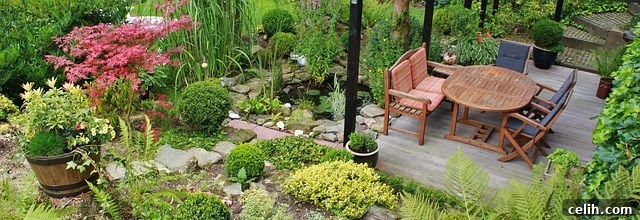
Inspired by the breathtaking displays at the recent RHS Chelsea Flower Show, you might find yourself dreaming of transforming your own outdoor sanctuary just in time for the summer. Many aspiring gardeners often feel constrained by the size of their plot, believing their horticultural ambitions are too grand for a compact space. However, a quick glance at the award-winning gardens at Chelsea—some as small as three square meters—reveals the immense potential nestled within even the most modest of areas. The truth is, a smaller garden isn’t a limitation; it’s an invitation for ingenious design and focused creativity.
While a spacious garden might offer more room for sweeping landscapes, designing a small garden demands a meticulous approach where every square inch is optimized for beauty and functionality. This intensive planning can often lead to a far more satisfying and personalized outcome than working with a larger, less defined area. It’s about crafting an intimate, curated experience, a true outdoor extension of your home. To help you unlock the full potential of your compact outdoor space, we’ve compiled our top expert tips:
Strategic Garden Planning: Maximizing Your Small Space
Before you even think about planting a single seed, it’s crucial to outline how you envision using your outdoor space throughout the year. Will it be a tranquil retreat for morning coffee, a vibrant hub for alfresco dining and entertaining, or a dynamic play zone for children? Perhaps a combination of these? Consider creating distinct “zones” even within a tiny garden – a cozy seating area, a compact dining spot, or a raised bed for herbs. Each zone serves a purpose, preventing the space from feeling cluttered and enhancing its usability. If you love to dine outdoors, a level, paved area for a table and chairs is essential. If kids are part of the equation, dedicating a safe, visible play area is paramount.
One of the most overlooked aspects of garden planning is understanding the movement of light. Spend time observing your garden at different times of day and across seasons. Note precisely how the sun falls, where shadows are cast, and which areas receive morning, midday, or evening light. This sunlight mapping is invaluable for several reasons: it dictates the placement of sun-loving vs. shade-tolerant plants, informs the ideal spot for your dining table (imagine enjoying the evening sun with your meal!), and helps identify areas that might benefit from shade structures or screening. A well-planned garden maximizes both its aesthetic appeal and its practical utility, tailored precisely to your lifestyle and the natural rhythms of your environment.
Embracing Existing Elements: Integrating Fixed Features into Your Design
For most of us, embarking on a garden redesign doesn’t mean starting with a completely blank canvas. Instead, we typically encounter existing structures like sheds, greenhouses, summer houses, boundary walls, or established patios. The key is to view these fixed features not as obstacles, but as integral components of your new design. The first step is to decide whether an existing feature is something you want to integrate and enhance, or subtly screen and minimize.
For structures you wish to highlight, consider transforming them. A plain shed, for instance, could be painted a charming color, adorned with wall planters, or even given a living roof for added greenery. An old brick wall, often seen as drab, can become a stunning backdrop for vibrant planting. By positioning brightly-coloured flowers or foliage plants in front of it, you create a beautiful contrast that celebrates its character. Conversely, for features you prefer to minimize, clever planting is your best friend. Tall, fast-growing climbing plants like clematis, jasmine, or honeysuckle can efficiently soften harsh lines, provide privacy, and add vertical interest, effectively turning an eyesore into a lush, green screen. Even a dated patio can be updated by power-washing, adding an outdoor rug, or bordering it with fragrant herbs in pots, breathing new life into existing foundations.
Designing for Flow and Function: Practical Considerations for Your Small Garden
In any garden, practicality is paramount, but it becomes even more critical in a compact space. If your garden serves as a thoroughfare to access your house or other areas, thoughtful planning of pathways is essential. Installing a proper path – whether paved with attractive slabs, laid with charming gravel, or defined by sturdy stepping stones – is a sensible investment. It not only protects your shoes from mud and your indoor floors from tracked-in dirt but also provides a clear, inviting route through your garden.
When choosing plants to border your path, opt for varieties that are well-behaved and low-maintenance. This means selecting plants that don’t grow too vigorously and require minimal pruning, saving you valuable time and effort. In sunny spots, aromatic lavender offers beautiful purple blooms and a delightful fragrance, while cottage garden classics like wallflowers provide cheerful bursts of colour. Herbs such as thyme or rosemary also make excellent, fragrant path edgings. It’s wise to avoid anything with sharp thorns, such as roses or certain prickly shrubs, that could snag clothing or pose a hazard in a narrow space. Consider the texture underfoot as well; smooth pavers offer easy passage, while gravel creates a pleasant crunch and aids drainage. Ensuring your paths are wide enough for comfortable passage, perhaps even for two people or a wheelbarrow, will enhance the overall functionality and enjoyment of your small garden.
The Art of Simplicity: Creating Space and Serenity in Compact Gardens
A common misconception in small garden design is the need to cram every available inch with plants. However, the true art lies in embracing simplicity and intentionality. A minimalist approach can often make a small space feel larger, more serene, and incredibly stylish. One highly effective, low-maintenance option is to create a fully paved or decked area, providing a clean, expansive foundation. Against this backdrop, you can introduce greenery and colour through carefully chosen pots and planters. This strategy offers immense flexibility, allowing you to easily rearrange plants, switch out seasonal displays, and even move greenery indoors during colder months. Stylish outdoor furniture then becomes a key decorative element, defining zones and inviting relaxation.
Beyond plants and furniture, clever design tricks can visually expand your compact garden. Adding large outdoor mirrors to walls is a classic technique, creating the remarkable illusion of depth and additional space, reflecting light and greenery. Position them strategically to bounce light into shadier corners or to create a “window” onto another part of the garden. Furthermore, thoughtful lighting design is transformative. Beyond simple “feature lighting,” consider layering different types of illumination: soft ambient lighting to wash walls or paths, subtle uplighters for trees or architectural plants, and task lighting for dining areas. This creates atmosphere, extends the usability of your garden into the evening, and adds dramatic interest, turning your small space into a magical retreat after dark. Embracing fewer, higher-impact elements often yields a more sophisticated and spacious feel.
Creating Zones and Depth: Maximizing Perception in Your Small Outdoor Space
One of the most effective ways to make a small garden feel larger and more intriguing is to create distinct zones and foster a sense of journey and discovery. Rather than an open expanse, give different ends or sections of your garden a unique feel and purpose. This design approach tricks the eye into believing there’s more to explore, significantly enhancing the illusion of space and depth. You can achieve this with various visual dividers that subtly break up the view without completely blocking it.
Consider introducing a stylish trellis, an elegant archway adorned with climbing roses, or a low, fragrant lavender hedge halfway down the garden. These elements act as soft screens, drawing the eye forward and encouraging movement through the space. Beyond these dividers, carve out a truly private nook, a hidden sanctuary where you can escape. This could be achieved with a comfortable garden bench nestled behind a screen of dense, carefully selected greenery, such as compact privet, bamboo in planters, or tall ornamental grasses. This strategic planting provides a sense of enclosure and intimacy, shielding the spot from direct view of the house and transforming it into a cherished, secluded retreat within your urban garden oasis. By creating these ‘rooms’ outdoors, you elevate the experience from merely viewing a garden to actively inhabiting it.
A Symphony of Sensation: Crafting Richness with Texture and Variety
To infuse life and visual intrigue into a smaller garden, mastering the clever use of texture is paramount. A thoughtful interplay of different materials, both hardscaping and softscaping, creates a rich tapestry that engages the senses and adds depth, making the space feel more substantial and inviting. Start with your hardscaping elements: a patio crafted from warm, inviting stone or classic brick; a contemporary wooden deck that adds warmth and definition; pathways laid with crunchy gravel or smooth stepping stones. Incorporate stoneware, ceramic, terracotta, or even modern lead-effect pots, each contributing its unique surface quality and visual weight. This diverse mix creates a visually attractive and tactile experience underfoot and throughout the space.
When it comes to planting, extend this textural approach beyond just flowers. While vibrant blooms offer splashes of color, the true magic lies in combining them with plants chosen for their distinctive foliage and form. Imagine the delicate sway of ornamental grasses contrasting with the bold, architectural lines of bamboo, or the glossy leaves of a hosta against the finely textured fronds of a fern. Don’t shy away from incorporating trees, even in a compact urban garden; many garden centers offer fantastic smaller, dwarf, or columnar varieties specifically suited for limited spaces, such as Japanese maples (Acer palmatum varieties), dwarf fruit trees, or compact conifers. These provide crucial height, shade, and year-round interest without overwhelming the area. By layering these varied textures—from the rough bark of a tree to the silky petals of a flower, the smooth surface of a bench, and the coarse aggregate of a path—you create a dynamic, engaging, and utterly captivating small garden that is a delight to behold and experience.
Designing a small garden is not about compromise, but about focused creativity and intelligent choices. By approaching your compact outdoor space with thoughtful planning, a keen eye for detail, and an appreciation for texture, you can transform it into a highly functional, uniquely beautiful, and deeply satisfying personal oasis. Embrace the challenge, and watch your small garden flourish into a masterpiece.