
Embarking on a kitchen renovation is an exciting venture, and one of the most pivotal decisions you’ll face is selecting the ideal material for your kitchen countertops. As the central hub of your home, the kitchen demands surfaces that are not only aesthetically pleasing but also highly functional and durable. Among the myriad of choices, two natural stone contenders consistently rise to the top: soapstone and marble. Both boast inherent beauty and unique characteristics, making them highly sought-after options for homeowners seeking to elevate their culinary spaces. However, their differences are significant and understanding them is crucial for making an informed decision that aligns with your lifestyle, design vision, and practical needs.
This comprehensive guide dives deep into the “Soapstone vs. Marble” debate, meticulously comparing these two exquisite natural stones. We will dissect their individual pros and cons, explore their distinct physical properties, and provide insights into their maintenance requirements, aesthetic appeal, and cost implications. By the end of this article, you will have a clear understanding of what each material brings to the table, empowering you to choose the perfect countertop solution that will serve as the foundation for countless cherished memories in your beautifully revamped kitchen.
Soapstone vs Marble Countertops: Unveiling the Ideal Choice for Your Home
Investing in new kitchen countertops is a significant financial decision, often representing a substantial portion of your kitchen renovation budget. Therefore, careful consideration of all available options is paramount to ensure you select a material that not only meets your immediate design preferences but also stands the test of time. Soapstone and marble are two premium natural stones that continue to captivate homeowners with their timeless appeal and organic charm. While both are undeniably beautiful and suitable for kitchen environments, they possess distinct characteristics that cater to different priorities and aesthetic sensibilities.
Soapstone is celebrated for its remarkable durability and surprisingly low maintenance, often lending a traditional, rustic, or even industrial-chic feel to kitchen interiors. Its robust nature means it can effortlessly withstand the intense heat of hot pots and pans placed directly on its surface without fear of scorching or damage. Furthermore, should minor scratches or imperfections occur, they are typically straightforward to repair, often simply requiring a light sanding or application of mineral oil. One of the primary considerations when opting for soapstone is its somewhat limited color palette, which predominantly features muted tones of gray, green, and black, sometimes with subtle veining. This narrower selection might pose a challenge for those seeking a vibrant or highly specific color match for their design scheme. In terms of hardness, soapstone registers relatively low on the Mohs scale, typically between 1 and 2, giving it a soft, almost velvety touch, yet it’s surprisingly dense and non-porous.
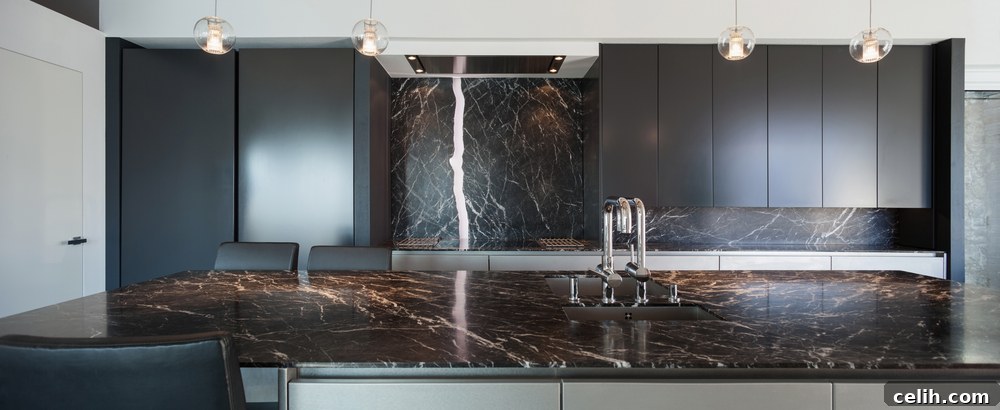
Marble, conversely, is revered for its classic elegance and luxurious aesthetic. Its widespread availability across the globe translates into an extensive array of color choices, intricate veining patterns, and stylistic variations, offering unparalleled flexibility in design. From pristine whites to deep blacks, vibrant greens, and earthy browns, marble provides a spectrum of options to perfectly complement any kitchen design, from traditional to ultra-modern. Marble is often considered a high-end material, which is reflected in its price point, typically positioning it at the higher end of the countertop market. A notable disadvantage of marble is its inherent susceptibility to staining and etching, particularly from acidic substances, which necessitates diligent care and regular sealing. On the Mohs hardness scale, marble is harder than soapstone, ranging from 3 to 4.5, making it more resistant to scratching but still prone to etching.
Soapstone vs Marble Durability: Understanding Porosity and Performance
The durability of kitchen countertops is a paramount concern for any homeowner, given the daily wear and tear these surfaces endure. Both soapstone and marble are undeniably durable materials, which is why they have remained enduringly popular choices. However, their fundamental geological compositions and core components differ significantly, leading to distinct levels and types of durability, particularly concerning their interaction with liquids and potential for staining.
Soapstone stands out due to its remarkable non-porous nature. This unique characteristic means that the stone does not absorb liquids or air, forming an impenetrable barrier against spills. From a practical standpoint, this translates into exceptional stain resistance. When acidic substances like lemon juice, vinegar, or wine are spilled on a soapstone surface, the liquid simply beads up on top, unable to penetrate the stone. This makes soapstone an ideal material for a busy kitchen where spills are inevitable. The non-porous quality also contributes to its hygienic properties, as it inherently resists the growth of bacteria and mold, making cleanup a breeze and ensuring a long lifespan for your countertops.
Marble, conversely, is a porous material. This means that, despite its initial stunning appearance, it possesses microscopic channels and fissures that can absorb liquids. Consequently, marble countertops are susceptible to staining if not properly sealed and maintained. When unsealed or improperly sealed, spills from common kitchen culprits like red wine, coffee, olive oil, or highly acidic foods (such as tomatoes, citrus juices, or even some cleaning agents) can seep into the stone, leaving behind unsightly and often permanent stains or etching marks. Etching is a chemical reaction that occurs when acids come into contact with the calcium carbonate in marble, dulling the surface and creating a visible mark, even if the liquid doesn’t actually stain the color. This vulnerability makes regular sealing an absolute necessity for marble owners. A proper seal acts as a protective barrier, reducing the rate at which liquids are absorbed, but it is not foolproof. Prompt cleanup of any spills is always recommended to mitigate the risk of damage and preserve the pristine beauty and longevity of your marble slabs.
Heat Tolerance of Soapstone vs Marble Countertops
The ability of a countertop material to withstand heat is a practical consideration for any active kitchen. While it’s always advisable to use trivets or hot pads to protect any countertop surface from extreme heat, especially with brand-new and expensive installations, the reality of everyday cooking often means moments of hurried placement of hot pots and pans. Knowing how well your chosen material copes with such instances can save you from costly damage and frustration.
Soapstone is renowned for its exceptional thermal stability and superior heat tolerance. Composed primarily of talc, soapstone boasts an incredibly high heat resistance, allowing it to absorb and radiate heat without sustaining damage. You can confidently place scorching hot pots and pans directly from the stovetop or oven onto a soapstone countertop without worrying about scorching, cracking, or discoloration. This characteristic makes soapstone an incredibly forgiving material for busy home cooks who prioritize practicality and robust performance. Its ability to absorb heat also means it can retain warmth, making it an interesting choice for certain culinary applications.
Marble, while relatively durable, is less heat resistant than soapstone. Although it can generally tolerate moderate heat, direct contact with extremely hot items can pose risks. Marble is susceptible to thermal shock, which can lead to cracking, especially if there are existing fissures or if the temperature change is abrupt. More commonly, intense heat can cause discoloration or burn marks, particularly on lighter-colored marble varieties. The resins used in some engineered marble products can also be highly vulnerable to heat damage. Furthermore, hot items can sometimes exacerbate etching, as the heat might accelerate chemical reactions with any acidic residues on the surface. To maintain the pristine condition and longevity of your elegant marble worktops, it is highly recommended to consistently use trivets, hot pads, or cutting boards when dealing with heated cookware. This proactive approach ensures the enduring beauty and integrity of your luxurious investment.
Soapstone vs Marble Color Options: A Spectrum of Style
The visual impact of your countertops plays a monumental role in defining the overall aesthetic and mood of your kitchen. When it comes to color and pattern variety, soapstone and marble offer distinct stylistic avenues, catering to different design preferences and architectural styles.
Marble reigns supreme in the realm of diverse color options and dramatic veining. Sourced from quarries across the globe, marble presents an astonishing palette that includes the ever-popular classic white (like Carrara, Calacatta, and Statuario), but also extends to elegant shades of gray, sophisticated beige, striking black (Nero Marquina), vibrant green (Verde Alpi), warm gold, serene blue, rich brown, bold red, and even unique orange hues. Each slab of marble is a singular work of art, characterized by its unique veining – dynamic patterns created by mineral impurities within the stone. These veins can be delicate and wispy, bold and linear, or dramatic and sprawling, offering endless possibilities for creating a bespoke and luxurious focal point in your kitchen design. The wide array of options allows homeowners to perfectly match their countertops to cabinetry, flooring, and overall décor.
Soapstone, in contrast, offers a more subdued and earthy color palette, typically ranging from soft grays to deep charcoal, sometimes with subtle greenish or bluish undertones. While its color range is more limited, its beauty lies in its understated elegance and organic character. Soapstone often features delicate, fine veining that can be less pronounced than marble’s dramatic patterns, providing a more consistent and tranquil surface. Over time, as soapstone comes into contact with air and is routinely treated with mineral oil, it undergoes a natural process of oxidation. This causes the stone to gradually darken, deepening its color and developing a rich, velvety patina. This evolving character is highly prized by those who appreciate materials that age gracefully and acquire a unique, lived-in charm, adding to the rustic and artisanal appeal of the kitchen. For many, this transformative quality is a significant advantage, enhancing the unique aesthetic and contributing to a sense of history and warmth within the home.
This natural darkening process means that a lighter gray soapstone will eventually evolve into a deeper charcoal or near-black shade, creating a dynamic surface that continually adapts and matures with your home. This organic transformation is a key draw for designers and homeowners seeking a material with character and a timeless appeal that transcends fleeting trends, embedding the design of a kitchen with a unique, evolving charm.
Maintenance and Finish: Preserving Beauty and Functionality
The long-term appeal and practicality of your kitchen countertops heavily depend on their maintenance requirements and the type of finish you choose. Both soapstone and marble offer distinct experiences in terms of care, which should be carefully weighed against your willingness to perform regular upkeep.
Marble countertops are celebrated for their sophisticated aesthetics and are available in a range of finishes that subtly alter their appearance and maintenance needs. The most popular and iconic finish is the highly polished gloss, which creates a reflective, mirror-like surface that accentuates the stone’s natural patterns and imbues a sense of high-end luxury. Other finishes include honed (a matte, non-reflective surface that hides etching better), leathered (a textured finish with a soft sheen), and sand-blasted. Regardless of the finish, marble requires consistent maintenance, primarily regular sealing. Due to its porous nature, marble must be sealed periodically—typically every 6 to 12 months, depending on usage and sealer quality—to minimize the absorption of liquids and prevent staining. Beyond sealing, prompt cleanup of spills, especially acidic ones, is crucial to avoid etching. While beautiful, marble demands a certain level of commitment to preserve its pristine look, making it a choice for homeowners who appreciate its elegance and are prepared for its care regimen.
Soapstone countertops, owing to their high talc content, naturally possess a silky, soft, and smooth texture that is unique among natural stones. This tactile quality is a key part of its appeal. When left untreated, soapstone develops a subtle, matte finish, which many find attractive for its understated elegance. However, soapstone truly comes to life with the regular application of mineral oil. Oiling the surface deepens its color, brings out any subtle veining, and enhances its natural beauty, transforming the matte appearance into a rich, satin-style luster. This oiling process, which can be done every few weeks initially and then less frequently as the stone oxidizes and darkens, also helps to create a uniform patina over time. Unlike marble, soapstone does not require sealing to prevent stains; its non-porous nature inherently repels liquids. Scratches, which can occur due to its relative softness, are easily addressed by a simple application of mineral oil or light sanding. Overall, soapstone is considered a relatively low-maintenance kitchen material, offering a durable, artistic, and rustic feel without the demanding sealing schedule of marble.
Cost and Availability of Soapstone vs Marble: Budgeting for Natural Stone
When planning your kitchen renovation, understanding the financial implications and availability of your chosen countertop material is essential. Natural stone worktops represent a significant investment, and their cost can vary widely based on factors like rarity, origin, slab size, thickness, and fabrication complexity.
Generally speaking, marble tends to be more expensive than soapstone. The price of marble can fluctuate significantly depending on its type and rarity. For instance, common white Carrara marble might be more accessible, while premium varieties like Calacatta or Statuario, known for their distinct veining and pristine white backgrounds, command higher prices due to their scarcity and aesthetic appeal. Marble is globally sourced and typically more readily available in larger slabs, making it easier to acquire long, seamless pieces for expansive kitchen islands or continuous runs of countertop. This widespread availability and variety contribute to its consistent presence in the high-end market.
Soapstone is often, but not always, a more budget-friendly option compared to premium marble, though its price can still be substantial as it is a natural stone. A key factor influencing its cost and installation is slab size. Soapstone slabs are typically smaller than marble slabs. This means that for longer countertops, such as those often found in modern kitchen designs, it may be necessary to use multiple soapstone pieces joined together with seams. While a skilled fabricator can create very discreet seams, it’s a consideration for those who desire a completely uninterrupted surface. However, for many, the natural, artistic character of soapstone, even with visible joins, enhances the kitchen design, adding to its rustic and authentic charm. The overall cost will also depend on the specific variety of soapstone chosen, its thickness, and the complexity of the installation, including cutouts for sinks and cooktops.
Summary: Making Your Final Countertop Decision
The debate between soapstone and marble for kitchen countertops is a fascinating one, highlighting the diverse beauty and functionality inherent in natural stone. As we’ve explored, each material offers a distinct set of advantages and disadvantages that cater to different preferences, lifestyles, and aesthetic goals. There’s no single “best” choice; rather, the ideal countertop material is the one that most perfectly aligns with your specific priorities for your home.
If you prioritize a low-maintenance surface that is highly resistant to heat and stains, evolves beautifully with a unique darkening patina, and lends a warm, rustic, or industrial appeal, then soapstone might be your perfect match. Its robust nature and forgiving surface make it an excellent choice for busy kitchens and those who appreciate a living material that tells a story over time.
Conversely, if your vision for your kitchen is one of unparalleled luxury, timeless elegance, and a vast array of color and dramatic veining options, and you are prepared for the diligent care required to maintain its pristine appearance, then marble is likely the superior choice. Its classic beauty and ability to elevate any space are undeniable, making it a statement piece in countless high-end designs.
Ultimately, making this major home purchase requires careful research, thoughtful consideration of each factor discussed, and an honest assessment of your lifestyle and commitment to maintenance. We encourage you to weigh the durability, heat tolerance, color options, maintenance routines, and cost implications against your personal design aspirations and daily practical needs. Good luck in your search, and we sincerely hope you find the perfect worktop material for your kitchen renovation project that brings joy and functionality to your home for years to come.