
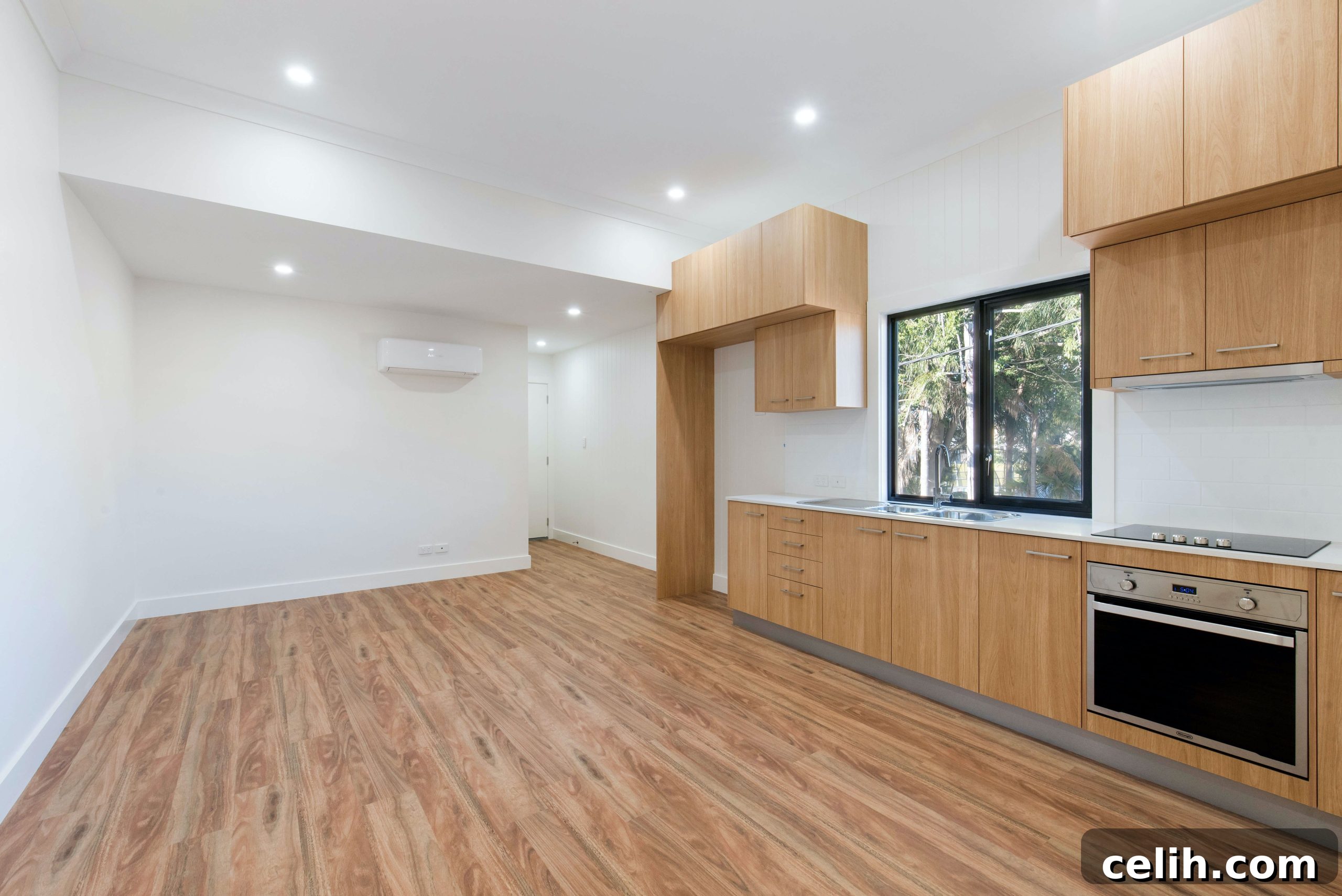
Moving into a new home is an exhilarating milestone, marking the beginning of a fresh chapter filled with new possibilities and memories waiting to be made. While the excitement is undeniable, the process also comes with a significant to-do list. Whether you’re stepping into a brand-new build or an older property, there are essential tasks to complete that will transform a house into your comfortable, secure, and truly functional home. A smooth transition is key to enjoying your new space from day one.
To help you navigate these initial steps and settle into your new abode with ease and comfort, we’ve compiled a comprehensive checklist of 15 new home essentials. These crucial actions will ensure your move is as stress-free as possible and lay the foundation for a cozy, welcoming sanctuary.
1. Secure Your Sanctuary: Sort Your Keys and Locks
One of the most critical steps after acquiring a new home, especially if it previously had other occupants, is to change all the locks. This isn’t just a recommendation; it’s a vital security measure. You can never be certain who might still possess old keys – former residents, their friends, family members, or even contractors. By installing entirely new locks on all exterior doors and accessible windows, you immediately enhance your home’s security and gain invaluable peace of mind. Consider upgrading to modern, high-security locks or even smart lock systems for added convenience and control.
Once your new locks are in place, don’t forget to have multiple sets of spare keys cut. Distribute these to trusted individuals, such as close family members or reliable friends, who might need access in an emergency. Waiting until you’re locked out to realize no one has a spare is a situation you definitely want to avoid!
2. Privacy First: Put Up Curtains and Blinds
While often overlooked in the flurry of moving, installing window treatments like curtains, blinds, or shades should be high on your priority list. The moment you move in, privacy becomes paramount, especially during the evening hours. Having bare windows can leave you feeling exposed and vulnerable. Beyond privacy, window coverings also help regulate light, control room temperature, and contribute significantly to your home’s aesthetic.
Remember to factor the cost of curtain rods, blinds, curtains, and their installation into your moving budget, as these expenses can quickly accumulate. Explore various window treatment ideas, from blackout curtains for bedrooms to elegant sheer drapes for living areas, or practical Venetian blinds, to find solutions that perfectly blend style, function, and your desired level of privacy. Temporary paper blinds can be a great stopgap solution while you decide on more permanent options.
3. Comprehensive Protection: Find Suitable Home Insurance
Securing appropriate home insurance is a non-negotiable step that ideally should be completed even before you take ownership of your new property. This essential coverage protects your investment against unforeseen damage or loss during the moving process and once you’ve officially moved in. A robust home insurance policy typically includes both buildings and contents insurance.
Buildings insurance safeguards the physical structure of your home, including its roof, walls, and permanent fixtures, against perils like fire, floods, and storms. Contents insurance, on the other hand, covers your personal belongings and valuables inside the home. It’s crucial to compare different providers to find a policy that offers comprehensive coverage tailored to your needs and budget. Don’t forget to check for potential cashback offers through comparison websites or loyalty programs when purchasing your policy, as these can provide significant savings.
4. Enhance Security Measures: Fortify Your Home
While changing locks (point 1) is a primary security step, securing your new home extends beyond that. It’s vital to thoroughly check all existing locks on doors and windows to ensure they are fully functional and robust. Beyond basic locks, consider investing in a comprehensive home security system. This could range from simple alarm systems to advanced smart home setups featuring motion sensors, surveillance cameras, and integrated access control. Being in an unfamiliar environment can initially create a sense of unease, but proactive security measures can significantly reduce anxiety and foster a strong sense of safety.
Research different security providers and systems to find one that fits your budget and lifestyle. Installing external security lighting, reinforcing sliding doors, and even joining a local neighborhood watch program can all contribute to a more secure and reassuring living environment. Prioritizing these elements from the outset will allow you to relax and truly feel at home.
5. Update Your Details: Change Your Address Everywhere
To ensure a seamless transition and avoid missing important mail or deliveries, begin the process of changing your address immediately. This seemingly simple task is often more extensive than anticipated, as your address is linked to numerous entities. Start by notifying government services (tax, electoral roll), your bank and other financial institutions, utility providers, insurance companies, your employer, and any healthcare providers.
Don’t forget subscription services for magazines, streaming platforms, and online retailers – especially if you receive regular packages. A mail redirection service, such as the one offered by your national postal service, is an invaluable tool for the initial months. It ensures that any mail sent to your old address is automatically forwarded to your new home for up to a year. This grace period gives you ample time to update all your contacts and accounts, catching any overlooked notifications as they arrive.
6. Stay Connected: Get Your TV and Broadband Setup
In today’s digital age, reliable TV and broadband services are essential for entertainment, communication, and increasingly, remote work. The waiting period for installation can sometimes be lengthy, so it’s wise to schedule your TV and broadband setup well in advance – ideally for moving day or within the first few days. Research different providers in your new area, comparing internet speeds, package deals, and customer reviews to find the best fit for your household’s needs. If your home doesn’t already have one, you might also need to look into TV antenna installation to access free-to-air channels.
Before committing to a provider, check the actual internet speeds available at your new address to avoid disappointment, particularly if you rely on a stable connection for working from home, online gaming, or streaming high-definition content. A strong, reliable internet connection is fundamental to settling comfortably into modern life.
7. Build Community: Go Meet the Neighbors
Amidst the chaos of unpacking, take a moment to introduce yourself to your new neighbors. A quick, friendly knock on the door or a casual greeting when you see them outside can go a long way in establishing a positive relationship. Neighbors can be a fantastic resource for local information, from the best local shops and restaurants to understanding neighborhood quirks or even helping in an emergency. Being familiar with the people living around you creates a stronger sense of community and security.
Many resources offer great tips on how to politely introduce yourself to new neighbors, perhaps with a small gesture like a card or a quick chat about your move. Building these connections early can transform your new house into a true home within a welcoming community.
8. Keep it Tidy: Find Out Your Bin Collection Schedule
Practicalities like waste management are easy to overlook during a move, but knowing your bin collection schedule is incredibly important. Moving often generates a significant amount of rubbish, from packaging materials and old belongings to a mountain of cardboard boxes that need recycling. Missing a collection day can mean an overflowing bin for another week, which is both unsightly and unsanitary.
Visit your local council’s website or check their welcome pack for new residents to find out the specific days for general waste, recycling, and potentially garden waste collection. Familiarize yourself with local recycling guidelines, including what can and cannot be recycled, and any specific bin requirements. Proper waste disposal contributes to a clean neighborhood and helps you maintain an organized home from the start.
9. Strategic Unpacking: Spend Time Putting Things in the Right Place
The urge to unpack everything at lightning speed can be overwhelming, but a more thoughtful approach will serve you better in the long run. Instead of simply emptying boxes, take the time to strategically consider where each item belongs. Think about functionality, convenience, and aesthetics. This is an opportune moment to declutter items you no longer need, creating a more organized and spacious home.
Implement smart storage solutions as you unpack, such as drawer dividers, shelving units, or baskets, to keep everything neat and accessible. For the first few weeks, temporary sticky labels on drawers and cupboards can be incredibly helpful for quickly locating items, especially in a new kitchen or bathroom. If you have children, involve them in organizing their own rooms so they know where their toys and clothes are stored, fostering a sense of ownership and responsibility.
10. Plan Ahead: Get Maintenance Quotes
After moving in, you might discover a list of maintenance tasks or necessary repairs that need attention, whether identified during a home inspection or noticed post-move. It’s wise to start getting quotes for these jobs as soon as possible. This allows you to budget effectively and schedule the work without unnecessary delays. Some repairs, like roof damage indicated by a prior inspection, might require urgent attention to prevent further issues.
Prioritize tasks that are easier to complete before you start decorating or moving heavy furniture, such as painting, flooring installations, or major plumbing and electrical work. Getting these larger projects out of the way first will make the subsequent settling-in and decorating process much smoother and less disruptive. Always seek multiple quotes from reputable contractors to ensure fair pricing and quality workmanship.
11. Final Touches: Install Your Hardware
New homes, or homes where previous owners have removed their fixtures, might lack essential hardware that contributes to both functionality and a finished look. Items like toilet roll holders, towel rails, coat hooks, and even cabinet handles are often overlooked but significantly impact daily convenience and the overall homely feel. Installing these seemingly minor details can make a big difference in how comfortable and complete your home feels.
Hardware also offers a fantastic opportunity to add decorative touches and personal style. Consider sleek finishes like matte black, brushed brass, or polished chrome to complement your interior design and add a touch of luxury while you’re still planning your larger decor schemes. Many hardware installations are simple DIY projects, allowing you to quickly personalize your space and ensure every room is fully functional from the outset.
12. Fresh Start: Establish a Cleaning Routine
When you move into a new home, a thorough deep clean is highly recommended. This initial clean helps uncover any lingering dust or dirt from previous occupants or construction, leaving everything feeling fresh, hygienic, and truly yours. Beyond this initial scrub, establishing a regular cleaning routine from day one is incredibly beneficial. It helps you get into good habits, keeps your home consistently tidy, and prevents dirt and grime from accumulating.
Develop a schedule that works for you, outlining daily tidying tasks, weekly cleaning chores, and monthly deep-cleaning projects. Knowing what needs to be cleaned, when, and how to do it efficiently will help you settle in, reduce stress, and ensure your new home remains a welcoming and healthy environment. Stock up on essential cleaning supplies, and consider eco-friendly options for a healthier home.
13. Safety First: Check Your Smoke Alarms
Never assume that the smoke alarms in your new home are in perfect working order. One of the absolute first things you should do is test all existing smoke detectors to ensure they are functional. It’s also a good practice to replace the batteries immediately, even if they seem to be working. Set up a recurring reminder on your phone or calendar to test them monthly and replace batteries annually. Consider upgrading to modern smoke and carbon monoxide detectors, especially interconnected or smart versions.
Smart smoke detectors, for instance, can send alerts directly to your phone if an alarm is triggered, providing crucial peace of mind when you’re away from home. Ensure detectors are properly installed on every level of your home, including outside sleeping areas, following manufacturer guidelines for optimal placement. Your family’s safety is paramount, and functional smoke alarms are your first line of defense against fire.
14. Organize Your Entryway: Sort Out Some Shoe Storage
While not an immediate safety concern, organizing shoe storage soon after moving in is incredibly practical. Shoes can quickly accumulate in hallways, entryways, and mudrooms, creating unsightly clutter and posing a tripping hazard. Addressing this early prevents daily frustration and helps maintain a tidy and welcoming entrance to your home. Even a simple basket or a temporary shoe rack can make a huge difference in containing the family’s footwear until a more permanent solution can be found.
Consider various shoe storage options that fit your space and style, such as shoe cabinets, benches with built-in storage, or wall-mounted racks. Beyond storage, make sure to get a good quality doormat for both inside and outside your main entrances. Doormats are essential for trapping dirt, dust, and moisture, protecting your beautiful new flooring from footprints and wear and tear.
15. Financial Planning: Budget for Your Bills
A new property inevitably comes with a new set of financial responsibilities and bills. From council tax and utility bills (electricity, gas, water) to mortgage payments and internet subscriptions, you should anticipate some differences compared to your previous expenses. It may take a couple of months to receive all your initial bills, but start getting an estimate as soon as possible by checking previous statements if available, or contacting providers.
The crucial first step is to take accurate meter readings for electricity, gas, and water the moment you gain access to your new home. This ensures you are only charged for your consumption and not that of the previous occupants. Once you have an idea of your new recurring costs, set up a detailed household budget. This will help you manage your finances, track spending, and ensure you’re prepared for all your new financial obligations. Comparing utility providers for the best rates can also lead to significant long-term savings.
Moving home is a transformative experience, and while the to-do list can seem daunting, ticking off these essential tasks will make your transition much smoother. By prioritizing security, connectivity, organization, and financial planning, you can transform your new house into a comfortable, functional, and deeply personal home where countless happy memories await. Focus on these first steps, and you’ll soon be enjoying your new place with complete peace of mind.