
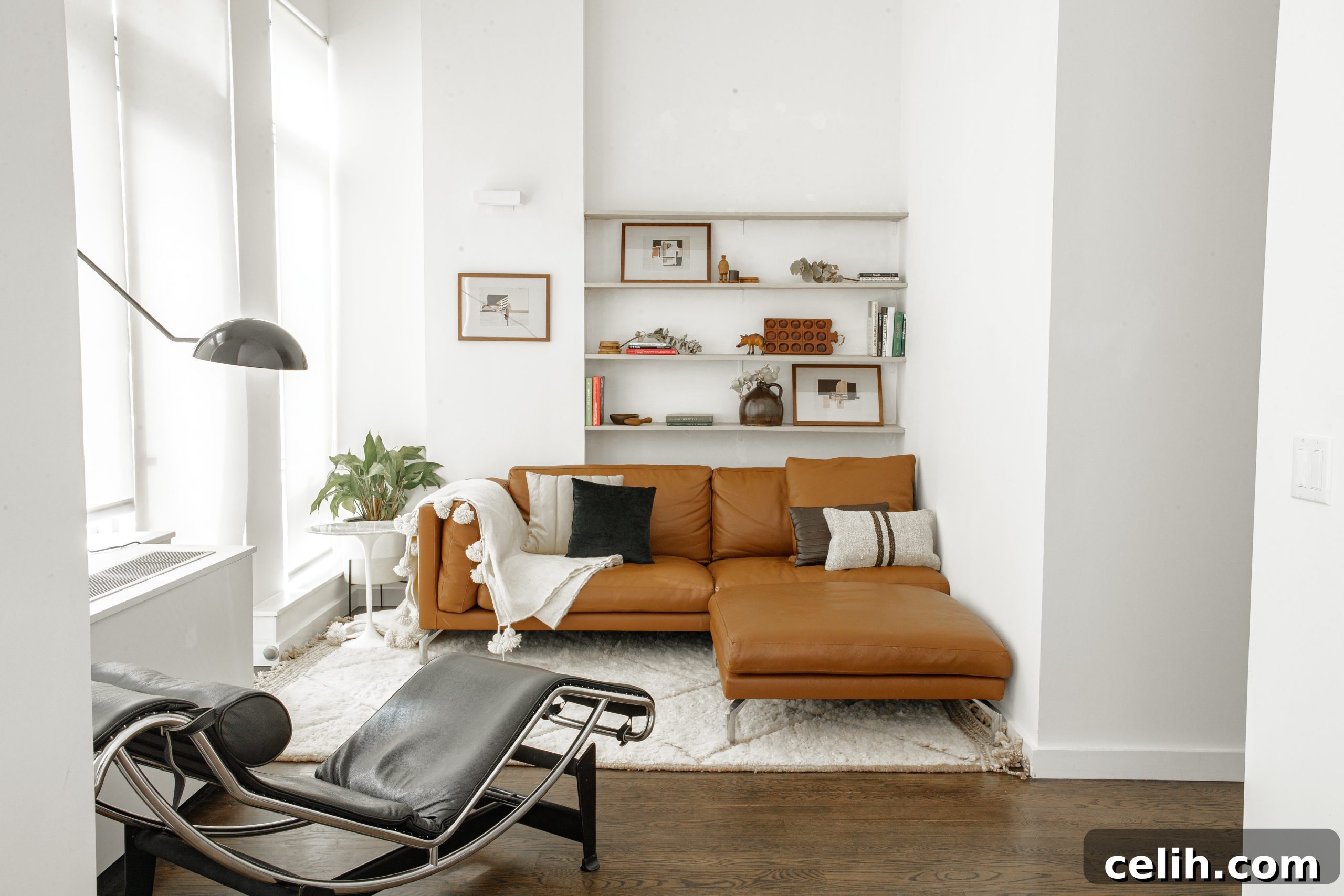
The dream of owning your own property, a personal sanctuary in a bustling world, is a universal aspiration. There’s an undeniable joy and profound satisfaction that comes with turning a blank canvas into a space that truly reflects who you are. This journey of transformation, however, takes on a unique dimension when dealing with smaller living spaces, a common reality in today’s urban landscapes.
Inspired by innovative urban planning and modern living concepts, such as those found in visionary developments like Capital Smart City, we aim to provide you with comprehensive strategies to revitalize your home environment. This article will guide you through expert tips for planning decoration, optimizing space, and infusing personality into even the most compact apartments, ensuring they feel expansive, comfortable, and undeniably stylish. Get ready to unlock the full potential of your home and make it truly your own.
Transforming Small Apartments: Intelligent Design for Urban Living
Living in a compact apartment does not equate to a compromise on comfort or style. On the contrary, it presents an exciting opportunity to embrace intelligent design and innovative solutions that maximize every square inch. As urban populations continue to grow, apartments are increasingly designed with efficiency in mind. This trend encourages us to unleash our creativity, transforming these smaller footprints into highly functional, beautifully organized, and incredibly cozy sanctuaries. The key lies in strategic planning and an imaginative approach to interior design.
Embracing a small apartment doesn’t mean sacrificing your design dreams; it means refining them. By focusing on smart choices and thoughtful execution, you can create an environment that feels spacious, inviting, and perfectly tailored to your lifestyle. The following tips are designed to help you navigate the nuances of small apartment living, turning potential challenges into unique design advantages.
1. Embrace the Power of Multifunctional Furniture
In smaller living spaces, every piece of furniture must earn its place. This is where multifunctional furniture shines, offering ingenious solutions that maximize utility without cluttering your environment. The goal is to ensure comfort and convenience while maintaining an open, airy feel. Multifunctional items are not just about saving space; they’re about enhancing versatility, practicality, and aesthetic appeal, making them indispensable in compact homes.
Consider the transformative power of pieces that serve dual or even triple purposes. An extendable dining table, for instance, remains compact for daily use but effortlessly expands to accommodate guests, eliminating the need for a bulky, permanent dining set. A bed with integrated storage, such as drawers or a hydraulic lift mechanism, cleverly hides away linens, seasonal clothing, or other essentials, keeping your bedroom tidy and serene. Sofa beds are classics for a reason, providing comfortable seating by day and a convenient guest bed by night. Even a simple ottoman with a removable lid can serve as extra seating, a footrest, and discreet storage for blankets or magazines. Other creative examples include nesting tables that can be separated for various uses, modular shelving units that adapt to different configurations, and even a swiveling TV stand that can serve multiple viewing areas within an open-plan layout. These innovative furniture solutions are designed to meet the dynamic needs of a small apartment, ensuring every corner is efficiently organized and highly functional.
2. Invest in Tailored, Planned Furniture Solutions
One of the most impactful strategies for optimizing a small apartment is the integration of planned or custom-built furniture. Unlike conventional, mass-produced pieces that rarely fit perfectly, custom furniture is precisely designed to the exact dimensions of your space. This bespoke approach ensures that no valuable inch goes to waste, transforming awkward corners and tight walls into highly functional storage or display areas.
In environments where space is at a premium, meticulous planning of furniture arrangement and appliance placement is absolutely crucial. There’s little room for last-minute decorative whims; every element must be part of a cohesive plan. This strategic foresight ensures that your apartment remains functional, practical, and feels harmonious rather than cramped. Imagine custom-built shelving that perfectly frames a window, a media unit seamlessly integrated into a living room wall, or kitchen cabinetry designed to maximize vertical storage right up to the ceiling. Professional designers excel at crafting sensational environments with planned furniture, even within the most limited footprints. They can envision and execute solutions that not only fit perfectly but also elevate the overall aesthetic, providing tailored storage, built-in desks, or integrated seating that truly makes your apartment feel unique and thoughtfully designed. The initial investment in custom furniture is often justified by its superior efficiency, long-term durability, and the significant enhancement it brings to daily living.
3. Maximize Vertical Space with Functional Wall Decoration
One common pitfall in small apartment decoration is focusing too heavily on floor-level elements. Potted plants, numerous large furniture pieces, and ground-based decorative items can quickly overwhelm a compact space, making it feel suffocating and difficult to navigate. To counteract this, a vital strategy is to “look up” and fully utilize the vertical real estate offered by your walls. By taking your decoration upwards, you free up precious floor space and enhance the flow of the environment.
Transforming walls into functional and aesthetic elements is simpler than it seems. Floating shelves are excellent for displaying books, small potted plants, cherished picture frames, and decorative objects without adding bulk. Niches, either built-in or strategically placed, are perfect for showcasing collectibles, storing children’s toys, or organizing accessories, keeping surfaces clear. Wall-mounted storage units, pegboards in kitchens or craft areas, and even slim, wall-mounted desks can provide essential functionality without consuming valuable floor area. Beyond storage, mirrors are incredibly effective tools for expanding a space visually. Placed strategically on walls or cabinet doors, they reflect light and create an illusion of depth, making rooms appear larger and brighter. Furthermore, a well-curated gallery wall can add personality and visual interest without cluttering your home. By verticalizing your decor, you not only optimize space but also create a dynamic and visually engaging interior that feels open and inviting.
4. Opt for Light Colors and Maximize Natural Light
The choice of color plays a pivotal role in dictating the perceived size and mood of a room, especially in smaller apartments. A fundamental principle for compact living is to embrace light and neutral color palettes for walls, large furniture pieces, and permanent fixtures. These hues, ranging from crisp whites and soft creams to pale grays and understated pastels, are highly reflective. They bounce light around the room, instantly creating a sense of openness, airiness, and greater spaciousness. Darker colors, while capable of creating dramatic effects, tend to absorb light and can make a small room feel even more enclosed and heavy, which is generally counterproductive in limited dimensions.
Beyond paint and furniture, maximizing natural light is equally crucial. Keep windows unobstructed by heavy drapes or blinds; instead, opt for sheer curtains or minimalist window treatments that allow sunlight to flood in. Strategically placed mirrors, as mentioned, can amplify natural light by reflecting it deeper into the room. Consider furniture with reflective surfaces, such as glass tabletops or polished metal accents, which also contribute to a brighter atmosphere. While light colors form the foundation, this doesn’t preclude the use of stronger tones entirely. Vibrant colors can be introduced judiciously through small decorative details like throw pillows, artwork, or carefully chosen accessories. When done thoughtfully, these pops of color add personality and interest without overwhelming the serene backdrop, maintaining the expansive feel while injecting individual style.
5. Strategic and Layered Lighting Design
Effective lighting design is a game-changer for small apartments, profoundly influencing both functionality and atmosphere. It’s not merely about illuminating a space; it’s about creating depth, defining zones, and enhancing the overall aesthetic. Integrating your lighting plan with your furniture layout from the outset allows for a more cohesive and sophisticated design. Beyond traditional chandeliers and lampshades, modern lighting solutions offer endless possibilities to elevate your living environment.
Consider incorporating various types of lighting to create a layered effect. Ambient lighting, such as recessed lights or flush-mount fixtures, provides overall illumination. Task lighting, like under-cabinet lights in the kitchen or a focused reading lamp, brightens specific work areas. Accent lighting, through spotlights or strip lighting, can highlight architectural features, artwork, or decorative objects, adding visual interest. Planned furniture often includes provisions for integrated lighting, such as LED strips embedded in TV panels, kitchen cabinets, closets, and even bathroom vanities. This built-in illumination offers a sleek, sophisticated look, while also providing practical functionality and allowing designers to direct light precisely where it’s needed.
The flexibility extends to choosing the color temperature of your lights. Cool white lights (higher Kelvin values) are ideal for areas requiring focus and attention, such as kitchens or home offices. Warm white lights (lower Kelvin values) emit a cozier, more inviting glow, perfect for living rooms and bedrooms where relaxation is key. Dimmers are also an invaluable addition, allowing you to adjust the intensity of light to suit different moods and times of day. By thoughtfully layering different light sources, you can transform a compact apartment into a dynamic, welcoming, and infinitely adaptable living space that feels both spacious and intimately comfortable.
6. The Art of Decluttering and Mindful Organization
Perhaps the most foundational tip for thriving in a small apartment is to embrace the philosophy of “less is more.” Clutter is the archenemy of small spaces, making them feel cramped, chaotic, and visually overwhelming. A consistent commitment to decluttering and mindful organization is not just a one-time purge but an ongoing lifestyle choice that significantly enhances livability. Begin by critically evaluating every item you own and asking yourself if it truly serves a purpose or brings you joy. If not, consider donating, selling, or discarding it.
Once you’ve pared down your possessions, the next step is smart storage. Invest in organizational solutions that are tailored to your needs and fit seamlessly into your decor. Think vertical storage in closets with drawer organizers and hanging shelves. Utilize the space under beds with rolling bins or vacuum-seal bags for seasonal items. Decorative baskets and stylish bins can hide everyday items on open shelves, maintaining a neat appearance. Drawer dividers keep small items in check, preventing them from becoming a jumbled mess. Even small details, like command hooks on the back of doors for coats or bags, can make a difference. By cultivating habits of regular tidying and implementing clever storage solutions, you ensure that every item has a designated home, making your small apartment feel consistently calm, orderly, and much more spacious than its actual footprint suggests.
7. Designing for Flow: Open-Concept Living and Zoning
Many modern small apartments feature open-concept layouts, where living, dining, and sometimes even kitchen areas merge into one continuous space. While this design inherently promotes a sense of openness, it requires thoughtful planning to prevent the area from feeling undefined or chaotic. The challenge lies in creating distinct zones for different activities without erecting physical barriers that would negate the open feel.
Area rugs are powerful tools for defining spaces within an open plan. A large rug can anchor the living room, visually separating it from the dining area. Furniture arrangement also plays a crucial role; positioning a sofa to face away from the kitchen can create an invisible boundary, for example. Low-profile shelving units or console tables can also act as subtle room dividers without blocking sightlines or light. Different lighting schemes for each zone, as discussed earlier, can further enhance the distinction – brighter task lighting over a dining table versus softer ambient light in the living area. It’s also important to maintain clear pathways throughout the apartment to ensure effortless movement between zones. By designing for optimal flow and intelligently zoning your open spaces, you can create an apartment that feels expansive, functional, and harmoniously connected, catering to diverse activities within a single, integrated environment.
Transforming a small apartment into a functional, comfortable, and stylish home is an exciting design challenge that, when approached with creativity and strategic planning, yields incredibly rewarding results. By embracing multifunctional furniture, investing in custom solutions, maximizing vertical space, leveraging the power of light colors and natural illumination, and implementing smart lighting design, you can overcome spatial constraints and create an environment that truly feels expansive and inviting. Furthermore, a commitment to decluttering and mindful organization, coupled with intelligent zoning in open-concept layouts, ensures every inch serves a purpose and contributes to a harmonious living experience. These tips empower you to design a home that not only meets your practical needs but also beautifully reflects your personal style, proving that great design knows no size limits.
We hope these comprehensive tips provide valuable inspiration for your small apartment design journey. We’d love to hear your thoughts and any personal strategies you’ve discovered in the comments section below! For more innovative home design ideas and urban development inspiration, be sure to explore projects like Blue World City.