
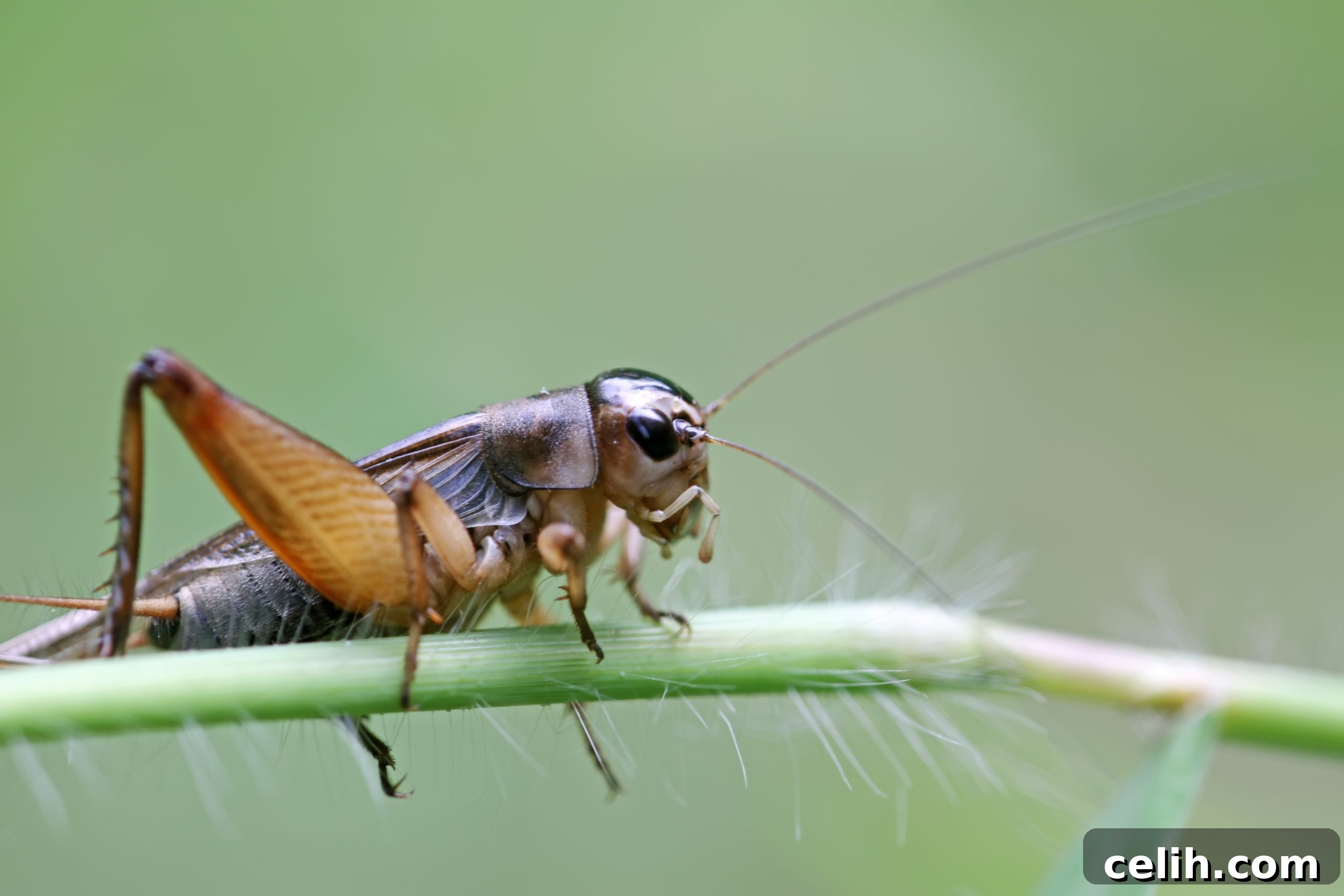
In our pursuit of creating homes that perfectly align with our modern lifestyles and ecological values, ensuring these personal sanctuaries remain free from unwanted pests is paramount. Among the various invaders, crickets can be particularly bothersome, not only with their incessant chirping but also by potentially damaging fabrics, papers, and other household materials. The challenge lies in integrating effective, long-term pest prevention strategies seamlessly with contemporary design aesthetics, ensuring a beautiful home is also a truly peaceful and healthy one.
This comprehensive guide delves into how modern homeowners can achieve a cricket-free environment without compromising on style or sustainability. We will explore cutting-edge building materials, purposeful landscaping techniques, natural repellent solutions, and proactive maintenance practices that embody the sophisticated and eco-conscious spirit of modern living.
Embracing Modern Home Aesthetics for a Pest-Free Lifestyle
Modern homes have evolved far beyond mere architectural trends of sharp lines and minimalist spaces. Today, they represent a holistic lifestyle choice, where comfort, functionality, wellness, and environmental responsibility converge. The art of modern living is about curating an environment that is not just visually appealing but also intrinsically inviting, serene, and, crucially, free from the disruptions of pests like crickets.
Achieving this integrated living experience relies heavily on two foundational pillars: the deliberate selection of building materials and a thoughtful approach to landscaping. By addressing potential entry points and attractants from the ground up, homeowners can lay the groundwork for a truly pest-resistant sanctuary.
The Strategic Role of Building Materials in Pest Prevention
Contemporary architecture and interior design prioritize materials that offer a harmonious blend of beauty and high performance. When it comes to safeguarding your home against crickets and other common household pests, the materials chosen for your home’s construction and sealing can significantly influence its resilience against these uninvited guests. A proactive approach to material selection can dramatically reduce the likelihood of infestations.
Advanced Sealing for Entrances and Gaps
One of the most critical aspects of pest prevention is ensuring all potential entry points are meticulously sealed. Crickets can squeeze through surprisingly small cracks and gaps, making robust sealing essential.
- Material Choices: Modern homes increasingly favor high-performance sealants such as silicone, polyurethane, and advanced acrylic latex. These materials offer superior durability, flexibility, and resistance to environmental factors compared to traditional caulking compounds.
- Aesthetic Harmony: Beyond their functional benefits, these contemporary sealants provide a clean, smooth, and often paintable finish, ensuring they blend seamlessly with the sleek lines and minimalist aesthetic of modern architecture. They help maintain the visual integrity of your home’s design.
- Barrier Creation: When applied around door frames, window casings, utility penetrations, and foundation cracks, these sealants create an impenetrable barrier. This is particularly vital during peak cricket activity periods, preventing entry and maintaining indoor comfort.
- Enhanced Durability: Their resistance to cracking, shrinking, and weathering ensures a long-lasting seal, reducing the need for frequent reapplication and providing consistent protection against pests and energy loss.
Non-Organic Insulation as a Deterrent
The choice of insulation material plays a crucial role not only in energy efficiency but also in pest deterrence. Modern homes often opt for non-organic insulation types that do not serve as a food source or attractive habitat for crickets and other insects.
- Popular Choices:
- Fiberglass Insulation: Composed of fine glass fibers, fiberglass is fire-resistant, provides excellent thermal performance, and offers no nutritional value to pests. Its fibrous structure also makes it difficult for crickets to burrow or nest within.
- Foam Insulation (Spray Foam, Rigid Boards): Known for its exceptional thermal properties, air-sealing capabilities, and rigidity, foam insulation creates a solid, inhospitable environment for pests. It fills cavities completely, eliminating voids where crickets might hide or travel.
- Benefits for Pest Prevention:
- Non-Edible: Unlike organic insulation materials that can sometimes attract pests seeking food or nesting materials, fiberglass and foam are inert and provide no sustenance for crickets.
- Reduced Harborage: Their dense or finely spun structures minimize opportunities for crickets to create nests or find shelter within your walls and attics.
- Moisture Resistance: Many modern insulation types, especially closed-cell foam, offer better resistance to moisture absorption, reducing damp environments that crickets are attracted to.
Landscaping with Purpose: Deterring Crickets with Style
The outdoor spaces of modern homes, encompassing gardens, patios, and surrounding landscapes, are no longer just about aesthetic appeal. They are integral to the home’s overall functionality, serving multiple purposes, including acting as a primary line of defense against pests like crickets. Thoughtful landscaping can create a natural perimeter that discourages crickets from approaching your home.
Plants That Naturally Repel Crickets
Incorporating specific plants into your landscape design can add beauty while simultaneously deterring crickets through their natural compounds and strong scents.
- Effective Plant Examples:
- Lavender: Beyond its calming aroma and iconic purple blooms, crickets are known to dislike its strong scent, making it an excellent choice for borders and near windows.
- Rosemary: This versatile herb is not only a culinary delight but also a powerful cricket repellent. Its woody scent keeps many insects at bay.
- Chrysanthemums: These vibrant flowers contain natural insecticides called pyrethrins, which are effective against a wide range of insects, including crickets.
- Mint: Various mint species emit strong aromas that crickets find unpleasant. Planted in pots, they can be strategically placed.
- Garlic & Chives: Members of the allium family, these plants release sulfur compounds that act as natural repellents.
- Strategic Implementation:
- Perimeter Planting: Position these repellent plants strategically along the perimeter of your home, near foundations, entryways, and windows, creating a fragrant barrier.
- Container Gardens: For areas with limited ground space or to control aggressive spreaders like mint, utilize sleek planters and pots that align with your home’s modern design aesthetic.
- Layered Design: Integrate these plants into a layered landscape design, combining different heights and textures for visual interest while maximizing their repellent effect.
Limiting Shelter and Moisture for Crickets
Crickets thrive in damp, dark, and cluttered environments that offer shelter from predators and harsh weather. By actively managing your landscape, you can significantly reduce these attractive habitats.
- Key Actions:
- Proper Spacing: Ensure that plants, especially dense shrubs and groundcovers, have ample space between them and away from the home’s foundation. This promotes airflow and reduces humid, shaded hiding spots.
- Regular Maintenance: This involves diligently trimming overgrowth, removing fallen leaves, grass clippings, and other organic debris. Keep lawns mowed and garden beds weed-free.
- Remove Hiding Spots: Eliminate potential cricket shelters such as woodpiles, rock piles, discarded items, and dense mulch layers directly adjacent to the house. If woodpiles are necessary, stack them away from the home and elevate them off the ground.
- Manage Moisture: Ensure proper drainage around your home. Direct rainwater away from the foundation with well-maintained gutters and downspouts. Avoid overwatering plants near the house.
- Desired Outcome:
- Reduced Hiding and Breeding Spots: A meticulously maintained, well-spaced garden eliminates the dense, undisturbed areas where crickets prefer to live and breed, exposing them to natural predators and less favorable conditions.
- Enhanced Aesthetic Appeal: A tidy, well-manicured landscape inherently aligns with modern design principles, creating a neat, intentional, and inviting outdoor space that enhances curb appeal.
- Discouraged Entry: By making the immediate perimeter of your home less appealing, you create a buffer zone that discourages crickets from venturing towards your foundation and potential entry points.
Modern and Eco-Friendly Cricket Management Indoors
As homeowners increasingly prioritize designs that are both ecologically sound and aesthetically pleasing, the demand for non-invasive, eco-friendly pest control solutions has surged. Contemporary remedies for cricket issues perfectly align with this ethos, offering both proactive and reactive measures that allow homeowners to enjoy their spaces without compromising on design sensibilities or environmental consciousness. The focus here is on safe, sustainable methods that complement a modern, healthy home.
Harnessing the Power of Natural Repellents and Treatments
When addressing pest control inside modern homes, the priority is always non-toxic, natural remedies that pose no threat to the health of residents, children, or pets. These solutions are effective yet gentle on the indoor environment.
Diatomaceous Earth (DE)
Diatomaceous Earth is a remarkable natural substance that provides an excellent, chemical-free way to combat crickets and many other crawling insects.
- What It Is: A naturally occurring, soft sedimentary rock, Diatomaceous Earth is composed of the fossilized remains of diatoms (ancient microscopic aquatic organisms). It crumbles easily into a fine white powder.
- Application:
- Sprinkle a thin, almost imperceptible layer of food-grade DE at potential cricket entry points: along baseboards, under sinks, around window frames, door thresholds, behind appliances, and any visible cracks or crevices.
- It can also be lightly dusted in garden beds, patio areas, or crawl spaces where crickets are frequently observed.
- How It Works:
- When crickets or other insects come into contact with DE, the microscopic, sharp edges of the diatom fossils abrade their exoskeletons.
- The powder then absorbs the lipids from the insect’s waxy outer layer, leading to dehydration and ultimately, death.
- Importantly, food-grade DE is safe for larger animals and humans, making it an ideal choice for households with pets and children, though inhalation should still be avoided.
Essential Oils for Natural Deterrence
Many essential oils derived from plants possess strong aromatic compounds that crickets and other pests find highly repulsive, serving as a natural and pleasant-smelling repellent.
- Potent Varieties for Cricket Repulsion:
- Peppermint Oil: Known for its strong, invigorating scent, peppermint oil is a powerful deterrent for crickets, spiders, ants, and mice.
- Eucalyptus Oil: Its distinctive, medicinal aroma is disliked by a wide range of pests, including crickets.
- Rosemary Oil: Effective against various insects, including crickets, fleas, and mosquitoes, rosemary oil offers a fresh, herbaceous scent.
- Cedarwood Oil: The natural oils in cedar are well-known insect repellents, often used in closets and dressers.
- Lemongrass Oil: With its fresh, citrusy aroma, lemongrass is also a proven insect repellent.
- Effective Usage:
- DIY Spray: Combine 10-15 drops of your chosen essential oil (or a blend) with water in a spray bottle. Shake well before each use.
- Targeted Application: Regularly mist areas where crickets are seen or suspected, such as entryways, window sills, dark corners, and around furniture. Use it as a preventive measure in basements and utility rooms.
- Cotton Balls: Soak cotton balls with a few drops of undiluted essential oil and place them in discreet locations where crickets might hide or enter, like cupboards, behind appliances, or in drawers.
- Ambient Diffusion: While less direct for pest control, diffusing essential oils can contribute to an overall less appealing environment for crickets while enhancing the home’s ambiance.
Proactive Home Maintenance for Cricket Prevention
The most effective strategy for managing cricket issues is prevention. Regular and diligent home maintenance plays a critical role in creating an environment that simply isn’t attractive or hospitable to crickets.
Thorough Regular Inspections
Scheduled inspections allow you to identify and address potential cricket attractants or entry points before an infestation takes hold.
- Areas of Critical Focus:
- Basements and Crawl Spaces: Often dark, cool, and moist, these areas are highly attractive to crickets. Regularly check for signs of moisture, cracks, or cricket activity.
- Attics: Particularly those with stored cardboard boxes, old insulation, or any signs of moisture intrusion.
- Garages and Utility Rooms: Clutter, stored items, and areas around utility pipes can provide ideal hiding spots.
- Laundry Rooms and Bathrooms: Areas prone to humidity and moisture.
- Under Sinks and Behind Appliances: Dark, undisturbed, and potentially damp spaces.
- Exterior Foundation: Walk around the perimeter of your home, looking for cracks in the foundation, gaps around pipes, and unsealed vents.
- Proactive Steps During Inspection:
- Moisture Control: Ensure these spaces remain dry. Utilize dehumidifiers in damp areas and ensure adequate ventilation.
- Clutter Reduction: Regularly declutter and organize storage areas, reducing potential hiding spots. Store items in sealed plastic containers rather than cardboard boxes.
- Lighting: Install adequate lighting in basements and attics, as crickets prefer darkness.
- Seal Cracks: Promptly seal any cracks or gaps found in foundations, walls, or around utility lines with appropriate sealants.
Prompt Leak Repairs and Moisture Management
Moisture is a primary attractant for crickets and a myriad of other pests. Addressing water issues immediately is crucial for a pest-free home.
- Why It Matters So Much:
- Pest Magnet: Moist and humid environments are irresistible to crickets, providing them with essential hydration and ideal conditions for breeding.
- Mold and Mildew Risk: Unaddressed leaks not only attract pests but also lead to mold and mildew growth, which can severely impact indoor air quality and structural integrity.
- Comprehensive Action Plan:
- Regular Plumbing Checks: Periodically inspect plumbing systems, pipes under sinks, toilets, and laundry connections for any signs of leaks or drips.
- Roof and Gutter Maintenance: Ensure your roof is in good repair and that gutters and downspouts are clean and properly directing water away from the foundation. Clogged gutters can lead to water pooling near the house.
- Foundation and Basement: Regularly check basement walls and crawl spaces for any signs of water intrusion or dampness. Address any discovered leaks or seepage immediately.
- Ventilation: Ensure proper ventilation in bathrooms, kitchens, and laundry rooms to reduce indoor humidity. Consider installing exhaust fans or using existing ones effectively.
- Dehumidifiers: Employ dehumidifiers in consistently damp areas like basements to keep humidity levels below 50%, making the environment less appealing to crickets.
By skillfully combining these modern, eco-conscious solutions with the inherent principles of contemporary home design, homeowners can ensure they are living in spaces that are not only aesthetically captivating but also inherently beautiful in their freedom from pests.
Blending Aesthetics with Advanced Functionality
A truly cricket-free modern home should never demand a compromise on style. Today’s innovative solutions offer a seamless blend of sophisticated design and cutting-edge utility, allowing for discreet yet highly effective pest management.
Smart Home Pest Control: Discreet Technology
The integration of technology into modern living extends to pest control, offering non-intrusive and intelligent ways to keep pests at bay.
- Ultrasonic Repellers:
- Function: These compact devices emit high-frequency sound waves that are generally unpleasant or disorienting to crickets and other specific pests, compelling them to leave the area. These frequencies are typically inaudible and harmless to humans and most household pets.
- Design Benefits: Modern ultrasonic repellers are often designed with sleek, minimalist profiles that can plug subtly into outlets, blending seamlessly with contemporary decor without drawing unwanted attention. They offer a silent, chemical-free deterrent.
- Integrated Monitoring Systems:
- While not direct cricket repellents, smart home sensors can contribute significantly to pest prevention. Systems that monitor moisture levels in basements or crawl spaces, or motion sensors that detect unusual activity, can alert homeowners to potential issues early on. This proactive data allows for intervention before a minor presence becomes a major infestation.
Aesthetically Pleasing Traps and Barriers
Even when a physical trap is needed, modern design ensures it doesn’t detract from your home’s beauty.
- Decorative Sticky Traps:
- Designs: Gone are the days of unsightly, obvious sticky traps. Contemporary alternatives are available in decorative patterns, colors, and even discreet housing units that can camouflage their purpose. Some are designed to look like attractive decorative elements or come in subtle shapes that blend with walls or furniture.
- Strategic Placement: These traps can be placed strategically in areas where crickets are likely to travel, such as along baseboards or in corners, effectively capturing pests while doubling as subtle decor elements.
- Stylish Door Sweeps and Window Screens:
- High-quality, well-designed door sweeps and window screens are essential physical barriers. Modern options are often made from durable, attractive materials like anodized aluminum or fine mesh that offer effective pest exclusion without looking clunky or out of place. They are integral to the home’s aesthetic and energy efficiency.
Conclusion: Harmonious Living in a Cricket-Free Modern Home
Modern home design is ultimately about creating a harmonious environment where aesthetics, functionality, and ecological responsibility coexist flawlessly. Integrating effective, pest-free solutions into contemporary homes is not an afterthought but an intrinsic part of this thoughtful design philosophy. It’s about building and maintaining a space that is not only visually stunning but also inherently healthy, comfortable, and resilient against unwanted intrusions.
By understanding the nuances of modern aesthetics and thoughtfully utilizing innovative, non-intrusive solutions—from smart material selection and purposeful landscaping to natural repellents and proactive maintenance—homeowners can achieve the perfect synergy of style and cricket-free living. This holistic approach ensures peace of mind, preserves the beauty of your investment, and fosters a truly sustainable and enjoyable home environment. As we continue to embrace the future of home, the pursuit of a serene, pest-free sanctuary remains a cornerstone of modern, harmonious living.