
Maximize Your Home’s Warmth: A Comprehensive Guide to Central Heating Efficiency
The central heating system is an indispensable element of any modern home, especially during the colder months when reliable warmth becomes a necessity, not a luxury. Its importance is truly felt when winter’s chill descends, and you rely on your system to maintain a comfortable indoor environment. However, for your heating system to perform optimally and fulfill your warmth requirements without excessive energy consumption, its efficiency is paramount.
Why Your Heating System Needs Off-Season Attention
While the warmer weather might make discussions about central heating seem out of season, it’s actually the ideal time to focus on its performance. When your heating system is dormant, it provides a perfect opportunity for proactive maintenance, repairs, and upgrades. Addressing potential issues now ensures your system is primed, efficient, and ready to deliver consistent warmth the moment temperatures drop, preventing uncomfortable surprises and costly emergency call-outs during peak demand. Investing time now can significantly enhance your home’s comfort, reduce future energy bills, and extend the lifespan of your heating infrastructure.
Essential Steps to Boost Radiator Efficiency
Banishing Trapped Air: The Art of Bleeding Your Radiators
Over time, and with regular use, air can become trapped within your central heating system, often accumulating in your radiators. This trapped air acts as a barrier, preventing hot water from circulating freely and efficiently throughout the entire radiator. It’s one of the primary culprits behind radiators failing to heat your home effectively, leading to cold spots and wasted energy.
Signs that your radiator may have trapped air include it feeling cold at the top while warm at the bottom, or not heating up at all. A gurgling sound emanating from your radiators can also indicate the presence of air. Fortunately, bleeding a radiator is a straightforward DIY task that can significantly improve its performance. This process involves releasing the trapped air to allow hot water to fill the entire unit. (For a step-by-step guide, check out our previous post on how to bleed a radiator.) If you’re unsure or prefer professional assistance, a qualified engineer can perform this as part of a routine central heating service, ensuring your entire system runs smoothly.
The Pitfalls of Paint: Keeping Radiators Unhindered
While a fresh coat of paint can certainly improve the aesthetics of your radiators, it’s crucial to exercise caution. Applying too many layers of paint, especially non-specialized types, can create an insulating barrier that reduces the radiator’s ability to efficiently emit heat into the room. This effectively means you’re paying to heat your radiator, but less of that heat is reaching your living space.
If your radiators have accumulated multiple layers of paint over many years, they may be operating at a significantly diminished capacity. In such cases, or if they show signs of rust or consistent inefficiency, it might be time to consider replacing them with modern, energy-efficient models. Newer radiators often boast improved designs and materials that maximize heat output, offering superior performance and potentially lowering your heating bills.
Mastering Temperature: The Power of Thermostatic Radiator Valves (TRVs)
For ultimate control over your home’s heating and to significantly enhance energy efficiency, the installation of thermostatic radiator valves (TRVs) is an excellent choice. Unlike a single central thermostat that regulates the temperature for the entire house, TRVs allow for independent temperature control in virtually every room (excluding the room with your main thermostat, to avoid conflicts). This means you can tailor the heating level to individual room usage and preferences, ensuring comfort where it’s needed most while conserving energy in less-used areas.
TRVs work by sensing the air temperature around them and adjusting the flow of hot water into the radiator accordingly. This intelligent control helps to even out heat distribution throughout your home, eliminating overheated rooms and cold spots. By allowing you to effectively “zone” your heating, TRVs contribute to a more comfortable living environment and can lead to substantial reductions in your overall heating costs, making them a smart investment for any homeowner focused on energy saving.
Unobstructed Warmth: Clear the Path for Your Radiators
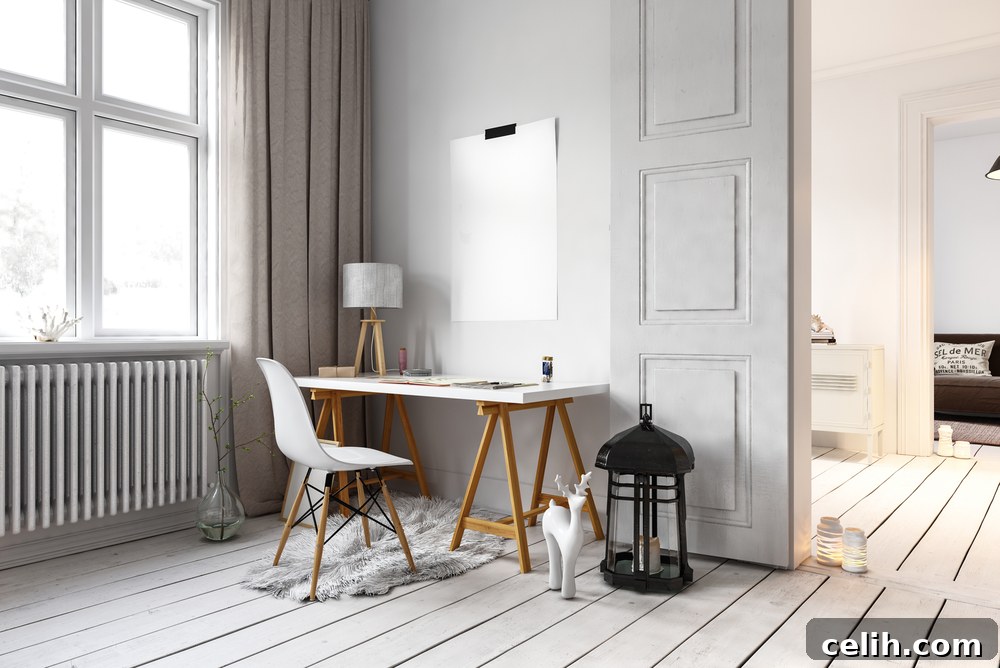
Many homeowners use radiator covers for aesthetic reasons or to prevent dust accumulation. While these covers can certainly enhance a room’s decor, poorly designed or improperly installed covers can severely impede your radiator’s performance. Specifically, if a radiator cover obstructs or traps the thermostatic radiator valves (TRVs), it can significantly affect their ability to accurately sense the ambient room temperature.
Heating experts advise against fully enclosing TRVs because they rely on circulating air to function correctly. If a radiator is covered in a way that traps heat between the radiator and the cover, the TRV may falsely register a higher room temperature than what is actually present. This leads the TRV to reduce the hot water flow, making the room feel colder than intended and forcing the boiler to work harder to compensate for perceived underheating in other areas. To mitigate this, choose radiator covers with ample ventilation – open tops, slatted fronts, and sufficient space around the TRV – to ensure proper airflow and accurate temperature sensing, thus preserving your heating system’s efficiency and your home’s comfort.
Beyond covers, ensure radiators are not blocked by large furniture items like sofas, bookshelves, or cabinets. These obstructions can prevent heat from circulating freely into the room, effectively creating a barrier that traps warmth and diminishes the radiator’s output. Rearranging your furniture to allow at least 6-12 inches of clear space around your radiators can make a noticeable difference in how quickly and evenly your rooms heat up.
Curtain Call for Efficiency: Adjusting Window Dressings
Radiators are frequently placed under windows, and the interaction between your curtains and these heating units can have a significant impact on efficiency. Modern radiators often emit a substantial portion of their heat from the back panel through convection currents, which warm the air that then rises and circulates throughout the room. If long curtains are tucked behind the radiator or completely cover it, they can effectively trap this valuable heat between the radiator and the window, preventing it from entering your living space. This also obstructs the natural convection currents that distribute warm air.
To ensure optimal heat distribution and prevent energy waste, adjust your curtain length. The ideal scenario is for curtains to skim the top of the radiator or to be cut to windowsill length. This allows the heat to radiate freely into the room and ensures that your heating efforts are not primarily warming the space between your window and your curtain. Choosing thermal-lined curtains can also provide an additional layer of insulation against heat loss through windows, further contributing to your home’s overall warmth and energy efficiency, especially when they are closed at dusk.
Drying Clothes Wisely: Off-Radiator Solutions
It’s a common practice to hang wet laundry directly on radiators to speed up drying. However, this seemingly convenient method has several negative consequences for your central heating system’s efficiency and your home environment. When radiators are covered with wet clothes, the blockage significantly reduces their ability to effectively emit heat into the room. This is because the clothes act as an insulator, trapping heat and preventing the vital convection currents from circulating warm air around your living space. The result is a room that feels colder, forcing your boiler to work harder and longer, which directly translates into increased energy consumption and higher heating bills.
Furthermore, drying clothes indoors on radiators introduces excess moisture into the air. This elevated humidity can lead to condensation problems, which in turn encourages the growth of mold and mildew, potentially impacting indoor air quality and requiring costly remediation. For efficient and healthy clothes drying, it’s always better to use a dedicated clothes airer, placed in a well-ventilated area or a room with a dehumidifier. Utilizing outdoor drying lines when weather permits is the most energy-efficient option. Prioritizing these alternatives will help maintain your central heating system’s efficiency and promote a healthier indoor atmosphere, while also preventing unnecessary increases in your heating system usage costs.
Strategic Choices for Lasting Heating Performance
Selecting the Perfect Radiators: Size, Type, and Material
The efficiency of your home heating is significantly influenced by the correct selection of radiators. Choosing the right size and type for each room is crucial; radiators that are too large may lead to overheating and increased energy consumption, while those that are too small will struggle to adequately heat the space, leaving you feeling cold and your system working constantly. When considering replacing or installing new radiators, careful calculation is key to finding the most efficient option for your home.
Consider the room’s dimensions, insulation levels, window sizes, and exposure to external elements (e.g., north-facing rooms typically need more heat). Heating engineers often use British Thermal Unit (BTU) calculations to determine the precise heat output required for each space.
It’s worth knowing that material choice also plays a role. While common steel panel radiators are a highly efficient and cost-effective choice, other options offer unique benefits:
- Cast Iron Radiators: Renowned for their exceptional heat retention properties, cast iron radiators heat up slowly but stay warm for an extended period after your boiler turns off. This thermal inertia can contribute to stable, comfortable room temperatures and improved energy efficiency. They are also incredibly durable and available in a vast array of classic and contemporary designs, making them ideal for homes seeking both performance and aesthetic appeal.
- Aluminum Radiators: These radiators heat up very quickly due to aluminum’s excellent thermal conductivity. They are lightweight and respond rapidly to changes in thermostat settings, making them suitable for systems where quick heat adjustments are desired.
- Designer and Vertical Radiators: These options prioritize aesthetics and space-saving designs without compromising on heat output, offering stylish solutions for modern interiors.
Choosing the right combination of size, material, and style ensures your heating system performs optimally and efficiently.
Embracing the Future: The Benefits of Smart Heating Systems
Modern technology offers significant advancements in home heating control through smart heating systems. Upgrading to a smart heating system, such as those offered by Hive or Nest, can revolutionize how you manage your home’s temperature and dramatically improve energy efficiency. These systems provide a range of benefits:
- Remote Control: Manage your heating from anywhere in the world using your smartphone, ensuring your home is warm for your arrival or turning it down if you’re unexpectedly delayed.
- Intelligent Scheduling: Create highly customized heating schedules that adapt to your daily routine, optimizing warmth delivery only when needed.
- Learning Capabilities: Some smart thermostats learn your preferences and the unique characteristics of your home, automatically adjusting to minimize energy waste while maintaining comfort.
- Zonal Control: When paired with smart TRVs, smart heating systems can provide sophisticated zonal control, allowing you to heat individual rooms or areas of your home to different temperatures, further enhancing efficiency and comfort.
- Energy Monitoring: Gain insights into your heating usage patterns and identify areas for further energy saving, empowering you to make informed decisions about your energy consumption.
- Integration: Seamlessly integrate with other smart home devices and voice assistants for a truly connected and automated living experience.
These features not only enhance convenience and comfort but also play a crucial role in reducing your carbon footprint and significantly lowering your heating bills.
Beyond Radiators: Holistic Home Heating Strategies
The Foundation of Warmth: Comprehensive Home Insulation
While efficient radiators and smart controls are vital, their effectiveness is amplified by a well-insulated home. Proper insulation is the bedrock of energy-efficient heating, preventing warmth from escaping and cold air from entering. Focus on:
- Loft Insulation: A significant amount of heat can be lost through an uninsulated roof. Loft insulation is often one of the most cost-effective ways to improve home energy efficiency.
- Wall Insulation: Whether cavity wall or solid wall insulation, reducing heat loss through external walls drastically improves internal temperatures and reduces the workload on your heating system.
- Window and Door Insulation: Upgrading to double or triple glazing, along with effective draft proofing around windows and doors, can seal your home against chilly drafts and prevent substantial heat loss.
Investing in comprehensive insulation ensures that the heat generated by your central heating system stays where it belongs: inside your comfortable home.
Regular Servicing: The Key to Longevity and Efficiency
Just like a car, your central heating system, especially the boiler, benefits immensely from regular professional servicing. An annual boiler service by a Gas Safe registered engineer ensures that your system is operating safely and efficiently. During a service, the engineer will check for any faults, clean components, and make necessary adjustments, which can:
- Prevent costly breakdowns, especially during the cold winter months.
- Maintain optimal fuel efficiency, saving you money on energy bills.
- Extend the lifespan of your boiler and entire heating system.
- Ensure the system is operating safely, reducing the risk of carbon monoxide leaks or other hazards.
A well-maintained system is an efficient system, providing reliable warmth year after year.
Smart Thermostat Usage and Placement
Even without a full smart heating system, the correct use and placement of your main thermostat are critical. Ensure your thermostat is located on an interior wall, away from direct sunlight, drafts, or heat-emitting appliances, as these factors can cause inaccurate temperature readings. Setting your thermostat to a comfortable but not excessively high temperature (typically between 18-21°C for living areas) and using its programming features to adjust temperatures when you’re out or asleep can lead to significant energy savings. Every degree you turn down your thermostat can reduce your heating bill by a noticeable percentage.
By implementing these comprehensive strategies – from essential radiator maintenance to strategic upgrades and holistic home improvements – you can ensure your central heating system operates at its peak efficiency. This not only guarantees a consistently warm and comfortable home throughout the colder months but also contributes to lower energy bills and a reduced environmental impact.
Image via Shutterstock
(Disclosure: Sponsored guest post)