
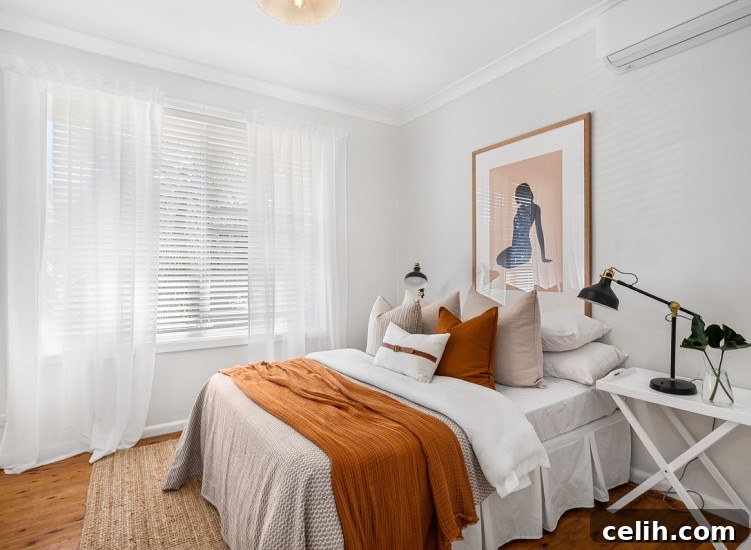
In recent times, many individuals have found themselves with newfound flexibility, perhaps due to remote work arrangements or a desire to maximize the utility of their living space. The idea of becoming an Airbnb host has increasingly moved from a niche concept to a mainstream opportunity, particularly for those looking to generate extra income or make the most of spare rooms. While traditional tourism patterns have shifted, the demand for unique, short-term stays, whether for staycations, business travel, or temporary relocations, remains robust. This comprehensive guide delves into the world of Airbnb hosting, exploring its numerous advantages and potential challenges, and providing a step-by-step roadmap to help you embark on your journey as a successful host.
Whether you’re pondering the financial benefits, the lifestyle flexibility, or simply curious about transforming your spare room into a profitable asset, understanding the intricacies of the Airbnb platform is crucial. From navigating the UK government’s Rent-a-Room scheme to perfecting your guest experience, we’ll cover everything you need to know to make an informed decision and thrive in the short-term rental market.
Unlock Your Home’s Potential: The Benefits of Becoming an Airbnb Host
The most compelling reason for many to open their homes to guests is, undoubtedly, the financial incentive. Becoming an Airbnb host offers a fantastic opportunity to generate a significant supplementary income, transforming unused space into a valuable asset. In the UK, for instance, the government’s generous Rent-a-Room scheme allows hosts to earn up to £7,500 tax-free annually by letting out furnished accommodation in their own home. This threshold can make a substantial difference to household budgets without incurring additional tax burdens for most casual hosts.
Beyond the direct financial gain, Airbnb offers unparalleled flexibility. Unlike traditional long-term rentals, where you commit to a tenant for months or even years, Airbnb allows you to dictate your availability. You can choose to host only during peak seasons, specific weekends, or when you’re away on holiday yourself. This level of control means you can seamlessly integrate hosting into your lifestyle without it becoming a permanent obligation. This adaptability is particularly appealing to those who travel frequently, work from home, or simply value the freedom to use their space as they please.
Furthermore, depending on your property’s location and unique features, Airbnb hosting can be considerably more profitable than a standard long-term rental. Short-term rates often command a premium, especially in popular tourist destinations or areas with high event demand. Airbnb’s robust platform handles many of the administrative tasks, from secure payment processing to a comprehensive guest vetting system, which includes reviews and ratings from previous hosts. This built-in support system helps to mitigate risks and streamline operations, allowing you to focus on providing an excellent guest experience.
For those who enjoy social interaction, hosting can be an incredibly rewarding experience. You’ll have the opportunity to meet people from all walks of life and diverse cultures, sharing local insights and perhaps even forging lasting connections. Many hosts find immense satisfaction in helping guests have memorable stays, and some even cultivate a loyal base of returning guests who appreciate their hospitality and property.
Navigating the Challenges: Potential Disadvantages of Running an Airbnb
While the benefits are attractive, it’s essential to approach Airbnb hosting with a clear understanding of its potential drawbacks. One significant consideration is the cost associated with using the platform. While Airbnb offers a sophisticated booking and payment system, it comes with a service fee, typically around 3% for hosts (though it can vary and sometimes be higher, especially if you choose to absorb the guest fee). When factoring in these charges, as well as cleaning costs, supplies, and potential maintenance, it’s crucial to accurately calculate your net earnings to ensure profitability.
Unlike a traditional long-term tenancy that provides a steady, predictable income, Airbnb income can be inconsistent. There’s no guarantee of continuous occupancy, and many hosts experience fluctuating booking rates based on seasonality, local events, economic conditions, and their property’s location. Average occupancy rates in the UK can vary significantly, often hovering around 50-70%, meaning your property might be vacant for a considerable portion of the year. This unpredictability requires careful financial planning and might not suit those seeking a stable, primary income source.
Beyond financial unpredictability, running any form of short-term accommodation, be it a dedicated bed and breakfast or an Airbnb, demands considerable time, energy, and commitment. This isn’t a passive income stream. You’ll be responsible for regular cleaning and tidying, communicating with guests, managing bookings, and handling check-ins and check-outs. Furthermore, unexpected issues can arise at any moment – a guest might accidentally lock themselves out, a pipe could burst, or an appliance might malfunction. These situations often require immediate attention, potentially disrupting your personal plans and demanding a swift, hands-on response, even if it means venturing out in the rain to deliver a spare key!
Finally, hosting also means opening your home to strangers, which can raise privacy and security concerns. While Airbnb has vetting processes, incidents of property damage, theft, or disputes, though rare, can occur. Adequate insurance coverage is paramount, as standard home insurance policies often don’t cover short-term rental activities. Hosts must also be aware of and comply with local regulations, which can include planning permission, specific health and safety requirements, and potentially tourist taxes, all of which add layers of complexity and responsibility.
Your Journey to Hosting: A Step-by-Step Guide to Getting Started with Airbnb
Embarking on your Airbnb hosting journey requires thoughtful preparation and strategic planning. The first critical step is to thoroughly assess your property and its surrounding area to identify its unique selling points and target audience. Is your home nestled by a picturesque coastline, offering breathtaking sea views? Is it within walking distance of a vibrant city center, renowned historical sites, or key business districts? Perhaps it’s a tranquil rural retreat, perfect for nature lovers. Conduct comprehensive online research to scout the competition in your locality. Understanding what other hosts offer and their pricing strategies will enable you to position your listing competitively. For instance, while London is a popular destination, it can also be one of the most challenging markets for hosts due to an abundance of choices and fierce pricing competition. Once you’ve pinpointed your primary target demographic – be it international tourists, business travelers, families, or pet owners – you can tailor your listing and amenities accordingly.
Crafting Your Airbnb Listing for Success
Even if you envision Airbnb hosting as a supplementary income stream, approaching it with a professional mindset is paramount. Your listing needs to be accurate, appealing, and transparent. Start by establishing a clear set of house rules covering essential aspects like parking arrangements, quiet hours, pet policies, and access to shared spaces. Communicate these rules openly and honestly in your listing and during guest interactions to prevent misunderstandings and ensure a smooth stay for everyone. While the temptation to exaggerate your property’s features to stand out might be strong, realism is key. Guests will quickly become frustrated if the “stunning sea view” is only visible from a precarious perch on a chair in the attic corner, leading to negative reviews that can harm your reputation. Authenticity builds trust and leads to positive guest experiences.
High-quality photography is also non-negotiable. Invest time in taking well-lit, attractive photos that accurately represent your space. Consider hiring a professional photographer if your budget allows. Furthermore, a compelling and detailed description that highlights your property’s best features, local attractions, and any unique amenities will draw guests in. Airbnb itself offers a wealth of resources and tips for hosts on how to create an attractive and effective listing that captures attention.
The Art of Hosting: What Makes an Airbnb Property and Host Truly Stand Out?
If you’ve ever been an Airbnb guest yourself, you likely already hold the secret to successful hosting: it’s a blend of thoughtful preparation and genuine hospitality. As a host, embodying traits like friendliness, responsiveness, and flexibility is crucial. Guests appreciate clear communication and a host who is readily available to address their needs or offer local recommendations. Your property, meanwhile, must consistently meet high standards of cleanliness and tidiness. A well-maintained space that is in good repair demonstrates respect for your guests and contributes significantly to their comfort.
Creating a Welcoming and Professional Space
One of the most effective strategies for an Airbnb property is depersonalization. While your home might reflect your unique style, guests often prefer a more neutral and inviting environment. It’s a good practice to tidy away personal photographs, valuable heirlooms, and excessive clutter to create a space that feels like a temporary home rather than someone else’s private residence. This allows guests to envision themselves relaxing and feeling at ease.
Beyond basic necessities, little thoughtful touches can elevate a good stay to an exceptional one. Consider your target audience and location. If you’re near the coast, providing fresh beach towels can be a huge convenience. For properties in hiking areas, offering drying facilities for wet coats and boots will be highly appreciated. A welcome basket with local treats, a detailed guide to nearby attractions and restaurants, or even a selection of board games can make guests feel truly special and cared for. These small gestures often translate into glowing reviews and repeat bookings.
Finally, always prioritize guest safety and ensure your property adheres to all relevant regulations. Airbnb provides a comprehensive guide to safety protocols and standards, particularly for responsible hosting in the United Kingdom. This includes essential considerations like fire safety equipment, first aid kits, carbon monoxide detectors, and clear emergency contact information. Compliance with these standards not only protects your guests but also safeguards your reputation as a responsible host.
While casual Airbnb hosting might not always replace a full-time job, it offers a dynamic and potentially very profitable source of extra income. More than just financial gain, it provides an opportunity to meet diverse people, learn new skills, and make the most of your home. With diligent preparation, genuine hospitality, and a focus on guest satisfaction, your journey as an Airbnb host can be incredibly rewarding and enjoyable!