
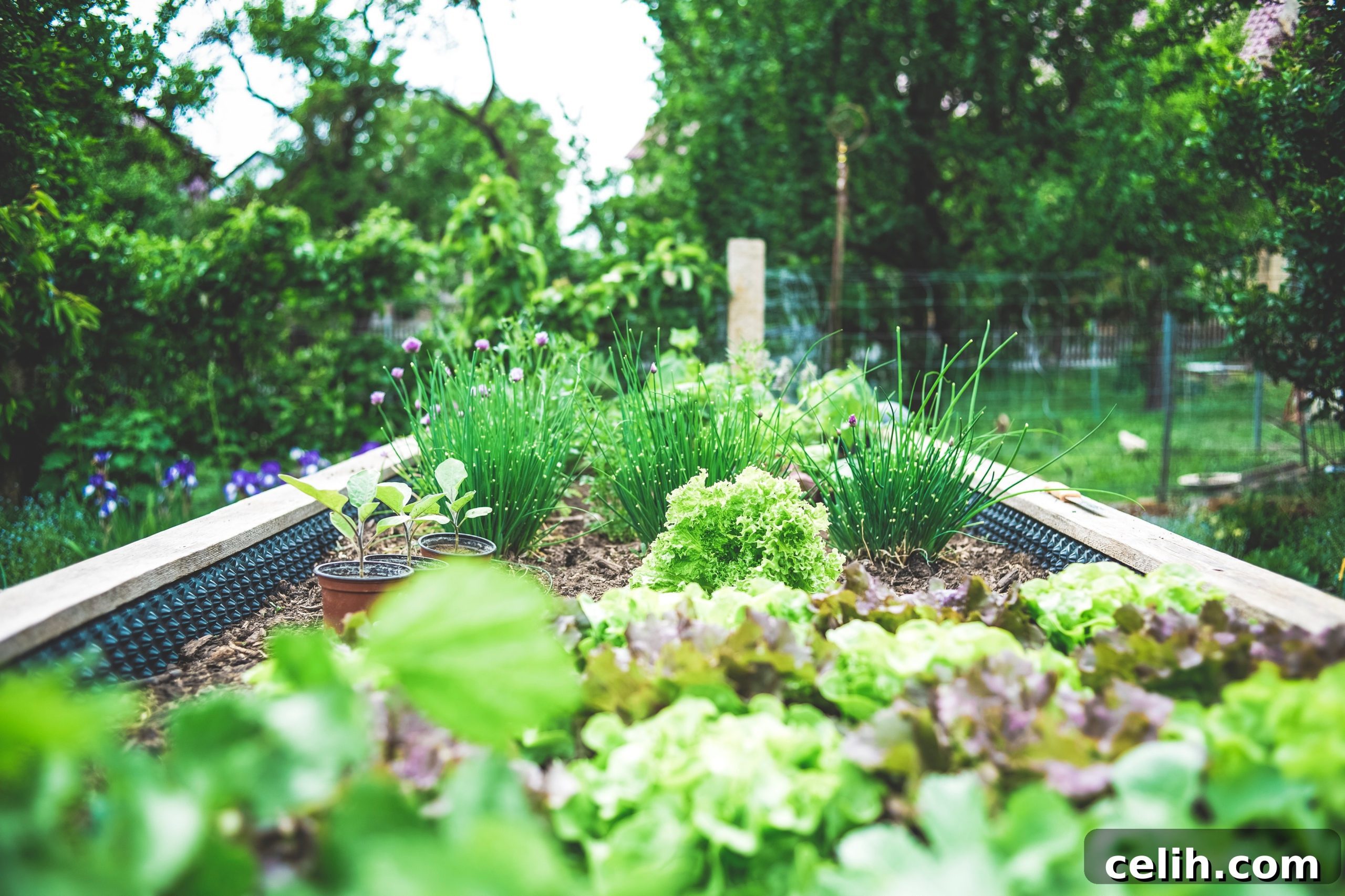
Maintaining a pest-free home and garden is a crucial aspect of ensuring a healthy and comfortable living environment for your family and pets. Pests, from tiny insects to larger rodents, can not only cause damage to your property and plants but also pose significant health risks, transmitting diseases and exacerbating allergies. Fortunately, a proactive and integrated approach to pest prevention can effectively keep these unwanted invaders at bay without relying heavily on harsh chemicals.
The key lies in understanding pest behavior, implementing preventative measures, and maintaining vigilance. By focusing on cleanliness, careful planning, strategic landscaping, and diligent home maintenance, you can create an unwelcoming environment for pests both indoors and outdoors. This comprehensive guide outlines five practical and highly effective tips to help you achieve and maintain a serene, pest-free sanctuary.
Harnessing the Power of Beneficial Bugs: Nature’s Pest Control
One of the most eco-friendly and sustainable methods for natural pest control in your garden is to invite beneficial insects. These helpful predators naturally consume or parasitize many common garden pests, creating a balanced ecosystem that limits outbreaks without chemical intervention. Understanding this intricate food web is fundamental to successful organic gardening.
Consider ladybugs, for instance. Both adult ladybugs and their larvae are voracious eaters of aphids, mites, and other soft-bodied insects that can devastate young plants. Lacewings, with their delicate wings, are another gardener’s best friend; their larvae, often called “aphid lions,” are incredibly effective at controlling aphid populations. Parasitic wasps, though tiny and often unseen, lay their eggs inside or on pest insects like caterpillars and whiteflies, effectively neutralizing them. Other examples include predatory mites, which target spider mites, and even praying mantises, generalist predators that will hunt a wide range of garden pests.
To attract these natural pest controllers, cultivate a diverse garden with a variety of flowering plants that provide nectar and pollen. Plants like dill, cilantro, fennel, cosmos, marigolds, and sweet alyssum are excellent choices for luring beneficial insects. Additionally, avoid broad-spectrum pesticides, as these can kill beneficial insects alongside pests, disrupting your garden’s natural balance. Provide a water source, even a shallow dish with pebbles, to keep them hydrated.
While many people experience arachnophobia, it’s important to recognize the significant role spiders play in pest management. Most spiders are harmless to humans and are incredibly effective predators, capturing and consuming a vast array of insects, including flies, mosquitoes, and garden pests. Allowing harmless spiders to thrive in appropriate areas of your home and garden can provide excellent natural pest control, reducing the need for chemical treatments.
Ants present a more complex picture. While some ant species are crucial to the ecosystem, aerating soil and consuming decaying matter, others can become significant household pests. It’s vital to learn to distinguish between beneficial ants and nuisance species that might invade your kitchen or damage your home’s structure. If you find yourself struggling with a persistent or overwhelming ant problem, particularly with species like carpenter ants or fire ants, seeking professional ant removal assistance from a pest control expert is often the most effective solution to safely and completely eliminate the infestation. Early identification and targeted treatment are key to preventing a small ant issue from becoming a major problem.
Strategic Planning: Planting for Pest Prevention
Careful planning is paramount when it comes to garden pest prevention. By making informed choices about what, where, and how you plant, you can significantly reduce the likelihood of pest infestations. This approach leverages the natural properties of plants to create a less attractive environment for pests.
Companion Planting: This age-old practice involves planting specific species together to mutual benefit. Certain herbs and flowers can act as natural deterrents to pests, while others can attract beneficial insects. For instance, planting marigolds near your vegetable beds can repel nematodes and other garden pests. Nasturtiums are excellent trap crops, luring aphids away from more desirable plants. Dill, cilantro, and parsley, as mentioned, are not only culinary delights but also attract helpful insects like parasitic wasps and ladybugs, which then prey on garden pests.
Other powerful pest-repelling plants include:
- Citronella: Well-known for deterring mosquitoes.
- Lemongrass: Another effective mosquito repellent.
- Mint: Its strong scent can deter ants, aphids, and even rodents. Plant it in containers to prevent it from spreading aggressively.
- Basil: Known to repel flies and mosquitoes, and even tomato hornworms when planted near tomatoes.
- Fennel: Attracts beneficial insects, though it can also attract aphids if not managed.
- Rosemary: Repels cabbage moths, carrot rust flies, and slugs.
- Lavender: Deters fleas, moths, and mosquitoes.
- Garlic and Onions: Can repel aphids, slugs, and Japanese beetles.
Choosing Pest-Resistant Cultivars: When selecting vegetable and flower varieties, opt for those specifically bred for pest resistance. These varieties often possess natural defenses, such as thicker skins, unique chemical compounds, or specific growth habits that make them less appealing or vulnerable to common pests. Researching local pest issues and selecting appropriate cultivars can dramatically reduce pest pressure.
Crop Rotation: Regularly rotating where you plant specific crops each season is another powerful preventative strategy. This practice helps break pest life cycles by denying them a consistent food source and prevents the buildup of pest populations in specific soil areas. For example, if you plant tomatoes in the same spot year after year, pests that favor tomatoes will accumulate.
Healthy Plants are Resilient Plants: Stressed or unhealthy plants are far more susceptible to pest attacks. Ensure your plants receive adequate sunlight, water, and nutrients. Proper spacing allows for good air circulation, reducing fungal diseases that can weaken plants and make them vulnerable. Healthy soil, rich in organic matter, supports robust plant growth and resilience against pests.
Physical Barriers and Secure Coverings: Your First Line of Defense
Beyond natural predators and strategic planting, physical barriers offer a direct and highly effective method for protecting your garden and home from a variety of pests. From microscopic insects to larger animals like birds, deer, chipmunks, and groundhogs, a physical barrier can be an impenetrable shield.
Fencing and Enclosures: For larger animals that can decimate a garden overnight, a sturdy fence is indispensable. Consider the type of pest you’re dealing with. A tall fence (at least 8 feet) is often necessary to deter deer, while adding a top wire or electric fencing might be needed for persistent jumpers. For burrowing animals like rabbits, groundhogs, and voles, the fence material should extend at least 6-12 inches below ground, bent outwards in an ‘L’ shape, to prevent them from digging underneath. Material choice matters too; wire mesh is effective for smaller critters, while solid wood or chain link works for larger ones.
Netting and Row Covers: Delicate plants and ripening crops can be easily damaged by birds, squirrels, and even larger insects. Lightweight netting, often referred to as bird netting or insect netting, can be draped over fruit trees, berry bushes, or vegetable rows. Ensure the mesh size is appropriate for the pests you’re targeting – finer mesh for insects, wider for birds. Secure the netting tightly to the ground or around the plant base to prevent pests from sneaking underneath. Floating row covers, made of thin, permeable fabric, protect seedlings and young plants from a wide array of insect pests while still allowing sunlight and water to reach the plants. They also help create a microclimate that can benefit early growth.
Plant Collars: For common garden pests like cutworms, which sever young plants at the soil line, plant collars offer localized protection. These can be made from simple materials like cardboard tubes, plastic bottles with the tops and bottoms cut off, or even tin cans. Place the collar around the base of the seedling, extending a few inches above and below the soil surface. This creates a physical barrier that prevents cutworms from reaching the stem.
Securing Waste Bins: Pests, particularly rodents, raccoons, and many insects, are opportunistic scavengers drawn to easily accessible food sources. Your trash cans, compost bins, and recycling containers are prime targets. Always use bins with tight-fitting, locking lids. Metal bins are often more resistant to gnawing than plastic ones. If possible, store outdoor bins in a secure shed or garage, especially overnight. Regularly clean your bins to remove lingering food odors, which can attract pests even when lids are secure. For compost bins, ensure they are properly constructed to deter rodents, with solid sides and a secure bottom, and turn your compost regularly.
The Power of Cleanliness: Eliminating Pest Havens
A clean environment, both inside and outside your home, is arguably the single most effective deterrent against almost all types of pests. Pests are drawn to shelter, food, and water, and a messy or dirty space provides all three in abundance. By meticulously maintaining cleanliness, you remove their essential survival resources, making your property far less inviting.
Indoors:
- Kitchen: This is often the primary battleground. Immediately clean up food spills and crumbs. Store all food, including pet food, in airtight containers. Don’t leave dirty dishes in the sink overnight. Regularly clean appliances like microwaves, ovens, and toasters, as hidden crumbs can be a feast for ants and cockroaches. Empty trash cans frequently, especially those containing food waste.
- Pantry and Food Storage: Keep pantry shelves tidy and wipe them down regularly. Inspect food packages for signs of pests like pantry moths or weevils. Consider storing grains, flour, and cereals in sturdy, sealed containers.
- Bathrooms: Address any leaks promptly, as moisture attracts silverfish, cockroaches, and drain flies. Keep drains clean and free of hair and debris. Ensure good ventilation to prevent dampness.
- General Living Areas: Vacuum and sweep floors regularly. Dust surfaces and clean upholstery to remove potential food sources and nesting materials. Reduce clutter, as stacks of newspapers, magazines, or clothes provide ideal hiding spots for pests.
- Basements and Attics: These often overlooked areas can become pest havens. Store items in sealed plastic containers rather than cardboard boxes, which can be chewed through and absorb moisture. Keep floors clear and reduce overall clutter.
Outdoors:
- Lawn Care: Regularly mow your lawn and keep grass at an appropriate height. Overly tall grass provides excellent cover and breeding grounds for ticks, fleas, and rodents. Remove grass clippings, leaf litter, and other organic debris, which can harbor insects and provide nesting material for rodents.
- Garden Beds: Keep garden beds free of weeds, which compete with your plants and can host pests. Remove spent plants and fallen fruit promptly to eliminate food sources and breeding sites.
- Shrubs and Trees: Trim bushes and trees so that branches do not touch the exterior of your house. This prevents rodents, ants, and other climbing pests from using them as bridges to access your home. Maintain adequate space between plants for air circulation and to reduce hiding spots.
- Gutters and Drains: Regularly clean gutters to prevent water buildup, which can become a breeding ground for mosquitoes. Ensure all outdoor drains are clear and functioning correctly to prevent standing water.
- Standing Water: Eliminate any sources of standing water around your property, such as old tires, pet water bowls left out too long, or neglected bird baths. Mosquitoes can breed in even small amounts of water.
By making cleanliness a consistent priority, you create an environment that is simply unattractive and unsustainable for most common pests, significantly reducing your chances of an infestation.
Proactive Home Maintenance: Sealing Off the Invaders
Even the cleanest home can fall victim to pests if there are easy entry points. Proactive home maintenance involves routinely inspecting and fortifying your property’s defenses, effectively sealing off potential access routes for insects and rodents. Think of your home as a fortress; any breach, no matter how small, can be exploited.
Comprehensive Inspection: Regularly conduct a thorough inspection of your entire home, from the foundation to the roof, and all areas in between, including your backyard and landscaping. Pay close attention to:
- Foundation and Walls: Look for cracks, gaps, or holes in the foundation, exterior walls, and siding. Even tiny cracks can be entry points for ants, spiders, and smaller insects, while rodents can squeeze through surprisingly small openings (a mouse can fit through a dime-sized hole, a rat through a quarter-sized hole).
- Windows and Doors: Check for damaged or torn window and door screens. Ensure all windows and doors seal tightly when closed; repair or replace weather stripping and door sweeps as needed. Gaps around door frames or window sills are common entry points.
- Utility Entry Points: Inspect around pipes, wires, and utility lines where they enter your home. These often have small gaps that can be sealed with caulk, expanding foam, or steel wool (for larger rodent-prone holes).
- Roof and Vents: Check for loose shingles, gaps around chimneys, and damaged roof vents. Ensure all attic and crawl space vents are securely screened to prevent bird, rodent, and insect entry.
Sealing and Repairing: Once identified, promptly seal any holes, cracks, or crevices. Use high-quality exterior caulk for smaller gaps, concrete patch for foundation cracks, and durable mesh or hardware cloth for larger openings. Steel wool is excellent for stuffing into holes before caulking, especially where rodents are a concern, as they dislike chewing through it. Regularly repair damaged screens and ensure all outdoor lights have covers to prevent insect nesting.
Landscaping for Prevention: Your outdoor landscaping plays a significant role in home pest prevention.
- Distance from the House: Keep firewood, stacks of bricks, stones, lumber, and other debris at least 20 feet away from your house. These materials provide ideal harborage and food sources for rodents, termites, spiders, and other pests. If possible, elevate firewood off the ground.
- Shrubbery and Trees: As mentioned, trim all shrubs, bushes, and tree branches so they do not touch the exterior walls or roof of your home. These act as “pest highways,” allowing easy access for insects and rodents directly into your attic or living spaces.
- Drainage: Ensure proper grading and drainage around your foundation to prevent water accumulation, which can lead to dampness and foundation issues, attracting moisture-loving pests.
Moisture Control: Pests, especially cockroaches, silverfish, and termites, are highly attracted to damp, humid environments. Addressing any damp issues in your home and garden is critical.
- Indoor Humidity: Use dehumidifiers in basements, crawl spaces, and other damp areas. Ensure proper ventilation in bathrooms and kitchens by using exhaust fans and keeping windows open when possible. Fix leaky pipes, faucets, and roofs immediately.
- Outdoor Moisture: Repair leaky outdoor spigots. Ensure downspouts direct water away from the foundation. Clear clogged gutters.
- Why Dampness Attracts Pests: Many insects require moisture to survive and thrive. Damp conditions provide a water source, a breeding ground, and often a cooler, darker environment that many pests prefer, especially during warmer months. Termites, in particular, are drawn to moisture-damaged wood.
Clutter-Free Storage: Inside your home, particularly in garages, basements, and attics, keep storage spaces organized and clutter-free. Avoid storing boxes directly on the ground; use shelves or elevated platforms. This not only reduces hiding spots but also makes it easier to spot and address any pest activity early.
By diligently implementing these home maintenance practices, you create a robust barrier that significantly diminishes pests’ ability to enter and establish themselves on your property, protecting your family, your possessions, and your peace of mind.
Achieving and maintaining a pest-free home and garden is an ongoing process that benefits greatly from a holistic and proactive approach. By integrating natural solutions like beneficial insects, making thoughtful planting choices, utilizing physical barriers, prioritizing meticulous cleanliness, and performing regular home maintenance, you build a resilient defense against common pests. These practical strategies not only protect your property and health but also promote a healthier, more sustainable living environment. Don’t let unwanted intruders disrupt your peace; empower yourself with these tips to ensure your home and garden remain the serene sanctuaries they are meant to be.