
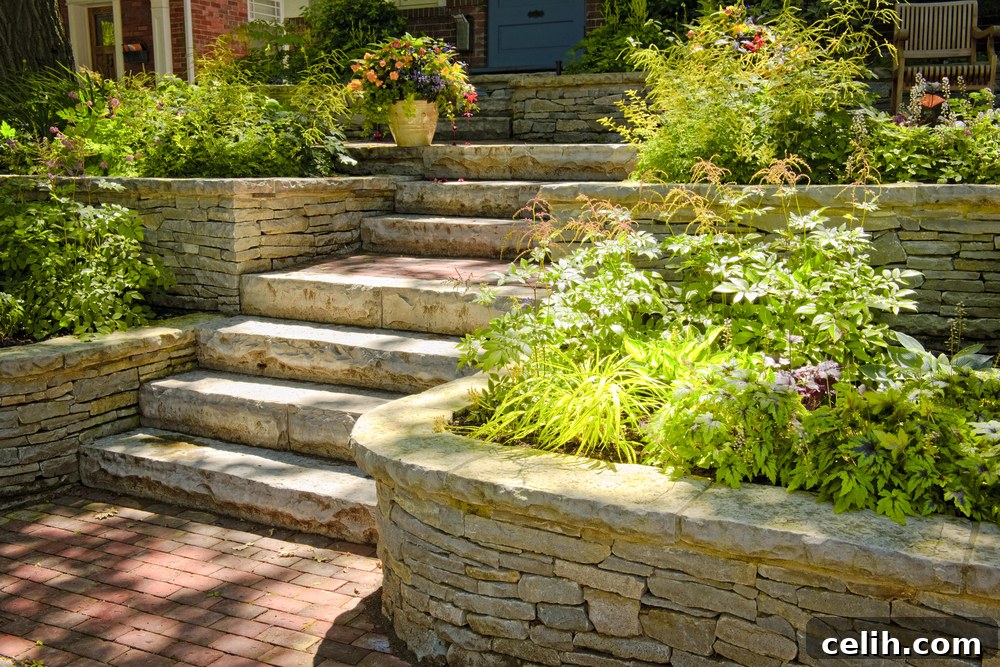
Transforming your outdoor space into a captivating retreat that rivals magazine spreads might seem like an overwhelming endeavor. However, the secret lies in implementing clever upgrades that can dramatically enhance your landscape without draining your wallet. One such powerful solution is the strategic use of outdoor tiles. This simple yet sophisticated upgrade has the potential to seamlessly extend your indoor living area outwards, creating an expensive look and feel at a remarkably affordable cost.
Whether your vision includes crafting elegant pathways, designing a sophisticated patio, or even creating a stunning pool surround, high-quality outdoor tiles are the ultimate choice. Consider the timeless beauty of an exterior travertine tile, or explore the vast array of other materials that can bring your outdoor dreams to life. Let’s delve into how tiles can redefine your outdoor living experience.
Why Outdoor Tiles Are a Must-Have for Your Landscape
The decision to incorporate tiles into your backyard design offers a multitude of compelling benefits that extend far beyond mere aesthetics. Here’s why outdoor tiles are an unparalleled investment for any homeowner:
- Unrivaled Durability and Weather Resistance: Outdoor tiles are engineered to withstand the harshest elements nature can throw at them. Unlike other materials that might crack, fade, or warp, quality tiles are resistant to extreme temperatures, heavy foot traffic, frost, UV rays, and moisture. This inherent strength ensures your outdoor surfaces remain beautiful and intact for years to come, minimizing the need for frequent repairs or replacements.
- Exceptional Versatility and Design Freedom: The design possibilities with outdoor tiles are virtually limitless. They come in an astonishing array of colors, shapes, sizes, and textures, allowing you to create a truly bespoke look. Whether you’re aiming for a modern minimalist aesthetic with large format tiles, a rustic charm with natural stone, or a vibrant Mediterranean feel with patterned ceramics, there’s a tile to match every vision. This versatility makes achieving a custom, cohesive design much easier than one might imagine.
- Low Maintenance Requirements: Maintaining tiled outdoor spaces is remarkably simple. Their non-porous (or sealed, in the case of natural stone) surfaces resist stains, dirt, and mildew. A quick sweep, hose-down, or occasional scrub with mild soap is often all it takes to keep them looking pristine, freeing up your time to enjoy your outdoor oasis rather than toil in its upkeep.
- Enhanced Property Value and Curb Appeal: A beautifully tiled patio, pathway, or outdoor kitchen significantly boosts your home’s curb appeal and overall market value. Potential buyers are often drawn to well-maintained and aesthetically pleasing outdoor living areas, viewing them as valuable extensions of the home. It’s an investment that offers substantial returns.
- Safety and Comfort: Many outdoor tile options come with anti-slip finishes, providing a safer surface, especially in areas prone to moisture like around pools or during rainy weather. Additionally, certain materials like travertine can stay cooler underfoot in direct sunlight compared to darker alternatives, enhancing comfort during hot summer days.
Ultimately, by selecting the appropriate material and design, your tiled patio, walkway, or other outdoor feature will not just be a temporary addition, but a foundational cornerstone that enhances your home’s beauty and functionality for decades.
Navigating the World of Outdoor Tiles: Choosing the Right Material
Before embarking on your outdoor tiling project, it’s crucial to understand that not all tiles are created equal, especially when it comes to outdoor applications. The harsh outdoor environment demands specific properties from your chosen material. Here’s a detailed breakdown of popular tile materials suitable for exterior use:
- Porcelain Tiles: The All-Rounder: Porcelain tiles are a standout choice for outdoor spaces due to their exceptional durability and low water absorption rate, making them virtually non-porous and incredibly weather-resistant. They are frost-proof, highly resistant to scratches, stains, and fading. Porcelain also offers immense design flexibility, available in a vast array of finishes that can convincingly mimic more expensive natural materials like wood, stone, or concrete, all at a more accessible price point. Look for options specifically rated for outdoor use, often with textured, anti-slip surfaces.
- Travertine Tiles: Timeless Elegance and Natural Beauty: For those aspiring to a classic, timeless look, travertine is an excellent option. This natural stone, a form of limestone, exudes an organic elegance that beautifully complements natural landscapes and greenery. Its warm, earthy tones and unique porous texture lend a distinctly rustic yet sophisticated charm. Travertine is known for staying cooler underfoot in the sun. It does, however, require sealing to protect its porous surface from stains and moisture, and periodic resealing is recommended to maintain its beauty and longevity.
- Concrete Pavers: Modern Industrial and Robust: Concrete tiles and pavers are an ideal choice if your home features a more minimalist or industrial architectural style. They offer incredible strength, durability, and a clean, contemporary aesthetic. Available in various sizes, colors, and textures, concrete can create sleek, symmetrical patterns or more organic, modern designs. They are highly resistant to heavy loads and are relatively cost-effective, making them a practical choice for driveways, large patios, and walkways.
- Outdoor-Grade Ceramic Tiles: Mediterranean Charm: While many ceramic tiles are designed for indoor use, specific outdoor-grade ceramic tiles are manufactured with greater durability and frost resistance. These can infuse your outdoor space with a charming European Mediterranean feel, often featuring vibrant colors, intricate patterns, or terracotta-like hues. Ensure any ceramic tile selected is explicitly rated for outdoor use, as standard indoor ceramics will not withstand the elements.
- Natural Stone (Slate, Granite, Bluestone): Unmatched Character: Beyond travertine, other natural stones like slate, granite, and bluestone offer unparalleled character and resilience. Slate provides a beautiful textured surface with varying shades of gray, green, and purple. Granite is extremely hard-wearing and available in a spectrum of colors, while bluestone offers a distinctive earthy blue-gray hue. Each brings a unique aesthetic and robust performance, though they generally represent a higher investment.
The careful selection of your tile material can profoundly impact the success and longevity of your outdoor space. Prioritizing both aesthetic appeal and practical considerations like durability, maintenance, and climate suitability is the crucial first step.
Transforming Your Outdoor Space with Creative Tiling Applications
When it comes to revamping your outdoor living areas, patios, pathways, and water features offer perfect opportunities to introduce the beauty and functionality of tiles. Here’s a closer look at how you can strategically incorporate them:
Elegant Patio Floors: The Heart of Outdoor Living
A beautifully tiled patio floor often serves as the centerpiece of any backyard space, acting as an extension of your indoor living room. This is the prime spot for outdoor seating, dining, and entertaining. For a practical yet sophisticated look, using large format tiles is often recommended. They create a seamless, expansive feel, minimizing grout lines and making the space appear larger and more contemporary. Smaller tiles, while suitable for certain applications, can be challenging to install across a large area and may not bear weight as uniformly as larger, thicker pavers, potentially leading to instability or cracking over time. Consider incorporating outdoor rugs to soften the look and define different zones within your patio.
Charming Garden Pathways and Walkways
If you’re fortunate enough to have a lush garden or expansive green space, creating defined pathways with tiles can elevate it from a simple yard to an HGTV-worthy masterpiece. Garden pathways don’t necessarily need to be grand; even a series of a few well-placed tiles can be enough to guide both feet and eyes through your landscape, creating visual interest and encouraging exploration. These can range from individual stepping stones embedded in grass or gravel, to continuous, flowing paths that connect different garden zones. You can also utilize smaller, decorative tiles to create intricate pathway boundaries or even mosaic art installations that serve as focal points rather than functional routes, adding an artistic touch to your greenery.
Inviting Pool and Jacuzzi Linings and Surrounds
For homes with a pool or jacuzzi, tiling offers both aesthetic enhancement and crucial safety benefits. Observe how many luxurious homes incorporate Mediterranean mosaic-style tiles to line their pools, creating stunning visual effects. You can achieve a similar high-end look around the perimeter with non-slip porcelain tiles. The non-slip coating is perhaps the most critical feature in these areas, as wet surfaces can become dangerously slick. Beyond the aesthetic, tiles used in pool environments must be resistant to chemicals, frost, and continuous water exposure, ensuring longevity and maintaining a beautiful, safe aquatic space.
Striking Outdoor Accent Walls and Features
While less common than indoor accent walls, a tiled feature wall in an outdoor space can be an incredibly impactful design element. Imagine a wall covered in beautiful tile where climbing vines can grow, creating a living, textural masterpiece. Such a wall could easily become the main focal point of your backyard, especially when crafted with intricate mosaic patterns or textured natural stone. These applications can also extend to outdoor fireplaces, built-in seating, or retaining walls, providing a unique backdrop and enhancing the overall ambiance of your outdoor sanctuary.
Functional Outdoor Kitchens and Barbecue Areas
For the ultimate entertainer, tiling an outdoor kitchen or barbecue area is a smart choice. Tiles provide a hygienic, easy-to-clean surface for countertops and backsplashes, capable of withstanding spills and food preparation. The floor around these high-traffic cooking zones also benefits from durable, non-slip tiles that can handle grease and foot traffic, blending seamlessly with the rest of your outdoor design.
The Art of Installation: How to Tile Your Outdoor Space
Proper installation is paramount to the longevity and beauty of your outdoor tiled space. Unlike indoor tiling, outdoor projects face unique challenges from weather and ground movement. While hiring a professional contractor is always recommended for complex or large-scale projects, if you’re considering a DIY approach, it’s crucial to pay attention to these key steps:
- Thorough Planning and Layout Mapping: Before laying a single tile, meticulously plan your layout. This involves measuring the area, determining the starting point, and often dry-laying tiles without adhesive to visualize the pattern and make necessary cuts. This step helps minimize waste and ensures a symmetrical, aesthetically pleasing final result. Remember, once tiles are set with adhesive, repositioning them is incredibly difficult and often damaging.
- Sub-Base Preparation is Critical: A stable, well-drained sub-base is the foundation of any successful outdoor tiling project. This usually involves excavating the area, laying down a compacted layer of gravel, followed by sand, and ensuring a slight slope for proper water drainage away from your home. The ground must be perfectly level and compacted to prevent future settling or cracking of the tiles.
- Using the Right Adhesive and Grout: Outdoor tiles require specific, heavy-duty adhesives designed to withstand moisture, temperature fluctuations, and movement. Typically, a high-quality thin-set mortar designed for exterior use is applied to both the sub-base and the back of the tile (back-buttering) to ensure maximum adhesion. Similarly, outdoor-grade grout is essential for filling the spaces between tiles, offering flexibility and resistance to weather, stains, and mildew.
- Proper Sealing (Especially for Natural Stone): For natural stone tiles like travertine or slate, applying a high-quality sealer after installation and grouting is vital. This protective barrier penetrates the stone, preventing water absorption, staining, and erosion, significantly extending the life and maintaining the appearance of your investment. Even some porcelain tiles can benefit from a sealant to protect grout lines.
- Diligent Maintenance for Longevity: Outdoor tiles endure significantly more wear and tear than their indoor counterparts. Regular maintenance is key to preserving their beauty. This includes routine sweeping to remove debris, periodic washing with mild soap and water to prevent dirt buildup, and prompt cleaning of spills. For natural stone, re-sealing every few years may be necessary. Addressing any cracked grout or loose tiles quickly will prevent minor issues from becoming major problems.
Starting Small: Phased Approach to Outdoor Transformation
When embarking on an outdoor tiling project, you don’t need to tackle your entire backyard at once. It’s perfectly acceptable, and often advisable, to work in small increments. This phased approach allows you to manage your budget, test design ideas, and ensure that each new addition seamlessly integrates and flows with the existing areas of your backyard. For larger projects, such as designing and installing a substantial patio or complex outdoor kitchen, consulting with or hiring a professional landscaper or carpenter who specializes in outdoor structures is highly recommended. Their expertise can ensure structural integrity, proper drainage, and a finish that stands the test of time, making your outdoor vision a lasting reality.
Embracing outdoor tiles is more than just a home improvement; it’s an investment in creating a more beautiful, functional, and enduring living space that you and your family can enjoy for many years to come.