
Ultimate Guide to Wooden Floor Care: Keeping Your Floors Beautiful for Decades
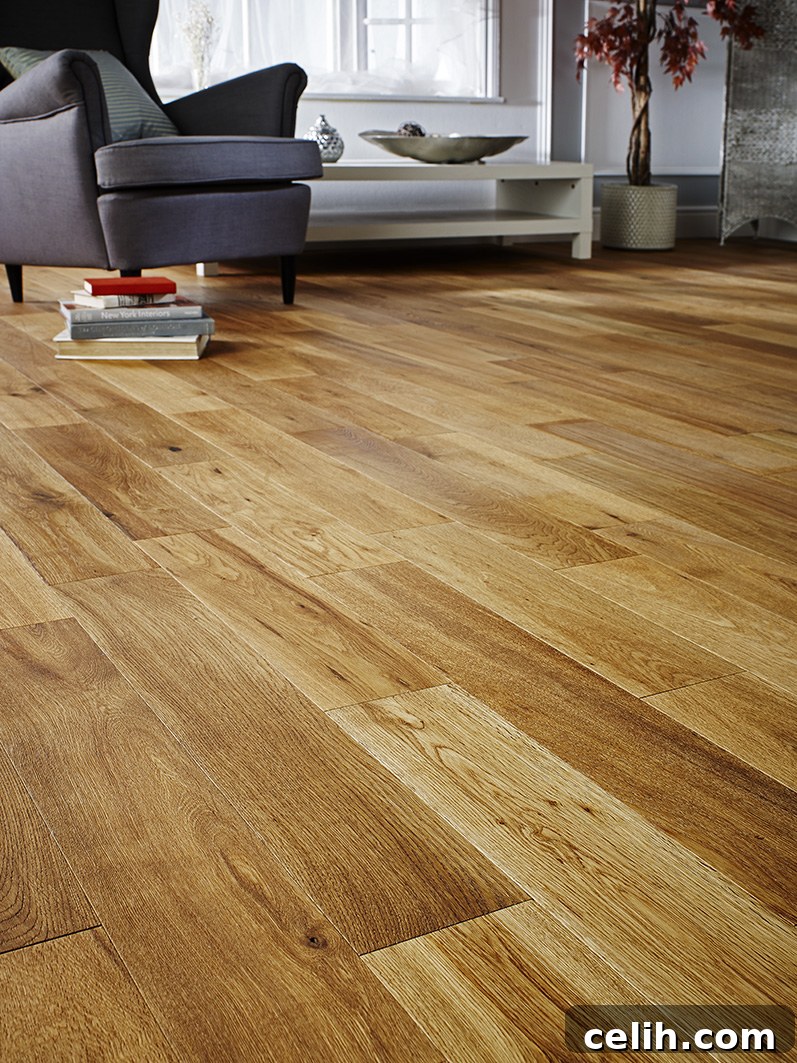
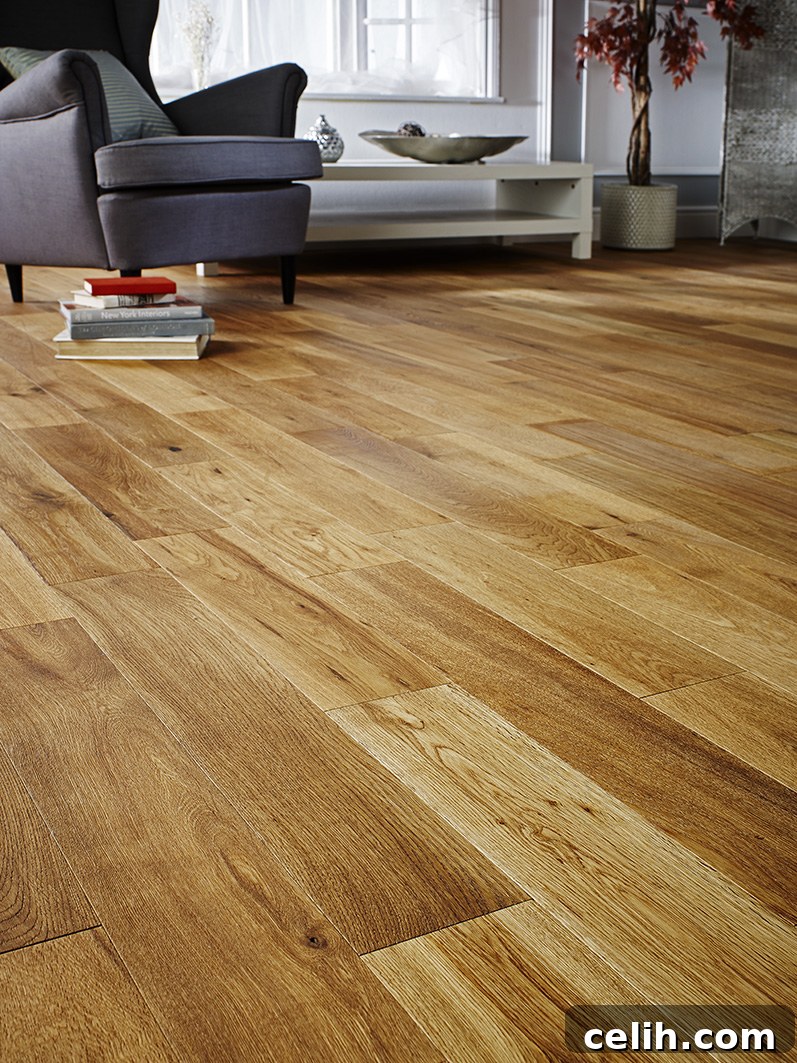
Investing in luxurious solid or engineered wood flooring for your home is a decision that speaks volumes about your taste for enduring beauty and quality. These exquisite surfaces not only enhance the aesthetic appeal of any room but also promise durability and longevity. However, to truly preserve their charm and ensure they remain a stunning focal point in your home for many years, proper and consistent care is absolutely essential. Whether you’re a seasoned homeowner or new to the world of wood floors, understanding the best practices for maintenance is key to protecting your investment.
Wooden floors, both solid and engineered, have become incredibly popular choices for modern homes due to their timeless elegance, natural warmth, and remarkable resilience. Unlike carpets, which hide dirt and dust, wood floors showcase a clean, open space, demanding a different, often more visible, cleaning routine. This guide is meticulously crafted to help you navigate the nuances of wood floor care, transforming a daunting task into a simple, effective routine that keeps your floors looking brand new.
Understanding Your Wood Flooring: Solid vs. Engineered
Before diving into specific care techniques, it’s crucial to understand the fundamental differences between solid and engineered wood floors, as these variations can slightly influence maintenance considerations. While much of the care advice applies to both, knowing your floor type can help you tailor your approach for optimal results.
Solid Wood Flooring
Solid wood floors are crafted from a single piece of timber, typically 3/4 inch thick, and are renowned for their incredible longevity. Their uniform construction means they can be sanded and refinished multiple times over their lifespan, making them a true lifetime investment. However, solid wood is more susceptible to changes in humidity and temperature, which can lead to expansion, contraction, or warping. This sensitivity underscores the importance of moisture control in rooms with solid wood floors.
Engineered Wood Flooring
Engineered wood floors, while possessing the same beautiful appearance as solid wood, are constructed differently. They consist of multiple layers of high-quality plywood or high-density fiberboard, topped with a genuine solid wood veneer. This layered construction makes engineered wood incredibly stable and less prone to warping from humidity fluctuations compared to solid wood. While they can also be refinished, the number of times depends on the thickness of the top veneer layer. Engineered wood floors offer a versatile and durable solution, often proving slightly more resilient to certain common issues due to their stable core.
The Cornerstones of Wood Floor Care: Essential Tips
Caring for your wooden floors doesn’t have to be complex. By incorporating these essential tips into your routine, you can significantly extend the life and beauty of your flooring.
Preventative Measures: Your First Line of Defense
The most effective way to care for your wooden floors often begins with prevention. Many common issues, such as scratches and excessive dirt, can be minimized or avoided altogether with simple proactive steps:
- Entry Mats and Rugs: Place durable doormats both outside and inside all entry points to trap dirt, grit, and moisture before it reaches your wood floors. Consider adding area rugs in high-traffic zones like hallways, living room pathways, and under dining tables to provide an extra layer of protection against wear and tear.
- Furniture Protectors: Attach felt pads or caps to the feet of all furniture, including chairs, tables, and sofas. This simple addition prevents scratches, scuffs, and dents when furniture is moved or shifted. Regularly check these pads for wear and replace them as needed.
- Lift, Don’t Drag: When rearranging furniture, always lift pieces completely off the floor instead of dragging them. Even with felt pads, dragging heavy items can cause significant damage, leaving unsightly scratches or gouges.
- Shoe Policy: Encourage family members and guests to remove outdoor shoes upon entering the house. Outdoor footwear often tracks in abrasive particles like sand, gravel, and dirt, which act like sandpaper on your floor’s finish.
Daily and Weekly Cleaning: Maintaining the Shine
Consistent, gentle cleaning is paramount to preserving the allure of your wooden floors. Regularly removing surface dirt and dust prevents it from being ground into the finish, causing micro-scratches over time.
Regular Dry Cleaning: Sweeping & Dust Mopping
You’ll likely notice dust and debris more readily on wooden floors compared to carpets, which is a good thing as it prompts more frequent cleaning. Dust, dirt, and grit from shoes are the primary culprits behind scratches and dullness. Incorporating daily or every-other-day dry brushing or dust mopping into your routine, especially in areas of frequent footfall and by doorways, is crucial. Use a soft-bristle broom or, ideally, a microfiber dust mop that effectively picks up dust, pet hair, and small particles without scratching the surface. This proactive step helps maintain the floor’s integrity and prevents noticeable wear and tear over time.
Effective Damp Mopping: The Art of Less Water
While water can be a wooden floor’s enemy if used excessively, damp mopping is an essential part of a weekly or bi-weekly cleaning routine. The key to successful damp mopping is using as little water as possible. Over-wetting can cause wood to swell, warp, or delaminate, particularly solid wood. Use a well-wrung-out microfiber mop—it should feel barely damp, not wet. If you see standing water or streaks, your mop is too wet. Work in small sections and quickly wipe up any excess moisture with a dry, clean cloth. Always ensure the floor dries completely within a minute or two after mopping. This technique effectively cleans the floor without saturating the wood.
Choosing the Right Wood Cleaning Products
To help restore luster and effectively clean your wooden floors, consider incorporating a specialist wood cleaning product into your damp mopping regime occasionally. These products are specifically formulated to be safe for wood finishes, often pH-neutral, and can help rejuvenate a dull-looking floor. Avoid harsh chemical cleaners, all-purpose cleaners, oil-based soaps, or abrasive solutions, as these can strip the finish, leave residue, or cause discoloration. Always test any new product in an inconspicuous area first to ensure it’s compatible with your floor’s finish. You typically won’t need to use these products every time you damp mop; an occasional application can be sufficient to maintain brightness and cleanliness.
Vacuum Cleaning Your Wood Floor with Caution
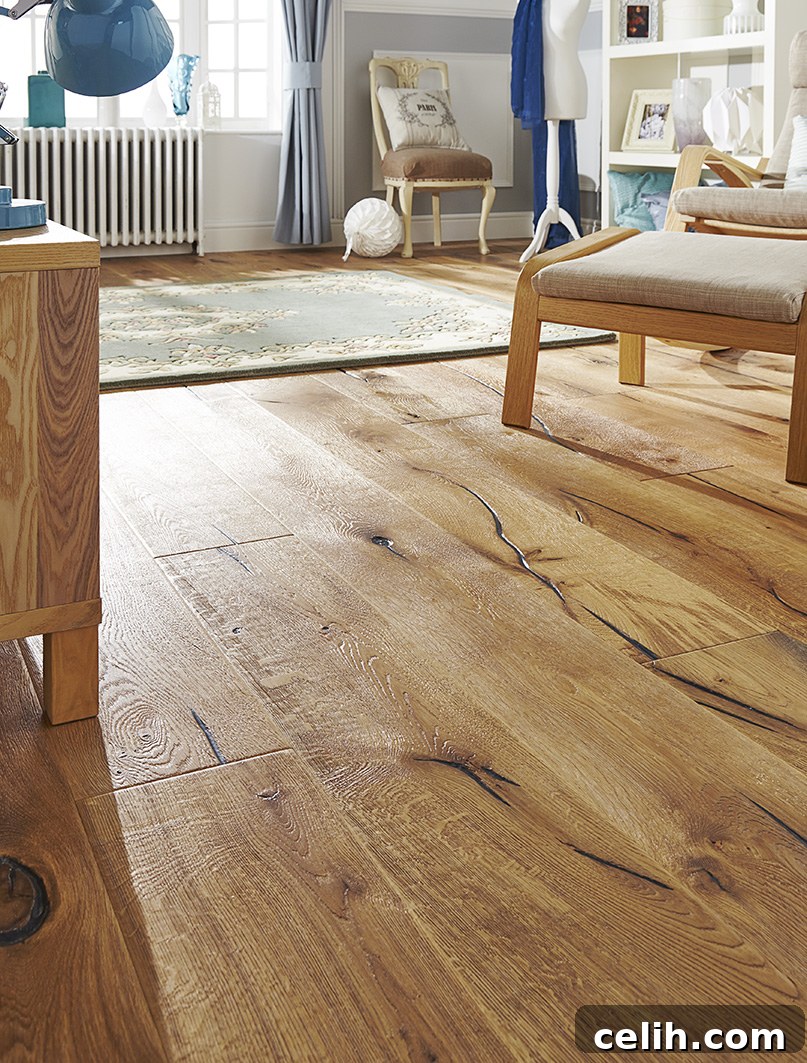
While vacuum cleaners are excellent for carpets, they require caution on solid or engineered wood flooring. The rotating brush bar, designed to agitate carpets, can scratch and damage wood surfaces. If your vacuum cleaner has a “bare floor” setting or a specialized attachment without a rotating brush, then it can be safely used for a quick clean. Otherwise, stick to dust mopping or sweeping to avoid potential damage.
Periodic Care and Addressing Specific Issues
Beyond the regular routine, some tasks are necessary periodically or when specific problems arise.
Strategic Waxing: Restoring Luster and Protection
If your wooden floor begins to show signs of minor wear, superficial scratches, or a general dullness that cleaning can’t resolve, waxing might be an appropriate solution. Waxing can help restore the natural beauty and add a layer of protection to certain types of wood finishes, particularly those with a wax-based finish. However, it’s crucial not to over-wax or use wax on polyurethane-finished floors, as it can build up and make the floor slippery or difficult to re-coat later. On average, a wax application is only needed once or twice a year, making it a floor care technique to be used in moderation and only for suitable finishes. Always consult your floor manufacturer’s recommendations or a professional.
Dealing with Spills and Stains Promptly
Accidental spills are inevitable, but how quickly you respond can make all the difference. Always wipe up any spills immediately with a clean, dry cloth. For sticky residues or stubborn stains, use a small amount of an appropriate wood floor cleaner on a cloth, then wipe dry. Never let liquids sit on your wooden floor, as they can penetrate the finish and cause permanent damage, discoloration, or warping.
Tackling Scratches and Dents
Even with the best preventative care, minor scratches and dents can occur. For light scratches, specialized wood repair kits, touch-up pens, or tinted wood filler crayons can often blend them into the floor. For deeper scratches or dents, professional repair might be necessary. Some deeper dents in solid wood can even be gently raised with a damp cloth and an iron, but this technique requires precision and should be approached with caution or left to experts.
Tools and Techniques to Avoid
Just as important as knowing what to do is knowing what to avoid to protect your wooden floors.
- Steam Mops: Absolutely avoid using steam mops on wooden floors. The intense heat and moisture can penetrate the wood, causing irreparable damage such as swelling, warping, gapping, and delamination of the finish, especially with engineered wood.
- Harsh Cleaners: Steer clear of ammonia-based cleaners, abrasive cleansers, steel wool, or scouring pads. These products can strip the finish, dull the shine, or scratch the surface, leading to irreversible damage.
- Excessive Water: As emphasized, water is the enemy of wood. Never pour water directly onto the floor, and always ensure your mop is thoroughly wrung out before use.
Environmental Control: Protecting From Within
Wooden floors are natural products and are susceptible to environmental conditions, particularly humidity. Maintaining a stable indoor climate is vital for their longevity.
- Humidity Control: Wood naturally expands and contracts with changes in humidity. Extreme fluctuations can lead to gaps between planks in dry conditions or cupping/buckling in overly humid environments. Using a humidifier in dry months and a dehumidifier in humid months can help maintain an ideal indoor humidity level (typically between 35-55%) to keep your floors stable and prevent damage.
- Sunlight Exposure: Prolonged exposure to direct sunlight can cause some wood floors to fade or change color over time. Use curtains, blinds, or UV-protective window films to shield your floors from intense sunlight, especially during peak hours.
Conclusion: Investing in Longevity
Caring for your solid or engineered wood floors is an ongoing commitment, but one that richly rewards with lasting beauty and value. By adopting a routine that combines preventative measures, regular gentle cleaning, and informed responses to specific issues, you can ensure your floors remain a stunning and durable feature of your home for generations. Remember, consistency is key, and a little effort today will protect your significant investment for decades to come, allowing your gorgeous wooden floors to truly stand the test of time.
(Disclosure: collaborative post)