
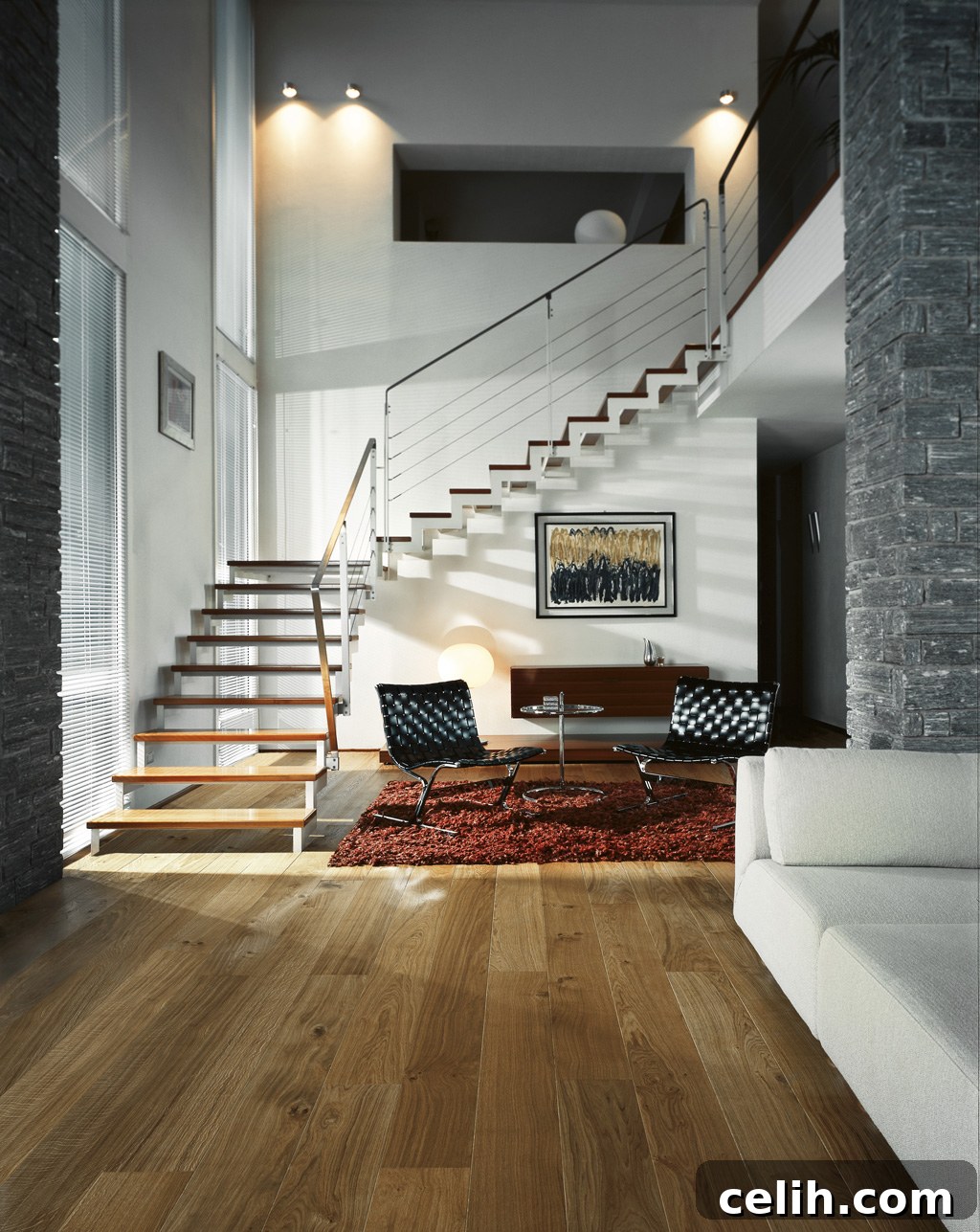
Choosing the Perfect Wood Flooring for Your Home Renovation
Embarking on a home makeover is an exciting journey, transforming your living space into a reflection of your style and needs. From knocking down walls to selecting the perfect paint palette, every detail contributes to the overall ambiance. Yet, amidst the myriad of decisions, one crucial element often overlooked until the final stages is the flooring. The right floor not only anchors your design but also dictates the comfort, durability, and functionality of each room.
If the timeless elegance and warmth of wood flooring are calling to you, understanding the diverse options available is key. Beyond mere aesthetics, each type of wood-look flooring offers unique characteristics in terms of construction, installation, maintenance, and longevity. This comprehensive guide will walk you through the primary choices, helping you select the ideal wood flooring to complement your home renovation project.
The Timeless Appeal of Solid Hardwood Flooring
When you envision classic wood flooring, you’re likely thinking of solid hardwood. This traditional option consists of planks milled from single pieces of timber, typically around 20mm thick. Often referred to as ‘solid wood’ flooring, it’s a coveted choice for homeowners seeking to infuse their spaces with authentic charm and a significant selling point. Its enduring popularity makes it a fashionable trend, adding undeniable character and value to any property.
Solid hardwood flooring is commonly installed using a tongue and groove system, where the planks interlock seamlessly. It truly shines in high-traffic areas such as hallways, living rooms, and dining areas, where its natural beauty can be fully appreciated and its robust nature can withstand daily wear and tear.
Pros of Solid Hardwood Flooring:
- Authentic Beauty: Offers unparalleled natural aesthetics, warmth, and character. Each plank is unique, showcasing genuine wood grain and variations.
- Long Lifespan & Refinishable: Solid hardwood can be sanded and refinished multiple times throughout its life, allowing it to look new again even after decades of use. This makes it an incredibly durable and long-lasting investment.
- Adds Value: It is highly regarded by potential buyers and can significantly increase the resale value of your home.
- Durability: Extremely hardwearing and can last for generations with proper care.
- Improved Acoustics: Can contribute to better acoustics in a room by reducing echoes compared to some other flooring types.
- Hypoallergenic: Does not trap dust, pollen, or pet dander like carpets, making it a healthier option for allergy sufferers.
Cons of Solid Hardwood Flooring:
- Susceptibility to Moisture: Solid wood is highly reactive to changes in humidity and temperature. It can swell in damp conditions and shrink in dry environments, leading to gaps or warping. This makes it unsuitable for bathrooms, basements, or areas prone to significant moisture.
- Installation Complexity: Typically requires professional installation due to the precision needed for laying and finishing. It’s not a common DIY project.
- Higher Cost: Often the most expensive flooring option, both in terms of material and installation.
- Noise: Can be noisy underfoot, especially if the subfloor is not perfectly flat or if proper underlayment isn’t used.
- Maintenance: Requires specific cleaning products and care to maintain its finish and prevent scratches.
- Not Suitable for Underfloor Heating: Its reactive nature to temperature fluctuations makes it generally incompatible with underfloor heating systems.
Investing in solid hardwood is a commitment to timeless elegance and a floor that will age beautifully with your home, provided it’s installed in appropriate environments and cared for diligently.
Laminate Flooring: The Versatile and Affordable Alternative
At the opposite end of the spectrum in terms of construction and cost is laminate flooring. This popular choice is not real wood but rather a multi-layered synthetic product designed to mimic the appearance of wood or other natural materials like stone or tile. It’s constructed from a compressed wood fiberboard (MDF or HDF) core, topped with a high-resolution photographic image layer of wood grain (or other patterns), and protected by a transparent, durable wear layer.
Laminate flooring is frequently installed across entire properties, including kitchens, bathrooms (with water-resistant varieties), and living rooms, due to its practicality. It offers an easy-to-clean surface, impressive hardwearing properties, and is notably easy to install, often featuring click-lock systems that make it a favored option for DIY enthusiasts.
Pros of Laminate Flooring:
- Affordability: Generally the most budget-friendly option for achieving a wood-look floor, with prices typically ranging from around £5 to £50 per square metre.
- Easy Installation: Many laminate products feature user-friendly click-lock systems, making DIY installation feasible and saving on labor costs.
- Durability: The wear layer provides excellent resistance to scratches, dents, stains, and fading, making it suitable for busy households with children and pets.
- Wide Variety: Available in an extensive range of colors, textures, and patterns, mimicking various wood species and finishes.
- Easy Maintenance: Simple to clean with a damp mop or vacuum, requiring minimal effort to keep it looking good.
- Versatility: Can be installed over most existing subfloors, including concrete, and some types are suitable for moist areas like bathrooms if they have proper water-resistant features.
Cons of Laminate Flooring:
- Not Real Wood: Lacks the authentic feel and warmth of genuine wood. While appearances have improved dramatically, it’s still an imitation.
- Cannot Be Refinished: Once the wear layer is damaged or worn through, the planks cannot be sanded and refinished. Damaged planks typically need to be replaced.
- Water Sensitivity: Despite improvements, the HDF core can swell and warp if exposed to excessive moisture or standing water for prolonged periods, unless specifically designed as a water-resistant product.
- Perceived Value: While practical, it may not add as much resale value to a home as real wood or engineered wood flooring.
- Sound: Can sometimes produce a hollow sound underfoot, which can be mitigated with a quality underlayment.
- Shorter Lifespan: Generally has a shorter lifespan than solid or engineered wood flooring.
Laminate flooring is an excellent choice for those seeking a durable, attractive, and cost-effective wood-look floor that’s easy to install and maintain, particularly in high-traffic areas where spills and wear are common.
Engineered Wood Flooring: The Perfect Balance
Engineered wood flooring represents a brilliant compromise between the authenticity of solid hardwood and the stability of modern manufacturing. It’s constructed from multiple layers of wood, typically three to four, glued together in a cross-grain pattern to form a highly stable plank around 14mm thick. The top layer, or veneer, is a slice of real hardwood (the species you see, like oak or maple), allowing it to boast the exact same look and feel as solid wood.
This ingenious construction makes engineered wood flooring exceptionally stable and less prone to the expansion and contraction issues that plague solid wood when exposed to changes in temperature or humidity. This enhanced stability means it can be safely used with underfloor heating systems and in areas like basements or over concrete slabs, where solid wood would not be suitable. Furthermore, the real-wood veneer allows it to be sanded back and refinished multiple times (depending on the veneer thickness), restoring its prime condition if it becomes damaged.
For many homeowners, engineered flooring is the ideal solution. It combines durability with aesthetic appeal and offers greater flexibility in installation compared to solid hardwood, while feeling far more premium underfoot than laminate.
Pros of Engineered Wood Flooring:
- Real Wood Look and Feel: The top layer is genuine hardwood, providing the authentic beauty and texture of solid wood flooring.
- Enhanced Stability: Its multi-layered, cross-grain construction makes it far more resistant to humidity and temperature changes than solid wood, reducing warping, gapping, and cupping.
- Versatile Installation: Can be installed in more areas of the home, including basements, over concrete subfloors, and is generally compatible with underfloor heating systems. It can be floated, glued down, or nailed down.
- Refinishable: Depending on the thickness of the top veneer, engineered wood can be sanded and refinished one or more times, extending its lifespan and refreshing its appearance.
- Adds Value: Like solid hardwood, it is a premium flooring option that adds significant aesthetic appeal and value to your home.
- Easier Installation: Often easier to install than solid wood, and some versions come with click-lock systems.
Cons of Engineered Wood Flooring:
- Higher Cost: More expensive than laminate flooring, with prices typically ranging from £20 to £200 per square metre, depending on wood species and veneer thickness.
- Limited Refinishing: While refinishable, the number of times is limited by the thickness of the real wood veneer, unlike solid hardwood.
- Still Sensitive to Extreme Moisture: While more stable, it is still wood and can be damaged by excessive moisture or prolonged standing water.
- Veneer Thickness Varies: Cheaper options may have very thin veneers, limiting their refinishing potential and overall lifespan.
Engineered wood flooring strikes an impressive balance between luxury, practicality, and durability. It’s a worthwhile investment, especially for areas of your home that experience a lot of traffic, are on display to guests, or require compatibility with modern heating systems. If you’re considering this versatile option, exploring suppliers like Ken’s Yard for engineered wood flooring could provide excellent choices.
Factors to Consider When Choosing Your Wood Flooring
With a clearer understanding of solid hardwood, laminate, and engineered wood, let’s delve into the key considerations that will guide your decision-making process for your home renovation:
1. Budget
- Laminate: Most affordable upfront cost, ideal for budget-conscious projects.
- Engineered Wood: Mid-range investment, offering a balance of quality and cost.
- Solid Hardwood: Highest initial investment, but offers long-term value due to refinishing potential.
2. Lifestyle and Durability
- Pets and Kids: Laminate and engineered wood with robust wear layers are excellent choices due to their scratch and dent resistance. Solid hardwood, while durable, can show scratches more easily.
- Traffic Levels: All three types can withstand high traffic, but their resilience to scratches and dents varies. Consider high-durability laminate or engineered wood for bustling areas.
3. Room Location and Environment
- Moisture-Prone Areas (Kitchens, Bathrooms, Basements): Engineered wood and water-resistant laminate are preferred due to their stability and moisture resistance. Solid hardwood is generally not recommended.
- Sunlight Exposure: All wood products can fade over time with direct sunlight. Consider UV-resistant finishes or window treatments.
- Underfloor Heating: Engineered wood is the ideal choice for compatibility with underfloor heating systems. Solid hardwood is generally not suitable.
4. Aesthetic Preference and Style
- Authenticity: Solid hardwood and engineered wood provide genuine wood aesthetics, grain, and warmth.
- Variety: Laminate offers the widest range of appearances, including exotic woods and other materials, often at a fraction of the cost.
- Refinishing Options: Solid wood allows for complete changes in stain and finish over time. Engineered wood offers some refinishing, while laminate does not.
5. Installation Requirements
- DIY Potential: Laminate (click-lock) is very DIY-friendly. Some engineered wood options are also suitable for DIY. Solid hardwood typically requires professional expertise.
- Subfloor Condition: Solid hardwood requires a very stable, level wood subfloor. Engineered wood and laminate are more forgiving and can be installed over concrete or existing floors.
6. Maintenance and Care
- Laminate: Easiest to clean and maintain, requiring simple sweeping and damp mopping.
- Engineered Wood & Solid Hardwood: Require specific cleaning agents and care to preserve the finish, avoid excessive moisture, and prevent scratches.
7. Resale Value
- Solid hardwood and engineered wood flooring are generally seen as premium upgrades that significantly enhance a home’s market value. Laminate provides a good aesthetic but typically offers less added value.
Making Your Final Decision
Choosing the right wood flooring is a significant decision that impacts the look, feel, and functionality of your home for years to come. By carefully weighing the distinct characteristics of solid hardwood, engineered wood, and laminate flooring against your budget, lifestyle, and aesthetic preferences, you can make an informed choice that perfectly aligns with your renovation goals.
Whether you prioritize the timeless authenticity of solid wood, the versatile stability of engineered wood, or the affordable durability of laminate, each option offers unique advantages. Consider samples in your home to see how they look in your lighting, discuss your needs with flooring professionals, and always prioritize quality installation to ensure your chosen floor stands the test of time.
(Disclosure: This is a guest post)