
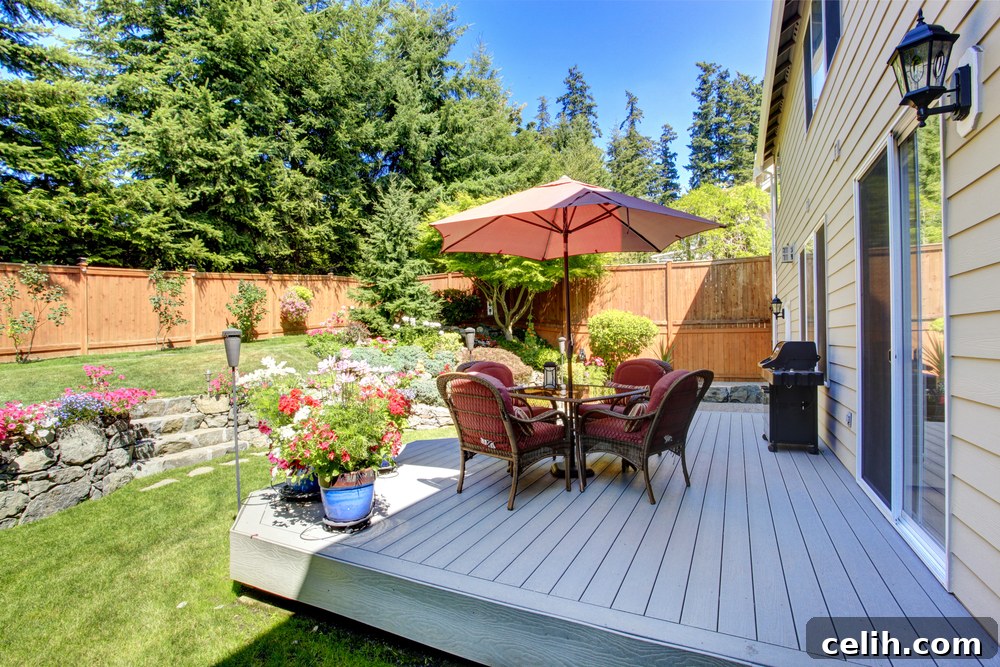
In today’s competitive real estate market, a well-maintained and thoughtfully designed outdoor space is no longer just a bonus; it’s a critical component that significantly influences a home’s appeal and value. The shift in lifestyle preferences, accelerated by recent global events, has propelled gardens, yards, and patios to the top of buyers’ priority lists. Whether you envision a vibrant play area for children, a safe haven for pets, a serene spot for gardening, or simply a tranquil retreat to soak up the sun, the quality and functionality of an outdoor area can profoundly impact your living experience.
However, assessing a garden goes far beyond its mere square footage. Its orientation to the sun, the level of privacy it offers, its overall condition, and even its seamless integration with the main living areas of the house are all crucial factors that determine its usability and, consequently, its market worth. A beautiful facade might hide an outdoor space fraught with hidden issues. Therefore, prospective homeowners must approach garden evaluation with the same diligence they apply to interior spaces.
Before you fall head over heels for a picturesque wildflower patch or a charming, albeit wobbly, fence, take a moment to consider these essential aspects of any outdoor space. This comprehensive checklist will help you identify both the hidden gems and potential pitfalls, ensuring your future garden perfectly complements your lifestyle and investment.
1. Garden Orientation and Sunlight: The Foundation of Outdoor Living
When discussing outdoor spaces, you’ll frequently hear real estate agents enthusiastically highlight “south-facing” gardens. This isn’t just a marketing ploy; it’s a significant advantage that can transform your outdoor experience. Gardens positioned to face south typically receive the most abundant and consistent sunlight throughout the day, from dawn until dusk. This optimal sun exposure translates into a host of benefits:
- Enhanced Warmth and Comfort: South-facing gardens benefit from higher temperatures, even during cooler months, making them inviting spaces for relaxation and entertainment for a greater portion of the year. This extended usability can significantly boost your quality of life.
- Superior Growing Conditions: For avid gardeners, a south-facing plot is a dream come true. It offers ideal conditions for cultivating a wide variety of vegetables, herbs, and flowering plants that thrive in full sun, leading to more productive harvests and vibrant blooms.
- Versatile Entertainment Zones: These sun-drenched areas are perfect for creating comfortable outdoor living spaces, whether for al fresco dining, sunbathing, or hosting social gatherings. The natural warmth reduces the need for artificial heating during pleasant weather, offering more opportunities for outdoor relaxation.
Conversely, north-facing gardens tend to remain cooler and more shaded, especially in areas closest to the house. While this can be a blessing in scorching summers, providing a cool retreat, it can be a challenge for those seeking ample sunlight for gardening or year-round enjoyment. When evaluating a garden, pay close attention to its orientation and consider how factors like neighboring properties, large trees, or tall structures might cast shadows and block natural light at different times of the day and throughout the seasons. Understanding the sun’s path across the garden will help you envision its true potential and limitations for your specific needs.
2. Garden Access and Privacy: Designing for Lifestyle and Seclusion
A garden’s true utility often hinges on how easily and intuitively it can be accessed and enjoyed. Beyond its aesthetic appeal, consider the practicalities of daily use. Is there a seamless transition from the kitchen to an outdoor dining area, making entertaining a breeze? For homes with limited side access, such as terraced or semi-detached properties, evaluate whether there’s a secure and convenient route for essential tasks like taking out bins, moving large garden tools, or bringing in supplies. Easy access can prevent everyday chores from becoming cumbersome nuisances.
Equally important is the element of privacy. An outdoor space, no matter how beautiful, can lose much of its charm if you feel constantly exposed to neighbors or passersby. Look for existing features that create a sense of seclusion: mature trees, dense shrubs, strategically placed fences, or smart garden layouts that naturally screen lounging areas from direct sightlines. Consider the height and density of existing boundaries and imagine how different zones within the garden could be optimized for private relaxation versus more social gatherings. Thoughtful design, such as integrating pergolas, trellises with climbing plants, or even strategically placed garden structures, can transform an exposed yard into a private oasis, enhancing your comfort and enjoyment of the space.
3. Property Boundaries and Fences: Legalities and Upkeep
Fences, walls, and other boundary markers are far more than mere decorative elements; they serve crucial roles in defining your property, ensuring privacy, and keeping pets and children safely contained. Crucially, they also carry significant legal implications. It’s imperative to investigate the specifics of property boundaries before committing to a purchase:
- Boundary Responsibility: One of the first questions your solicitor should address is who is legally responsible for maintaining each section of the boundary. In many areas, ownership of fences alternates between neighbors, or specific agreements might be in place. Clarity on this point can prevent future disputes and unexpected costs.
- Condition of Fences and Walls: Visually inspect all fences, walls, and hedges. Replacing or repairing dilapidated boundaries can be an expensive undertaking, especially for extensive perimeter fencing. Look for signs of rot, instability, cracks, or leaning sections. Factor these potential costs into your budget.
- Deed vs. Reality: Ensure that the physical layout of the garden, including all fences and walls, accurately matches the property boundaries as depicted on the official deeds. Discrepancies can lead to boundary disputes with neighbors, potential legal complications, and delays in the buying process. A professional survey can provide peace of mind in this regard.
In areas where property lines can be complex or historical changes have occurred, such as certain urban environments like Indianapolis, boundary issues can become particularly intricate. These challenges can unfortunately cause significant delays in sales or lead to protracted legal arguments. If you are seeking a fast and uncomplicated transaction, whether buying or selling, specialized local cash home buyers, like Doctor Homes Indianapolis, often streamline the process. They are accustomed to navigating complex property and lot line situations, offering solutions without the typical fuss and lengthy negotiations, which can be a huge benefit for those prioritizing speed and convenience.
4. Garden Inspection Tips for Buyers: Uncovering Hidden Issues
During a home viewing, it’s easy to be charmed by blooming flowers and freshly cut lawns. However, a thorough inspection of the garden space can reveal underlying problems that might lead to significant expenses or ongoing maintenance headaches. Don’t hesitate to “poke around” a bit; your diligence now can save you considerable trouble later. Here’s what to meticulously look for:
- Drainage Issues: Pay close attention to areas with standing water, soggy grass, or noticeable puddles, especially after rainfall. These are tell-tale signs of poor drainage, which can lead to a host of problems including dampness affecting the house’s foundation, root rot for plants, and unpleasant muddy patches. Addressing drainage issues often requires professional intervention, such as installing French drains or re-grading the landscape.
- Paving and Ground Stability: Inspect patios, pathways, and driveways for cracks, uneven surfaces, or areas where paving stones appear to be lifting. While minor cracks might be cosmetic, significant damage could indicate more serious issues like invasive tree roots disrupting the ground, subsidence, or underlying structural problems.
- Neglect and Overgrowth: A garden overrun with weeds or clearly neglected corners might seem like a cosmetic issue, but it signals potential long-term commitment. Extensive weed infestations can be incredibly challenging and time-consuming to eradicate. Furthermore, neglected areas could be hiding damaged structures, discarded waste, or ignored pest problems.
- Soil Health and Quality: While you can’t conduct a full soil test during a viewing, you can observe general indicators. Healthy soil is the foundation of a thriving garden. Look at the general vigor of plants; healthy, robust growth often suggests good soil. If the garden features raised beds or dedicated planting zones, try to get a sense of the soil’s composition. A well-loved garden will often show signs of improved soil through the incorporation of compost or organic matter over time, indicating a lower initial effort for future planting success.
5. High-Maintenance Gardens: Aligning with Your Lifestyle
For many homeowners, a garden is a place of relaxation, not a demanding second job. While a meticulously sculpted landscape or a complex water feature might look stunning in a magazine, it’s crucial to honestly assess if the required upkeep aligns with your available time, interest, and budget. A high-maintenance garden can quickly become a source of stress rather than enjoyment.
Be wary of gardens that feature:
- Intricate Landscaping: Designs with extensive edging, complex stonework, multiple levels, or formal hedges demand regular trimming, weeding, and cleaning to maintain their pristine appearance. The more elaborate the design, the more time and effort it will likely require.
- Water Features or Ponds: While beautiful, ponds, fountains, and other water features need continuous care, including cleaning, filter maintenance, pH balancing, and algae control. If you have young children or pets, also consider the safety implications of open water features.
- Dense Planting Schemes: A garden packed with a wide variety of plants, especially those with specific care requirements or fast growth rates, will need constant attention—pruning, feeding, watering, and disease management. Gardens with a clear path and simpler, more resilient planting often require less intensive care.
Before buying, ask yourself: Are you genuinely enthusiastic about dedicating your weekends to digging, pruning, and nurturing, or would you prefer a low-maintenance lawn where you can simply kick back with a refreshing drink? Choosing a garden that matches your lifestyle preferences is key to long-term satisfaction.
6. Problematic Garden Plants and Trees: Hidden Liabilities
While lush greenery is often desirable, certain plants and trees can be more detrimental than beneficial, posing significant risks to your property’s structure and even its saleability. Identifying these problematic species early can save you from substantial financial and structural headaches.
- Japanese Knotweed: This invasive species is perhaps the most notorious culprit. Known for its aggressive growth and destructive root system, Japanese knotweed can penetrate foundations, drainage systems, and paving, causing severe structural damage. Its presence can even derail mortgage applications, as many lenders are hesitant to approve loans for properties affected by it. Professional eradication is costly and complex, often requiring specialized contractors.
- Large Trees Planted Too Close to the House: While mature trees offer shade and beauty, if they are situated too close to the property, their root systems can cause significant issues. Roots aggressively seek out moisture and nutrients, potentially disrupting foundations, underground pipes, and drainage systems, leading to cracks, leaks, or even subsidence. Overhanging branches can also pose risks during storms, potentially damaging roofs or gutters.
- Ivy or Climbing Plants on Walls: While some climbing plants add charm, dense ivy or other vigorous climbers can trap moisture against brickwork, leading to dampness, erosion of mortar, and structural damage over time. Their tendrils can also penetrate small cracks, widening them and compromising wall integrity.
- Fast-Growing Hedges: Hedges that grow rapidly might seem appealing for quick privacy, but they demand frequent, often intensive, trimming to keep them in check. If neglected, they can quickly become overgrown, blocking light, encroaching on neighboring properties, and becoming a time-consuming chore.
A garden should enhance your living experience, not burden you with a constant battle against invasive species or overbearing foliage. Be vigilant in identifying these botanical hazards.
7. Structural Damage from Trees: A Hidden Hazard
Trees are undoubtedly magnificent additions to any landscape, providing aesthetic appeal, shade, and habitat for wildlife. However, when planted improperly or allowed to grow unchecked, their powerful root systems and expansive canopies can inflict considerable structural damage to your property and surrounding hardscaping. Recognizing the warning signs early can save you from costly repairs and potential insurance claims.
Key indicators of tree-related structural damage include:
- Cracks in Patios or Driveways: Visible cracks or unevenness in paved surfaces are often the first signs that tree roots are growing underneath, exerting pressure and lifting the hardscaping.
- Fences Being Nudged or Leaning: Large trees growing close to boundary fences can push them out of alignment or cause them to lean significantly. This not only compromises the fence’s integrity but can also lead to boundary disputes with neighbors.
- Paving Stones Pushed Up: Similar to patio cracks, individual paving stones or flagstones that are raised or dislodged can indicate aggressive root growth directly beneath them.
- Subsidence near Foundations: In extreme cases, large trees with high water demands can draw moisture from the soil beneath a house’s foundation, especially in clay-rich soils. This can lead to soil shrinkage, causing the foundation to settle unevenly and resulting in subsidence and cracks in the property’s walls.
If you observe any of these warning signs, or if a large tree appears to be positioned precariously close to the house or other structures, it is highly advisable to consult a qualified tree specialist, known as an arborist. An arborist can assess the tree’s health, growth pattern, and potential risks, providing expert recommendations for pruning, root barriers, or even removal if necessary. Furthermore, be aware that mortgage lenders may require a formal tree survey if any suspicious signs of damage or risk are noted during a property valuation, adding another layer of complexity and potential cost to your purchase.
8. Garden Features That Add Value: Investing in Outdoor Amenities
While some garden elements can be sources of headaches, many features significantly enhance a home’s liveability, functionality, and ultimately, its market value. Investing in the right outdoor amenities can transform a simple yard into a coveted extension of the indoor living space, making your home more attractive to potential buyers and renters alike.
Key garden features that consistently add value and appeal include:
- Patios or Decking for Socializing: A well-designed patio or deck creates a dedicated outdoor zone for relaxation, dining, and entertaining. Opt for durable, attractive materials that complement the home’s architecture. These spaces serve as natural gathering points and are highly sought after by those who enjoy al fresco living.
- Outdoor Lighting or Heating Setups: Extending the usability of your outdoor space beyond daylight hours is a major plus. Strategic outdoor lighting enhances safety, ambiance, and aesthetics, while outdoor heating solutions like fire pits, patio heaters, or built-in fireplaces allow for comfortable enjoyment even on cooler evenings.
- Garden Rooms, Studios, or Home Offices: With the rise of remote work and a desire for dedicated personal space, detached garden rooms, studios, or insulated home offices have become incredibly desirable. These versatile structures can serve as creative havens, quiet workspaces, gyms, or guest accommodations, significantly boosting a property’s functional square footage and appeal.
- Low-Maintenance Landscaping: While not a “feature” in the traditional sense, a thoughtfully designed, low-maintenance landscape that offers beauty without excessive upkeep is a huge value-add. This might include drought-resistant plants, smart irrigation systems, or a balanced mix of hardscaping and planting.
9. Outdoor Storage Solutions: Functionality and Organization
A truly functional and organized garden requires ample storage solutions. From garden tools and outdoor furniture cushions to bicycles, barbecues, and seasonal decorations, having a dedicated place to store these items keeps the outdoor space tidy, prolongs the life of your belongings, and prevents clutter. This is particularly valuable for smaller homes, properties without garages, or those with limited indoor storage.
When assessing outdoor storage, consider the following:
- Sheds and Garden Buildings: A well-constructed shed or garden building is the cornerstone of outdoor storage. However, it’s crucial to verify if any existing structures required and received planning permission, especially if they are large or positioned close to boundaries. Unapproved structures could lead to enforcement issues and potential removal.
- Condition of Existing Storage: Don’t just assume “shed included” means a fully functional asset. Inspect any existing sheds or storage units for signs of disrepair, such as wood rot, leaky roofs, damaged foundations, or pest infestations. A dilapidated shed can become a liability rather than a benefit, requiring costly repairs or replacement.
- Material and Suitability: Different shed materials offer varying benefits. Wooden sheds are aesthetically pleasing and offer good insulation, making them suitable for workshops or craft rooms. Metal sheds, while typically low-maintenance and highly durable, can become extremely hot inside during summer months, which might make them unsuitable for storing sensitive items or for use as habitable spaces. Consider what you intend to store or do in the shed to determine if its material and condition are appropriate.
- Alternative Storage Solutions: Beyond traditional sheds, evaluate if there are integrated storage benches, secure bike storage, or discreet bins for recycling and waste. These smaller solutions contribute significantly to overall organization and functionality.
Conclusion: Scrutinizing Your Outdoor Sanctuary
In conclusion, a thoughtfully considered and well-suited outdoor space can elevate a home from merely functional to truly exceptional. Far from being a mere afterthought or a ‘nice-to-have’ bonus, the garden or yard should be viewed and scrutinized with the same critical eye you apply to every interior room of a house. It’s an integral part of your living environment, demanding attention to detail that goes beyond superficial aesthetics.
Move beyond the charm of lawn ornaments and the fleeting beauty of blooming roses. Instead, delve deeper into the fundamental aspects that dictate its long-term utility and enjoyment. Prioritize ease of access, ensuring a seamless flow between indoor and outdoor living. Evaluate privacy levels, envisioning how the space will function as your personal sanctuary. Crucially, consider the ongoing upkeep and maintenance demands, honestly assessing if they align with your lifestyle, time, and budget. Finally, reflect on whether the outdoor space is designed to work for you year-round, offering comfort and functionality regardless of the season.
By conducting a thorough assessment using these guidelines, you can ensure that your chosen outdoor space not only enhances your daily life but also represents a wise and enduring investment in your home.