
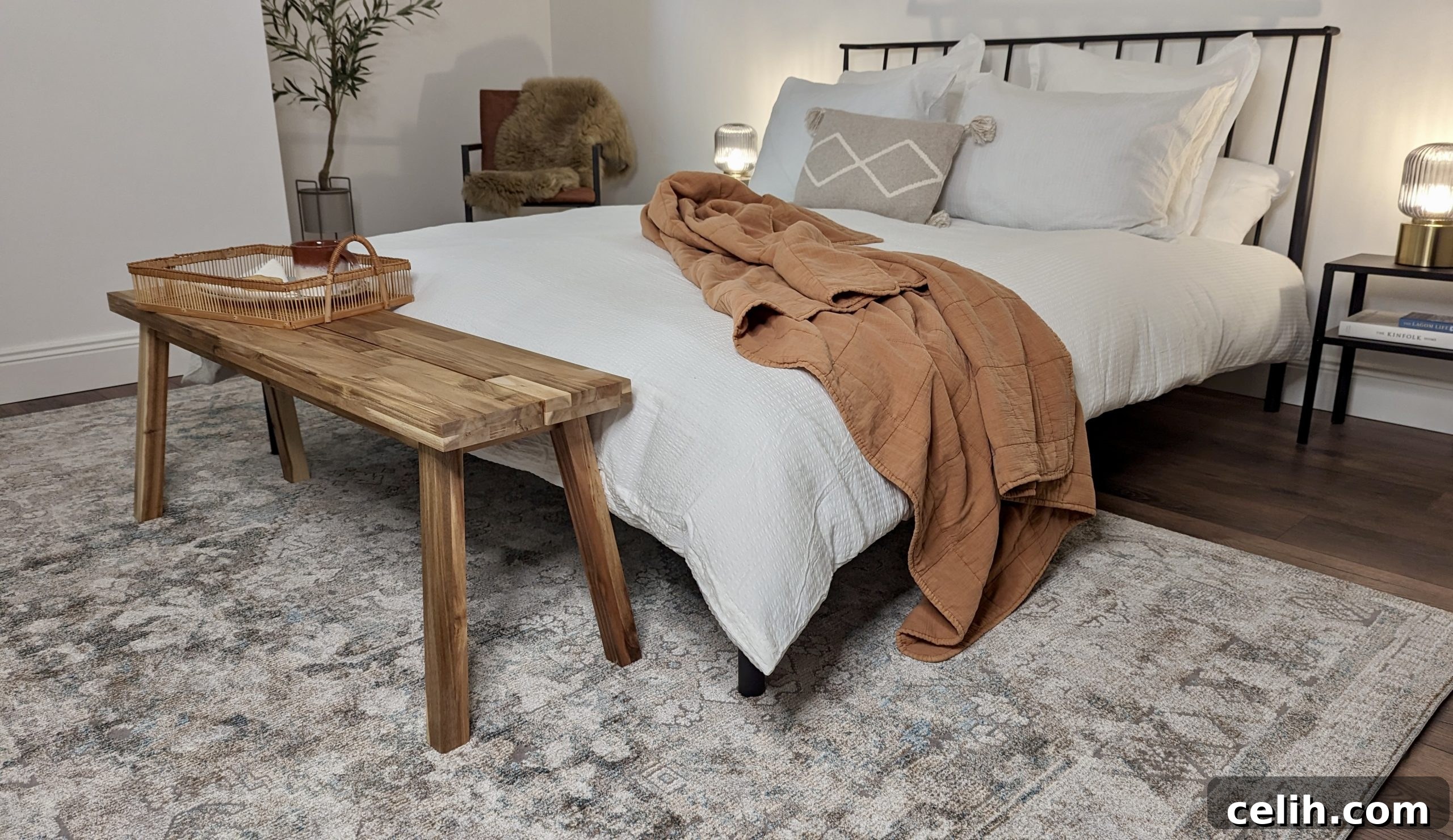
Choosing the perfect rug for your bedroom is far more than a simple aesthetic decision; it’s an investment in comfort, style, and the overall ambiance of your personal sanctuary. A thoughtfully selected rug has the power to instantly transform a room, anchoring furniture, defining zones, and injecting warmth and texture. It acts as a foundational element, tying together diverse decorative components while offering tangible benefits like sound dampening and floor protection. In this comprehensive guide, we will delve into every crucial aspect of selecting a bedroom rug, from understanding the unique dimensions and layout of your space to exploring the vast array of materials, colours, and patterns available. Our aim is to equip you with the knowledge to choose a rug that not only looks stunning but also enhances the daily comfort and functionality of your bedroom.
Understanding Your Bedroom Space: The Foundation of Rug Selection
Before you even begin browsing rug styles, the first and most critical step is to intimately understand the space you’re furnishing. This involves more than just a quick glance; it requires careful measurement, thoughtful consideration of your room’s layout, and a vision for how the rug will integrate with existing furniture and traffic flow. The right rug size and placement are paramount to achieving a balanced and harmonious bedroom environment.
Accurate Room Measurement: The First Step to Success
Start by meticulously measuring your bedroom. This isn’t just about length and width; consider the dimensions of your bed, nightstands, dressers, and any other significant furniture pieces. A common pitfall is selecting a rug that is either too small, making the room feel disjointed, or excessively large, which can overwhelm the space and sometimes even create tripping hazards. Knowing precise dimensions allows you to choose a rug that complements, rather than competes with, your room’s scale.
Strategic Rug Placement: Defining Your Bedroom Zones
The placement of your rug significantly dictates its required size and profoundly impacts the room’s aesthetics and functionality. Consider the various popular placement options and how each might suit your lifestyle and bedroom layout:
- Fully Under the Bed: For a grand, luxurious feel, place a large rug so that it extends several feet beyond all sides of your bed, including the nightstands. This creates a cohesive “island” for your sleeping area and ensures your feet land on softness no matter where you step out of bed.
- Two-Thirds Under the Bed: A very popular and versatile option. The rug is placed under the bottom two-thirds of the bed, often starting just in front of the nightstands, and extending outwards. This provides ample soft landing space without the need for an exceptionally large (and often more expensive) rug.
- At the Foot of the Bed: A smaller rug can be placed horizontally at the foot of the bed, particularly effective if you have a bench or seating area there. This defines a specific zone without covering the entire floor.
- Side Runners: For narrower bedrooms or king-sized beds where a single large rug isn’t feasible, two runner rugs placed on either side of the bed offer comfort underfoot and a sense of symmetry.
- Floating Rug: If your bed is centrally located or you have a unique room layout, a rug that “floats” in the center of the room, not touching the bed, can define a seating area or simply add visual interest. This option works best in larger bedrooms.
Visualisation Techniques: Bringing Your Vision to Life
To avoid guesswork and potential returns, use simple visualisation techniques. Outline where you envision the rug going on your floor using masking tape, old newspapers, or even a bedsheet. Walk around the marked area, move furniture (if possible), and truly get a sense of the scale and how it will interact with your existing decor. This practical exercise ensures that your chosen rug will harmonise with the room’s layout, enhance comfort, and avoid overcrowding the space.
Considering Traffic Flow and Furniture Footprint
Beyond static measurements, consider how people move through your bedroom. A rug under the bed should ideally extend far enough so that your feet land on it when getting out of bed. If your room has high-traffic pathways, ensure the rug doesn’t impede these or become a tripping hazard. Also, consider the “footprint” of your furniture. If heavy pieces will sit entirely on the rug, ensure the rug material can withstand the weight without permanent indentations. Conversely, if only some furniture legs are on the rug, a rug pad becomes even more crucial to prevent unevenness and wear.
Selecting the Right Material: Comfort, Durability, and Style
The material of your bedroom rug is a fundamental choice, directly influencing its tactile comfort, long-term durability, ease of maintenance, and overall aesthetic appeal. Since bedrooms are often low-traffic areas where bare feet are common, the “feel” underfoot is particularly important. Here’s an in-depth look at popular rug materials and their characteristics:
Natural Fibres: Luxurious Comfort and Timeless Appeal
Natural fibres are renowned for their softness, eco-friendliness, and ability to add an authentic touch to any bedroom:
- Wool: Often considered the gold standard for rugs, wool is incredibly soft, naturally durable, and surprisingly stain-resistant due to its lanolin content. It’s an excellent insulator, helping to keep your bedroom warm in winter and cool in summer. Wool rugs are also naturally hypoallergenic and flame-resistant, making them a safe and luxurious choice for a cosy and practical rug.
- Cotton: A more affordable and often softer alternative to wool, cotton rugs are known for their breathability and ease of cleaning. They come in various weaves, including flat-weave and braided styles, offering a more casual, relaxed aesthetic. However, cotton is generally less durable than wool and may show wear faster in higher-traffic areas, although this is less of a concern in a bedroom.
- Viscose (Rayon): Often used to mimic the luxurious sheen and softness of silk at a fraction of the cost, viscose rugs offer a beautiful drape and vibrant colour absorption. While incredibly soft and visually appealing, viscose is less durable and more susceptible to moisture damage and crushing, making it best suited for low-traffic bedrooms where its delicate beauty can be appreciated.
- Jute, Sisal, and Seagrass: These plant-based fibres offer a rustic, earthy texture and exceptional durability. They are naturally strong and resistant to wear, making them ideal for adding a natural, organic feel. While not as soft as wool or cotton, they provide a unique tactile experience and are perfect for layering under a smaller, softer rug or for adding a touch of bohemian or coastal style. They are also highly sustainable choices.
Synthetic Fibres: Practicality, Durability, and Versatility
Modern synthetic fibres offer impressive performance characteristics, making them a practical choice for many households:
- Polypropylene (Olefin): This is one of the most popular synthetic rug materials due to its exceptional stain resistance, fade resistance, and affordability. Polypropylene rugs are highly durable, easy to clean, and resistant to moisture, making them suitable for busy households or bedrooms where spills might occur. They offer a wide range of colours and patterns.
- Nylon: Renowned for its resilience and extreme durability, nylon is an excellent choice for rugs that need to withstand heavy foot traffic and furniture weight. It resists crushing and matting well, maintaining its appearance over time. Nylon can be more expensive than polypropylene but offers superior longevity and a good balance of softness and strength.
- Polyester: Offering a soft, luxurious feel similar to wool or even silk at a lower price point, polyester rugs are also known for their vibrant colour retention and stain resistance. While durable, polyester can be prone to shedding and matting over time, particularly in higher-traffic areas, though this is less of an issue in a bedroom.
Considering Pile Height and Texture
The rug’s pile height (the length of the fibres) also plays a significant role in comfort and maintenance:
- Low Pile: Easier to clean, more durable, and less prone to trapping dust. Great for a sleek, modern look.
- High Pile (Shag): Offers exceptional softness and warmth underfoot, perfect for creating a cosy, inviting bedroom. However, high-pile rugs require more diligent vacuuming and can be harder to spot clean.
Hypoallergenic Options
For those with allergies, consider materials like wool (which traps allergens until vacuumed), cotton, or certain synthetic blends that are tightly woven and easy to clean. Avoid very high-pile rugs that can harbor dust mites and allergens more easily.
Colour and Pattern Choices: Setting the Mood and Style
The colour and pattern of your bedroom rug are powerful design tools that can dramatically influence the mood, perceived size, and overall style of your private retreat. These elements are key to creating a cohesive, harmonious, and inviting space that truly reflects your personal taste.
Complementing Your Existing Colour Scheme
Begin by assessing your bedroom’s existing colour palette. A rug doesn’t necessarily need to perfectly match every item in the room, but it should harmonise with your walls, bedding, curtains, and furniture. Consider the following approaches:
- Harmonious Blend: Choose a rug with colours that are already present in your room, creating a seamless and integrated look.
- Pop of Colour: In a bedroom dominated by neutral tones (whites, greys, beiges), a rug with a bold splash of colour can serve as a vibrant focal point, adding personality and energy.
- Balancing Act: If your bedroom is already rich in colour and pattern, a neutral-toned rug (like soft grey, cream, or beige) can provide a calming counterpoint, balancing the visual intensity and allowing other elements to shine.
- Monochromatic Scheme: For a sophisticated and serene look, opt for a rug in varying shades of your dominant bedroom colour. This adds depth without introducing new hues.
Using Colour to Influence Mood and Ambience
Colours have a profound psychological impact, making your rug choice crucial for setting the desired mood in your bedroom, your personal sanctuary:
- Neutrals (Greys, Whites, Creams, Beiges): Universally popular for bedrooms, neutral rugs create a soothing, calming, and elegant atmosphere. They are incredibly versatile, providing a serene backdrop that allows other decor elements to stand out, while still tying the entire space together.
- Cool Tones (Blues, Greens): These colours evoke feelings of peace, tranquility, and relaxation, ideal for promoting a restful night’s sleep. Lighter shades can make a room feel more spacious and airy.
- Warm Tones (Soft Reds, Oranges, Yellows, Browns): These colours infuse a bedroom with a sense of warmth, cosiness, and intimacy. They can make a larger room feel more inviting and snug.
- Dark Tones (Navy, Charcoal, Deep Teal): Can add a touch of drama, sophistication, and groundedness. They also tend to hide stains better.
Pattern and Design: Adding Visual Interest Without Overwhelm
The bedroom, being a haven of peace and sanctuary, typically benefits from patterns that are subtle and serene rather than overly busy. Think about how patterns can enhance or detract from your desired tranquil atmosphere:
- Subtle Patterns: Soft, muted patterns like understated geometrics, tone-on-tone damasks, or delicate stripes add visual interest and texture without overwhelming the existing decor.
- Plain Rugs: Solid-coloured rugs are perfect for minimalist aesthetics, small rooms (as they don’t break up the floor visually), or bedrooms where other elements (like patterned bedding or wallpaper) are already providing strong visual statements.
- Oriental or Abstract Patterns: If your decor leans towards eclectic or traditional, an ornate Oriental rug or a flowing abstract design can become a captivating work of art for your floor, adding depth and narrative. Ensure the colours complement your scheme.
- Scale Matters: In a large bedroom, a rug with a grander, more expansive pattern can feel appropriate. In smaller rooms, opt for smaller, more delicate patterns or solids to maintain an open feel.
Considering Visual Texture: Depth and Warmth
A textured rug is an exceptional way to introduce depth, character, and tactile appeal to a bedroom without relying on additional colour or complex patterns. The interplay of light and shadow on a textured surface creates subtle visual interest and adds layers to your design. Different textures evoke distinct feelings:
- Shag Pile: For an ultimate infusion of warmth, softness, and luxurious comfort, a fluffy shag pile rug is unparalleled. It’s incredibly inviting for bare feet, making those chilly morning wake-ups a little more pleasant.
- Loop Pile: Offers a more structured, resilient texture that is durable and less prone to showing footprints.
- Cut Pile: Includes velvet or Saxony textures, which are very soft and create a plush, uniform surface.
- Braided or Woven: Adds a charming, rustic, or bohemian feel with visible texture and often a handmade quality.
- High-Low Pile: A rug that combines different pile heights creates interesting patterns and a sculptural feel.
Thinking Long-Term: A Timeless Investment
While current interior design trends are enticing, consider the longevity of your choice. A rug is often a significant investment, and opting for a design that resonates with your enduring style preferences ensures it will remain a cherished part of your bedroom decor for years to come. Timeless patterns, classic colour combinations, and high-quality materials tend to transcend fleeting trends, providing lasting satisfaction.
The Impact of Lighting on Colour
Remember that the way a rug’s colour appears can change dramatically under different lighting conditions. Natural daylight will show its true colours, while warm artificial light (incandescent) can make colours appear warmer, and cool artificial light (LEDs, fluorescents) can make them appear cooler. If possible, test rug samples in your bedroom at various times of day to see how the light interacts with the colours and textures before making a final decision.
Beyond Aesthetics: Practical Considerations and Maintenance
A beautiful rug is a joy, but a practical rug that is easy to maintain and durable is a lasting pleasure. Considering these practical aspects will ensure your bedroom rug remains a vibrant and integral part of your space for many years.
The Essential Role of a Rug Pad
Never underestimate the importance of a high-quality rug pad. It serves multiple crucial functions:
- Prevents Slipping: A non-slip rug pad keeps your rug firmly in place, preventing dangerous slips and falls, especially on hard floors.
- Protects Floors: It acts as a barrier between the rug and your hard flooring, preventing scratches, colour transfer, and general wear and tear.
- Extends Rug Life: By providing cushioning, a rug pad absorbs impact from foot traffic, reducing friction and wear on the rug fibres, thereby prolonging its lifespan.
- Adds Cushioning: A good pad adds an extra layer of plushness, making your rug feel even softer and more luxurious underfoot.
Cleaning and Maintenance: Keeping Your Rug Pristine
The longevity and appearance of your rug largely depend on proper care. Different materials have different cleaning requirements, so always refer to the manufacturer’s guidelines. However, some general tips apply:
- Regular Vacuuming: Frequent, gentle vacuuming (without the beater bar for delicate rugs) helps remove dust, dirt, and allergens, preventing them from settling deep into the fibres.
- Spot Cleaning: Address spills immediately. Blot, don’t rub, with a clean cloth and a mild detergent solution specifically designed for rugs.
- Professional Cleaning: Depending on the material and traffic, consider professional deep cleaning every 1-3 years to restore your rug’s freshness and remove embedded dirt.
- Rotation: If parts of your rug experience more traffic or sunlight, rotate it periodically to ensure even wear and fading.
Budgeting for Your Bedroom Rug
Rugs come in a vast range of price points. Factors influencing cost include:
- Material: Natural fibres like wool and silk are typically more expensive than synthetic options like polypropylene.
- Size: Larger rugs naturally cost more due to increased material and labour.
- Construction: Hand-knotted rugs are generally the most expensive due to the intricate craftsmanship involved, followed by hand-tufted, and then machine-made.
- Brand and Origin: Reputable brands and rugs from specific regions known for their weaving traditions may carry a premium.
While it’s tempting to opt for the cheapest option, remember that a higher-quality rug is an investment that will offer better durability, feel, and aesthetic appeal over time.
By carefully considering your space, choosing the right material for comfort and durability, and selecting colours and patterns that align with your desired mood and style, you can find a bedroom rug that not only completes your decor but also elevates your daily experience. With proper placement and consistent care, your chosen bedroom rug will continue to provide warmth, comfort, and beauty for many years to come, making your bedroom truly your own personal oasis.