
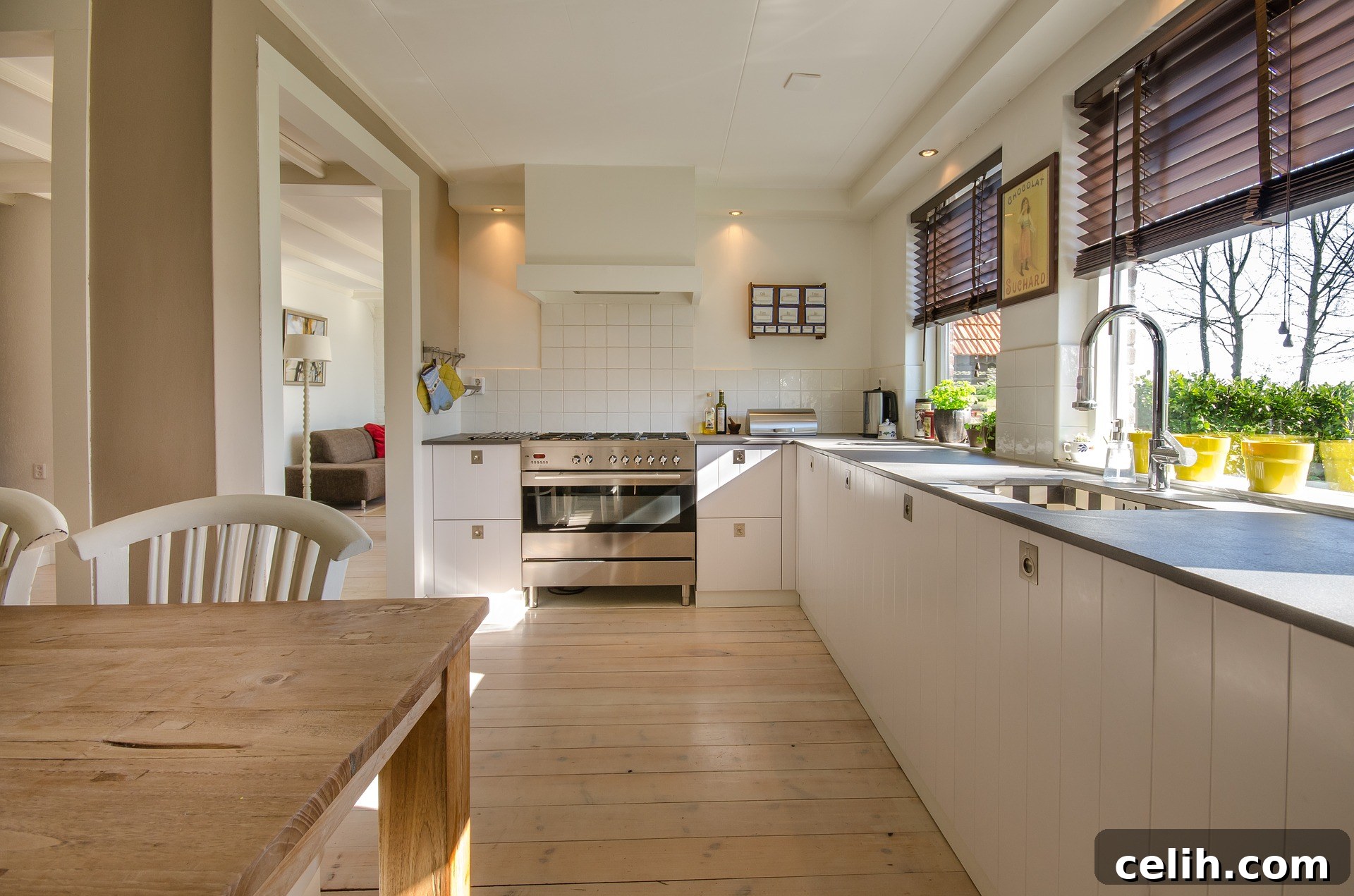
The dining area, whether it’s a cozy kitchen diner, an elegant lounge-diner, or a dedicated formal dining room, serves as the heart of many homes. It’s where families gather for daily meals, where friends share laughter and conversation over delicious food, and where special memories are created. The atmosphere of this space significantly influences these experiences, and at the core of a comfortable and inviting dining setup are the chairs. Choosing the right dining chairs isn’t merely about aesthetics; it’s about blending style, functionality, and most importantly, comfort to enhance every moment spent around the table.
If your current dining chairs have seen better days, or if you’re embarking on a new home furnishing project, understanding the key factors in selecting the perfect set is crucial. A thoughtful approach ensures your investment not only looks good but also provides lasting comfort and complements your lifestyle. This comprehensive guide will walk you through everything you need to consider when choosing dining chairs that are just right for your home, transforming your dining space into a haven of comfort and style.
Understanding Dining Chair Dimensions: Size Matters
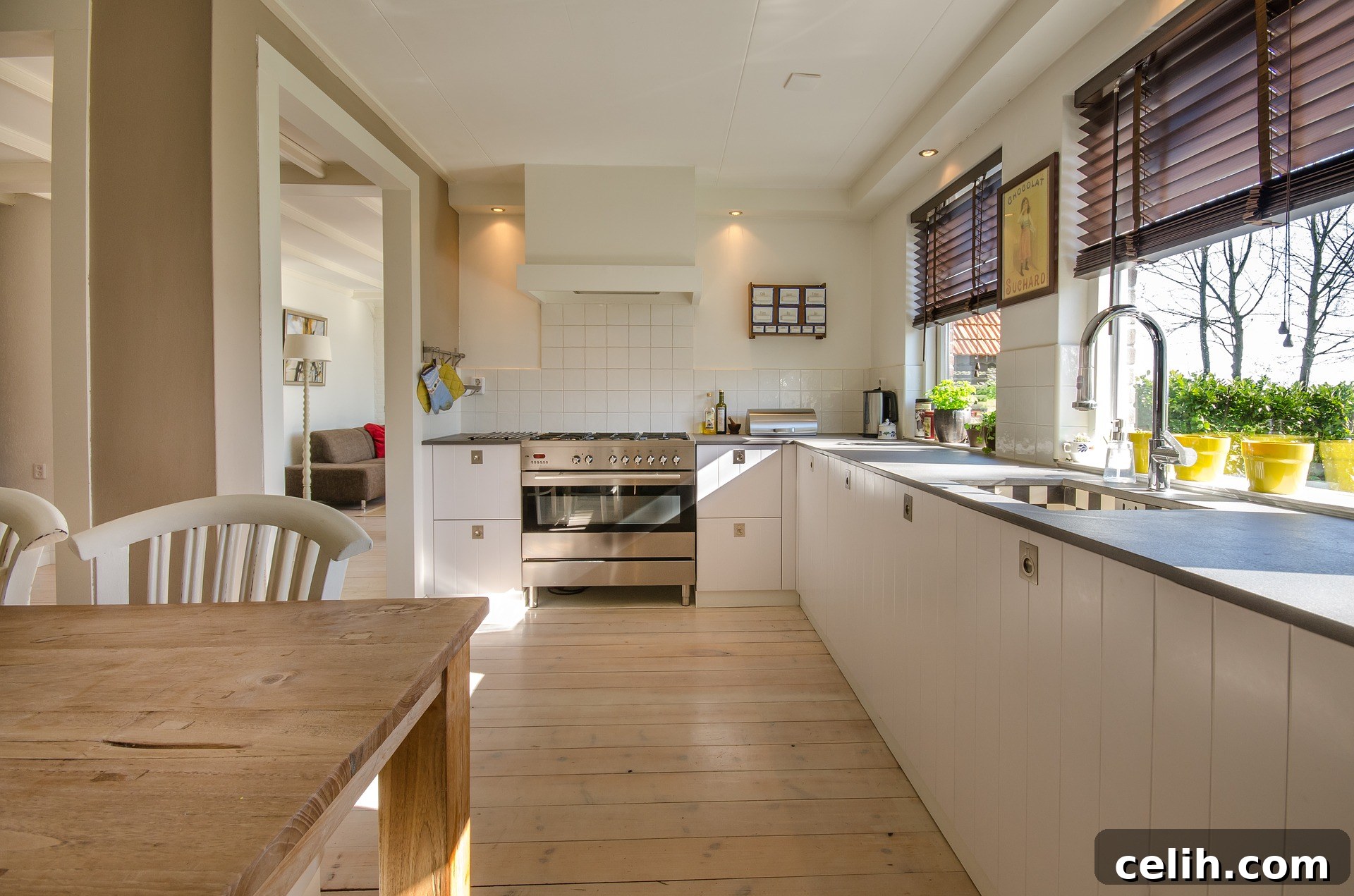
One of the most critical aspects of selecting new dining chairs, especially if you already own a dining table, is getting the measurements right. Overlooking this step can lead to a cramped, uncomfortable, or visually disjointed dining area. Before you even begin to explore styles, grab your tape measure and meticulously assess your dining table and the space surrounding it.
Table Height and Apron Clearance
The standard dining table height typically ranges from 28 to 30 inches (71-76 cm). Your dining chairs should allow ample space between the seat and the tabletop for comfortable dining. A general rule of thumb is to aim for a gap of approximately 10 to 12 inches (25-30 cm) between the top of the chair seat and the underside of the table. This allows for sufficient legroom and prevents guests from feeling squashed. Furthermore, pay close attention to the table’s apron – the wooden or metal skirt that runs just beneath the tabletop. If your table has a thick apron, ensure there’s enough clearance (typically 7 inches or 18 cm) between the top of the chair’s armrest (if applicable) and the bottom of the apron. This ensures chairs can be neatly tucked under the table when not in use, maintaining a tidy appearance and saving space.
Chair Width and Spacing
The number of dining chairs that can comfortably fit around your table depends not only on the table’s length and shape but also on the width and overall bulk of the chairs themselves. While you might have an idea based on old chairs, new designs can vary significantly. Ideally, each diner should have at least 24 inches (61 cm) of elbow room at the table to avoid feeling crowded. For rectangular or oval tables, calculate the total length and divide by 24 inches to get an estimate of how many chairs can fit along the sides. Factor in extra space for chairs at the ends. For round tables, measure the circumference and apply a similar principle, allowing for ample space between each chair. Considering potential guests, you might want to consider options like slimmer chairs or even a bench on one side for maximum flexibility.
Armchairs vs. Armless Chairs
The presence of armrests significantly impacts chair width and under-table clearance. Dining chairs with arms often provide enhanced comfort and a more formal aesthetic, but they require more space. They also need careful measurement to ensure their arms can slide under the table apron. Armless chairs, on the other hand, offer greater versatility, can usually accommodate more people around a table, and are generally easier to move. A common strategy is to use armchairs at the ends of a rectangular table for a touch of grandeur, paired with armless chairs along the sides.
Harmonizing Your Space: Dining Chair Design
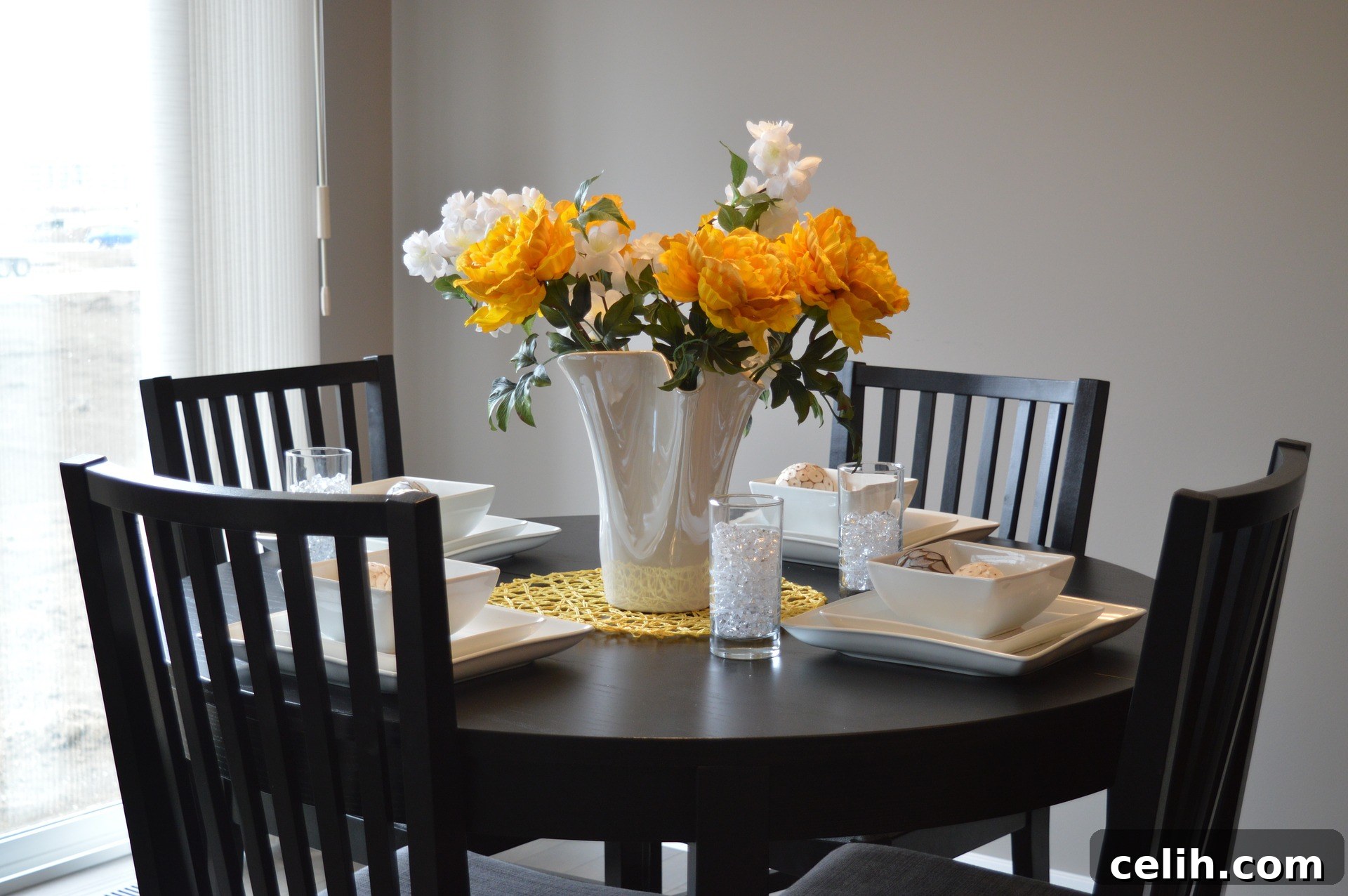
The design of your dining chairs plays a pivotal role in defining the overall aesthetic of your dining area. While a bold contrast can sometimes work, a cohesive design often creates a more harmonious and sophisticated look. Your dining table should serve as the primary inspiration for your chair selection.
Matching Styles for Cohesion
Begin by analyzing the existing style of your dining table and the broader decor of your room. Is your table a sleek, minimalist piece? Perhaps a rustic farmhouse design? Or does it exude vintage charm, like a Danish style teak table? When choosing dining chairs, look for elements that echo your table’s design. For instance, if your table has clean, angular lines, chairs with square seats or backs can create a visually satisfying symmetry. Similarly, a table with delicate, elegant legs would be overwhelmed by chunky, heavy chairs. Instead, opt for chairs with a similar light and refined leg structure to maintain balance.
Exploring Design Aesthetics
Consider the various design philosophies available:
- Modern/Contemporary: Characterized by clean lines, minimal ornamentation, and often made from metal, plastic, or light wood. These chairs often feature unique shapes and a sculptural quality.
- Traditional: Often made from rich woods, featuring ornate carvings, upholstered seats, and classic silhouettes. They evoke a sense of timeless elegance.
- Mid-Century Modern: Known for their organic curves, tapered legs, and use of materials like teak, walnut, and sometimes molded plywood or fiberglass. Think iconic designs that prioritize form and function.
- Farmhouse/Rustic: Emphasizes natural materials like distressed wood, often with simple, sturdy designs. Comfort is key, with a warm, inviting feel.
- Industrial: Blends raw materials like metal and unfinished wood, often with a utilitarian aesthetic. Exposed fasteners and sturdy construction are common.
- Scandinavian: Focuses on simplicity, functionality, and natural materials, often light woods, neutral colors, and ergonomic designs, similar to Danish style but broader.
Understanding these styles will help you narrow down your search and ensure your chosen chairs complement, rather than clash with, your existing decor. Remember, a cohesive dining set enhances the dining experience and elevates the overall look of your home.
Making a Statement: Dining Chair Colour
Colour is a powerful tool in interior design, capable of transforming a space, influencing mood, and defining style. When selecting the colour of your dining chairs, you have the opportunity to either create a harmonious, understated look or a bold, dramatic statement.
Harmonizing or Contrasting
You can choose chairs that perfectly match the colour of your dining table for a seamless, unified appearance, or select colours that complement it subtly. For example, a warm-toned wooden table might pair beautifully with chairs in earthy neutrals like beige, cream, or soft grey, creating an inviting and tranquil atmosphere. Alternatively, you can introduce contrast to add visual interest. A dark wooden table can look striking with chairs in a lighter, contrasting shade, such as white, light grey, or even a muted pastel, creating a sophisticated dynamic.
Infusing Personality with Colour
For those who love to inject personality and vibrancy into their homes, dining chairs offer an excellent canvas. In a contemporary dining room with a sleek round white table, a mix of pastel chair colours can look incredibly attractive and playful, adding a touch of whimsy and freshness. If you’re drawn to bolder statements, lively chair colours like vibrant blues, sunny yellows, or rich reds can create a spectacular “pop of colour” against a neutral backdrop. This approach works particularly well in modern or eclectic interiors, turning your dining area into an energetic focal point. Remember to consider the existing colour palette of your dining room and adjacent living spaces to ensure the chair colours integrate seamlessly with the overall design narrative of your home.
Prioritizing Well-being: Dining Chair Comfort
While aesthetics are important, the comfort factor of your dining chairs is paramount. What good is a stunning set of chairs if they leave you and your guests restless and reaching for back pain remedies after a meal? Dining is meant to be a leisurely and enjoyable experience, and uncomfortable seating can quickly detract from that.
The Importance of Testing
This is one area where in-person shopping, even if just for research, is invaluable. Always try out chairs in a shop first, even if you plan to purchase them online later. Sit in them for a few minutes, lean back, and imagine yourself engaged in a long dinner conversation. Pay attention to:
- Seat Depth: Your feet should be able to rest comfortably on the floor with a slight gap between the edge of the seat and the back of your knees.
- Back Support: Does the chair provide adequate lumbar support? A well-designed backrest supports the natural curve of your spine, preventing slouching and discomfort.
- Cushioning: A top-quality molded plastic chair can provide excellent ergonomic support for posture, while chairs with padded seat upholstery offer a softer, more luxurious feel. Consider how firm or soft you prefer the cushioning and how well it retains its shape over time.
- Armrests: If choosing chairs with arms, ensure they are at a comfortable height and don’t restrict movement or interfere with the table.
Testing different styles and designs will help you discover what truly works best for your body and preferences, ensuring you avoid the dreaded backache after prolonged sitting.
Long-Term Comfort and Ergonomics
Think about how often these chairs will be used. For daily family meals and frequent entertaining, investing in truly comfortable, ergonomically sound chairs is a wise decision. Chairs with gentle curves, supportive backrests, and quality padding contribute significantly to long-term comfort, making every meal a more pleasant experience. Remember, comfort contributes directly to the enjoyment and longevity of your dining moments.
Durability and Style: Dining Chair Material

The material of your dining chairs impacts not only their aesthetic but also their durability, maintenance, and suitability for your lifestyle. As with design, using your dining table’s material as a guide can help you create a harmonious space.
Matching Materials for a Unified Look
Generally, pairing similar materials creates a cohesive design. A beautiful wooden dining table, for instance, often looks best with wooden chairs or chairs that incorporate wood elements. Conversely, sleek metal dining chairs might look out of place with a traditional wooden table, just as modern plastic chairs might not be the ideal choice for a rustic dining table. However, intentional mixing of materials can create an eclectic and interesting look, provided there’s a unifying element like a shared colour palette or design style.
Exploring Common Chair Materials:
- Wood: Timeless and versatile, wood chairs come in various finishes (oak, walnut, teak, pine, beech). They offer warmth and can range from traditional to modern styles. Durability varies by wood type, and they generally require wiping down.
- Metal: Often used for modern, industrial, or minimalist designs (steel, iron, aluminum). Metal chairs are incredibly durable and easy to clean, but some can feel cold or hard. They can be painted or powder-coated in various colours.
- Plastic/Polypropylene: Lightweight, often stackable, and available in a vast array of colours and contemporary designs. Plastic chairs are remarkably easy to clean and often weatherproof, making them suitable for casual dining or families with children.
- Upholstery (Fabric, Leather, Faux Leather, Velvet): Adds a layer of comfort, softness, and luxury.
- Fabric: Offers endless choices in colour and texture. However, fabrics require more careful maintenance against spills and stains. Look for stain-resistant or performance fabrics.
- Leather: Durable, luxurious, and ages beautifully. It’s relatively easy to wipe clean but can be more expensive.
- Faux Leather: A more affordable alternative to real leather, offering similar aesthetics and ease of cleaning.
- Velvet: Adds a rich, opulent texture and can make a bold statement, but it requires delicate cleaning.
If you opt for upholstered material, choosing a fabric that is easy to clean is paramount, especially in a dining environment where accidental spillages are inevitable. Consider materials with a tighter weave or those treated for stain resistance to maintain their pristine appearance over time.
- Wicker/Rattan: Offers a natural, bohemian, or coastal vibe. Often lightweight, but may be less durable for heavy daily use unless reinforced. Cleaning involves wiping and occasional vacuuming.
Each material has its pros and cons in terms of aesthetics, durability, and maintenance. Weigh these factors against your lifestyle, the frequency of use, and your overall design vision to make the best choice for your home.
Practicality and Protection: Dining Chair Weight
Finally, a often-overlooked but important consideration is the weight of your dining chairs. This practical aspect can significantly impact daily convenience, especially in busy households.
Ease of Movement and Floor Protection
Some dining chairs can be quite substantial and heavy, making them awkward to pull out, push in, or rearrange. If you frequently reconfigure your dining space, host large gatherings, or have children who move chairs around, lighter, easier-to-maneuver chairs will be a blessing. Consider materials like plastic, lighter woods, or aluminum which tend to be less cumbersome. The weight also influences potential floor damage. Heavy chairs, when dragged or scooted, can scratch or dent wooden floors, laminate, or even certain tiles. If you have delicate flooring, look for chairs that are either lighter or come with protective glides already installed. Adding felt pads to chair legs is a simple and effective way to prevent scratches.
Versatility and Storage
For smaller spaces or multi-functional rooms, consider stackable dining chairs. These lightweight options are perfect for when you need extra seating only occasionally, as they can be easily stored away without taking up much room. This flexibility is a huge advantage for dynamic living environments. Thinking about the practical aspects of chair weight and movement ensures your dining chairs are not just beautiful but also functional and easy to live with day-to-day.
Budgeting for Your Ideal Dining Chairs
When embarking on the journey to find the perfect dining chairs, budget considerations are naturally a key factor. The cost of dining chairs can vary widely, influenced by materials, brand, design complexity, and craftsmanship. It’s important to strike a balance between your desired aesthetics, comfort, and durability with what you’re willing to invest.
Understanding Price Points
Entry-level chairs, often made from plastic or engineered wood, offer functional and stylish options without breaking the bank. Mid-range choices open up to more durable woods, metals, and quality upholstery, often with enhanced design and comfort features. High-end chairs represent an investment in premium materials like solid hardwoods, genuine leather, and designer craftsmanship, promising exceptional longevity and style. Setting a realistic budget before you start shopping will help you narrow down your options and avoid disappointment.
Value vs. Cost
While it can be tempting to opt for the cheapest option, remember that dining chairs are a frequently used item. Investing in chairs that offer good comfort, robust construction, and easy maintenance often proves more cost-effective in the long run. Durable materials and quality construction mean less need for replacements and repairs over time, ultimately providing better value for your money. Think about the long-term enjoyment and functionality rather than just the upfront cost.
Choosing the right dining chairs is an investment in your home’s comfort, style, and functionality. By carefully considering size, design, colour, comfort, material, weight, and your budget, you can select chairs that perfectly complement your dining table and enhance every meal shared. Take your time, explore your options, and most importantly, choose chairs that you and your loved ones will genuinely enjoy for years to come. Happy dining!
Image credits: Pixabay
(Disclosure: This post is a partnership with Nakturnal)