
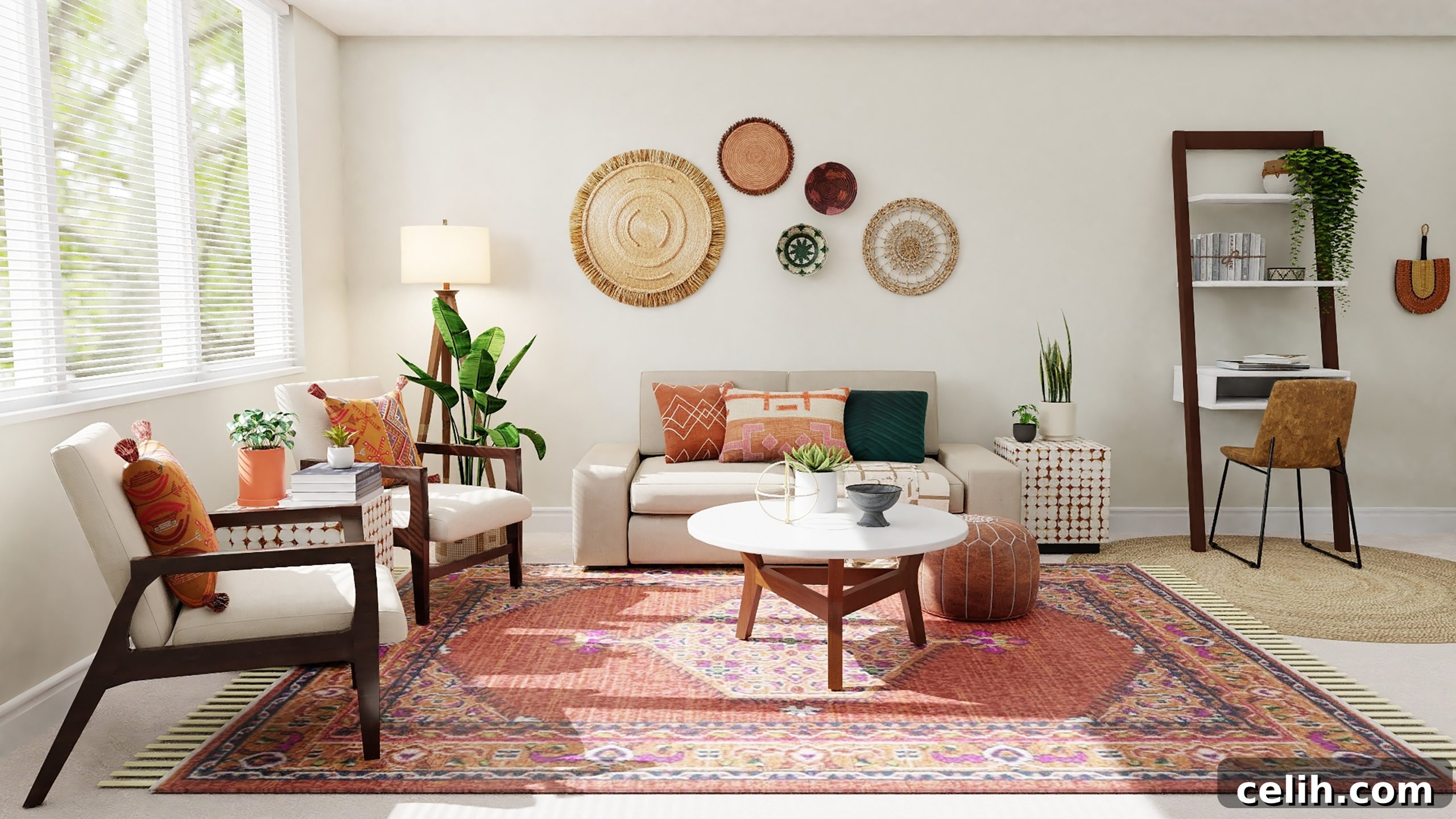
Designing your dream home is a deeply personal journey, often brimming with inspiration drawn from various sources – perhaps a vibrant mosaic lamp discovered during travels or a striking colour-block rug seen in a magazine. While these individual elements can be beautiful on their own, a piecemeal approach to home design frequently leads to common challenges: excessive clutter, a disjointed aesthetic theme, and ultimately, a significant reduction in your home’s overall functionality. The goal of a truly well-designed home is to foster an environment that is not only visually appealing but also supports your daily life, making tasks easier and relaxation more profound.
For a truly transformative and cohesive outcome, opting for professional interior design services is highly recommended. Experts can skillfully articulate your needs and inspirations into a unified vision, ensuring every element works in harmony. However, even without a complete overhaul, homeowners can implement strategic changes to drastically reduce clutter and elevate functionality. This article will explore practical, actionable ways to enhance your home’s functionality, ensuring that style and efficiency go hand-in-hand.
1. Master Your Space: Analyze Floor Layout and Plan with Precision
Before any furniture purchases, rug selections, or artifact placements, the foundational step to a highly functional home is meticulous space planning. Begin by carefully analyzing your floor’s layout. Sketch a detailed outline of each room, noting dimensions, doorways, windows, and electrical outlets. This visual representation serves as your blueprint for optimizing every square foot.
The primary objective of this initial planning phase is to promote a natural and unobstructed flow of movement throughout your living spaces. Imagine walking through the room; where are the natural pathways? Arrange furniture pieces in a way that respects these pathways, ensuring free movement and preventing any feeling of being cramped or cluttered. For instance, avoid placing large furniture directly in front of main entrances or between common activity zones. Thoughtful space planning is crucial for maximizing the potential of any space, regardless of its size, transforming even the most challenging layouts into efficient and inviting areas.
To further enhance space efficiency and functionality, consider investing in multi-functional furniture. These innovative pieces offer multiple benefits, making them indispensable for modern homes. For instance, an ottoman with hidden storage can serve as extra seating, a footrest, and a convenient spot to store blankets, remote controls, or magazines, keeping living areas tidy. Similarly, foldable tables, nesting tables, or console tables that expand are excellent for small dining areas or home offices, allowing you to minimize floor space when not in use and expanding only when needed. Sofa beds or daybeds are perfect for guest rooms, converting easily from a comfortable seating area to a sleeping arrangement, embodying adaptability and smart design. By prioritizing intelligent furniture choices and a well-thought-out layout, you lay the groundwork for a home that is both beautiful and inherently practical.
2. Unlock Efficiency: Embrace Smart Storage Solutions
Clutter is the nemesis of functionality and aesthetic appeal. The key to maintaining an organized and serene home lies in strategic, smart storage solutions that are both innovative and versatile in their application. These solutions ensure that every item has a designated place, preventing visual chaos and making daily life significantly smoother. Rather than merely hiding items, effective storage makes them easily accessible when needed and neatly tucked away when not.
Built-in shelves, for example, are a fantastic way to utilize vertical space that often goes unused. They offer a seamless, custom look that integrates perfectly with your home’s architecture, providing ample room for books, decor, and essentials without consuming floor space. Cabinets, especially those designed with adjustable shelving, allow for flexible storage of various items. Beds with integrated storage drawers or hydraulic lift-up mechanisms are game-changers for bedrooms, offering substantial space for linens, seasonal clothing, or even shoes, keeping the bedroom floor clear and organized. Similarly, coffee tables and end tables with drawers or hidden compartments are excellent for keeping remotes, coasters, and small electronics out of sight yet within reach.
When selecting furniture, prioritize pieces that offer more than one storage solution. For example, a console table with both drawers and open shelving provides options for display and concealed storage. Consider placing these functional pieces throughout your home, paying particular attention to high-traffic areas or spaces dedicated to work and study. A well-organized home office, for instance, benefits immensely from filing cabinets, wall-mounted shelving, and desks with integrated drawers, ensuring that documents and supplies are organized and accessible, leaving the main workspace clear for productivity. By thoughtfully incorporating smart storage, you create an environment where tidiness is effortless, reducing stress and enhancing the overall calm of your living space.
3. Define Your Style: Create a Cohesive Theme and Abide by It
Most experienced interior designers consistently emphasize the importance of choosing a central theme for your home. This isn’t about rigid adherence to a rulebook but rather about establishing a guiding principle that simplifies every decorating decision you make. A well-defined theme creates visual cohesion, ensuring that all elements — from furniture to accessories, color palettes to textures — work together harmoniously, contributing to a unified and aesthetically pleasing environment.
Consider the stark differences between various themes. For instance, a traditional home often embraces rich textures, classic patterns, and ornate details. It might feature plush carpets and rugs, antique artifacts, grand wooden chests with drawers, sophisticated lighting fixtures, and appliances designed to blend seamlessly with the classic aesthetic. Every piece contributes to a sense of timeless elegance and comfort. In contrast, a minimalist theme prioritizes simplicity, clean lines, and functionality above all else. Furniture pieces in a minimalist home are often sleek, offer innovative storage options, and contribute to a clutter-free, airy room setup. The focus is on essential items, quality over quantity, and open spaces that promote calm and clarity.
Deciding on a theme provides a strong idea and concept to fall back on whenever you feel overwhelmed by choices or unsure about a particular purchase. It acts as a filter, helping you determine whether an item truly fits the overall vision for your home. Of course, personal expression is vital, and you can certainly mix and match elements to add personality and spice up your chosen theme. Perhaps a touch of bohemian flair in an otherwise Scandinavian-inspired space, or a modern artwork in a traditional setting. The key is moderation and thoughtful integration; ensure that any deviations still complement the overarching theme rather than disrupting its harmony. A cohesive theme creates a sense of order and allows your home’s personality to shine through without feeling chaotic.
4. Intentional Living: Give a Purpose to Every Room
The concept of functionality extends beyond individual furniture pieces to the very layout and allocation of your living spaces. It’s crucial to acknowledge that not every room in your house is intended to serve the same purpose, nor should it. Defining a clear purpose for each room is a powerful step towards maximizing your home’s functionality and fostering mindful living. This intentional approach ensures that every space is optimized for its primary role, enhancing productivity, relaxation, or social interaction as required.
For example, if you are among the growing number of individuals who work remotely, designating a spare room as your dedicated home office is incredibly beneficial. This room would then be thoughtfully furnished with items essential for work: a comfortable ergonomic office desk, a supportive chair, efficient storage units for files and supplies, and perhaps a whiteboard or corkboard to track project progress. This clear separation of work and living areas can significantly improve focus and work-life balance.
Conversely, if you commute to an office, your home’s functionality might revolve around streamlining your morning routine. A bedroom might be designed for quick, efficient dressing, with easy access to clothing and accessories. An entryway could feature a well-organized drop zone for keys, bags, and mail. Allocating a specific purpose to a room profoundly influences your shopping behavior. You become less likely to make impulse purchases of items without a clear place or function. Instead, this approach promotes mindful shopping, where you can critically assess whether an item truly fits the designated purpose and aesthetic of a specific living space before bringing it home. This conscious decision-making reduces unnecessary clutter and ensures that every item contributes to the overall functionality and beauty of your home, creating an environment that genuinely supports your lifestyle.
5. Organize the Details: Utilize Trays and Baskets for Small Items
While drawers and large storage units are excellent for bigger items, smaller belongings often become lost or contribute to visual clutter when merely tossed into larger compartments. This is where the strategic use of trays and baskets becomes invaluable. These versatile organizing tools are perfect for safely containing small, everyday items, ensuring they are easily accessible yet neatly contained.
Investing in a variety of storage boxes, trays, and baskets allows for granular organization. Many storage boxes come with lids, which is ideal for items you want to keep dust-free or out of sight, and the ability to label them clearly ensures effortless retrieval. Place a decorative tray on your coffee table to hold remote controls, coasters, and magazines, instantly tidying the living area. In the bathroom, small baskets can organize toiletries, make-up, or hand towels, preventing countertop chaos. In an entryway, a shallow tray can be the designated spot for keys, wallets, and mail, eliminating the scramble before leaving the house.
Baskets, in particular, are not only practical but also aesthetically pleasing. Available in various materials like wicker, woven fabric, metal, or even clear acrylic, they can complement any interior design theme. They are incredibly versatile and can be placed on shelves, inside cabinets, or even hung on walls to maximize vertical space, thereby freeing up valuable surface area on tables and countertops. By giving every tiny item a designated home within a tray or basket, you significantly reduce visual noise and promote a sense of calm and order in your home. This attention to detail in organizing even the smallest items makes a substantial difference in overall home functionality and the perceived tidiness of your living environment.
Parting Words: Crafting Your Ultimate Functional Haven
Having a living space of your own is an incredibly exciting prospect, presenting you with the unique opportunity to decorate and personalize it in any way you envision. However, this liberty comes hand-in-hand with a significant responsibility: creating a home that is not just beautiful, but also truly functional. While the desire to transform your home into the ultimate cozy haven is paramount, it is equally important to ensure it remains clutter-free and filled exclusively with elements that offer tangible utility and purpose. A home that looks good but doesn’t work for you is ultimately frustrating; a home that works well and looks good is a sanctuary.
The strategies outlined above – from meticulous space planning and smart storage solutions to defining a clear theme and purpose for each room, down to the thoughtful organization of small items – are all interconnected. They represent a holistic approach to home design that prioritizes both form and function. Being mindful while shopping for furniture and decor is an incredible way to ensure you are only bringing home decor and utility items that genuinely have a place and a purpose within your living space. Consider not just the aesthetic appeal but also its practicality, durability, and ease of maintenance. By thoughtfully integrating these design principles, you can create a home that not only reflects your personal style but also serves as an efficient, organized, and effortlessly comfortable environment, enhancing your quality of life every single day. Transform your home from a collection of cherished items into a perfectly orchestrated symphony of functionality and beauty.