
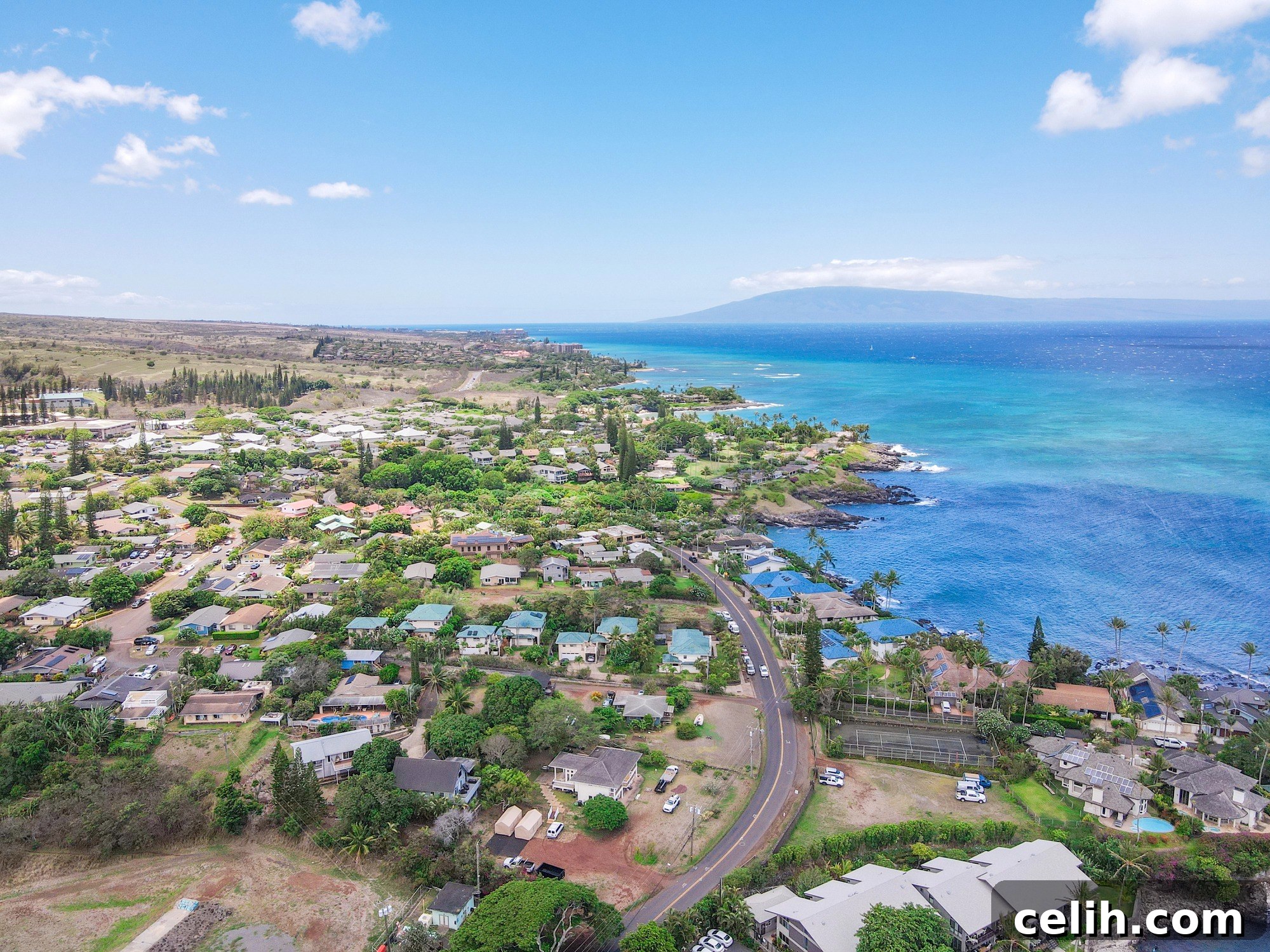
The allure of trading bustling urban landscapes for the tranquil embrace of an island paradise is a dream cherished by many. Imagine waking up to the gentle rustle of palm fronds, the soothing rhythm of ocean waves, and a pace of life that encourages presence and relaxation. Destinations like Maui, with their breathtaking natural beauty, idyllic climate, and vibrant cultural tapestry, frequently top the list for those contemplating such a transformative leap. It’s easy to be captivated by the postcard-perfect images and the promise of an unburdened existence. However, beneath the surface of this enticing dream lies a complex reality, replete with unique challenges and considerations that demand careful thought and thorough planning before embarking on any island relocation.
While the vision of sun-drenched beaches and a laid-back lifestyle is undoubtedly appealing, moving to an island, especially to a highly sought-after locale like Maui, involves navigating a distinct set of circumstances. Factors such as the cost of living, the intricacies of the housing market, access to essential services, and the subtle nuances of island culture can significantly differ from mainland experiences. A proactive understanding of these elements is not just advisable; it’s absolutely crucial. This comprehensive guide aims to shed light on these practical realities, equipping you with the insights necessary to transform your island dream into a sustainable and fulfilling reality.
To begin, let’s delve into one of the most critical foundational aspects of any major move, particularly to an island: the financial groundwork that underpins island life.
Unveiling the Financial Landscape of Island Living
Before you commit to packing your bags, gaining a crystal-clear understanding of the true cost of island living is paramount. It’s a common misconception that a slower pace equates to lower expenses. In reality, island economies often translate to significantly higher prices for many basic necessities. The primary reason for this economic dynamic is logistics: the vast majority of goods, from foodstuffs to building materials, must be imported. This reliance on shipping adds substantial costs, which are then passed on to consumers. Furthermore, the limited land area and isolated nature of islands contribute to restricted supply chains and heightened demand, particularly for housing.
The financial impact varies greatly between island destinations. Hawaii, for instance, consistently ranks among the most expensive places to live in the United States. If you’re specifically eyeing a move to Maui, it’s indispensable to thoroughly research the cost of living in Maui. This research should extend beyond general averages to encompass specific categories such as groceries, where a simple gallon of milk or a loaf of bread can be surprisingly costly. Utilities, including electricity, water, and internet services, often carry a premium due to the unique infrastructure challenges of island environments. Gasoline prices also tend to be higher. Beyond daily expenses, you must factor in potential local taxes, higher insurance premiums for homes and vehicles (especially in areas prone to natural events), and potentially increased healthcare costs due to limited local services. Building a detailed, realistic budget that accounts for these elevated expenses is your first line of defense against unexpected financial strain and ensures a smoother, more sustainable transition.
Navigating Housing Options and the Island Real Estate Market
Finding suitable housing on an island presents its own distinct set of challenges, often diverging significantly from mainland experiences. The confluence of limited available land, high demand from both residents and seasonal visitors, and stringent zoning regulations can result in fewer housing options and considerably higher prices. This competitive environment means that properties, whether for rent or sale, tend to move quickly, often above asking price in desirable areas.
For newcomers, renting is frequently the recommended initial step. This approach offers invaluable flexibility, allowing you to immerse yourself in the local environment, observe the rhythms of daily life, and truly ascertain which neighborhoods or communities best align with your needs and lifestyle preferences before committing to a long-term investment. Rental options range from apartments and condominiums to single-family homes, with prices fluctuating dramatically based on location, amenities, and proximity to popular areas or services.
Should you decide to purchase property, be prepared for a competitive market where appealing properties may not stay on the market for long. Working with an experienced local real estate agent who possesses in-depth knowledge of the island’s unique market dynamics is crucial. They can provide insights into specific micro-markets, assist in navigating local regulations, and help you understand value propositions. Property values are significantly influenced by factors such as proximity to the ocean, panoramic views (mountain or ocean), and access to amenities like schools, shops, and medical facilities. For example, beachfront estates or properties perched on hillsides offering expansive ocean vistas will inherently command a much higher premium than those located inland or without specific views. Thoroughly exploring different areas of the island and understanding their pros and cons is essential to finding a home that truly enhances your island living experience.
Understanding Island Climate and Environmental Considerations
While the universal image of island living often conjures visions of perpetual sunshine and balmy breezes, the reality is that islands, due to their diverse topography and oceanographic influences, can exhibit surprisingly varied climates and distinct weather patterns, often within very short distances. These “microclimates” mean that one side of an island might be consistently sunny and dry, ideal for sun worshippers, while another region, perhaps just a few miles away, could experience regular rainfall, supporting lush rainforests. Understanding these localized weather conditions is vital, as it can significantly impact your daily comfort, outdoor activities, and even the type of property you choose. For instance, a home in a drier, sunnier zone might be perfect for those seeking constant warmth, whereas a wetter area might appeal to nature lovers but require more consideration for humidity and maintenance.
Beyond daily weather, natural hazards are another critical factor that requires careful consideration and preparation. Depending on the specific island and its geographic location, you might need to prepare for phenomena such as hurricanes, tropical storms, or even tsunamis. In areas like Hawaii, seismic activity and the potential for volcanic eruptions, while often localized and well-monitored, are also part of the environmental landscape. These risks are not just theoretical; they can profoundly affect your insurance rates, property maintenance requirements, and necessitate specific emergency preparedness plans. Researching the historical weather patterns, geological risks, and local emergency protocols for your chosen destination is non-negotiable. This proactive approach ensures you can make informed decisions about property location, home construction, and personal safety, allowing you to plan accordingly and enjoy your new home with peace of mind.
Accessing Essential Services and Supplies
Relocating to an island often requires a certain degree of adaptation to the availability and accessibility of goods and services. The isolated nature of many islands means that supply chains are often longer, more complex, and thus more expensive. This reality can translate into fewer choices at grocery stores, specialized products being harder to find or requiring special orders, and overall higher prices for everyday household items. Unlike mainland shopping, where a wide array of options is often taken for granted, island living frequently means you need to plan purchases more meticulously, perhaps even stocking up on certain non-perishable goods when they are available or on sale.
Healthcare is another paramount consideration. Before making your move, thoroughly investigate the quality, availability, and capacity of medical facilities, doctors, and specialists in your prospective area. While major islands typically have hospitals and general practitioners, access to highly specialized medical care might be limited, potentially requiring inter-island travel or trips to the mainland for complex treatments. If you have specific, ongoing health needs or rely on particular medications, verifying that you can receive the necessary care without significant difficulty or prohibitive cost is absolutely essential. Understanding the local healthcare system, including insurance acceptance and emergency services, will provide much-needed reassurance.
Transportation on an island can also differ significantly. Public transportation networks might be less extensive or operate on limited schedules compared to urban centers. Consequently, owning a reliable personal vehicle is often a necessity for daily commutes, errands, and exploring the island. If you plan to ship your car from the mainland, factor in not only the considerable cost but also the timeline for its delivery, as this can take several weeks. Alternative options like electric bikes or scooters might be viable for shorter distances, but the overall reliance on personal transportation is a key aspect of island mobility. Furthermore, reliable internet connectivity, while increasingly prevalent, can sometimes be less robust or more expensive than in densely populated mainland areas, which is a crucial consideration for remote workers or those heavily reliant on digital communication.
The Island Job Market and Economic Opportunities
A significant, yet often underestimated, aspect of island relocation is the local job market. Many island economies are heavily reliant on tourism, meaning that employment opportunities tend to be concentrated in hospitality, retail, and related service industries. While these sectors can provide steady work, they may not align with everyone’s professional background or career aspirations. Wages in these industries might also be lower than mainland equivalents, making the challenge of balancing income with the high cost of living even more acute.
Beyond tourism, other sectors that typically offer opportunities on islands include healthcare, education, local government, and small businesses catering to the resident population. For those with specialized skills, remote work offers an increasingly viable pathway to island living, provided reliable internet infrastructure is available. However, even with remote work, it’s essential to understand the tax implications and legal requirements of establishing residency. Entrepreneurship can also thrive in island communities, filling niche needs or catering to specific markets, but it requires a deep understanding of local regulations, market demand, and the challenges of sourcing supplies.
Before making a move, thoroughly research the local job market for your specific industry or skill set. Network with professionals already living on the island, explore online job boards, and consider visiting for an extended period to conduct informational interviews. Understanding the economic realities and potential income streams is as crucial as understanding the cost of living. A mismatch between available jobs and personal qualifications, or between wages and expenses, can quickly turn an island dream into a financial nightmare.
Integrating into Island Community and Lifestyle
One of the most profound and rewarding aspects of island living is the unique sense of community it often fosters. Life on an island typically operates at a different tempo – a slower, more deliberate pace that prioritizes personal connections, appreciation for nature, and a deep respect for local culture and traditions. This can be a refreshing change for those accustomed to the anonymity and rush of city life, but it’s vital to honestly assess whether this distinctive lifestyle truly aligns with your personal disposition and social preferences.
Island communities are often characterized by their tight-knit nature, where everyone tends to know each other, fostering a strong sense of belonging and mutual support. This can be incredibly appealing, offering a ready-made social circle and a feeling of genuine integration. However, for some, particularly those who value a higher degree of privacy or thrive in the fast-paced, diverse environments of larger cities, this close-knit dynamic might initially feel challenging or even isolating. It’s important to remember that integrating into a new culture takes time and effort. Before making a permanent commitment, consider an extended visit, perhaps through a long-term rental, to truly experience the community firsthand, understand its nuances, and gauge your comfort level.
Building connections early on is key to a smooth transition. Actively seek out opportunities to engage with locals and fellow newcomers. Join local clubs, volunteer for community initiatives, participate in cultural events, or engage in local sports leagues. These activities are not only excellent ways to meet people but also provide a deeper understanding of the island’s pulse and unique social fabric. Embracing the local culture, learning common phrases, and showing respect for established traditions will go a long way in fostering acceptance and making you feel truly at home. Adjusting to a new rhythm of life, understanding local customs, and proactively building a support network will enrich your island experience and help you thrive in your new environment.
Practical Steps for a Seamless Island Relocation
Beyond the major considerations, a successful island move hinges on meticulous practical planning. If your move is international, understanding and securing the correct visas or residency permits is the first non-negotiable step. Research shipping logistics thoroughly: decide what possessions are truly essential to bring versus what can be purchased locally or left behind, as shipping costs can be exorbitant and timelines lengthy. Consider the welfare and logistical challenges of relocating pets, which often involves extensive paperwork, vaccinations, and specialized travel arrangements. Ensure your financial affairs are in order, including setting up local bank accounts, understanding currency exchange rates, and securing necessary insurance policies well in advance. Organize all essential documents—passports, birth certificates, medical records, and financial statements—and keep them readily accessible. Finally, several pre-move visits are highly recommended to explore different neighborhoods, meet with real estate agents, scope out job prospects, and generally acclimatize to the environment. Proactive planning in these areas will alleviate stress and ensure a far smoother transition to your new island home.
Final Thoughts
The vision of moving to an island destination remains a powerful and captivating dream for countless individuals, promising an escape to beauty, tranquility, and a refreshing new outlook on life. This dream is entirely achievable, offering the potential for profound personal transformation and unparalleled contentment. However, the key to unlocking this idyllic lifestyle lies not just in the desire, but in the deliberate and comprehensive planning that precedes it.
By diligently researching every facet of your prospective move – from meticulously understanding the true cost of living and navigating the unique housing market to preparing for distinct climate patterns, ensuring access to essential services, assessing economic opportunities, and actively seeking integration into the local community – you lay a robust foundation for success. Approaching this significant life change with clear, realistic expectations and a proactive mindset will empower you to overcome potential hurdles and fully embrace the unique joys of island living. With thorough preparation and an open heart, your island dream can indeed become a vibrant and enduring reality, allowing you to savor every moment of your new, enriched life.