
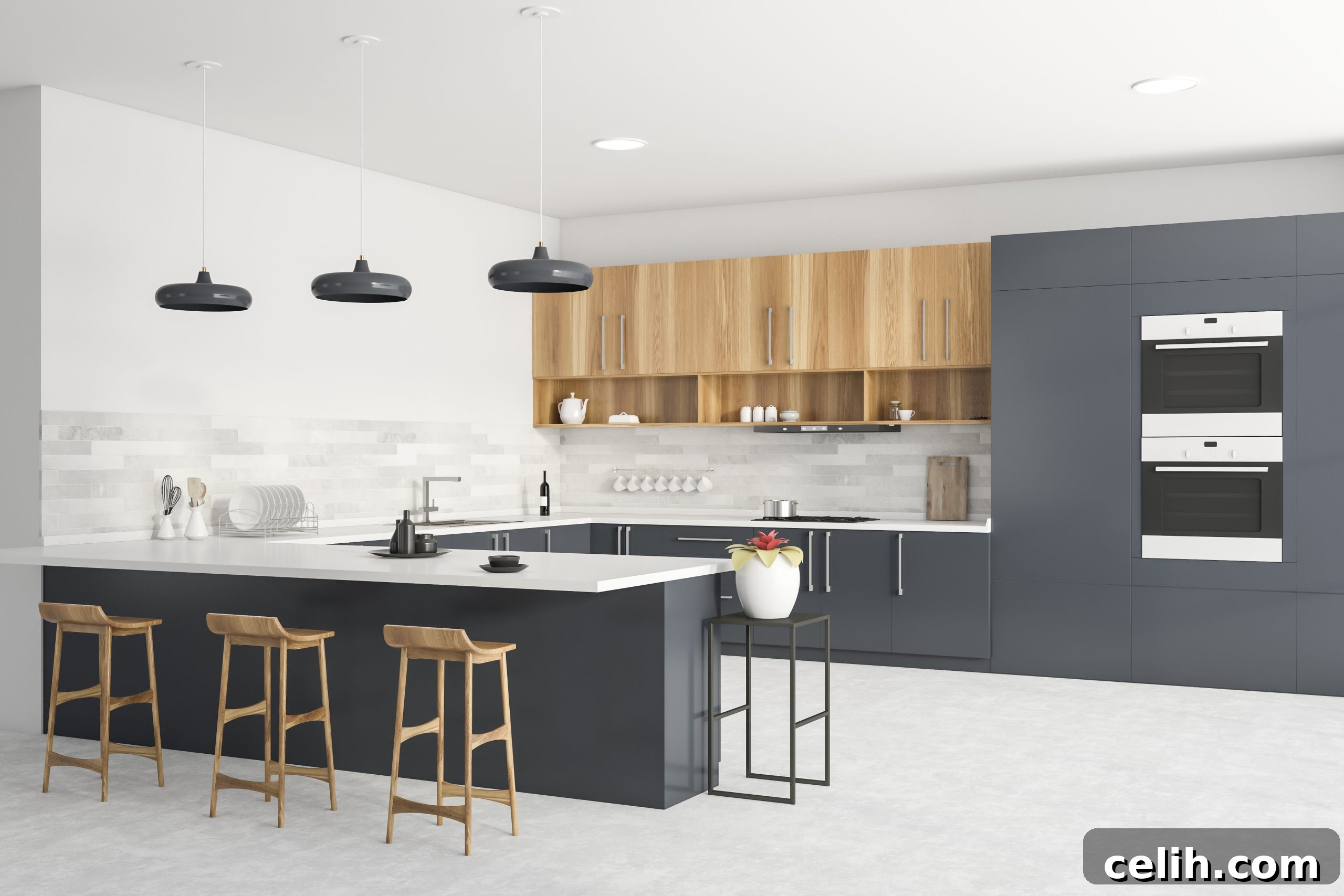
The kitchen stands as the undeniable heart of any home, a vibrant hub where culinary creativity meets daily life and social gatherings. Designing the ideal kitchen is a delicate art, balancing impeccable functionality, captivating aesthetics, and your unique personal preferences. Whether you’re embarking on the exciting journey of building a new residence or breathing new life into an existing space through renovation, your kitchen must effortlessly cater to your cooking and entertaining needs while authentically reflecting your individual style. This comprehensive guide will walk you through the essential considerations, empowering you to craft a kitchen that isn’t just a room, but a truly perfect culinary sanctuary.
Optimizing Kitchen Layout and Workflow
The strategic layout of your kitchen is paramount for cultivating an exceptionally efficient workflow and ensuring a harmonious environment. The foundational principle for an effective kitchen is often centered around the “work triangle,” which connects the three primary work zones: the cooking area (stove/oven), the prep area (sink), and the cleaning area (refrigerator). Arranging these zones in a triangular formation intelligently minimizes unnecessary movement, reduces steps, and significantly maximizes productivity during meal preparation and cleanup. Strive for a layout where the flow between these crucial areas is seamless and unobstructed, allowing you to move freely and intuitively as you navigate through your culinary tasks.
Beyond the classic work triangle, consider different kitchen layouts such as U-shaped, L-shaped, galley, and island designs, each offering distinct advantages. A U-shaped kitchen provides ample counter space and storage, ideal for single cooks or families. L-shaped kitchens are versatile and work well with an island, creating a natural work zone. Galley kitchens are highly efficient in smaller spaces, placing everything within easy reach. The addition of a kitchen island can further enhance functionality, offering extra prep space, integrated seating for casual dining, or even housing secondary sinks or cooktops. Ensure there’s adequate clearance around any island or peninsula to maintain easy movement and accessibility.
A design element that can profoundly enhance the flow, openness, and overall ambiance of your kitchen is the strategic incorporation of bifold doors. Bifold doors possess the remarkable ability to forge a truly seamless transition between your kitchen and an adjacent living area, dining room, or even an outdoor patio. By folding back completely, these doors effectively blend interior and exterior spaces, creating a more expansive, open, and incredibly inviting atmosphere that is perfect for entertaining or simply enjoying natural light and fresh air. These versatile doors can be effortlessly opened or closed depending on your immediate needs, making them a practical, flexible, and visually stunning choice for modern homes aiming to embrace indoor-outdoor living.
Smart Cabinetry and Maximized Storage Solutions
Ample and intelligently designed storage is an absolute cornerstone of any truly well-designed and functional kitchen. Beyond merely installing cabinets, the goal is to create a system that keeps everything organized, accessible, and clutter-free. Opt for a thoughtful combination of upper and lower cabinets, along with specialized drawers and open shelves, to maximize every inch of available storage space. Consider integrating ingenious features such as full pull-out pantries for dry goods, revolving lazy susans for corner cabinets, and specialized inserts designed specifically for pots, pans, lids, and spices. These clever additions transform chaotic spaces into meticulously organized zones, significantly enhancing the efficiency and joy of your cooking experience.
The style and material choices for your cabinetry are pivotal, as they profoundly contribute to the overall aesthetic and character of the entire space. From the timeless charm of classic wood finishes like oak, maple, or cherry, which evoke warmth and tradition, to the sleek, ultra-modern appeal of lacquered surfaces or minimalist flat-panel designs, the options are virtually limitless. Each material and style carries its own unique personality, influencing whether your kitchen feels rustic, contemporary, industrial, or transitional. Furthermore, the hardware you select – be it handles, knobs, or invisible touch-latch mechanisms – plays a critical role in complementing the chosen cabinet style and masterfully tying the entire design together. Pay attention to finishes like brushed nickel, matte black, or polished brass to ensure they harmonize with your overall design scheme.
When planning your cabinetry, don’t overlook innovative storage solutions that address specific needs. Think about integrated waste and recycling bins hidden within lower cabinets, vertical tray dividers for baking sheets, or even a dedicated charging station drawer for electronics. For a truly bespoke feel, consider custom-built solutions that perfectly fit awkward spaces or integrate seamlessly with your appliances. Open shelving, while requiring careful styling to avoid clutter, can offer an airy feel and an opportunity to display cherished dinnerware or decorative items, adding a personal touch to your kitchen.
Choosing Resilient Countertops and Captivating Backsplashes
The countertops and backsplash are pivotal design elements that wield significant power in shaping the ultimate look, feel, and practical durability of your kitchen. When selecting countertops, prioritize durable, easy-to-maintain materials that align perfectly with your daily lifestyle, cooking habits, and budgetary constraints. Popular choices include granite, quartz, and high-quality laminate. Granite offers unmatched natural beauty and strength, though it requires periodic sealing. Quartz provides a non-porous, low-maintenance surface with a vast array of colors and patterns. Laminate remains an incredibly budget-friendly option with surprising versatility in design. Other premium choices like marble offer timeless elegance but demand higher maintenance, while butcher block introduces warmth and a natural aesthetic.
Beyond material, the color and pattern of your chosen countertops are crucial, as they inherently set the foundational tone for the entire space. A lighter countertop can make a smaller kitchen feel more expansive, while a darker one can introduce drama and sophistication. Consider how the veining or flecks in natural stone, or the consistent pattern in engineered quartz, will interact with your cabinetry and flooring. It’s an investment, so selecting a material that can withstand daily use, resist stains, and endure heat is key to ensuring longevity and continued beauty.
The backsplash, often viewed as a secondary element, presents a wonderful opportunity to infuse a touch of distinctive personality, texture, and undeniable visual interest into your kitchen. It’s not just about protecting your walls from splatters; it’s a canvas for creative expression. Explore an eclectic variety of materials, from the enduring charm of classic subway tiles, which offer a clean and versatile backdrop, to the rustic elegance of natural stone, the contemporary gleam of glass, or even unique metallic options for an industrial edge. Mosaic tiles can introduce intricate patterns and vibrant colors, while a full slab backsplash (matching the countertop) creates a luxurious, seamless look. The backsplash acts as a crucial focal point, expertly tying together the various design elements of the kitchen, from the colors of your cabinets to the textures of your floors and the finishes of your appliances. Consider the grout color carefully, as it can subtly or dramatically alter the overall appearance of your chosen tiles.
Integrating Modern Appliances and Stylish Fixtures
The selection of your kitchen appliances and fixtures profoundly influences not only the functionality and efficiency of your culinary space but also its overall aesthetic appeal. When choosing appliances, prioritize energy-efficient, high-quality models that will stand the test of time and seamlessly complement the overarching style of your kitchen. From advanced ranges and powerful ventilation hoods to smart refrigerators with integrated screens and quiet dishwashers, the market offers an array of innovations designed to simplify your cooking and cleaning routines. Consider smart appliances that can be controlled remotely, offer recipe suggestions, or even help manage your grocery list, bringing a new level of convenience to your home.
Beyond performance, the finishes of your appliances play a crucial role in the kitchen’s visual harmony. Stainless steel remains a classic, offering a sleek and professional look, while black stainless steel provides a modern, sophisticated alternative. For a truly integrated and custom appearance, consider appliances that can be paneled to match your cabinetry, making them virtually disappear within the design. Ensure that the finishes of your major appliances, such as the refrigerator, oven, and dishwasher, are coordinated to create a cohesive and polished look that contributes to a high-end feel.
Similarly, the fixtures you choose, such as faucets, sinks, and lighting, require careful consideration. A high-quality faucet can be a striking design element, whether it’s a sleek pull-down model, a traditional bridge faucet, or a touch-activated smart faucet. Consider materials like polished chrome, brushed nickel, or matte black to match your cabinet hardware and overall color scheme. Your sink choice is also vital for functionality; options range from large single-basin farmhouse sinks ideal for soaking big pots, to practical double-basin sinks, or elegant undermount styles. Ensure that all these elements are not only beautiful but also durable and easy to maintain, as they are used daily and contribute significantly to the overall user experience of your dream kitchen.
Layered Lighting and Personalized Décor
Achieving truly effective lighting in your kitchen is about more than just brightness; it’s about creating layers of light that serve both task-oriented and ambient purposes, enhancing both functionality and mood. Begin with ambient lighting, which provides general illumination for the entire space – recessed lights or flush-mount fixtures are excellent for this purpose, offering broad coverage without being obtrusive. Next, incorporate task lighting directly over key work areas. Under-cabinet lights are essential for illuminating countertops, making food preparation safer and more enjoyable. Pendant fixtures suspended over a kitchen island or peninsula not only provide focused task lighting but also serve as stylish decorative elements, adding visual interest and a sense of definition to these zones.
Beyond ambient and task lighting, consider accent lighting to highlight architectural features or decorative items, such as in-cabinet lighting for glass-front cabinets or subtle toe-kick lighting for a modern glow. The strategic use of dimmer switches across all lighting layers is paramount, allowing you to easily adjust the intensity and mood of the kitchen, transitioning from bright, functional lighting during cooking to a softer, warmer ambiance for entertaining or casual dining. Furthermore, maximizing natural light through thoughtfully placed windows, skylights, or even light-colored finishes can significantly enhance the brightness and spaciousness of your kitchen during the day.
Finally, and perhaps most importantly, don’t overlook the transformative power of personal touches and decorative elements in making your kitchen truly your own. Incorporate artwork that resonates with your style, introduce lush plants or fresh herbs to bring life and color into the space, or display curated collections on open shelving. Thoughtful decor items, from unique kitchen towels to stylish storage canisters and elegant bar stools, can reflect your individual personality and elevate the room’s aesthetic. Your kitchen should not only be a place for cooking but also a reflection of your taste and a comfortable haven that feels uniquely yours. By carefully orchestrating these elements, you will design a kitchen that is not merely functional and visually appealing but a cherished space where memories are made, seamlessly blending form and function to create your dream culinary sanctuary.