
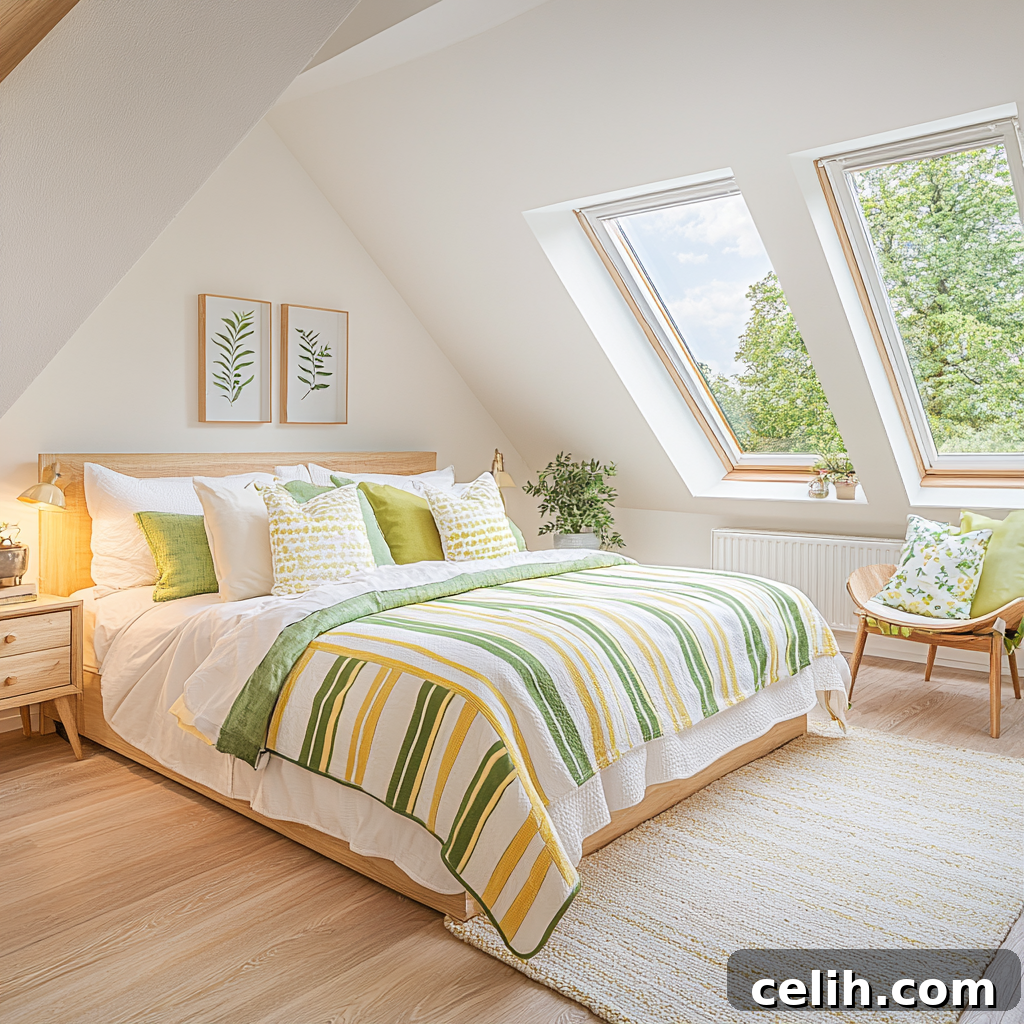
Transforming your home into a more sustainable living space is a journey that doesn’t necessarily demand extensive renovations or a large budget. In fact, many of the most impactful eco-friendly changes are surprisingly simple, accessible, and can be integrated seamlessly into your daily life. Whether you are taking your first steps towards greener living or are looking to amplify your existing efforts, there’s a wealth of practical upgrades available. This comprehensive guide will explore various actionable strategies, from upgrading to energy-efficient appliances and optimizing insulation, to embracing water conservation and incorporating natural materials. These thoughtful modifications not only contribute significantly to planetary health but also often result in substantial long-term savings on your utility bills, proving that sustainable living can be both environmentally responsible and financially rewarding.
Embracing Energy-Efficient Appliances
One of the most effective and impactful changes you can implement in your quest for a more sustainable home is replacing outdated appliances with their energy-efficient counterparts. Appliances proudly displaying the ENERGY STAR label are engineered to consume significantly less energy and water compared to standard models, translating into substantial financial savings over their lifespan. Investing in these advanced appliances not only dramatically reduces your household’s carbon footprint but also noticeably diminishes your monthly utility expenditures, offering a tangible return on investment.
For those unsure where to begin, prioritize appliances that are frequently used and tend to be major energy consumers. Refrigerators, dishwashers, washing machines, and even water heaters are prime candidates for replacement due to their substantial energy demands within a typical household. When selecting new units, look for innovative features such as intelligent sensors that automatically adjust settings based on usage patterns, load size, or soil level. These smart functionalities maximize efficiency by preventing unnecessary energy and water consumption. Upgrading to these modern, eco-conscious appliances represents a significant step towards minimizing greenhouse gas emissions and fostering a more sustainable domestic environment throughout the appliance’s entire service life.
Exploring Solar Energy Solutions
Solar energy systems have witnessed a remarkable surge in popularity, primarily driven by their compelling long-term economic and environmental advantages. The installation of solar panels on your roof empowers you to generate your own clean electricity, significantly reducing your reliance on conventional grid power and potentially saving homeowners thousands of dollars over the years. By harnessing renewable energy directly from the sun, solar systems not only shrink your carbon footprint but also enhance your property’s value, as an increasing number of eco-conscious buyers actively seek homes equipped with sustainable energy capabilities.
Modern solar panel systems are meticulously designed to optimize energy capture throughout the day, adapting to varying sunlight conditions. Furthermore, rapid advancements in battery storage technology now allow homeowners to store excess energy generated during peak sunny hours for use during the evenings or on cloudy days, ensuring a consistent and reliable power supply. To further incentivize adoption, many governments offer attractive tax incentives, rebates, and grants for solar energy installations, making the initial investment more manageable and appealing. Understanding these comprehensive benefits and available support programs can transform what might seem like a significant upfront cost into a highly viable and financially sound long-term investment for a sustainable future.
Implementing Water Conservation Techniques
In numerous regions across the globe, water scarcity is an increasingly pressing environmental and societal concern. Consequently, integrating water-saving techniques into your home is a straightforward yet highly impactful approach to fostering sustainable living, simultaneously leading to noticeable reductions in your monthly water bills. Simple upgrades such as installing low-flow toilets, faucets, and showerheads can drastically cut down on water consumption without compromising performance or comfort. For instance, low-flow toilets utilize considerably less water per flush than older, traditional models, making a significant dent in overall household water usage.
Beyond fixture upgrades, consider implementing a rainwater collection system for outdoor use. These systems, which can range from simple barrels to more sophisticated integrated setups, efficiently capture and store rainwater. This collected water can then be effectively utilized for gardening, landscaping, and other non-potable purposes, conserving precious municipal water resources and ensuring your plants thrive even during extended dry spells. By actively prioritizing water conservation within your home, you contribute meaningfully to your local community’s broader efforts to reduce overall water demand and safeguard this invaluable natural resource for future generations. These practices not only benefit the environment but also reinforce a mindful approach to resource management in your daily life.
Optimizing with Eco-Friendly Insulation
Upgrading your home’s insulation is one of the most efficient and cost-effective ways to enhance its overall energy efficiency and comfort. Proper insulation acts as a crucial barrier, preventing unwanted heat exchange between the indoors and outdoors. This ensures a consistently comfortable living environment year-round while dramatically reducing the energy required for both heating in winter and cooling in summer. While traditional insulation materials often come with environmental downsides, there is a growing array of eco-friendly alternatives worth considering, such as cellulose, recycled denim, sheep’s wool, or spray foam made from renewable or recycled materials.
Cellulose insulation, for example, is predominantly produced from recycled paper products and treated with non-toxic fire retardants, making it an excellent choice for homeowners committed to reducing their ecological footprint. Beyond its environmental benefits, effective insulation can make a profound and noticeable difference in your energy bills. A well-insulated home minimizes thermal bridging and air leaks, lessening the strain on your heating and cooling systems. This translates directly into lower energy consumption, improved indoor air quality, and a quieter home environment, reinforcing insulation as a foundational element of any truly sustainable home upgrade strategy. Regularly checking and upgrading your insulation can significantly prolong the efficiency and lifespan of your HVAC systems.
Integrating Smart Home Technology
Integrating smart home technology represents another highly practical and increasingly popular upgrade for fostering a more sustainable lifestyle. Smart thermostats and comprehensive energy management systems empower you to precisely monitor, control, and optimize your home’s energy consumption with unparalleled ease. A smart thermostat, for instance, possesses the ability to learn your daily schedule and preferences, automatically making nuanced adjustments to heating and cooling settings to minimize energy waste. By implementing a comprehensive smart home system, homeowners can gain invaluable insights into their energy usage patterns, enabling them to make timely and effective adjustments to further reduce their environmental impact.
Beyond climate control, smart lighting systems offer incredible versatility, allowing homeowners to program lighting schedules, adjust brightness, and even turn lights off remotely via a smartphone app. This convenience directly contributes to more mindful energy consumption, ensuring lights are only on when and where they are needed. Furthermore, smart plugs can convert conventional appliances into ‘smart’ ones, enabling remote control and scheduling. These interconnected, energy-efficient systems can lead to reduced operational costs, enhance overall home comfort, and foster a proactive approach to minimizing energy expenditure, aligning convenience with environmental responsibility in the modern home.
Choosing Natural and Organic Materials
When embarking on any home upgrade or renovation project, a thoughtful consideration of natural and organic materials for both construction and interior decor is paramount for creating a truly sustainable living space. Materials such as bamboo, cork, reclaimed wood, natural stone, and recycled glass come from sustainably managed sources and boast unique aesthetic properties that add character and warmth to any design. Utilizing these types of materials significantly reduces reliance on synthetic products, which often emit volatile organic compounds (VOCs). These VOCs can off-gas into your home environment, contributing to poor indoor air quality and potential health issues for occupants.
Incorporating natural and organic materials into your home design not only fosters a healthier indoor environment by minimizing exposure to harmful chemicals but also imbues your space with an authentic, grounded aesthetic. By deliberately choosing furnishings, finishes, and building components with a strong emphasis on sustainability, you actively support eco-conscious manufacturers, artisans, and ethical supply chains. Making educated and deliberate choices about the materials that compose your home encourages a deeper connection to environmental stewardship, promoting a living space that is beautiful, healthy, and responsible, reflecting a commitment to a greener planet.
Adopting Green Landscaping Practices
Beyond the walls of your home, responsible landscaping practices play a pivotal role in contributing to overall sustainability and biodiversity. One of the most impactful strategies is to prioritize drought-resistant plants and native species. These plants are naturally adapted to your local climate, requiring significantly less water, fertilizer, and maintenance compared to exotic or non-native varieties. Native plants also provide essential habitat and food sources for local wildlife, supporting biodiversity and creating a thriving ecosystem right in your backyard.
Furthermore, implementing practices such as utilizing organic mulch in garden beds is incredibly beneficial. Mulch effectively retains soil moisture, suppresses weed growth, and enriches the soil as it breaks down, thereby reducing the need for frequent supplemental watering and chemical herbicides. Consider also establishing rain gardens, which are specially designed depressions that capture and absorb stormwater runoff from roofs and other impervious surfaces. Rain gardens help manage stormwater, prevent erosion, filter pollutants before they enter local water systems, and recharge groundwater. By choosing plants that attract pollinators and other local wildlife, homeowners can support crucial ecological processes. Practicing eco-friendly landscaping not only beautifies your property but also actively improves local ecosystems, conserves vital resources, and fosters a harmonious balance between your home and its natural surroundings.
Selecting Sustainable Window Treatments
Windows are far more than just aesthetic features; they play a critical and often underestimated role in a home’s overall energy efficiency. Upgrading to high-performance windows, such as double- or triple-pane units filled with inert gases like argon or krypton, and featuring low-emissivity (Low-E) coatings, can dramatically reduce heat loss during the colder months and significantly minimize heat gain during the warmer seasons. This advanced technology considerably lessens the demand for artificial heating and cooling, leading to tangible energy savings and a more comfortable interior environment.
Complementing these window upgrades with sustainable window treatments further enhances their efficacy. Opt for thermal curtains made from natural and organic materials like organic cotton, linen, hemp, or recycled fabrics. These treatments provide an additional layer of insulation, effectively regulating indoor temperatures and further reducing reliance on HVAC systems. Beyond curtains, consider cellular shades or blinds made from sustainable bamboo or wood, which offer excellent insulation properties and light control. Properly sealed, insulated, and strategically treated windows not only improve indoor comfort but also make a substantial contribution to reduced energy consumption and lower utility bills. They represent a smart, sustainable, and visually appealing choice for any eco-conscious homeowner committed to minimizing their environmental impact.
Final Thoughts on Sustainable Home Upgrades
Embracing sustainable living is not about undertaking every single change overnight; rather, it’s a journey built on making thoughtful, incremental choices that collectively add up to a profound positive impact over time. Whether your focus is on enhancing energy efficiency through smart appliances and insulation, meticulously conserving water with innovative fixtures, or consciously choosing eco-friendly materials for renovations, each and every upgrade you implement plays a vital role in reducing your environmental footprint and actively contributes to a greener, healthier future for all. The most compelling aspect of these transformations is that many of these environmentally sound changes also deliver significant long-term rewards, most notably lower utility bills and an increase in the overall value and appeal of your home.
By thoughtfully weaving sustainability into various facets of your home, you are doing more than just creating a healthier, more comfortable, and more efficient space for yourself and your family. You are actively making a positive difference for the planet and setting a powerful example. Every small step truly counts – from unplugging unused electronics to composting kitchen scraps – and collectively, these actions pave the way toward a more sustainable, resilient, and mindful lifestyle for generations to come. Your home can indeed be a beacon of environmental stewardship, proving that individual actions lead to global change.