
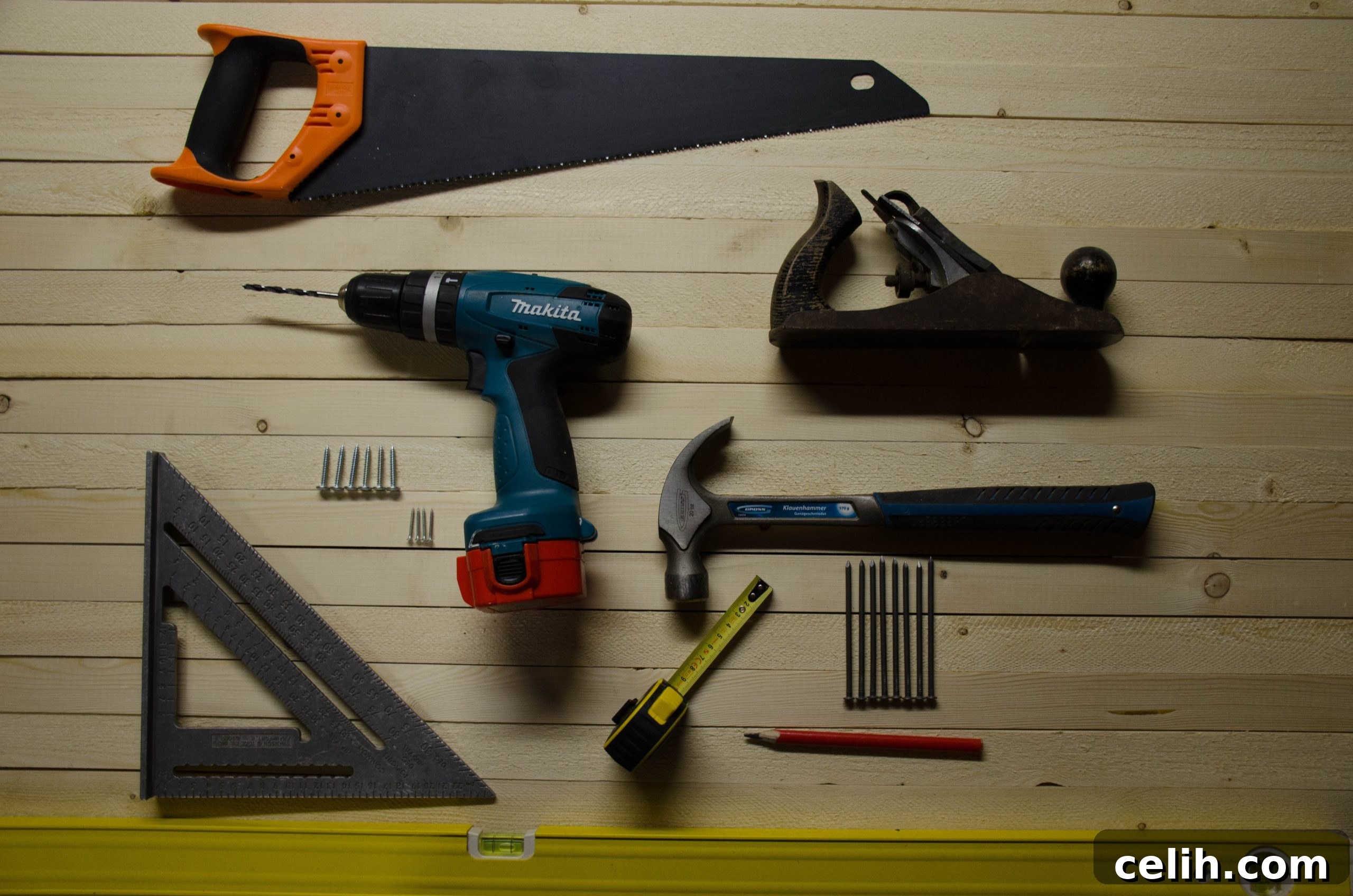
Are you eager to embark on exciting home upcycling DIY projects but wondering if you have the right essential upcycling tools? Upcycling is a fantastic, increasingly popular way to breathe new life into forgotten furniture, revitalize discarded materials, and transform mundane home accessories into unique treasures. Imagine turning an old, rickety chair into a stylish accent piece, a worn-out chest of drawers into a vibrant storage solution, or a dated picture frame into a contemporary mirror. It’s an art form that transforms the old into something new, functional, and often more beautiful, allowing you to create custom pieces that reflect your personal style.
Beyond the creative satisfaction, upcycling offers significant environmental benefits. By diverting items from landfills and giving them a second chance, you contribute to a more sustainable lifestyle, reducing waste and minimizing your carbon footprint. Plus, it’s often a budget-friendly alternative to buying new items, making it a win-win for your wallet and the planet. Whether you’re a seasoned DIY enthusiast or just starting your journey into the world of creative reuse, having the correct tools is paramount to achieving professional-looking results and ensuring a smooth, enjoyable process.
Unlocking Your Potential: Essential Upcycling Tools for Every Project
Before you dive headfirst into your next upcycling project, whether it’s a simple refresh or a complete transformation, it’s crucial to equip yourself with the right arsenal of tools. From basic hand tools that offer precision and control to powerful electric tools that save time and effort, each item plays a vital role in successful upcycling. This comprehensive guide will walk you through the essential upcycling tools you need to build a robust toolkit, ensuring you’re prepared for any furniture upcycling challenge that comes your way. Get ready to transform your ideas into reality with the right equipment!
Pliers and Wrench: The Disassembly Dynamos
When giving old furniture a new lease on life, the first step often involves carefully disassembling components or removing stubborn fixtures. This is where a reliable set of pliers and a sturdy wrench become indispensable. Old screws might be rusted, bolts overtightened, or existing hardware simply difficult to grip. A versatile set of pliers, including long-nose pliers for reaching into tight spaces, flat-nose pliers for gripping flat objects, and cutting pliers for snipping wire or small nails, will be your best friend. A good adjustable wrench, on the other hand, allows you to loosen and tighten nuts and bolts of various sizes, making the removal of old legs, handles, or brackets much easier and preventing damage to the surrounding material. These essential upcycling tools are key for the delicate process of preparing your piece.
Hammer: The Multi-Purpose Powerhouse
No DIY or upcycling toolkit is complete without a trusty hammer. This seemingly simple tool offers immense versatility for a wide array of upcycling tasks. You’ll need it for carefully tapping wooden joints back into place, driving new nails for structural reinforcement, or even for light upholstery work, such as attaching fabric with tacks. A claw hammer is particularly useful, not just for driving nails, but also for its ability to efficiently extract old, bent, or rusty nails without damaging the wood. When selecting a hammer, consider its weight and balance; a comfortable grip will make prolonged use far less fatiguing. It’s a fundamental essential upcycling tool that you’ll reach for again and again.
Screwdriver Set: For Every Fastener
Screwdrivers are another non-negotiable item in your essential upcycling tools list. From dismantling old furniture to attaching new hardware like elegant door handles or robust hinges, you’ll constantly encounter screws of various types and sizes. A comprehensive set that includes both Phillips-head and flat-head screwdrivers in multiple sizes is highly recommended. This ensures you always have the right tool for the right screw head, preventing stripping and frustration. For those tackling larger projects or frequent disassembly, investing in an electric screwdriver can be a game-changer. It significantly speeds up the process of driving and removing numerous screws, reducing manual effort and saving precious time, making it one of the most practical upcycling tools for efficiency.
Drill: Precision and Power
An electric drill is arguably one of the most versatile power tools you can own for upcycling. It’s not just for making holes; with various drill bit attachments, it transforms into a multi-tool capable of driving screws, mixing paint, or even sanding small areas. A combi-drill, which offers both drilling and hammer-drilling functions, provides even greater utility for different materials. This power tool dramatically speeds up numerous upcycling tasks, from creating pilot holes for screws and dowels to installing new hardware or modifying a piece’s structure. Its efficiency allows you to progress quicker through your projects, ensuring cleaner holes and more secure fastenings, solidifying its place among the most essential upcycling tools.
Sandpaper: The Foundation for Flawless Finishes
When it comes to surface preparation, sandpaper is an absolute must-have in your essential upcycling tools kit. Whether you’re working with wood, metal, or even some plastics, sanding is crucial for creating a smooth, even surface that will properly accept new paint, stain, or varnish. Sandpaper comes in various grits, from coarse (for heavy material removal) to fine (for smooth finishing), and having a selection on hand is ideal. It’s inexpensive, incredibly versatile, and particularly effective for tackling awkward corners, intricate carvings, or small areas that power sanders can’t reach. Proper sanding removes old finishes, blemishes, and rough spots, laying the groundwork for a truly professional and durable final result.
Electric Sander: Powering Through Preparation
For larger upcycling projects or pieces that require extensive surface preparation, such as solid wood tabletops, doors, or entire dressers, an electric power sander is an invaluable addition to your essential upcycling tools. While sandpaper is excellent for detail work, a power sander makes light work of removing old paint, varnish, or significant imperfections from broad surfaces. Orbital sanders, detail sanders, and belt sanders each offer unique advantages for different applications. These powerful tools drastically cut down on the time and physical effort required for sanding, allowing you to achieve a perfectly smooth, ready-to-finish surface much more efficiently. Investing in an electric sander means less fatigue and more time for the creative aspects of your upcycling endeavor.
Paint Stripper: Erasing the Past, Embracing the New
Dealing with a piece of furniture that’s buried under layers of old, chipped, or stubborn paint? Paint stripper is an essential upcycling tool for uncovering the original beauty or preparing for a completely new look. The type of stripper you need depends on the thickness and age of the existing finish. Thick, heavy-duty strippers are ideal for multiple layers of paint, while thinner formulas can tackle lingering residues or lighter finishes. The goal is to completely remove all traces of the old coating to ensure proper adhesion and a smooth, flawless finish for your new paint or stain. Always follow the manufacturer’s instructions for safe and effective use, and work in a well-ventilated area. This chemical wizardry ensures your new finish adheres beautifully, creating a truly transformed piece.
Brushes: The Artist’s Touch for Upcycling
Paint brushes are fundamental to your DIY kit and among the most essential upcycling tools. A diverse collection of brushes, ranging from wide brushes for large surfaces to narrow, angled brushes for intricate details and corners, will ensure you have the perfect tool for every application. You’ll use them extensively for applying new coats of paint, delicate varnish layers, or rich wood stains. Different bristle types are suited for different finishes (natural bristles for oil-based paints, synthetic for water-based), so consider having a few options. Proper cleaning and maintenance of your brushes will extend their lifespan and ensure a smooth application every time, making them a worthwhile investment in your upcycling journey.
Craft or Utility Knife: Precision Cutting Power
A sharp craft or utility knife is another versatile and essential upcycling tool that proves incredibly useful for a multitude of tasks. Its precision cutting ability makes it perfect for intricate work that requires a clean, straight edge. You might use it for cutting various thicknesses of cardstock for templates, shaping foam padding for upholstery, trimming fabric with neatness, or even scoring soft wood before a more significant cut. Always ensure you use a fresh, sharp blade for safety and precision, and pair it with a self-healing cutting mat to protect your work surface. This small but mighty tool empowers you to achieve professional-level details in your upcycled creations.
Masking Tape or Duct Tape: Your Temporary Assistant
Masking tape and duct tape might seem simple, but they are undeniably essential upcycling tools in any DIY arsenal. Their uses are endless! Masking tape is invaluable for creating crisp, clean lines when painting, protecting adjacent surfaces from unwanted paint drips, or temporarily holding small components in place while adhesive dries. Duct tape, with its superior strength and adhesion, is perfect for holding larger pieces together during assembly, repairing minor damage before finishing, or even securing protective coverings. Having both types on hand ensures you’re prepared for any situation that requires temporary adhesion, protection, or a quick fix during your upcycling projects, making your life significantly easier.
Paints, Stains, and Finishes: The Soul of Transformation
The choice of paint, stain, polish, or finish is where your creative vision truly comes to life, making these materials as crucial as your essential upcycling tools. From classic chalk paint for a shabby chic look to durable varnishes for protection, or rich wood stains to enhance natural grain, the options are vast. For smaller projects, tester pots can be incredibly cost-effective for experimenting with colors and finishes. Larger pieces will naturally require more product. A smart upcycler never abandons pots with small amounts left; these can be invaluable for touch-ups, mixing custom shades, or tackling future mini-projects. Explore different types – acrylics, enamels, waxes – to discover what best suits your aesthetic and the intended function of your transformed furniture. The right finish not only beautifies but also protects, ensuring your upcycled creation stands the test of time.
Paint Sprayer: For Flawless, Fast Coverage
When faced with expansive surfaces or intricate designs that would be time-consuming to paint by hand, a paint sprayer becomes an exceptional addition to your essential upcycling tools. These devices offer incredibly smooth, even coverage with minimal brush strokes, resulting in a professional, factory-like finish. Various types of paint sprayers exist, from handheld electric models ideal for furniture to larger HVLP (High Volume Low Pressure) systems for more demanding tasks. While they require a bit more setup and cleanup than traditional brushes, the speed and superior finish they provide, especially for large furniture pieces or multiple items, make them a worthwhile investment for serious upcyclers. They significantly reduce painting time and enhance the overall aesthetic of your projects.
Gloves: Protecting Your Hands
Safety should always be a top priority in any DIY endeavor, and a good pair of gloves is an essential upcycling tool for protecting your hands. Depending on the material you’re working with, gloves can shield you from splinters when handling rough wood, prevent irritation from paint strippers and chemicals, or protect against minor cuts and scrapes. Choose gloves that fit snugly but allow for dexterity, ensuring they don’t hinder your grip or fine motor skills, especially when operating power tools. Latex or nitrile gloves are excellent for painting and chemical protection, while thicker work gloves are better for handling rough materials. Keeping your hands safe allows you to focus on the task at hand without worry.
Cloths: Cleanup and Craftsmanship
Don’t underestimate the utility of cloths; they are truly essential upcycling tools for both practical cleanup and enhancing your finishes. Keep a stack of clean cloths handy for wiping up spills, cleaning tools, or applying certain finishes. Old cotton t-shirts, worn-out tea towels, or even mismatched socks can be repurposed into excellent DIY cloths, embracing the spirit of upcycling within your toolkit. For specific techniques, like creating a vintage or shabby chic style, a soft cloth can be used to rub and polish finishes, achieving a beautiful, aged patina. Their versatility extends from basic hygiene in your workspace to contributing to the artistic outcome of your project.
Tape Measure: The Key to Precision
Accuracy is paramount in upcycling projects, making a reliable tape measure or metal ruler an absolutely crucial essential upcycling tool. Whether you’re measuring for new hardware, cutting wood to size, positioning decorative elements, or planning modifications, precise measurements ensure your project fits together perfectly and looks professionally done. Avoid guesswork at all costs! A good quality retractable tape measure, ideally one that can lock in place, will be your constant companion, ensuring that every cut, every placement, and every adjustment is spot on. “Measure twice, cut once” is a golden rule in upcycling, and your tape measure is the enforcer of that rule.
Tool Storage: Organization for Efficiency
Once you’ve diligently gathered all these essential upcycling tools, investing in proper tool storage becomes crucial. A designated storage case, a multi-compartment toolbox, a sturdy workbench with drawers, or a wall-mounted tool organizer in your shed or garage will keep your valuable tools protected, organized, and easily accessible. Not only does this prolong the lifespan of your tools by keeping them clean and dry, but it also saves you immense time and frustration. Imagine starting your next upcycled furniture project and knowing exactly where to find every screwdriver, hammer, or brush. Efficient tool storage transforms your workspace into a productive sanctuary, making every DIY session more enjoyable and streamlined.
Planning Your Upcycling Project: Setting the Stage for Success
Beyond just gathering your essential upcycling tools, thoughtful planning is key to a successful transformation. Start by assessing the piece you want to upcycle. What is its current condition? What are its strengths and weaknesses? Research different styles and techniques that could work with its form. Do you envision a painted finish, a stripped wood look, or perhaps an upholstered update? Gather inspiration from online galleries, magazines, or other upcycling blogs. Create a mood board to define your color palette and overall aesthetic. Before making any cuts or applying any finishes, sketch out your ideas or even create a digital mock-up. This pre-visualization helps prevent costly mistakes and ensures you have a clear roadmap for your project, allowing you to select the right tools and materials for the job from the outset.
Safety First: Essential Precautions in Your Workshop
Working with essential upcycling tools, especially power tools, requires a strong emphasis on safety. Always wear appropriate personal protective equipment (PPE). Safety goggles are non-negotiable when cutting, sanding, or drilling to protect your eyes from flying debris. A dust mask or respirator is vital when sanding, especially old paint, or when spraying paint, to prevent inhaling harmful particles. As mentioned, gloves protect your hands from splinters and chemicals. Ensure your workspace is well-lit and well-ventilated, particularly when using paints, glues, or strippers that emit fumes. Always read the instruction manuals for your tools and chemicals, and never operate tools when fatigued or distracted. A safe environment allows you to focus fully on your creative work and enjoy the upcycling process without incident.
Maintaining Your Essential Upcycling Tools: Longevity and Performance
Your essential upcycling tools are an investment, and proper maintenance will ensure they serve you well for many projects to come. After each use, take a few moments to clean your tools. Wipe down hammers, wrenches, and screwdrivers to remove dust and grime. Clean paint brushes thoroughly with appropriate cleaners and reshape them before drying. Empty dust bags from sanders and clean drill bits. Store tools in a dry environment to prevent rust; a light coat of oil on metal tools can also help. Keep blades sharp on knives and saws for optimal performance and safety. Regularly inspecting your tools for wear and tear can help you address issues before they become major problems, extending their lifespan and ensuring they are always ready for your next creative endeavor.
Budgeting for Your Upcycling Adventure: Smart Shopping for Tools and Materials
One of the beauties of upcycling is its cost-effectiveness, and this extends to acquiring your essential upcycling tools and materials. You don’t need to break the bank to build a robust toolkit. Start with the most fundamental hand tools and gradually add power tools as your projects become more ambitious. Look for deals at local hardware stores, especially during sales events. Second-hand markets, charity shops, online marketplaces, and car boot sales are treasure troves for finding good quality, pre-loved tools at a fraction of the cost. Many people get rid of perfectly functional tools they no longer need. For materials like paints and finishes, consider buying tester pots for small projects or using leftover supplies from other DIY tasks. Smart budgeting allows you to pursue your passion for upcycling without financial strain, making it accessible to everyone.
Embrace the Journey: The Rewarding World of Upcycling
Hopefully, this comprehensive guide has illuminated the path to equipping your workshop with all the essential upcycling tools you’ll need. Remember, you don’t have to acquire everything at once; your toolkit can grow and evolve with your skills and projects. The true joy of upcycling lies not just in the finished piece, but in the entire creative process – the challenge, the learning, and the immense satisfaction of transforming something old into something wonderfully new. It might require a bit of elbow grease, some patience, and a willingness to learn, but the reward of creating unique, personalized home decor items while contributing to a greener planet is immeasurable. So gather your tools, unleash your creativity, and embark on your rewarding upcycling journey. The world of DIY awaits your innovative touch!