
Harris Tweed: A Timeless Scottish Luxury Fabric Reimagined for Modern Living
What image does the revered name ‘Harris Tweed’ conjure up for you? For many, the initial thought might drift to images of rustic country pursuits – perhaps an association with the traditional ‘hunting, shooting, and fishing’ aesthetic. While this iconic fabric certainly has deep roots in such heritage, prepare to be surprised. Harris Tweed has elegantly reinvented itself, transcending its traditional confines to become a top-tier luxury fabric, gracing smart homes and high-fashion runways alike. From exquisitely crafted cushions that add a touch of heritage to contemporary sofas, to sophisticated handbags and chic apparel, Harris Tweed is no longer just a fabric; it’s a statement of enduring style, authenticity, and unparalleled craftsmanship.
This remarkable transformation highlights Harris Tweed’s adaptability and timeless appeal. It’s a fabric that seamlessly blends rugged durability with refined elegance, making it a coveted material for discerning individuals worldwide. Join us as we delve into the rich history and vibrant present of Harris Tweed, exploring its unique origins, the rigorous standards that uphold its integrity, and its exciting resurgence in the realms of modern interior design and luxury fashion.
The Enduring Legacy of Harris Tweed: A Journey Through Time
The Authentic Definition and Origins: Crafted in the Outer Hebrides
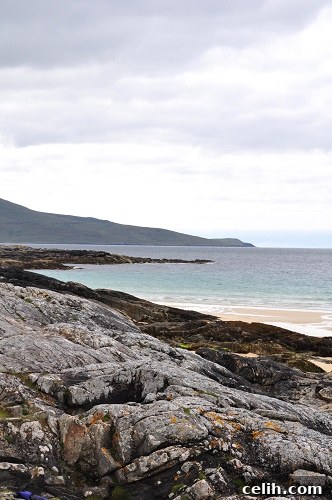
The story of Harris Tweed is inextricably linked to the rugged, windswept landscapes of Scotland’s Outer Hebrides. The name ‘Harris Tweed’ is not merely a brand; it is a legally protected designation, strictly controlled by an Act of Parliament. To qualify as genuine Harris Tweed, the cloth must be hand-woven by islanders in their homes in the Outer Hebrides – specifically on the islands of Lewis, Harris, Uist, and Barra. Furthermore, it must be made from 100% pure virgin wool, dyed, spun, and finished in the Outer Hebrides. This stringent definition ensures that every metre of Harris Tweed carries the authentic essence of its island home, preserving a centuries-old craft that is unique to this remote corner of the world.
The islands boast a long, proud history of weaving, deeply embedded in the local culture. Generations of islanders have honed their skills, initially using wool shorn from local sheep and dyed with natural vegetable dyes derived from plants found across the moors and crofts. This traditional process, which has evolved but retained its core principles, ensures that each thread tells a story of the land and the hands that crafted it. The rich, earthy tones and subtle patterns inherent in Harris Tweed often mirror the stunning natural colours of the Western Isles themselves – the heather, peat, sea, and sky – creating a fabric that is as beautiful as its origin story.
The Birth of an Icon: Lady Dunmore’s Vision
While the tradition of weaving on the islands dates back centuries, the cloth as we recognise it today truly began to gain prominence in the mid-19th century. A pivotal figure in this narrative was Lady Dunmore, the widowed Countess of Dunmore, who owned much of the Isle of Harris. Captivated by the exceptional quality and distinctive character of the local tweed, Lady Dunmore commissioned island weavers to recreate her clan tartan using this unique fabric. She was so utterly delighted with the results – the rich texture, durability, and natural beauty of the tweed – that she saw its immense potential beyond local use.
Driven by her enthusiasm and influence, Lady Dunmore began to actively market the fabric to her aristocratic friends and contacts across the United Kingdom. This visionary move marked the beginning of Harris Tweed’s journey from a humble local craft to a sought-after luxury item. The fabric quickly caught the attention of the fashionable elite, who appreciated its robustness, warmth, and distinctive appearance. Soon, the name of Harris Tweed began to echo through the grand country estates and fashionable drawing rooms of Victorian Britain, setting the stage for its future as an international symbol of quality and style.
Safeguarding Authenticity: The Harris Tweed Orb Mark
As the reputation of Harris Tweed grew, so did its allure. Because all the cloth was meticulously made entirely by hand by skilled individual weavers, supply naturally remained limited. This scarcity further enhanced its desirability, transforming it into the ultimate ‘must-have’ fabric among the upper echelons of society. Several famous socialites and public figures proudly championed Harris Tweed, cementing its status as a symbol of discerning taste and understated luxury. This burgeoning success, however, also brought challenges.
By 1906, the popularity of the cloth had become so widespread that cheaper, inferior imitations began to flood the market, threatening the integrity and authenticity of the genuine article. To combat this crucial issue and protect the heritage of the fabric, the Harris Tweed Association was founded. This organisation, later renamed the Harris Tweed Authority, was established with a singular, vital mission: to verify each piece of fabric produced. If a piece of tweed met the rigorous standards of authenticity – ensuring it was hand-woven, dyed, spun, and finished in the Outer Hebrides from pure virgin wool – it would be stamped with the now-famous Harris Tweed Orb Mark. This iconic Orb, depicting a globe with a Maltese cross, became the ultimate guarantee of genuine Harris Tweed, assuring consumers of its quality, origin, and adherence to traditional methods, thereby distinguishing it from all counterfeits.
A Pillar of the Community: Industrialization and Innovation
The Harris Tweed industry quickly became a lifeline for the remote and often economically challenged communities of the Outer Hebrides. It provided a vital source of income and work, involving a significant portion of the islands’ population in its various stages, from shearing to dyeing to weaving. The industry fostered a strong sense of community and pride, as families passed down weaving skills through generations, ensuring the craft’s continuity.
A significant technological advancement that further boosted production came in the 1920s with the introduction of the Hattersley domestic loom. This semi-automatic loom allowed weavers to produce cloth more efficiently while still working from their homes, maintaining the crucial ‘hand-woven’ aspect of the fabric. Over 1,000 of these looms were sold to islanders, transforming cottage industries and enabling more families to participate in the lucrative trade. By the 1930s, the industry saw another important evolution. While the cloth still had to be made on the islands and hand-woven by islanders, the Harris Tweed Authority permitted the use of mill-spun yarn in addition to the traditional handspun variety. This change dramatically increased production capacity, allowing the industry to meet growing global demand without compromising the hand-woven integrity. This era also saw the emergence of small producers employing several weavers, moving away from the previous model where each weaver typically spun and wove their yarn individually, marking a new phase of growth and collaboration for the industry.
Global Recognition and Modern Challenges
The mid-20th century marked the zenith of Harris Tweed’s popularity. By the 1960s, annual production had soared to over 7.5 million yards, with the fabric being exported all over the world. Harris Tweed was no longer just a British luxury; it had become an international phenomenon, recognised for its unmatched quality and distinctive style. Its exceptional durability and warmth made it the fabric of choice for adventurers and explorers – famously worn by those who climbed Mount Everest and embarked on daring sailing expeditions. Simultaneously, its unique texture and sophisticated patterns made it fashionable on the global stage, even gracing the Hollywood red carpet, proving its versatility from rugged terrain to high society.
However, the tides of fashion are ever-changing. By the 1980s, sales began to decline as tastes shifted towards lighter, more modern fabrics, and the traditional appeal of tweed temporarily waned. The industry faced significant challenges, adapting to new consumer preferences and competing with a surge of synthetic materials. Yet, Harris Tweed, with its deep roots and resilient spirit, was not to be defeated. The 1990s brought a crucial revival, spurred by innovation. The introduction of double-width handlooms allowed weavers to produce larger pieces of cloth, better suited to the demands of contemporary fashion and interior design markets. This strategic adaptation breathed new life into the industry, demonstrating Harris Tweed’s enduring capacity to evolve while staying true to its heritage. Today, it continues to thrive, celebrated globally for its unique blend of tradition, quality, and adaptability.
Harris Tweed in the Modern World: A Symphony of Style and Sustainability
Contemporary Applications and Design
Fast forward to today, and Harris Tweed has triumphantly shed any lingering perceptions of being solely a fabric for traditionalists. It has cemented its status as a highly sought-after material in luxury markets worldwide, showcasing an impressive versatility that extends far beyond classic apparel. You’ll now find Harris Tweed gracing an astonishing array of products, from bespoke furniture upholstery that adds texture and warmth to contemporary living spaces, to high-end fashion accessories that exude sophisticated charm. Beyond these, its robust nature makes it perfect for durable items like stylish dog leads and collars, ensuring even the country’s smartest pooches can sport genuine Scottish heritage.
Leading designers in fashion, interior design, and even the automotive industry are increasingly incorporating Harris Tweed into their collections. Its rich textures, nuanced colour palettes inspired by the Scottish landscape, and inherent durability make it an ideal choice for creating pieces that are both timeless and contemporary. Whether it’s a striking blazer, a sophisticated handbag, or a plush armchair, Harris Tweed elevates any product it adorns, bringing with it a narrative of artisanal skill and authentic heritage.
Why Choose Harris Tweed? Unrivalled Quality and Conscious Living
Choosing Harris Tweed is more than just a style preference; it’s an investment in quality, sustainability, and a rich cultural narrative. Here’s why this remarkable fabric stands out:
- Unmatched Durability: Woven from pure virgin wool, Harris Tweed is exceptionally hard-wearing and resilient. It withstands the test of time, resisting wear and tear, making it perfect for items intended to last for generations, from heirloom furniture to cherished garments.
- Sustainable and Ethical: In an era where conscious consumption is paramount, Harris Tweed shines as a sustainable choice. It’s made from a natural, renewable fibre – sheep’s wool – processed using traditional methods that minimise environmental impact. The local production process supports island communities and reduces the carbon footprint, embodying true ethical craftsmanship.
- Timeless Aesthetics: The unique patterns, depth of colour, and distinct texture of Harris Tweed offer an aesthetic that is both classic and contemporary. It effortlessly blends into various design schemes, adding a touch of rustic elegance, modern sophistication, or traditional charm.
- Comfort and Performance: Wool is naturally breathable, warm in winter, and surprisingly cool in warmer weather. It’s also naturally water-resistant and regulates temperature, making Harris Tweed garments comfortable in diverse climates and furnishings practical for everyday use.
- A Story in Every Thread: Every metre of Harris Tweed carries the legacy of the Outer Hebrides – the skill of the weavers, the purity of the wool, and the beauty of the landscape. Owning a Harris Tweed item means owning a piece of history and supporting a unique, living craft tradition.
Styling Harris Tweed in Your Home: A Touch of Scottish Elegance
Incorporating Harris Tweed into your home decor is an excellent way to introduce texture, warmth, and a sophisticated narrative. Whether your style is rustic, modern minimalist, or classic, Harris Tweed offers versatility:
- Upholstery: A Harris Tweed armchair or sofa can become the focal point of a living room, offering unparalleled comfort and a distinctive visual appeal. Its durability makes it ideal for high-traffic areas.
- Cushions and Throws: For a less committal approach, scatter Harris Tweed cushions on a sofa or bed. A luxurious throw draped over an armchair adds an inviting layer of texture and warmth.
- Wall Art and Accessories: Framed pieces of Harris Tweed can make unique wall art. Consider incorporating smaller items like desk tidies, lamp shades, or even placemats to bring subtle touches of this exquisite fabric into your space.
- Mixing Textures: Harris Tweed pairs beautifully with other natural materials like rich leather, warm woods, polished metals, and soft linens. This interplay of textures creates a layered, inviting, and visually rich environment.
- Colour Palettes: Let the natural hues of Harris Tweed guide your palette. Earthy greens, deep blues, charcoal greys, and heather purples can inspire a calming, sophisticated, and authentically Scottish atmosphere.
Featured Harris Tweed Products: Elegance for Every Aspect of Life
Today’s market is rich with innovative designs that showcase the beauty and versatility of Harris Tweed. From stylish pet accessories to unique home decor, here are some picks that exemplify the fabric’s timeless appeal and modern application:
1. Herringbone Mix Harris Tweed Dog Lead by My McDawg
For the sophisticated canine companion, this herringbone mix Harris Tweed dog lead is a testament to both style and strength. Individually handmade with meticulous attention to detail, this lead features authentic Harris Tweed, celebrated for its durability and distinct aesthetic. It is thoughtfully lined with robust moleskin fabric, ensuring exceptional strength and comfort for both pet and owner, making it a reliable accessory for years to come. Each lead carries a ‘genuine Harris Tweed’ label, guaranteeing its authenticity and quality. Priced at £24.95, it’s a perfect blend of luxury and practicality for your beloved pooch. Available from My McDawg.
2. Harris Tweed Clock in Macleod Tartan by Juniper and Jane
Inject a touch of quirky charm and Scottish heritage into your home with this unique Harris Tweed clock. Handcrafted with precision in Scotland, this timepiece is more than just a functional item; it’s a genuine conversation starter. Featuring the distinctive Macleod tartan pattern, it elegantly showcases the rich colours and texture of authentic Harris Tweed. The clock proudly bears a ‘genuine Harris Tweed’ label, providing assurance of the fabric’s origin and adherence to the strict quality standards of the Harris Tweed Authority. At £49.95, this exquisite clock from Juniper and Jane offers a blend of traditional craftsmanship and contemporary design, making it a perfect gift or a stylish addition to any room.
3. Harris Tweed Hip Flask by SWIG
Elevate your outdoor pursuits or social gatherings with the ultimate accessory for the discerning individual: an official Harris Tweed hip flask by SWIG. This sophisticated flask combines functionality with undeniable style, featuring a premium stainless steel flask encased in a bespoke pouch of luxurious Harris Tweed. Designed to hold up to 170ml (6oz) of your favourite tipple, it boasts a flat bottom for stable upright standing. Each flask is meticulously handmade on the picturesque Isle of Skye, utilising exclusive Harris Tweed fabric sourced directly from the renowned weavers and mills on the Isle of Lewis and Harris in the Outer Hebrides of Scotland. This ensures unparalleled authenticity and craftsmanship. Priced at £69, it’s an exquisite blend of Scottish heritage and practical elegance. Available from LimeLace.
Conclusion: The Enduring Allure of Harris Tweed
From its humble beginnings as a practical cloth woven by crofters in the remote Outer Hebrides to its current status as a global luxury icon, Harris Tweed’s journey is a remarkable testament to tradition, resilience, and unwavering quality. It’s a fabric that encapsulates the spirit of Scotland – rugged, beautiful, and enduring. Its reinvention for the modern age, embracing contemporary design while fiercely guarding its authentic hand-woven heritage, ensures its relevance and appeal for generations to come. Whether adorning high fashion, furnishing elegant homes, or accompanying daily adventures, Harris Tweed remains a symbol of sophisticated craftsmanship and a conscious choice for those who appreciate true luxury woven with a story.