
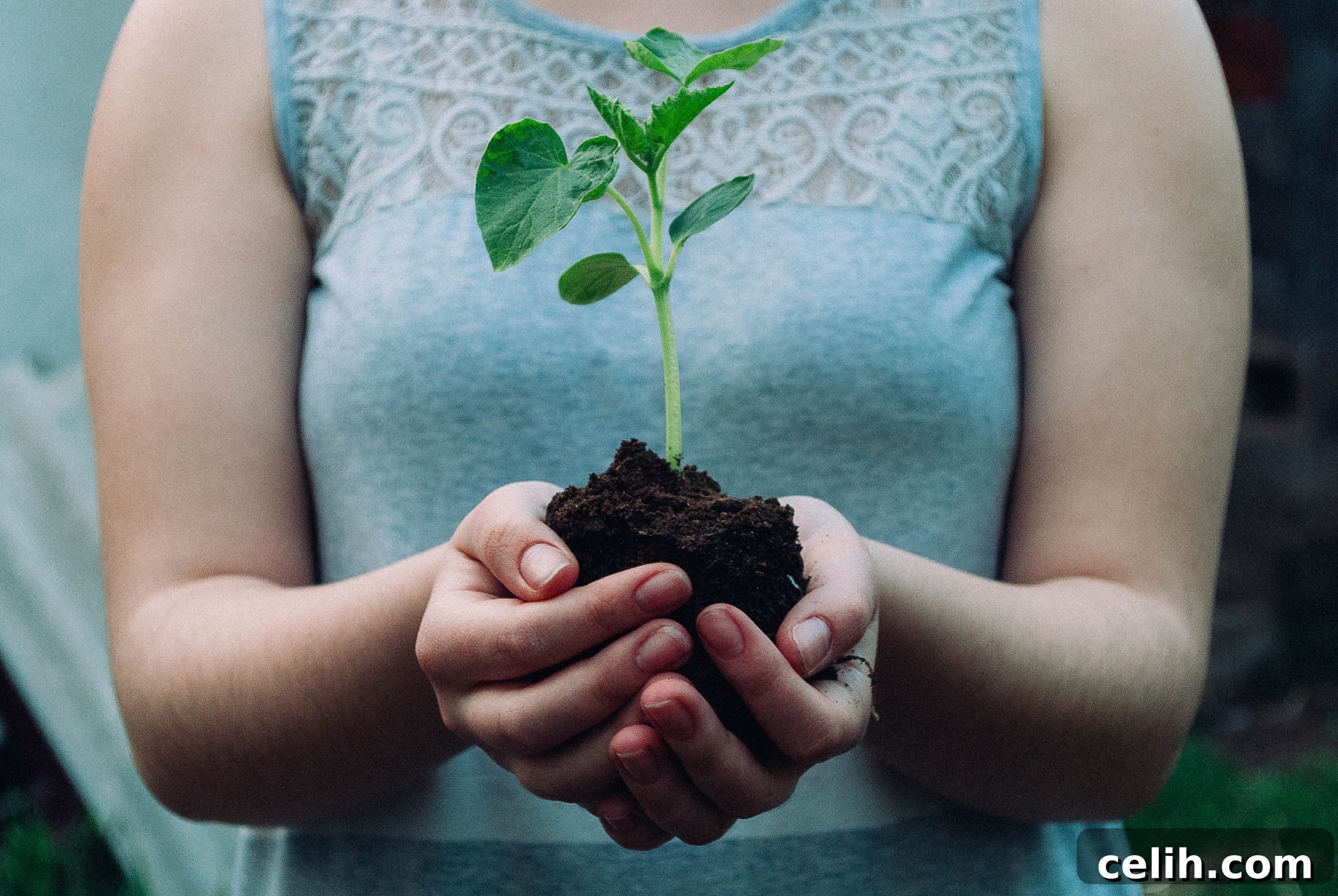
In our increasingly demanding and fast-paced world, the pursuit of well-being has become more critical than ever. While many recognize gardening as an excellent form of physical exercise, its profound and often underestimated impact on mental health deserves far greater attention. Modern life frequently subjects us to prolonged periods of stress, a state that can subtly erode our cognitive functions, manifesting as memory issues, difficulty concentrating, and heightened irritability. It’s a common misconception that mental health struggles exist in isolation, separate from our physical condition. However, the intricate connection between mind and body is undeniable: can mental health affect physical health?
Indeed, scientific consensus firmly establishes that poor mental health can significantly heighten the risk of developing a myriad of serious physical ailments. These include cardiovascular diseases, diabetes, stroke, and even a compromised immune system, leaving the body more vulnerable to illness. Fortunately, engaging with nature through gardening offers a potent and accessible remedy to counteract the detrimental effects of stress and provide a much-needed revitalizing boost to your mental well-being. Beyond the obvious aesthetic rewards, the act of cultivating life in a garden offers a sanctuary for the mind, a space where therapeutic benefits blossom alongside your plants.
Cultivating Calm: Gardening as a Powerful Stress Reducer
The link between physical activity and stress reduction is well-documented, and gardening stands as an excellent example of this principle in action. The gentle exertion involved in gardening – from bending and stretching to digging and lifting – provides light-to-moderate physical exercise that helps release endorphins, the body’s natural mood elevators. This active engagement offers a healthy outlet for pent-up energy and emotional tension, allowing the body and mind to unwind.
Beyond the physical aspect, tending to a garden inherently requires a consistent, daily routine. This commitment, whether it’s watering seedlings in the morning or checking on ripening fruits in the evening, instills a profound sense of purpose and structure. In a world often characterized by uncertainty, a predictable routine can be a powerful antidote to general anxiety, providing a comforting framework and something positive to anticipate each day. The rhythmic, repetitive tasks central to gardening – such as the careful act of weeding, the gentle cascade of water, the deliberate motion of digging, or the precise snip of pruning shears – are inherently meditative. These actions encourage a state of “flow,” where you become deeply absorbed in the present moment, pushing worries and external pressures to the background.
This immersion offers a golden opportunity to practice mindfulness. As you engage with your garden, intentionally shift your focus to the sensory symphony surrounding you. Listen intently to the soothing sound of water droplets hitting leaves, the gentle rustle of branches in the breeze, or the cheerful chirping of birds. Breathe deeply and savor the rich, earthy aroma of the soil, the sweet fragrance of blooming flowers, or the pungent scent of fresh herbs. Feel the warmth of the sun on your skin as it naturally infuses your body with vital Vitamin D, and the unique textures of leaves, soil, and bark beneath your fingertips. Gardening allows you to fully immerse yourself in a delightful array of natural sights, sounds, and scents, creating a tranquil retreat where you can momentarily forget the stresses and anxieties of daily life. This sensory engagement acts as a form of grounding, reconnecting you with the earth and fostering a deep sense of peace.
Nourishing Body and Mind: The Nutritional Benefits of Homegrown Produce
While the immediate sensory and routine benefits of gardening are evident, its contribution to mental health through nutrition is a critical, yet often overlooked, component. Our brains are incredibly complex organs, requiring a steady supply of high-quality nutrients to function optimally. Emerging research in nutritional psychiatry shows a direct and powerful link between the consumption of fresh, whole foods, rich in essential vitamins, minerals, and antioxidants, and improved brain function, mood regulation, and cognitive health. Planting a small vegetable or herb garden is not merely a gratifying pastime; it provides a continuous supply of nutrient-dense foods for yourself and your family – produce that you have meticulously planted, nurtured, and harvested with your own hands. This direct connection to your food source offers immense peace of mind, knowing exactly what you’re consuming.
Furthermore, cultivating some of your own produce at home offers a significant practical advantage: cost savings at the grocery store. In an era of fluctuating and often inflated food prices, reducing your grocery bill can alleviate a considerable amount of financial stress. The self-sufficiency derived from growing your own ingredients fosters a sense of security and resilience, knowing that a variety of fresh, nutritious foods are readily available right in your own backyard. This independence empowers you to make healthier choices and enhances your overall sense of well-being, contributing positively to your mental state by removing a common source of daily worry.
Beekeeping: A Buzzing Addition to Your Garden Therapy
Beyond traditional gardening, incorporating beekeeping into your routine can profoundly enhance your mental well-being and deepen your unique connection to the natural world. Beekeeping is more than just a hobby; it’s a commitment to supporting local ecosystems by promoting essential pollination, which in turn boosts biodiversity and the health of your garden. Moreover, the practice introduces a remarkably calming and rhythmic routine, echoing the therapeutic benefits found in other gardening activities. The gentle, consistent hum emanating from the hives creates a natural soundscape that can be incredibly meditative, drawing your focus inward and away from daily distractions.
The meticulous process of tending to beehives, which includes tasks such as inspecting frames, ensuring the bees have enough space, and providing them with nutritious bee feed during lean times, demands focused attention and a gentle touch. This concentration fosters a powerful form of mindfulness, encouraging you to be fully present and aware of your actions and the intricate life within the colony. Observing the complex social structure and industrious nature of bees can be fascinating and provides a unique perspective on collaboration and dedication within the natural world. This engagement with such a vital species naturally cultivates a profound sense of purpose and accomplishment, as you take on the responsibility of nurturing and caring for your bee colony.
The sweet reward of harvesting your own honey adds an extraordinary dimension to the beekeeping experience. Beyond being a delicious, natural, and highly nutritious food source, the honey represents the culmination of your efforts and the harmonious relationship you’ve fostered with your bees. It instills a deep sense of pride in your sustainable practices and offers a tangible connection to the bounty of nature. Embracing beekeeping as an extension of your gardening routine provides an enriching pathway to enhanced mental health, further stress reduction, and an even deeper, more meaningful connection with the environment. It’s an activity that nurtures both the natural world and your inner peace.
Nature’s Embrace: The Healing Power of the Outdoors
The scientific community increasingly validates what many intuitively know: spending time in nature is profoundly beneficial for mental health. Numerous studies consistently demonstrate that increased exposure to natural environments is an effective strategy for reducing symptoms of both depression and anxiety. This recognition has even led to the development of formal therapeutic approaches, such as ecotherapy. Ecotherapy leverages the inherent healing power of nature to alleviate anxiety, combat stress, and provide significant support for individuals experiencing mild to moderate depression. By immersing ourselves in green spaces, we tap into our innate biophilia, our deep-seated connection to other living systems, which can profoundly improve mood and foster feelings of calm and profound relaxation.
A significant, yet often underestimated, benefit of gardening and spending time outdoors is the daily boost of Vitamin D you receive from natural sunlight exposure. Vitamin D is not merely crucial for bone health; it plays an indispensable role in maintaining robust mental health. Research indicates that this vital nutrient influences brain function, particularly concerning mood regulation and the production of neurotransmitters like serotonin. Interestingly, a deficiency in Vitamin D often presents with symptoms that closely mimic those of depression, including fatigue, low mood, and reduced cognitive function. Ensuring adequate levels of Vitamin D through consistent, safe sun exposure while gardening can significantly help to mitigate these debilitating symptoms, contributing to overall mental resilience and a brighter outlook.
Beyond the biochemical benefits, nurturing your connection to nature in a garden fosters a deeper appreciation for life cycles and seasonal changes. Observing a seed sprout, a bud unfurl, or a fruit ripen instills patience, hope, and a sense of wonder. This direct interaction with the living world can reduce feelings of isolation, enhance feelings of belonging, and offer a powerful reminder of nature’s enduring beauty and regenerative power. Gardening provides a purposeful and satisfying hobby that seamlessly helps you reconnect with the natural world, allowing you to fully embrace all the physical and mental health benefits it has to offer. So, this spring, why not take a step towards improved well-being? Try your hand at gardening and cultivate not just plants, but a tranquil oasis right in your own backyard, transforming your outdoor space into a sanctuary for your mind and spirit.