
Natural Swimming Pond vs. Traditional Pool: Designing Your Dream Garden Oasis
When envisioning your ideal outdoor sanctuary, the choice between a natural swimming pond and a traditional swimming pool is pivotal. Each option offers a distinct experience, influencing not only the visual appeal of your garden but also your lifestyle and connection to nature. Whether you dream of crystal-clear, chlorinated water for classic laps or a serene, chemical-free oasis teeming with life, understanding the core differences is key to making an informed decision for your backyard haven.
Traditional pools epitomize the familiar swimming experience, characterized by their structured design and chemically treated water that ensures sterility and clarity. In stark contrast, a natural swimming pond, such as those masterfully crafted by Ponds by Michael Wheat, transforms your garden into a peaceful, ecologically balanced retreat. It’s more than just a place to swim; it’s a vibrant ecosystem that harmonizes with its surroundings, offering a sustainable and refreshing alternative.
This comprehensive guide will delve into the critical distinctions between these two popular garden water features. We’ll explore their design philosophies, ecological impact, health benefits, maintenance requirements, and overall aesthetic contributions, helping you determine which option best aligns with your vision for the perfect outdoor space.
Understanding the Core Concepts
To effectively compare natural swimming ponds and traditional pools, it’s essential to grasp their fundamental characteristics, from water purification methods to overall functionality.
What Defines Natural Swimming Ponds?
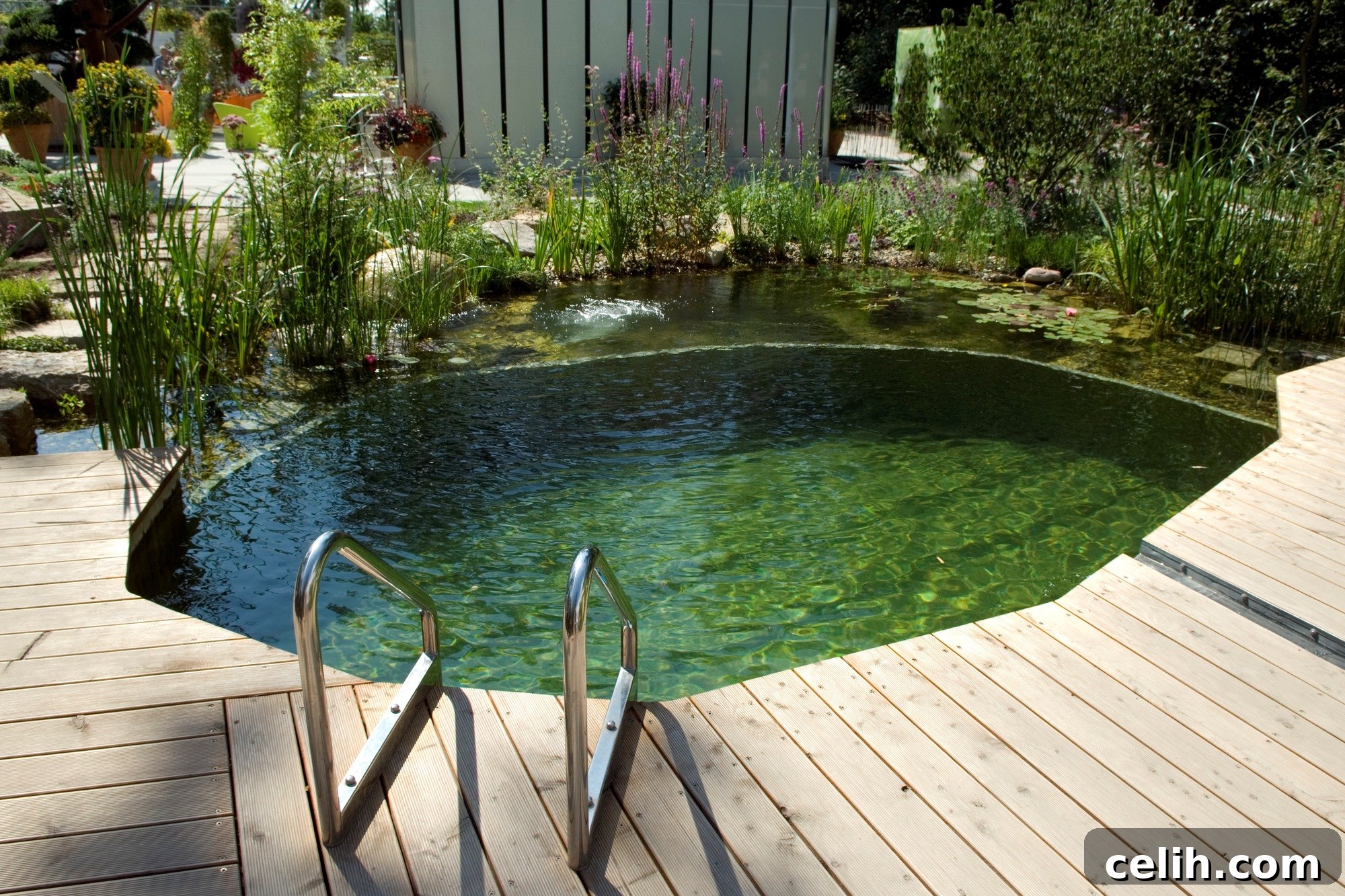
Natural swimming ponds, often referred to as biopools or eco-pools, are revolutionary in their approach to water purification. Unlike conventional pools, they completely eliminate the need for harsh chemicals like chlorine. Instead, these innovative aquatic systems leverage the power of nature, relying on a meticulously designed ecosystem of aquatic plants, beneficial microorganisms, and biological filtration zones to keep the water sparkling clean and safe for swimming. This self-sustaining purification process ensures the water is naturally balanced, healthy, and crystal clear without artificial intervention.
A typical natural swimming pond is thoughtfully divided into two primary sections: the designated swimming zone and the regeneration zone. The regeneration zone, often a shallower area brimming with carefully selected aquatic plants, acts as the pond’s living filtration system. Here, plants actively absorb excess nutrients from the water, starving algae of their food source and preventing unsightly blooms. Simultaneously, beneficial bacteria colonize the surfaces of plants and substrate, breaking down organic matter and further enhancing water clarity. This symbiotic relationship not only provides a refreshing, chemical-free swimming experience but also significantly enhances the aesthetic value of your garden, seamlessly blending with the natural landscape. Opting for a natural swimming pond means embracing an eco-friendly alternative that serves as both a functional swimming area and a captivating ornamental feature, enriching your outdoor living space with unique charm and biodiversity.
What Are Traditional Pools?
Traditional swimming pools represent the most widely recognized form of recreational water feature. They are defined by their reliance on chemical disinfectants, primarily chlorine, to sanitize the water and prevent the growth of bacteria and algae. These pools typically feature robust mechanical filtration systems, including pumps and filters, which work in conjunction with chemical treatments to maintain pristine water quality.
The design of traditional pools is often straightforward and functional, prioritizing clear, open spaces for swimming and relaxation. Common construction materials include concrete (gunite or shotcrete), fiberglass, and vinyl liner, each offering different levels of customization and durability. While traditional pools deliver an immediate, predictable swimming environment, they demand consistent maintenance. This involves routine chemical balancing, regular cleaning of surfaces, and periodic backwashing or replacement of filters to ensure the water remains safe, clear, and inviting. If your preference leans towards a classic, structured aesthetic with defined edges and consistently sparkling water, a traditional pool might be your ideal choice. However, it’s crucial to account for the ongoing commitment to chemical treatments, operational costs, and regular maintenance required to preserve its condition and water purity.
Design and Aesthetic Appeal
The visual impact of your chosen water feature is paramount, heavily influencing the overall ambiance and character of your outdoor living space. Both natural swimming ponds and traditional pools offer distinct aesthetic pathways, catering to diverse garden designs and personal preferences.
The Serene Beauty of Swimming Ponds
When conceiving a natural swimming pond, the integration of aquatic plants is not merely decorative; it is fundamental to both the pond’s ecological function and its aesthetic harmony. These plants—ranging from marginal reeds and rushes to submerged oxygenators and elegant water lilies—are essential for maintaining water clarity and health. They also soften the pond’s edges, creating a seamless transition from water to land.
Natural ponds are typically characterized by their organic, irregular shapes, deliberately designed to emulate the tranquility and charm of natural bodies of water found in the wild, such as idyllic lakes or meandering streams. They often incorporate varied depths, featuring shallow sunning areas perfect for plant growth and gradual slopes leading to deeper swimming zones. This architectural flexibility allows for creative landscaping, where native plants, strategically placed boulders, and naturalistic pathways can be integrated to foster an immersive and cohesive environment. The result is a peaceful, unpretentious atmosphere that makes your garden feel like a genuine, untouched oasis, offering visual interest throughout the seasons as the aquatic flora evolves and changes.
The Classic Elegance of Traditional Pools
Traditional pools are renowned for their clean, precise lines and geometrically defined shapes, which often include rectangles, ovals, kidneys, or freeform designs. These structural forms lend themselves to a more contemporary or classically manicured garden aesthetic, fitting effortlessly into both modern minimalist landscapes and more ornate, traditional settings. Their distinct architectural presence often makes them a commanding focal point within the garden.
To elevate the visual allure of a traditional pool, a wealth of design enhancements is available. Consider luxurious finishes such as intricate mosaic tiles, polished stone coping, or sophisticated aggregate plaster finishes that shimmer in the sunlight. Surrounding the pool with premium decking materials—be it elegant natural stone, warm hardwood, or low-maintenance composite—can extend the living space and provide comfortable lounging areas. Furthermore, advanced lighting systems, including LED color-changing lights or subtle underwater illumination, can transform the pool into a captivating spectacle after dusk, adding a touch of drama and luxury. Features like vanishing or infinity edges, integrated waterfalls, or custom spa sections can further heighten the pool’s aesthetic impact, turning it into a truly bespoke centrepiece of your outdoor entertainment area.
Ecosystem and Biodiversity
One of the most compelling advantages of natural swimming ponds is their profound contribution to the local environment. They transcend mere recreational facilities, evolving into vibrant ecosystems that foster biodiversity and seamlessly integrate your pool into the natural world. This integration not only transforms your garden into a dynamic haven for wildlife but also supports a finely tuned, self-regulating web of life.
Supporting a Balanced Ecosystem
At the heart of a natural swimming pond’s success lies the establishment and meticulous maintenance of a balanced ecosystem. These innovative ponds rely on a sophisticated interplay of beneficial bacteria and carefully selected aquatic plants to perform their natural purification functions, offering a genuinely chemical-free swimming solution.
- Beneficial Bacteria: These microscopic powerhouses colonize the gravel, substrate, and plant roots within the regeneration zone. They are indispensable for breaking down organic material—such as leaves, pollen, and debris—into harmless compounds. This natural decomposition process reduces waste buildup, prevents nutrient overload, and is crucial for maintaining clear, healthy water without the introduction of artificial chemicals.
- Aquatic Plants: The diverse array of aquatic plants within the regeneration zone plays a multi-faceted role. They actively absorb excess nitrates and phosphates from the water, which are primary nutrients for undesirable algae growth. By outcompeting algae for these resources, they effectively keep the water clear. Furthermore, these plants provide essential oxygenation, offer vital habitat and shelter for a myriad of smaller creatures, and contribute significantly to the pond’s aesthetic appeal, making it a truly living landscape feature.
Over time, your natural swimming pond will attract a fascinating array of local wildlife. From graceful dragonflies and busy damselflies hovering over the water to playful frogs, newts, and various insects, these creatures become integral members of the pond’s ecosystem. Birds may also visit for a drink or a quick bath. This flourishing biodiversity not only enhances the sensory experience of your garden but also provides natural pest control, further reducing the need for human intervention.
Promoting Biodiversity in Your Garden
Natural swimming ponds are unparalleled in their ability to significantly increase biodiversity within your garden, standing in stark contrast to traditional chlorinated pools which, by design, are less hospitable to wildlife.
- Wildlife Attraction: The creation of a clean, natural water body acts as a magnet for a wide spectrum of wildlife. Birds will flock to drink and bathe, dragonflies and damselflies will hunt insects and lay eggs, and amphibians like frogs and newts will find ideal breeding grounds and shelter. Even small mammals may visit, drawn by the new water source and habitat, transforming your garden into a lively hub of natural activity.
- Regeneration Zones as Sanctuaries: These vital areas, densely planted with a variety of aquatic flora, serve as crucial microhabitats. They not only perform the essential task of water purification but also provide abundant food, shelter, and breeding sites for numerous species. The complex root systems offer refuge for aquatic invertebrates, while the emergent plants offer perching spots and protection from predators for insects and amphibians.
- Ecological Harmony: The careful selection and diversity of plants ensure that different types of animals find suitable niches and resources, fostering a robust and resilient ecosystem. This ecological richness contributes to the overall health of your local environment and provides endless opportunities for nature observation and learning.
By investing in a natural swimming pond, you are making a conscious choice to encourage a harmonious relationship between humans and the natural world. You are not just building a place to swim; you are cultivating a thriving, vibrant ecosystem that enriches both your garden and the broader ecological community.
Health and Wellness Benefits
The choice between a natural swimming pond and a traditional pool extends beyond aesthetics and ecology; it profoundly impacts your personal health and overall wellbeing. Natural ponds offer a unique opportunity for a chemical-free swimming experience, significantly reducing your exposure to potentially irritating substances like chlorine and its byproducts.
Advantages of Chemical-Free Swimming
Natural swimming ponds present a truly refreshing and healthier alternative to traditional pools by completely eliminating the reliance on synthetic chemicals for water purification.
- No Chemical Irritants: One of the most immediate and significant benefits is the absence of chemical irritants. Many individuals experience adverse reactions to chlorinated water, including dry, itchy skin, irritated or red eyes, and even bleached hair. For those with sensitive skin, allergies, or conditions like eczema, a natural pond offers a far more comfortable and pleasant swimming environment, allowing them to enjoy water activities without discomfort.
- Healthier Water Quality: The water quality in a natural pond is maintained organically through a sophisticated biological filtration system involving aquatic plants and beneficial microorganisms. This natural process results in water that is not only clean and clear but also free from the synthetic compounds found in chemically treated pools. Swimmers can enjoy a sense of purity and freshness, knowing they are immersed in a living, breathing body of water.
- Ideal for Sensitive Health Conditions: For individuals with respiratory issues such as asthma, or other chronic health concerns that are often exacerbated by chemical fumes, a natural pond offers a safer and more therapeutic swimming option. The air around a natural pond is fresh and clean, devoid of the harsh chemical odors typical of traditional pools, making it a more accessible and enjoyable environment for everyone.
The absence of artificial chemicals provides benefits that extend beyond human health, positively impacting the surrounding ecosystem and establishing your garden as a healthier, more sustainable, and truly integrated natural space.
Enhancing Wellness Through Natural Environments
Natural swimming ponds are meticulously designed to replicate the tranquil beauty and serene ambiance of natural water bodies. This innate connection to nature offers substantial psychological benefits, making them powerful tools for stress reduction and mental rejuvenation. Immersing oneself in such a natural setting can induce a profound sense of calm, helping to alleviate daily stresses and significantly boosting mental health.
Beyond mental wellbeing, regular swimming is an exceptional form of low-impact exercise, promoting cardiovascular health, muscle strength, and flexibility. When combined with the appealing environment of a natural pond, the motivation to exercise regularly often increases. The inviting aesthetic and calming atmosphere can transform routine physical activity into an enjoyable and eagerly anticipated part of your day. Exercising in a natural pool environment not only supports physical fitness but also enhances psychological wellbeing, fostering a holistic approach to health.
The sensory experience of a natural swimming pond is uniquely restorative: the gentle ripple of water, the rustling of leaves from surrounding greenery, the subtle chirping of insects, and the overall vibrant beauty of the living environment coalesce to create an unparalleled sense of peace. This contrasts sharply with the often sterile and artificial feel of a conventional pool setting, offering a deeper, more profound connection to the natural world that nurtures both body and soul.
Maintenance and Upkeep
The long-term enjoyment and sustainability of any garden water feature depend significantly on its maintenance requirements. Natural swimming ponds and traditional pools demand vastly different approaches to upkeep, each influencing the time, effort, and financial investment needed to keep them clean, healthy, and inviting.
Ongoing Care for Natural Swimming Ponds
Maintaining a natural swimming pond is often described as “gardening” rather than “cleaning.” It involves cultivating and managing a delicate ecological balance between plants, microorganisms, and water quality. While it requires a hands-on approach, it largely eliminates the need for expensive and environmentally impactful chemical treatments.
- Regeneration Zone Management: The aquatic plants within the regeneration zone are the pond’s natural filters. Regular monitoring and management of plant growth—which includes pruning, dividing, and removing spent foliage—are crucial to ensure optimal water purification. Healthy plants are essential for absorbing nutrients that would otherwise fuel algae.
- Debris Removal: Seasonal cleaning to clear fallen leaves, branches, and other organic debris is vital. If left to decompose, this material can overload the pond’s natural filtration system, leading to nutrient imbalances and potential water quality issues. Regular skimming and occasional vacuuming (specifically designed for ponds) are recommended.
- Nutrient Level Monitoring: While chemical testing isn’t required in the same way as traditional pools, it’s beneficial to periodically monitor nutrient levels (e.g., nitrates and phosphates) to ensure the ecosystem remains balanced. Adjustments, often through planting additional nutrient-hungry plants, can be made if necessary.
- Water Topping: During warmer, drier months, evaporation will naturally reduce water levels. Topping up the pond with clean, de-chlorinated tap water or collected rainwater is necessary to maintain the desired depth and volume.
While natural ponds typically incur lower chemical costs, they may require more manual, ecological maintenance compared to the more automated processes of traditional pools. However, this interaction with nature is often seen as part of the appeal for pond owners.
Regular Maintenance of Traditional Pools
Traditional pools rely heavily on mechanical filtration systems and a precise chemical regimen to maintain water cleanliness and swimmer safety. This involves a more routine, often automated, set of tasks.
- Chemical Balance: This is perhaps the most critical aspect of traditional pool maintenance. Regularly checking and adjusting chlorine levels, pH, alkalinity, and calcium hardness is essential to prevent algae growth, ensure sanitizer efficacy, and protect pool surfaces and equipment. This often involves weekly testing and chemical additions.
- Filtration System Care: The filtration system—comprising a pump, filter (sand, cartridge, or diatomaceous earth), and skimmer—must operate efficiently. This entails frequent cleaning of skimmer baskets, regular backwashing or cleaning of the filter media, and ensuring the pump runs for adequate periods to circulate the entire volume of water.
- Debris Skimming and Vacuuming: Daily skimming of surface debris (leaves, insects) is crucial to keep the water clear and reduce the load on the filter. Weekly or bi-weekly vacuuming, either manually or with a robotic pool cleaner, removes settled debris from the pool floor.
- Inspections and Winterization: Routine checks for leaks, cracks in the pool shell, or wear and tear on equipment (heater, pump, lights) can prevent costly repairs down the line. Additionally, proper winterization (closing the pool) and de-winterization (opening it for the season) are specialized tasks that ensure longevity and prevent damage.
While chemical expenses are ongoing and often substantial, traditional pools generally require less manual “gardening” than natural ponds. However, they may incur higher electricity costs due to continuous pump operation and potentially heating systems, alongside the regular purchasing of chemicals and professional service fees.
Cost Considerations: Initial Investment & Long-Term Value
Beyond the aesthetic and maintenance aspects, the financial implications are a major factor in deciding between a natural swimming pond and a traditional pool. This includes both the upfront construction costs and the ongoing operational expenses.
Initial Investment: Building Your Dream Water Feature
The initial cost of installing either a natural swimming pond or a traditional pool can vary widely depending on size, complexity, materials, and chosen features. Generally, custom-designed natural swimming ponds, especially those with extensive regeneration zones, elaborate landscaping, and unique architectural elements, can be comparable to, or even exceed, the cost of a high-end traditional pool. The need for specialized design, earthworks, liner systems, filtration media, and a diverse range of aquatic plants contributes to this investment. Traditional pools, particularly concrete or gunite models with custom shapes and features, also represent a significant upfront expenditure, while fiberglass or vinyl liner pools might offer slightly lower entry points. Factors like excavation, decking, coping, heating systems, and lighting packages will add to the base cost for both options.
Running Costs: The Price of Enjoyment
Long-term running costs are where the financial paths of natural ponds and traditional pools diverge significantly.
- Natural Swimming Ponds: Operational costs are typically lower due to the absence of chemical purchases. Energy consumption is minimal, often limited to a small pump for water circulation (if used) and potentially a UV sterilizer. The primary ongoing expenses involve the purchase of new plants, biological supplements, and occasional professional ecological maintenance or annual deep cleans. However, the hands-on “gardening” aspect means your time is a valuable investment.
- Traditional Pools: These pools incur substantial ongoing expenses. Regular purchase of chlorine, pH balancers, algaecides, and other chemicals is mandatory. Energy consumption for pumps, filters, and optional heaters can be considerable, especially for larger pools or those used year-round. Additionally, costs for professional cleaning services, repairs, and periodic resurfacing or liner replacement must be factored in over the pool’s lifespan.
When considering property value, both a well-designed and meticulously maintained swimming pond or a traditional pool can enhance your home’s appeal. However, a natural swimming pond can offer a unique selling point for environmentally conscious buyers seeking a sustainable and aesthetically integrated outdoor living space, potentially offering a more distinct long-term value proposition.
Final Thoughts: Your Personal Oasis Awaits
Ultimately, the decision between installing a natural swimming pond or a traditional swimming pool in your garden hinges on a careful consideration of your personal preferences, lifestyle, and values. Each option presents a unique set of benefits and requirements, creating vastly different experiences and contributing distinctively to your outdoor environment.
If your heart yearns for a chemical-free, ecologically rich space—a vibrant ecosystem that attracts local wildlife and blends seamlessly with the natural landscape, offering a tranquil haven for relaxation and pure swimming—then a natural swimming pond is likely the perfect fit. It embodies a commitment to sustainable living and a desire for a deeper connection with nature, transforming your backyard into a living work of art that evolves with the seasons.
Conversely, if you prioritize a straightforward, predictable swimming setup with clear, consistently sanitized water, and a more structured, classic aesthetic that demands less hands-on ecological management, then a traditional pool might better suit your needs. It offers the familiar joys of swimming, often with the added convenience of automated systems and a range of customizable features that create a distinct architectural statement.
Both natural swimming ponds and traditional pools have the power to transform your garden into an inviting place to relax, exercise, and enjoy the outdoors. The key is to weigh the aesthetic appeal, environmental impact, health benefits, and maintenance commitments of each. By aligning your choice with your personal style, practical needs, and long-term vision for your home, you can create the perfect aquatic oasis that brings joy and value for years to come.