
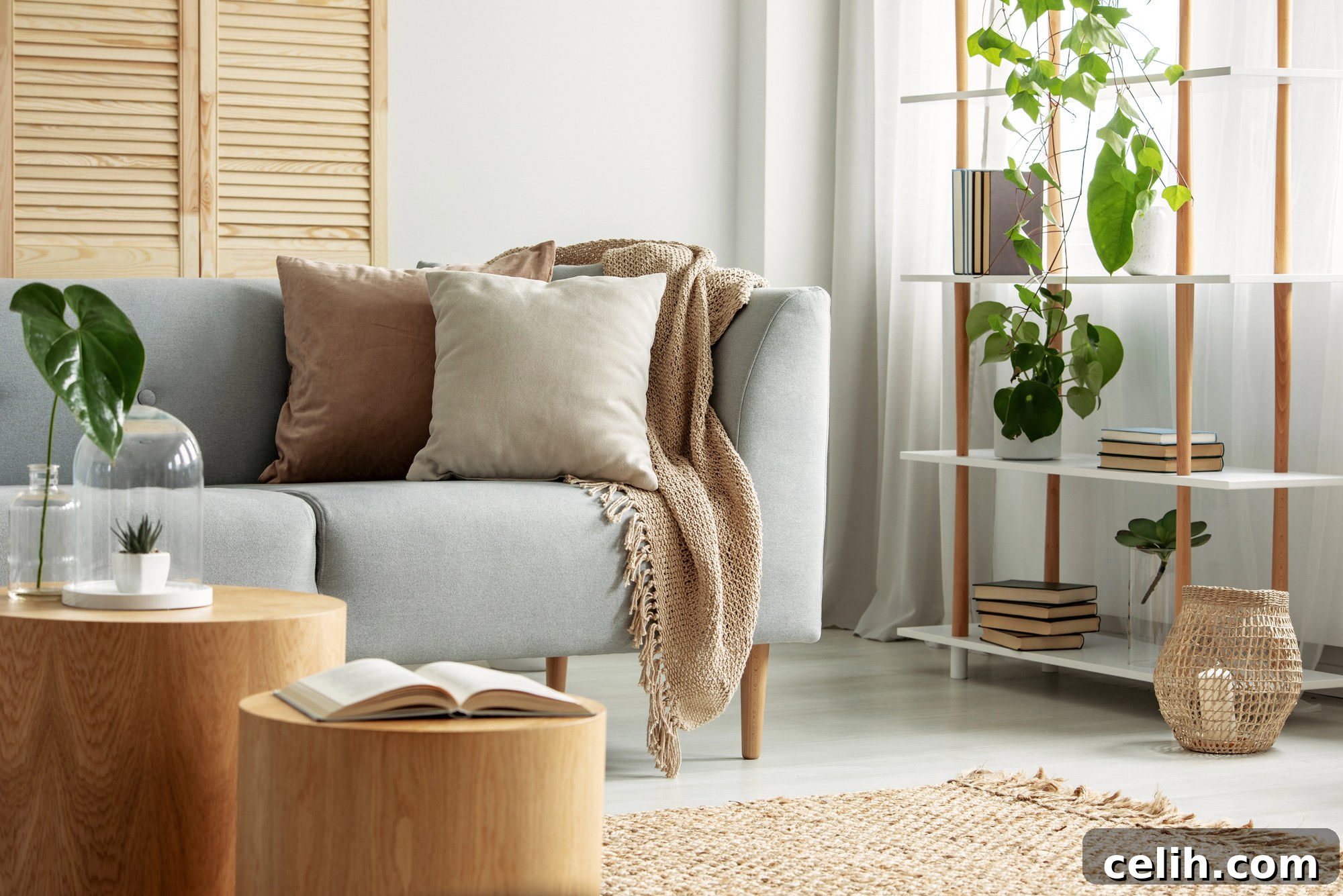
In the whirlwind of modern life, where professional demands often blend with personal responsibilities, our homes stand as crucial sanctuaries. They are not merely structures but essential spaces that should offer calm, balance, and a respite from the external world. With the relentless pace of daily living and an increasing global awareness of holistic health, stress reduction, and mental detoxification, the imperative to cultivate environments that actively foster peace and wellbeing has never been more pronounced. Thoughtful home decor and interior design can transcend the purely aesthetic, transforming a simple room into a profound personal retreat. This article delves into the art and science of designing a harmonious living space, one that not only embodies contemporary style and sophistication but also profoundly supports an enduring sense of serenity, equilibrium, and personal rejuvenation.
Embracing the Essence of Contemporary Design
Contemporary design, at its core, is celebrated for its distinctive characteristics: clean lines, a commitment to minimalism, and an unwavering focus on functionality. It frequently employs a neutral colour palette, offering a versatile foundation that allows for effortless flexibility in decor and furnishings over time. Yet, it’s a common misconception that contemporary design equates to coldness or a lack of personal warmth and character. On the contrary, the true mastery lies in seamlessly integrating elements that deeply resonate with your individual style and personality, all while upholding the fundamental principles of modern aesthetics.
To successfully achieve this elegant fusion of modern appeal and personal sanctuary, consider these foundational pillars:
Thoughtful Colour Scheme: The judicious selection of colours is paramount in shaping the mood of a space. Opt for soft, muted, and earthy tones that intrinsically evoke calmness and promote relaxation. Shades of warm beige, gentle greys, and an array of sophisticated pastel colours can establish a profoundly serene backdrop, allowing the mind to rest. To prevent the space from feeling monotonous, strategically introduce accents of deeper, richer hues such as a calming navy, an invigorating forest green, or a sophisticated terracotta. These carefully chosen accents can add depth, visual interest, and a subtle sense of drama without overwhelming the senses or disrupting the overall tranquil atmosphere.
Embrace Natural Materials: The integration of natural materials is a cornerstone of a harmonious contemporary space. Materials like sustainably sourced wood, elegant stone, and organic textiles such as linen, cotton, and wool, are not merely aesthetic choices. They significantly enhance the tactile and visual appeal of a room while simultaneously fostering a deep sense of grounding and an innate connection with the natural world. These elements introduce texture, warmth, and an authentic, timeless quality that synthetic materials often fail to replicate. Consider cork flooring for its acoustic and insulative properties, jute rugs for natural texture, or wooden furniture for its inherent beauty and durability.
Functional and Fluid Layout: A meticulously planned and executed layout is fundamental to promoting effortless flow and optimal accessibility within your living space. The objective is to create an environment that feels inherently open, inviting, and free from visual clutter. This means approaching furniture selection with purpose, ensuring that each piece serves a clear function and contributes to the overall harmony. Thoughtful arrangement of furniture can define zones without the need for physical barriers, enhancing the feeling of spaciousness and ease of movement. Prioritize ample, cleverly integrated storage solutions to keep daily items neatly out of sight, thereby maintaining the minimalist aesthetic and reducing visual noise that can contribute to feelings of stress.
Integrating Elements for Enhanced Peace and Wellbeing
To truly transform a contemporary room into a nurturing haven that actively cultivates peace and holistic wellbeing, consider weaving in the following transformative elements, each designed to engage your senses and elevate your daily experience:
1. Biophilic Design: Connecting with Nature
Biophilic design is rooted in the profound human connection to nature, recognizing its innate power to soothe and restore. Integrating living plants into your interior space can dramatically enhance indoor air quality by filtering toxins and producing oxygen, while simultaneously promoting a pervasive sense of calm and vitality. Opt for low-maintenance varieties such as resilient snake plants, elegant peace lilies, or charming ZZ plants, which not only thrive indoors with minimal care but also offer striking visual appeal. Beyond potted plants, consider larger botanical statements like a fiddle leaf fig or a small indoor tree. Furthermore, maximizing natural light is crucial; large, unobstructed windows that allow sunlight to flood the room can significantly elevate mood, regulate circadian rhythms, and create a perpetually bright and inviting atmosphere. Where natural light is limited, consider incorporating nature-inspired art, natural wood finishes, or even a small indoor water feature to bring the essence of the outdoors in.
2. Mindful Decor: Intentional Selection
The decor you choose should be more than just visually appealing; it should inspire mindfulness, contemplation, and deep relaxation. Select artworks that evoke tranquility, such as serene landscapes, calming abstract designs, or pieces reflecting personal meaning. These focal points can become gateways for peaceful reflection. Incorporate a rich variety of tactile elements through soft cushions, luxurious throws made from natural fibers, and plush rugs. These textures invite comfort, encourage physical relaxation, and make the space feel intrinsically cosy and inviting. Beyond aesthetics, mindful decor also means curating your possessions. Regularly decluttering and only keeping items that bring joy or serve a purpose contributes significantly to mental clarity and a peaceful environment. Every item in your sanctuary should have a reason for being there, eliminating visual noise and enhancing the sense of calm.
3. The Power of Sound and Light: Sensory Harmony
The sensory environment of a room, particularly sound and lighting, plays an utterly critical role in establishing a truly peaceful atmosphere. Soft, layered ambient lighting is key. This can be achieved through the strategic use of dimmable fixtures, carefully placed floor and table lamps, and perhaps even smart lighting systems that allow for nuanced control. Opt for warm light bulbs (lower Kelvin temperatures, typically around 2700-3000K) to emit a soft, soothing glow that promotes relaxation, mimicking the warmth of natural sunset light. Avoid harsh, overhead fluorescent lighting which can be jarring and disruptive.
In terms of sound, thoughtful integration can dramatically enhance the tranquil ambiance. Consider incorporating subtle elements like a small, tabletop water feature, the gentle hum of a white noise machine, or soft, instrumental background music designed for relaxation. These auditory elements are highly effective at masking external disturbances, creating an auditory cocoon that further contributes to a deeper sense of peace and uninterrupted focus within your personal sanctuary. Acoustic panels or heavy drapes can also help absorb sound, making the space feel quieter and more contained.
Crafting Dedicated Spaces for Ultimate Wellbeing
To fully immerse yourself in a lifestyle of wellbeing within your contemporary home, it’s highly beneficial to create distinct, designated areas that are specifically tailored to foster relaxation, mindfulness, and personal growth. These zones serve as visual cues and physical invitations to engage in self-care practices:
1. The Meditation Nook: A Haven for Inner Peace
Designate a quiet, undisturbed corner of your room specifically for meditation, quiet reflection, or mindful breathing exercises. This sacred space can be furnished simply yet effectively with a comfortable meditation cushion, a plush floor pillow, or a small, ergonomic chair. Surround this area with calming decor items such as unscented candles, fragrant essential oil diffusers, or a small collection of crystals or meaningful objects that resonate with you. The deliberate creation of this nook serves as a powerful reminder to pause, disengage from daily stresses, and actively engage in self-care, particularly crucial during periods of heightened demand or emotional strain. Ensure it’s positioned away from high-traffic areas to minimize distractions.
2. The Reading Corner: An Oasis for the Mind
A dedicated reading corner provides an invaluable retreat for those cherished moments when you desire to escape into the pages of a captivating book or simply enjoy quiet contemplation. Choose an exceptionally comfortable armchair or a chaise lounge, ideally positioned near a window to harness natural light. Complement this with a small, practical side table to hold your current read and a warm, adjustable task lamp for optimal illumination during evening hours. Adorn this space with shelves or a small bookcase filled with books that inspire, educate, and uplift your spirit, creating a personal oasis for intellectual stimulation and deep relaxation. A soft throw blanket and a cup of herbal tea can complete this perfect escape.
3. The Wellbeing Zone: Nurturing Body and Mind
Consider dedicating a modest area within your room to activities that proactively promote physical and mental wellbeing. This flexible zone can be outfitted with a high-quality yoga mat, a selection of light weights, resistance bands, or even a small balance ball. Such simple additions can transform an underutilized corner into an accessible space for invigorating yoga sessions, gentle stretching routines, or other forms of physical activity, thereby enhancing both your mental clarity and physical health without the need for a separate gym membership. This zone can also double as a space for journaling, creative pursuits, or even a brief digital detox, making it truly multifunctional.
Crafting a living space that seamlessly blends the clean, sophisticated aesthetics of contemporary design with the profound benefits of peace and wellbeing is an eminently achievable goal. This transformative approach can elevate your home from a mere dwelling to a true sanctuary. By thoughtfully considering every element—from the overarching colour schemes and the choice of natural materials to the functionality of the layout—and by integrating specific design elements that promote mindfulness and deep relaxation, you can meticulously cultivate an environment that nurtures both your physical body and your intricate mind. The journey of designing your perfect home is an investment in your long-term happiness and health.
As you embark on this rewarding journey, always remember that your home should serve as an authentic reflection of your personal style and evolving needs, while simultaneously functioning as a steadfast haven of tranquility. Whether you are navigating significant life challenges, such as the demanding process of an alcohol detoxification and recovery, or simply seeking a consistent, peaceful retreat from the daily grind, a well-designed and thoughtfully curated space can provide the profound comfort, stability, and serenity you need to truly thrive. Embrace the creative process of designing your sanctuary, allowing it to become a living testament to your unwavering commitment to personal wellbeing, inner peace, and a balanced life.