
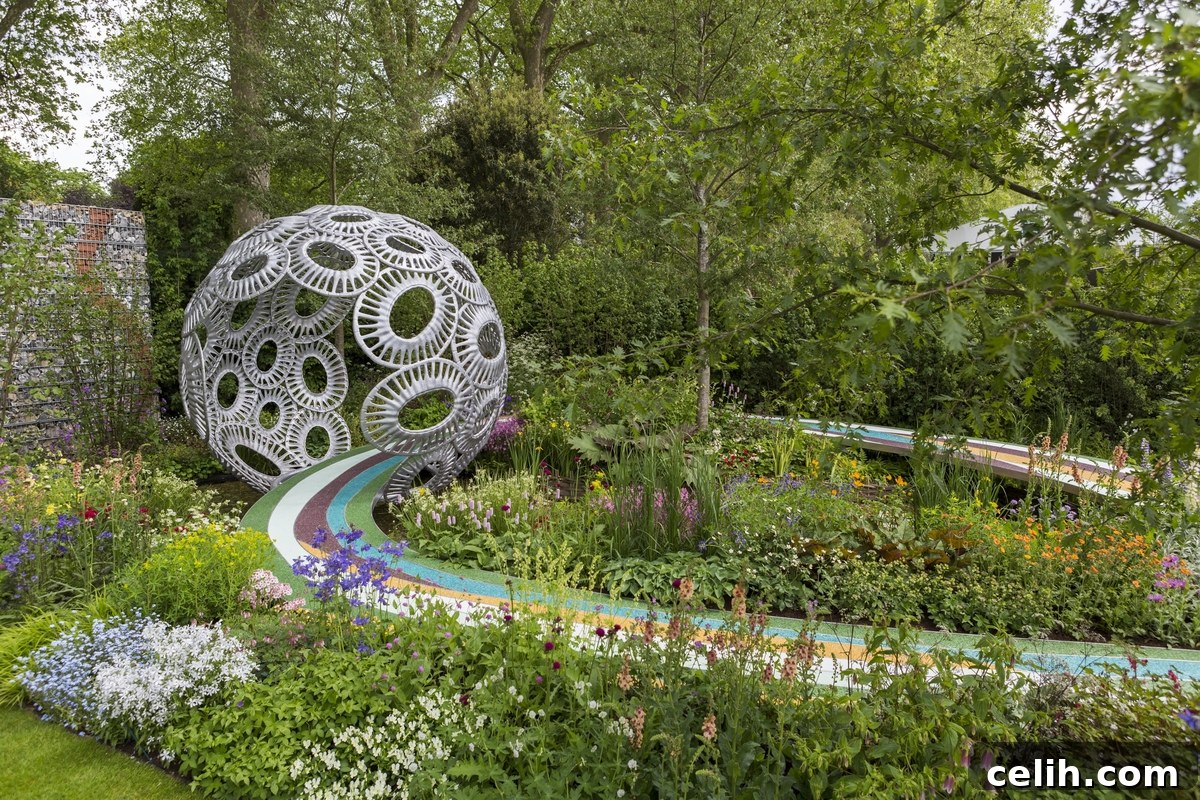
The annual RHS Chelsea Flower Show stands as a pinnacle of horticultural excellence and design innovation. Each year, it captivates audiences worldwide with breathtaking garden displays that consistently push the boundaries of landscape architecture and planting artistry. As an avid admirer of these magnificent creations, I find myself perennially impressed by the sheer talent and creativity on display.
This year, a prominent theme emerging from the show gardens was the sophisticated integration of strong structural elements. Designers masterfully utilized robust materials such as natural stone, reclaimed timber, and sleek metals to form striking frameworks that not only provide aesthetic anchors but also define spaces and guide the visitor’s eye. These bold architectural features lend a distinct contemporary edge, making the gardens truly unforgettable.
While replicating these grand designs precisely in a home garden might be an ambitious endeavor, the Chelsea Flower Show is an invaluable source of inspiration. It offers a wealth of ideas that can be adapted and scaled for any outdoor space. From experimenting with structural shapes and forms to discovering innovative material uses, exploring diverse planting schemes, or simply drawing inspiration from harmonious color palettes, there are countless takeaways for garden enthusiasts looking to elevate their own green havens. The show encourages us to think creatively about how we interact with our outdoor environments and how design can enhance well-being and biodiversity.
Delving into the highlights, here are some of the most captivating contemporary garden designs from this year’s RHS Chelsea Flower Show, each offering unique perspectives and invaluable insights into modern garden trends and sustainable practices.
1. The Brewin Dolphin Garden – Forever Freefolk
Designed by the esteemed Rosy Hardy and sponsored by Brewin Dolphin, the ‘Forever Freefolk’ garden was a masterful exploration of the chalk streams of Hampshire, particularly the River Test. This garden beautifully highlighted the delicate ecology of these unique waterways and championed the importance of water conservation and biodiversity. Rosy Hardy’s design skillfully blended naturalistic planting with robust, yet sensitive, structural elements that mirrored the landscape’s geological formations. Key features included soft, flowing planting schemes of native marginal plants and wildflowers, carefully chosen to thrive in damp conditions and support local wildlife. Meandering paths and subtly placed boulders invited visitors to explore, evoking a sense of tranquil immersion in nature. The meticulous attention to detail in replicating the subtle undulations and textures of a natural chalk stream bank provided a poignant reminder of the beauty and fragility of our natural water systems, offering valuable inspiration for creating eco-conscious gardens at home.
2. The Morgan Stanley Garden for Great Ormond Street Hospital
Designed by the celebrated Chris Beardshaw and sponsored by Morgan Stanley, this garden was a poignant tribute to Great Ormond Street Hospital, crafted as a serene and restorative space. Beardshaw’s signature style, characterized by sophisticated planting and classical structure, was evident throughout. The design cleverly used a series of intimate garden rooms, defined by elegant hedging and subtle changes in level, to create a journey of discovery. Lush, richly textured planting in shades of green, white, and soft pastels dominated, offering a calming sensory experience. Architectural elements were refined and understated, providing a strong backbone without detracting from the natural beauty of the flora. The garden emphasized the therapeutic power of nature, aiming to provide a comforting sanctuary for children and their families. This thoughtful approach offers excellent lessons for creating personal havens, focusing on sensory appeal, secluded seating areas, and plant choices that foster tranquility and well-being within any garden setting.
3. The St John’s Hospice – A Modern Apothecary
Jekka McVicar, a renowned expert in herbs, designed ‘A Modern Apothecary’ for St John’s Hospice. This garden was a vibrant and fragrant celebration of medicinal plants and their timeless connection to human well-being. Far from a purely aesthetic display, McVicar’s design was deeply rooted in functionality and historical significance, showcasing a diverse array of herbs, each with its own therapeutic properties. The garden was structured with clean lines and accessible beds, making the plants easy to observe and appreciate. Materials like natural wood and rustic stone complemented the organic nature of the planting. McVicar’s choice of plants demonstrated how a healing garden can be both beautiful and practical, incorporating familiar culinary herbs alongside lesser-known medicinal varieties. This inspiring design offers compelling ideas for creating a herb garden that not only adds beauty and fragrance to a space but also provides a living pharmacy, connecting us to ancient wisdom and sustainable health practices in our daily lives.
4. The Telegraph Garden
The Telegraph Garden, designed by the visionary Andy Sturgeon, consistently delivers dramatic and impactful designs, and this year was no exception. Sponsored by The Telegraph, Sturgeon’s garden was a masterful display of bold geology meeting exuberant planting. The design was characterized by monumental, stratified rock formations that appeared to erupt from the ground, creating a powerful sense of primeval landscape. These dominant structural elements, crafted from carefully selected stone, formed dynamic backdrops and pathways. In contrast to the raw power of the stone, the planting was lush, wild, and incredibly textural, featuring robust ferns, grasses, and perennials that softened the edges and introduced vibrant life. The interplay between the angular, static stone and the soft, moving foliage created an exhilarating tension. This garden served as a testament to the beauty found in natural processes and offered grand-scale inspiration for incorporating strong, sculptural elements into a garden, emphasizing texture and the drama of contrasting forms and materials.
5. The Winton Beauty of Mathematics Garden
Nick Bailey’s ‘Winton Beauty of Mathematics Garden,’ sponsored by Winton, offered a truly unique concept, exploring the inherent mathematical patterns found in nature and design. This intellectual garden aimed to illustrate how fundamental mathematical principles, such as fractals, Fibonacci sequences, and Voronoi patterns, manifest in the natural world, from plant growth to geological formations. The design integrated striking geometric structures, perhaps using intricate metalwork or precisely cut stone, to represent these mathematical concepts. These precise, man-made elements were then softened and interwoven with planting schemes that mimicked natural growth patterns and symmetries. The plant selection was thoughtful, featuring species that exhibit clear mathematical characteristics, like spiraling succulents or plants with distinct branching patterns. This garden was not just a visual delight but also an educational experience, prompting visitors to see the hidden order and beauty in both the natural and man-made worlds. It provides a fascinating blueprint for gardeners interested in creating a space with underlying structure and intellectual depth, showing how order and chaos can beautifully coexist.
6. Papworth Trust – Together We Can
Designed by Peter Eustance for the Papworth Trust, the ‘Together We Can’ garden was a powerful statement on accessibility and inclusivity in garden design. This thoughtful creation challenged traditional garden layouts by demonstrating how beautiful and engaging spaces can be made welcoming for everyone, regardless of physical ability. The design featured wide, smooth pathways, gentle ramps, and raised beds, all integrated seamlessly into a visually appealing landscape. Structural elements were chosen for their practicality and aesthetic value, perhaps featuring tactile materials or sensory planting to engage multiple senses. The planting scheme was vibrant and varied, carefully selected to offer sensory experiences through scent, texture, and color, and arranged at varying heights to be enjoyed from different perspectives. This garden served as an inspiring model for creating truly inclusive outdoor spaces, emphasizing that good design can accommodate diverse needs without compromising on beauty or functionality, making it a crucial source of inspiration for public and private gardens alike.
7. Senri-Sentei – Garage Garden
Kazuyuki Ishihara, a master of compact garden design, presented the ‘Senri-Sentei – Garage Garden,’ sponsored by the Henri-Sentei project. Ishihara is renowned for his ability to transform small, overlooked urban spaces into tranquil havens, and this garden exemplified his unique talent. The ‘Garage Garden’ ingeniously demonstrated how a seemingly unpromising area, like a garage forecourt, could be re-envisioned as a vibrant, green retreat. The design incorporated multi-layered planting, vertical green walls, and miniature water features, all hallmarks of traditional Japanese garden aesthetics adapted for a modern urban context. Strong structural elements, possibly including raised platforms or elegant screening, were used to create a sense of enclosure and privacy. Lush mosses, delicate ferns, and carefully chosen specimen trees provided year-round interest and a calming atmosphere. This garden offers invaluable lessons for urban dwellers and those with limited space, proving that even the smallest plot can become a captivating and serene oasis through clever design and thoughtful plant selection.
8. Viking Cruises Mekong Garden
The ‘Viking Cruises Mekong Garden,’ designed by the highly acclaimed Sarah Eberle and sponsored by Viking Cruises, transported visitors to the exotic landscapes of Southeast Asia. This immersive garden brilliantly captured the spirit and biodiversity of the Mekong River region, showcasing its unique flora and cultural elements. Eberle’s design featured lush, tropical planting, including bamboos, palms, and exotic flowering plants, arranged to create a dense, verdant atmosphere. Water, a central element, flowed through the garden, perhaps in the form of cascading features or serene ponds, symbolizing the lifeblood of the Mekong. Structural elements were inspired by traditional regional architecture or natural rock formations found along the riverbanks, providing authentic context. This garden was a masterclass in evoking a specific geographical and cultural narrative through horticulture. For home gardeners, it offers inspiration for creating themed zones, experimenting with bold, exotic planting, and using water features to add movement and sound, even in climates far removed from the tropics, by selecting appropriate hardy alternatives.
9. The Garden Bed – a partnership with Asda
Stephen Welch and Alison Doxey collaborated on ‘The Garden Bed,’ in partnership with Asda, delivering a highly original and thought-provoking concept. This garden ingeniously merged the comfort and intimacy of a bedroom with the vibrant, life-affirming qualities of a garden space. The central feature, perhaps an actual bed integrated into the landscape, served as a symbolic representation of rest, healing, and connection to nature. The planting around this focal point was likely soft, comforting, and visually soothing, with an emphasis on fragrant herbs and calming floral palettes. Structural elements were minimalist and homely, blurring the lines between indoor and outdoor living. This garden brilliantly highlighted the therapeutic benefits of horticulture and the increasing trend of bringing nature closer to daily life, even into our most private spaces. It offers fantastic ideas for creating cozy, personal retreats within a garden, incorporating elements of relaxation and personal comfort into outdoor design, and emphasizing the profound link between green spaces and mental well-being.
10. The World Vision Garden
John Warland’s ‘World Vision Garden,’ sponsored by World Vision, was a powerful narrative piece, designed to convey a message of hope, resilience, and transformation, often in challenging global contexts. These gardens typically use metaphorical elements to tell a story, and Warland’s design would have skillfully employed symbolic planting and structural features to represent the journey from adversity to prosperity. Perhaps a stark, arid landscape gradually transitions into a vibrant, fertile oasis, illustrating the impact of aid and community development. Materials might include rugged, natural elements juxtaposed with signs of human intervention and sustainable agriculture. The planting scheme would evolve through the garden, featuring drought-tolerant species in one section and lush, productive plants in another, symbolizing growth and renewal. This garden, while telling a specific story, offers universal inspiration for creating spaces that evolve, adapt, and embody a narrative. It encourages gardeners to think about the symbolic power of plants and design elements in communicating profound messages and personal journeys within their own landscapes.
11. The Sir Simon Milton Foundation Urban Connections Garden
Designed by Lee Bestall and sponsored by Victoria Business Improvement District, ‘The Sir Simon Milton Foundation Urban Connections Garden’ addressed the crucial need for green spaces in dense urban environments. This garden explored how cities can foster biodiversity and provide beautiful, functional areas for residents despite limited space. Bestall’s design likely featured innovative solutions for urban greening, such as vertical gardens, green roofs, and clever modular planting systems. Structural elements would have been clean, contemporary, and often multi-functional, perhaps incorporating integrated seating or storage solutions. Materials would reflect an urban aesthetic, like concrete, metal, or recycled elements, softened by vibrant and resilient planting. The selection of plants would emphasize species that thrive in urban conditions, offering visual appeal, attracting pollinators, and improving air quality. This garden provides a wealth of practical and inspiring ideas for urban gardeners, demonstrating how to maximize small spaces, create ecological corridors, and design inviting community hubs, proving that concrete jungles can indeed bloom.
12. God’s Own County – A Garden for Yorkshire
Matthew Wilson’s ‘God’s Own County – A Garden for Yorkshire,’ sponsored by Welcome to Yorkshire, was a magnificent homage to the diverse landscapes and rich heritage of England’s largest county. Wilson expertly captured the essence of Yorkshire, blending its dramatic natural beauty with subtle nods to its industrial past and vibrant cultural scene. The design likely incorporated signature elements of the Yorkshire Dales or Moors, such as dry stone walls, rugged natural rock, and planting inspired by heathlands and woodlands. Structural features would reflect a sense of enduring strength and connection to the land. The planting scheme would have been robust and authentic, featuring native plants, hardy perennials, and perhaps symbolic trees that thrive in the Yorkshire climate, creating a tapestry of textures and colors that evoke the region’s distinct seasons. This garden was not just a beautiful display but a narrative of regional identity, offering wonderful inspiration for gardeners wishing to create a garden that is deeply connected to its local landscape, celebrating local materials, and showcasing plants that are naturally suited to their environment, fostering a sense of place and belonging.
The RHS Chelsea Flower Show continues to be an unparalleled source of inspiration, challenging perceptions of what a garden can be and how it can enrich our lives. Whether you’re drawn to bold structural statements, tranquil sensory havens, or innovative sustainable solutions, the show gardens offer a treasure trove of ideas for every gardener. From grand visions to subtle details, these designs encourage us to look at our outdoor spaces with fresh eyes and discover new ways to connect with nature.
What garden ideas from these incredible designs are you most inspired by? Share your thoughts and envision how you might bring a touch of Chelsea magic to your own garden!
For even more inspiring garden ideas and to delve deeper into the world of creative landscape design, be sure to explore our extensive collection on Pinterest:
Explore Garden Inspiration on Pinterest