
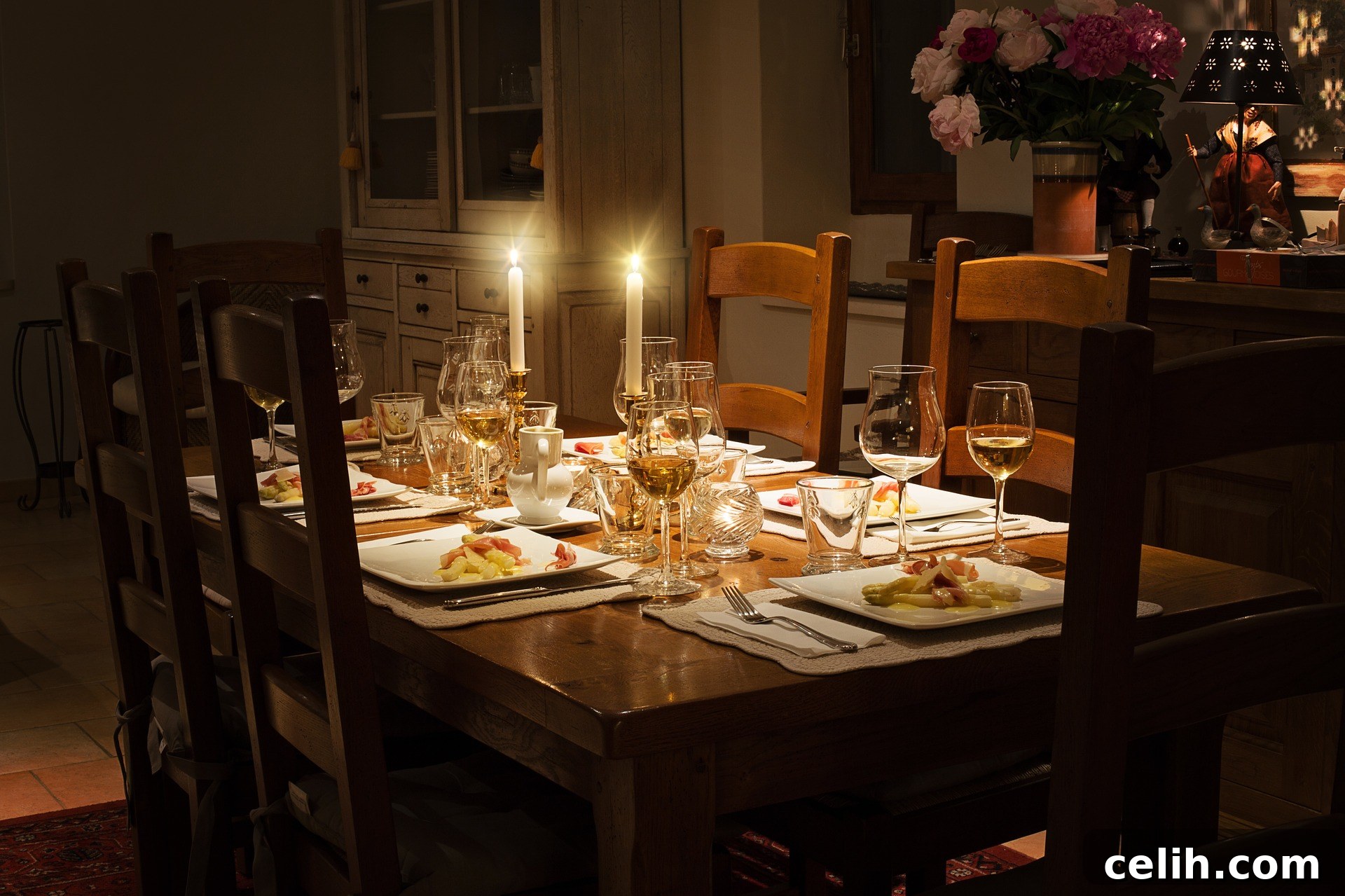
In a world that often moves too fast, the simple act of sharing a meal with loved ones remains one of life’s most cherished and enduring pleasures. It’s an opportunity to reconnect, create lasting memories, and celebrate the bonds that tie us together. While the allure of dining out is undeniable, the comfort, intimacy, and control of hosting a dinner party at home have become more appealing than ever. Transforming your living space into a welcoming haven for friends and family can be incredibly rewarding, offering a uniquely personal touch that no restaurant can replicate. Whether you’re a seasoned host or embarking on your first culinary adventure, mastering the art of the dinner party is an invaluable skill that promises delightful evenings and strengthens social connections. This comprehensive guide will equip you with essential tips and strategies to ensure every gathering you host is not just a meal, but a memorable event, executed with flawless charm and effortless grace. Prepare to unlock your inner entertainer and become the host everyone raves about!
Plan Ahead: Setting the Date and Guest List
The journey to a perfect dinner party begins long before the first dish is prepared. The initial and arguably most critical step is to firmly establish a date and time. Vague intentions of “getting together soon” often fade into forgotten plans. Be proactive and select a specific date that suits most, if not all, of your desired guests. A shared calendar or a quick poll can make this process remarkably efficient.
Once the date is secured, it’s time to formalize the invitation. While a casual text or email can suffice for close friends, a beautifully designed digital or physical invitation can significantly elevate the anticipation and set a more festive tone. This small detail communicates that you’ve put thought and effort into the event, making guests feel truly special. Use this opportunity to gather vital information, such as dietary restrictions, allergies, or any special requests, which will be crucial for your menu planning. Furthermore, don’t hesitate to accept offers of help. If a guest offers to bring a bottle of wine, a dessert, or even a side dish, graciously accept. Their involvement not only lightens your load but also makes them feel more invested in the success of the evening. Building this sense of shared excitement and participation is key to a lively and engaging atmosphere, potentially setting the stage for a wonderful routine of future gatherings.
Crafting the Ambiance: The Perfect Dining Space
While an exceptional meal is undoubtedly the centerpiece of any successful dinner party, the environment in which it’s served plays an equally vital role in enhancing the overall experience. Your dining space doesn’t need to mimic a Michelin-starred restaurant, but it should exude comfort, warmth, and an inviting charm that encourages relaxation and conversation. Consider every sensory detail, from sight to sound, to create a truly immersive atmosphere.
For those with outdoor spaces, a garden deck or patio can be transformed into an enchanting dining area. With the addition of soft, ambient lighting—think string lights, lanterns, or elegant candles—and a patio heater for cooler evenings, you can extend your entertaining season and offer a unique al fresco experience, perhaps even a cozy winter barbecue. Indoors, leverage the power of lighting to set the mood. Dimmers are a host’s best friend, allowing you to adjust brightness from brighter for eating to softer for post-dinner conversation. Complement this with carefully chosen table decorations: a tasteful centerpiece, fresh flowers, or seasonal elements can add visual appeal without obstructing views or conversation. High-quality linens, polished silverware, and elegant dishware also contribute significantly to the dining experience. Beyond the dining room, ensure your entire home feels welcoming from the moment guests arrive. A tidy, well-lit entryway, perhaps with a subtle, pleasant scent from a diffuser or fresh flowers, creates an excellent first impression and instantly puts your guests at ease, signaling that they are entering a space prepared with care and anticipation.
Tailoring the Experience: Understanding Your Guests
A truly successful dinner party is one where every guest feels comfortable, valued, and catered to. This requires a thorough understanding of your audience, allowing you to tailor every aspect of the evening to their preferences and needs. One of the first decisions revolves around the formality of the meal. Will it be a relaxed, casual gathering perfect for lively conversation and comfortable attire, or a more elegant, formal affair demanding a sophisticated menu and dress code? The age range of your guests, their personalities, and the nature of your relationship with them should guide this choice. For instance, a lively group of young professionals might prefer a casual buffet, while an anniversary celebration with older relatives could warrant a more refined sit-down dinner.
In today’s diverse culinary landscape, it’s absolutely crucial to inquire about any dietary restrictions or allergies well in advance. This includes understanding preferences like vegetarian, vegan, gluten-free, or specific allergies to nuts, dairy, or shellfish. Overlooking these details can not only cause discomfort or health risks but can also make a guest feel overlooked or unappreciated. Preparing separate dishes or adapting your menu to accommodate everyone demonstrates thoughtfulness and ensures all your guests can enjoy the meal without worry. Remember, a great host ensures that the focus remains on enjoyment and camaraderie, free from any culinary concerns.
Culinary Confidence: Mastering the Basics
Many aspiring hosts feel the pressure to impress their guests with overly elaborate or avant-garde dishes. While ambition in the kitchen is commendable, there’s an undeniable charm and satisfaction in serving fundamental dishes executed to perfection. Most guests would much rather savor a perfectly roasted chicken or a beautifully prepared pasta dish than a complex creation that falls short of its mark. The foundation of exceptional cooking lies in mastering the basics.
Take the time to refresh your fundamental kitchen skills. This includes precise knife work for chopping and dicing, understanding proper searing techniques, and confidently preparing staple sauces and stocks. Perhaps most importantly, never underestimate the power of seasoning. Proper seasoning can elevate even the simplest ingredients, bringing out their natural flavors and creating a harmonious taste profile. Practice these core techniques in the days leading up to your dinner party. The more confident you become with the fundamentals, the less stress you’ll experience on the day of the event, allowing you to enjoy the company of your guests. This solid culinary foundation not only ensures consistently delicious meals but also provides the confidence to eventually tackle more intricate recipes with greater success and flair.
Equip for Success: Your Kitchen Arsenal
Just as a skilled artist relies on quality brushes, a confident cook depends on reliable kitchen equipment. Don’t fall into the trap of thinking a poor outcome is solely the chef’s fault; inadequate tools can severely hamper even the most experienced hands. A malfunctioning stove, an unevenly heating oven, or blunt knives can turn cooking into a frustrating ordeal and compromise the quality of your food. Investing in and maintaining good kitchen equipment is an investment in your culinary success and your peace of mind.
Regularly check and clean all your cooking apparatus. Ensure your oven, stove, and any specialized appliances are in top working order. Beyond the major appliances, assess your collection of utensils. Sharp knives are non-negotiable for safety, efficiency, and precise cutting. A quality knife sharpener is an indispensable tool that will save you time and frustration, and significantly improve your daily cooking experience. Examine your pots, pans, cutting boards, and mixing bowls. Are they clean, sturdy, and free from damage? Having a full set of measuring tools, spatulas, whisks, and serving spoons will streamline your preparation. Trying to manage with subpar or missing equipment only invites unnecessary stress and increases the likelihood of errors, which you absolutely want to avoid when hosting. A well-equipped kitchen provides the backbone for a seamless and enjoyable cooking experience, allowing you to focus on the artistry of your meal rather than battling with your tools.
Curating Cohesion: Embracing a Theme
A well-chosen theme can be the invisible thread that weaves together every element of your dinner party, creating a cohesive and memorable experience for your guests. Without a guiding theme, your meal can feel disjointed – a sophisticated appetizer followed by a casual main, or a culinary journey across continents in a single sitting can leave guests feeling a little bewildered. Consistency in your menu, decor, and overall atmosphere is paramount for a harmonious event.
Consider the occasion and the season when selecting your theme. Is it a festive holiday gathering, a summery garden party, a cozy autumn feast, or a special milestone celebration like a birthday or anniversary? A theme provides a clear direction for your menu planning, inspiring dishes that complement each other. For example, a “Taste of Italy” theme would naturally lead to pasta, risotto, and tiramisu, while a “Mexican Fiesta” would suggest tacos, guacamole, and margaritas. Beyond the food, a theme effortlessly guides your home decorations. Think about color palettes, textiles, lighting, and even the type of music that would enhance the chosen theme. A festive holiday theme might feature warm, twinkling lights and traditional ornaments, while a tropical theme would call for vibrant colors and perhaps a floral centerpiece. Even the smallest details, such as the bouquet of flowers, can reinforce your theme and convey your thoughtful sincerity. This structured approach allows you to plan your ingredients, equipment needs, and decorative elements well in advance, giving you a greater sense of control and significantly reducing last-minute stress. Moreover, if you plan to host regularly, rotating themes is an excellent way to keep things fresh and exciting, encouraging guests to anticipate each unique event you create.
Beyond the Expected: Keeping Things Exciting
While tradition and comfort are valuable, a truly exceptional host knows how to infuse an element of delightful surprise and novelty into their gatherings. Especially if you entertain frequently or after major holidays, breaking away from predictable routines can elevate the experience for everyone. For instance, post-holiday gatherings often feature the same comforting but sometimes repetitive roast dinners or turkey sandwiches. This is your chance to shine by reinventing familiar ingredients.
Instead of serving a standard roast, explore creative ways to transform leftovers into exciting new dishes. Research innovative recipes that utilize ingredients like sprouts or cranberry sauce in unexpected ways, ensuring deliciousness without compromising quality. Excellent presentation is always key – even simple food can look gourmet with a thoughtful arrangement. Consider introducing a unique or unexpected dessert that deviates from the norm, offering a grand finale that leaves a lasting impression and sends guests home with a smile. This creative approach not only combats food waste but also demonstrates your culinary ingenuity, ensuring that each dinner party, even those scheduled close together, feels fresh, exciting, and memorable. Small, unexpected touches can turn a good meal into a truly great event, ensuring your guests always look forward to their next invitation.
The Art of Preparation: Prep Ahead and Enjoy Your Guests
One of the most common pitfalls for hosts is spending the entire evening in the kitchen, missing out on the very company they invited. Your guests come to spend quality time with you, so maximizing your presence outside the kitchen is paramount. The secret lies in strategic pre-preparation. By front-loading much of the cooking and setup, you can significantly reduce your active kitchen time during the party.
Identify tasks that can be completed hours or even a day in advance. Marinating meats overnight allows flavors to deepen and saves precious time on the day of the event. Salads can often be prepared in the morning, with dressings added just before serving. Dishes suitable for slow cooking, like stews or braised meats, are excellent choices as they require minimal attention once started, freeing you up to socialize. Even setting the table, chilling beverages, and laying out serving dishes can be done well ahead of time. If you have an open-plan kitchen and dining area, some light cooking activity can be part of the ambiance, but extensive, stressful cooking should be avoided. This advanced planning also offers a crucial buffer: if you realize you’ve forgotten an ingredient or made a minor error, you have ample time to correct it without panic. Moreover, staying on top of cleaning as you go helps maintain a tidy kitchen and contributes to a more relaxed hosting experience. By preparing as much as possible, you transform from a frantic cook into a relaxed, engaging host, truly present for your guests.
Practice Makes Perfect: Consider a Test Run
While serving your signature dish, perfected over many occasions, is always a safe and delightful option, sometimes the desire to explore new culinary horizons takes hold. If you’re contemplating an entirely new recipe or an ambitious multi-course menu for your dinner party, a test run is not just recommended, it’s often essential. This rehearsal can be your greatest ally in preventing last-minute catastrophes and bolstering your confidence.
Conducting a full run-through of your planned meal a few days before the main event offers invaluable benefits. It allows you to confirm that you’ve sourced premium ingredients, that all your tools are in working order, and that you have all necessary spices and seasonings. Crucially, it provides an opportunity to become intimately familiar with the methods for preparing each course, from initial chopping to final plating. You can fine-tune timings, adjust seasoning, and perfect presentation without the pressure of guests waiting. If you’re planning to make elements like pasta or pastries from scratch, a test run allows you to perfect your technique. This proactive step helps identify any potential stumbling blocks—perhaps a sauce needs more thickening, or a cooking time needs adjusting. Avoiding unnecessary risks by practicing ensures a far smoother and more enjoyable experience for both you and your guests. Plus, you get to enjoy a fantastic, well-prepared meal on a regular weekday, which is a delightful bonus!
Seamless Service: Timing Your Courses
The essence of a memorable dinner party is a relaxed and enjoyable atmosphere, even when the setting is formal. Nothing disrupts this more than poorly timed service – either guests feeling rushed or left waiting too long between courses, leading to awkward silences or cold food. Effective pacing is key to a smooth and engaging dining experience.
Aim for a comfortable gap of approximately 20-30 minutes between courses. This provides ample time for guests to savor the previous dish, engage in conversation, refresh their drinks, or even enjoy a short, engaging party game or activity. The break allows for digestion and anticipation for what’s next, keeping the energy of the evening flowing without any sense of hurry or boredom. As the host, you have complete control over the pace, unlike in a restaurant setting where turnover is critical. This flexibility means you can adapt to the mood of your guests, shortening or extending intervals as needed. The goal is to ensure that food is served at optimal temperatures and at convenient moments, allowing conversations to flourish and the camaraderie to deepen. With thoughtful organization and preparation, you can effortlessly manage the flow of the meal, making everyone feel relaxed and perfectly attended to.
Fostering Connection: Embracing a Hosting Rotation
Hosting a fantastic dinner party is a triumph, but the joy of shared meals doesn’t have to end there. To keep the good times rolling and deepen social connections, consider initiating a hosting rotation among your circle of friends. After you’ve successfully hosted, the delight of being a guest at someone else’s home is a wonderful continuation of the shared experience. This rotational approach keeps interactions fresh and exciting, preventing any single host from feeling overburdened or the gatherings from becoming predictable.
As a guest, you’ll also gain valuable insights and discover new culinary tricks from your friends’ menus and hosting styles, which can inspire and improve your own future entertaining endeavors. This reciprocal arrangement can even be turned into a fun, friendly competition. Imagine a “dinner party club” where each household takes a turn hosting, perhaps even with a lighthearted scoring system for creativity, flavor, or ambiance. This adds an element of playful challenge and encourages everyone to bring their A-game, resulting in consistently excellent gatherings. Such a system works particularly well for groups of three or four households, especially in areas where social visits are easily managed. In times when daily life can sometimes feel monotonous, transforming something as simple as dinner into a source of ongoing excitement and shared adventure is an undeniable positive, enriching both your social life and your culinary journey.