
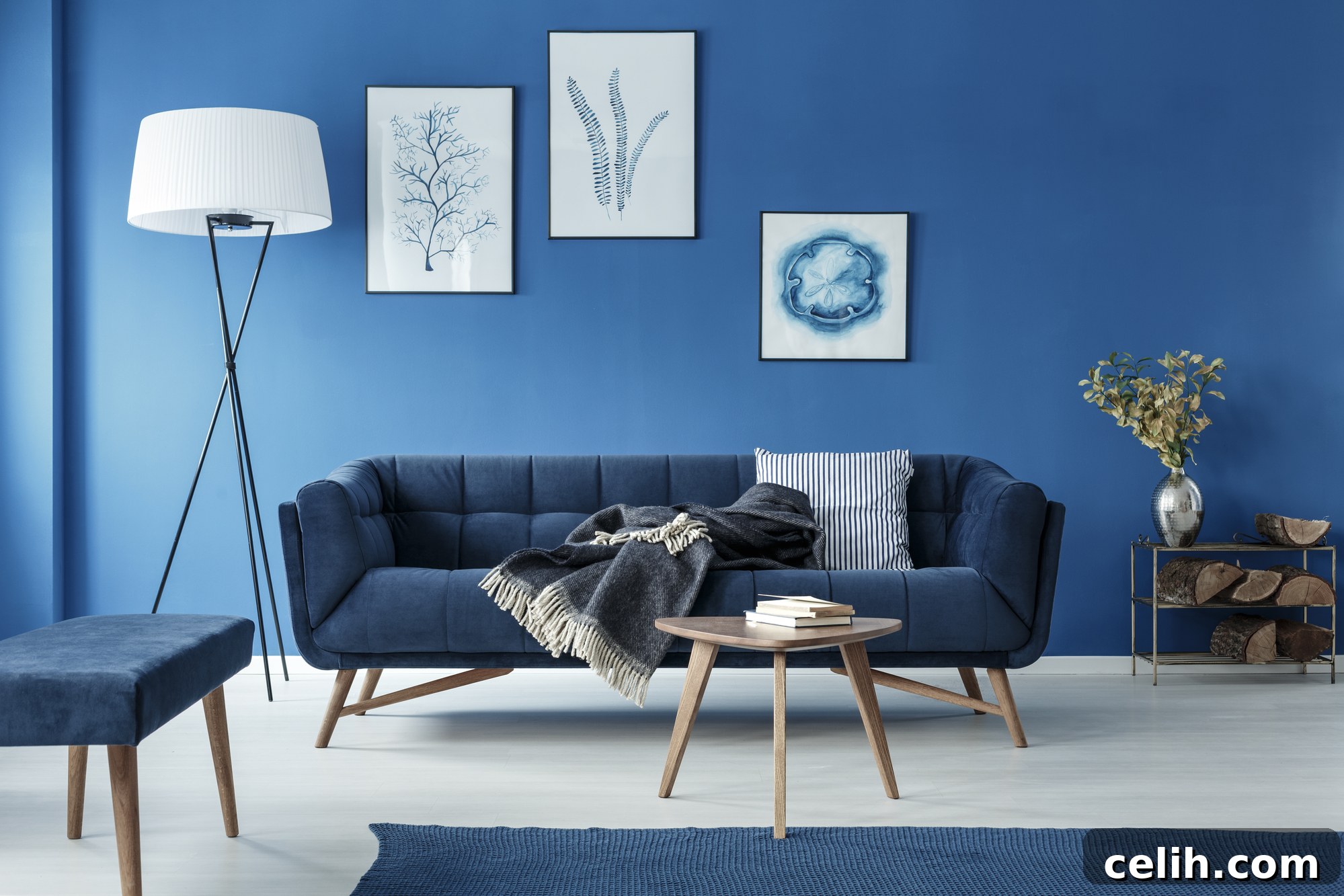
It has often been said that the best things come in small packages. While this sentiment holds true for many aspects of life, it can feel challenging when applied to the reality of a small room. Maximizing the potential of limited square footage while imbuing the area with a unique sense of style requires thoughtful design choices. In the quest to transform compact spaces into aesthetically pleasing and functional havens, bespoke wall art solutions emerge as an ideal strategy. This article will delve into why custom wall art represents a powerful tool for decorating small spaces and explore the myriad benefits it offers, ensuring your tiny footprint makes a grand statement.
Crafting a Compelling Focal Point for Small Spaces
One of the most effective strategies for small room decor is to create a compelling focal point. Interior designers consistently emphasize that well-chosen wall art can immediately draw the eye, captivating visitors the moment they enter. This optical trick skillfully diverts attention from the room’s physical dimensions, preventing the common sensation of feeling cramped or closed in. Instead, the focus shifts to a curated piece of visual interest, making the space feel more intentional and expansive. Whether it’s a vibrant abstract canvas, a striking photographic print, or an intricate textile hanging, a strategically placed piece of art can anchor the room, provide visual direction, and establish a clear point of interest that defines the space’s character. For decorating small apartments or tiny homes, a single, impactful artwork often works better than a cluttered gallery wall, allowing the eye to rest and perceive greater depth.
Harmonizing Wall Art with Existing Decor Elements
Every room within a home should be conceived with a cohesive aesthetic in mind. Achieving visual balance and defining the “personality” of an environment often begins with understanding how various elements interact. Custom wall art plays a pivotal role in this process, seamlessly integrating with and enhancing nearby furniture, textiles, and architectural features. For instance, framed wall art can be tailored to accommodate an extensive array of themes, ensuring it perfectly complements your existing decor. Consider how the following themes can elevate your small space design:
- Abstract Images: These pieces can introduce vibrant colors and intriguing shapes, creating energy and sophistication without literal representation, making a small room feel dynamic.
- Disney-Inspired Pieces: For a touch of whimsy and nostalgia, Disney art can bring joy and personality, particularly in children’s rooms or playful adult spaces.
- Sports: Celebrate your passions with artwork featuring athletic themes, equipment, or iconic moments, perfect for a home office or bedroom.
- Music: From vintage record covers to abstract representations of sound waves, music-themed art can set a specific mood or reflect a personal interest.
- Animals: Whether majestic wildlife photography or whimsical pet portraits, animal art adds warmth, character, and a connection to nature.
- Landscapes: Expansive natural scenes can create an illusion of depth and openness, making decorating small bedrooms or living areas feel less confined.
- Botanicals: Floral prints or botanical illustrations introduce natural elements, promoting a sense of calm and freshness.
Before making a final selection, invest time in determining the desired “flavor” or mood for your room. The right artwork will not only fit but also elevate the overall design narrative, ensuring every element works in concert to create a harmonious and inviting atmosphere, even in the most compact of spaces.
Illuminating Small Rooms with Light-Toned Wall Art
It’s a widely acknowledged principle in interior design that lighter colors possess the remarkable ability to create the illusion of additional space. Bright tones such as crisp whites, subtle off-whites, and soft pastels masterfully trick the eyes into perceiving an environment as larger and more open than its actual physical dimensions. This psychological effect is invaluable when tackling small space design challenges. Therefore, why not choose wall art that predominantly displays these light and airy tones? Opting for artwork with a significant white space, delicate hues, or reflective surfaces can amplify natural light and contribute to an overall brighter, more expansive feel. Furthermore, wall-hung art serves as a practical and elegant method to break up an otherwise bare wall. A carefully selected piece introduces texture, color, and visual interest, preventing the room from feeling monotonous or sterile. By adding such elements, art inherently creates a sense of depth, drawing the eye into the piece itself and beyond, effectively expanding the perceived boundaries of the room.
Beyond simply choosing light colors, consider the subject matter of the art. Landscapes with vast skies or distant horizons, minimalist pieces with ample negative space, or abstract art featuring soft, diffused gradients can all contribute to this illusion of spaciousness. The frame itself can also play a role; thin, light-colored frames or even frameless canvases can maintain the airy feel. When art is used thoughtfully in conjunction with a light color palette, it dramatically enhances the perception of openness, transforming a potentially cramped area into a serene and inviting retreat.
Utilizing Orientation: The Perception of Height and Width
The orientation and placement of wall art are critical factors in manipulating the perceived dimensions of a small room. Many interior design professionals recommend hanging horizontal wall art above substantial pieces of furniture such as beds, sofas, or consoles. The underlying theory is that these horizontal shapes create a powerful sense of synergy and grounding. They extend the visual line across the width of the furniture, making the entire arrangement appear more cohesive and expansive. This strategy can effectively make a narrow wall feel wider or create a sense of calm above a long piece of furniture, establishing a visual anchor that balances the room’s proportions.
Conversely, purchasing wall art predominantly defined by vertical designs is an excellent strategy to “stretch” the perceived height of your room. Just as vertically striped clothing can provide a thinning and elongating effect, tall, narrow images or multi-panel vertical arrangements can draw the eye upwards, emphasizing ceiling height and creating an illusion of grandeur. This technique is particularly effective if your room lacks significant free wall space, as vertical art can occupy a smaller horizontal footprint while making a substantial visual impact. Consider tall abstract pieces, portraits, or even a series of vertically aligned smaller prints. The human eye naturally follows these lines, leading it upwards and contributing to a feeling of openness and airiness.
Furthermore, the scale of the artwork relative to its surroundings is paramount. In small rooms, while a single large statement piece can work as a focal point, a collection of too many small, disparate pieces can create visual noise and make the space feel cluttered. Instead, opt for pieces that are appropriately scaled. A narrow, full-height piece of art can make a dramatic statement in a tight corner, or a triptych (three panels) can extend horizontally over a sofa, providing both visual interest and perceived width. Experimenting with both horizontal and vertical orientations, and understanding their respective impacts on spatial perception, allows for a sophisticated approach to interior design in small spaces, leveraging the power of art to manipulate visual dynamics.
Cultivating Cohesion with a Unified Wall Art Theme
On a final and crucial note, when curating wall art for a small room, always strive to embrace a uniform or complementary theme. A consistent thematic approach, whether it’s nature, animals, abstract art, or a specific color palette, is essential to prevent the room from feeling cluttered, chaotic, or visually overwhelming. In compact environments, every element needs to work harmoniously to create a sense of calm and order. A unified theme provides a cohesive narrative for your decor, guiding your choices for everything from furniture to accessories, ensuring a polished and deliberate look.
Choosing a theme that genuinely resonates with your personal style and the intended function of the room is key. For instance, a serene nature theme with botanical prints and landscape photography can create a tranquil atmosphere in a bedroom. An abstract theme, featuring bold colors and dynamic forms, might inject vibrancy and modernity into a living area. Animal themes can add warmth and personality, appealing to pet lovers or those who appreciate wildlife. The art becomes a visual anchor for this theme, reinforcing it across different pieces or even different walls, creating a seamless flow that makes the small space feel more thoughtfully designed rather than merely decorated.
While maintaining a unified theme is paramount, it doesn’t mean your decor must remain static forever. The beauty of wall art, particularly bespoke pieces, is the flexibility it offers. The themes themselves can be subtly modified or entirely changed on occasion, providing a pleasant and refreshing change of pace without requiring extensive renovation. Seasonal art swaps, rotating pieces from different collections, or even re-framing existing art can breathe new life into a small room, keeping its appeal fresh and dynamic. This adaptability makes wall art a smart, long-term investment for customizing small spaces, allowing them to evolve with your tastes and preferences while always retaining a sense of cohesive elegance.
In conclusion, the transformative power of wall art in decorating small rooms cannot be overstated. From creating impactful focal points that distract from limited dimensions, to harmonizing with existing decor, leveraging light tones for perceived spaciousness, manipulating orientation for height and width, and cultivating cohesion through unified themes, wall art offers a versatile arsenal of small room decorating ideas. With a blend of strategic planning and creative experimentation, even the most compact of spaces can be effortlessly transformed into accommodating, stylish, and visually stunning environments. Embrace these principles, and let a bit of artistic inspiration provide truly remarkable results for your home.