
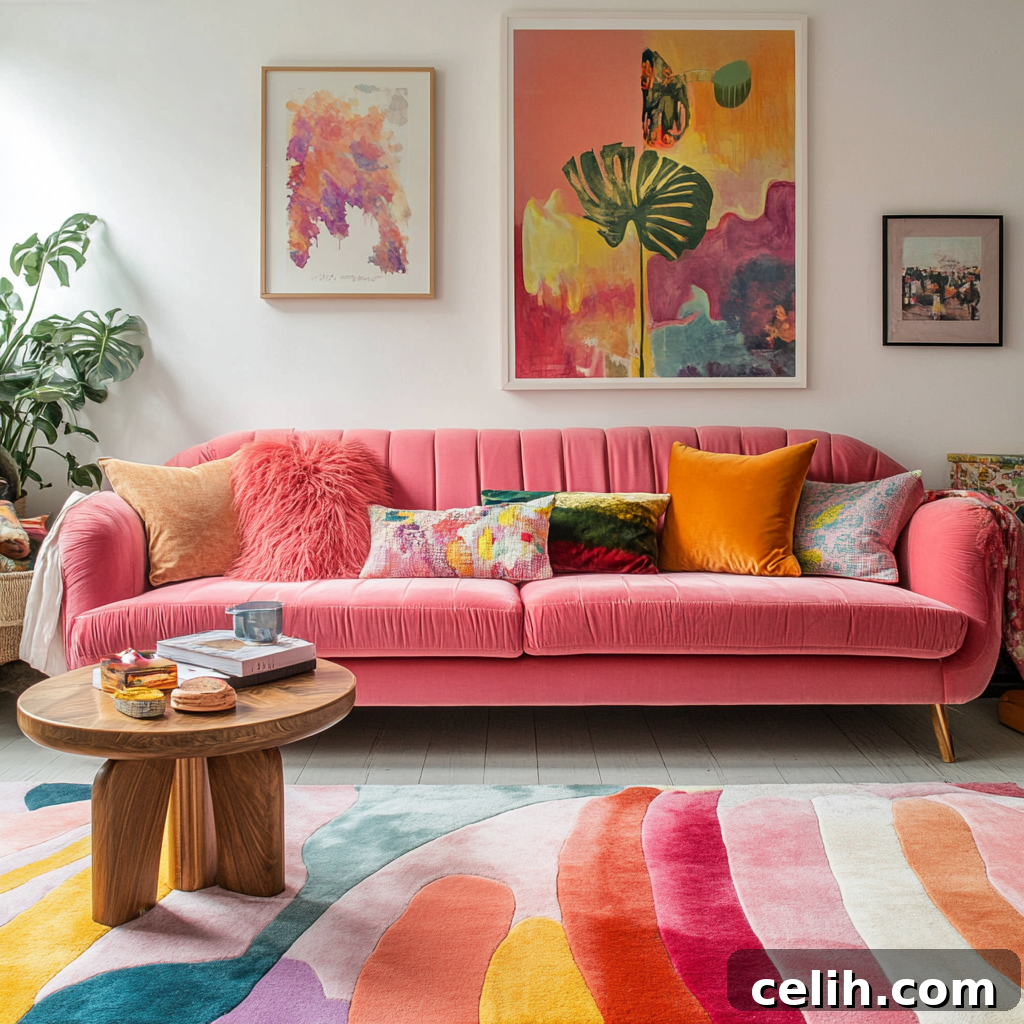
Your home should be a personal sanctuary, a place where you can relax, rejuvenate, and feel completely at ease. However, many homeowners are unknowingly designing spaces that contribute to hidden irritations and health issues. While aiming for aesthetic appeal and comfort, choices in colors, textures, furniture, and decorative elements can inadvertently create environments conducive to allergens and pollutants. From the plush fabrics that invite you to sink in, to the seemingly innocuous accents that add character, every detail has the potential to harbor microscopic adversaries. Understanding how your interior design decisions impact your indoor air quality and overall well-being is the essential first step towards transforming your dwelling into a truly healthy, serene, and comfortable retreat.
Common Culprits in Decorative Accents
While unique decorative pieces such as patterned wall hangings, intricate tapestries, and an abundance of cushioned accents can significantly enhance a room’s visual appeal and overall vibe, they often come with a hidden cost to your health. These items, particularly those with textured or fibrous surfaces, are notorious for trapping tiny particles that can trigger allergic reactions and respiratory sensitivities. Common irritants that collect in these decorative elements include household dust, seasonal pollen tracked in from outdoors, pet dander, and microscopic dust mites. The very fabric that makes a cushion inviting can become a thriving ecosystem for these unwelcome guests.
To mitigate this issue, a proactive approach is key. Implementing a routine of regular, thorough deep cleaning is paramount. Utilizing advanced cleaning tools, such as vacuum cleaners equipped with HEPA filters, can effectively capture these minute particles before they become airborne. Furthermore, making conscious choices when selecting new decor can significantly reduce future allergen accumulation. Opt for decorative items that feature smooth, easily wipeable surfaces, or those made from tightly woven, hypoallergenic materials. Materials like leather, faux leather, wood, metal, glass, or certain types of synthetic fabrics are often easier to maintain and less likely to trap allergens. For fabric-based items, choose those with removable, machine-washable covers. Prioritizing items known for being kind to sensitive noses and respiratory systems can prevent frequent flare-ups, allowing you to enjoy a stylish home without compromising on your well-being.
The Hidden Dangers of Paint
The allure of bold finishes and trendy wall treatments is undeniable; they offer an immediate and dramatic way to refresh and personalize interior spaces. However, many conventional paints and surface coatings contain volatile organic compounds (VOCs), which are chemicals that can release harmful gases into the air, sometimes for months or even years after application. This process, known as off-gassing, can significantly degrade indoor air quality. These airborne compounds can lead to a range of health issues, from immediate symptoms like headaches, dizziness, and nausea to more persistent problems such as skin irritation, eye discomfort, and exacerbated breathing difficulties, particularly for individuals with asthma or chemical sensitivities.
Addressing the “paint problem” requires informed decisions. A smart and increasingly accessible solution is to opt for paints and primers that are explicitly labeled as low-VOC or zero-VOC. These alternatives significantly reduce the emission of harmful chemicals, creating a much healthier indoor environment. This consideration is especially vital for rooms where occupants spend a substantial amount of time, such as bedrooms, living areas, and children’s nurseries. When undertaking painting projects, ensuring proper ventilation is crucial. Opening windows and using fans during and for several days after application can help dissipate any lingering fumes more quickly. Beyond low-VOC options, exploring eco-friendly and natural paint products, such as milk paints, clay paints, or mineral paints, can further minimize chemical exposure, promoting cleaner air and a safer home for everyone.
Cozy Yet Costly: The True Price of Plush Furnishings
Plush rugs, thick carpets, and soft window hangings undeniably add a layer of warmth, comfort, and luxurious texture to any interior. They invite relaxation and can define the aesthetic of a room. However, these very elements can become unwitting havens for a host of allergens that significantly impact indoor air quality and respiratory health. Fabric-based items, particularly those with deep piles and intricate weaves, are prime locations for the accumulation of dust, pollen, pet dander, and perhaps most notoriously, dust mites. Dust mites thrive in warm, humid environments and feed on shed human and pet skin cells. Their waste products are potent allergens, leading to symptoms such as frequent sneezing, congestion, itchy skin, and watery eyes over time, or even exacerbating asthma attacks.
Beyond dust mites, these soft furnishings can also become breeding grounds for mold spores, especially in areas prone to humidity or spills. Once mold takes hold, it releases spores that can trigger allergic reactions and respiratory problems. To mitigate these issues, a rigorous cleaning regimen is essential. Regular and thorough vacuuming, ideally with a vacuum cleaner equipped with a HEPA filter, is crucial for removing surface-level allergens. For deeper cleaning, professional carpet cleaning services or occasional steam cleaning can effectively kill dust mites and their eggs, as well as significantly reduce mold and bacteria. When selecting new items, consider opting for materials that are inherently less hospitable to allergens or are easier to clean. Low-pile rugs, for instance, trap fewer particles than high-pile shag carpets. Washable throw rugs and curtains allow for frequent laundering, which is highly effective in removing accumulated allergens. Investing in washable slipcovers for upholstered furniture is another excellent strategy. By making mindful choices and committing to consistent maintenance, you can enjoy the comfort and beauty of soft furnishings without the hidden health costs, thereby reducing the need for expensive replacements and maintaining a healthier living space.
Contemporary Surfaces: Style vs. Safety
Engineered wood floors and synthetic countertops, such as laminates or certain composite materials, are popular choices in modern homes due to their sleek appearance, durability, and often lower cost compared to natural alternatives. They offer a clean, contemporary aesthetic that many homeowners desire. However, the manufacturing processes for these materials frequently involve various chemicals, including adhesives, resins, and sealants, which can contribute to indoor air pollution through off-gassing. These materials can release volatile organic compounds (VOCs) into the air, irritating the skin, eyes, and respiratory system. The level of off-gassing tends to be highest immediately after installation but can persist for considerable periods.
To create a stylish yet safe environment, consider several strategies. During and after renovation projects involving these materials, improving airflow is critical. Keeping windows open and utilizing exhaust fans can help accelerate the dissipation of chemical emissions, allowing the air to clear more quickly. Furthermore, prioritizing products that have received certifications for low emissions is a highly effective way to ensure a healthier indoor environment. Look for labels such as GREENGUARD, FloorScore, or certifications from reputable organizations that test for low VOC content. These certifications provide assurance that the product meets stringent indoor air quality standards. For those seeking alternatives, natural materials like solid hardwood floors, natural stone countertops (granite, marble, quartz), or stainless steel offer excellent durability and aesthetic appeal without the associated VOC concerns. While they might represent a higher initial investment, the long-term health benefits and timeless appeal can make them a worthwhile choice for a truly healthy home.
Botanical Blues: When Plants Aren’t So Innocent
Integrating indoor plants into your home decor is widely celebrated for its ability to enhance aesthetics, improve mood, and even contribute to air purification. However, even these natural elements can inadvertently introduce new challenges to indoor air quality, especially for allergy sufferers. The moist soil within plant containers provides an ideal breeding ground for mold growth. As mold thrives, it releases microscopic spores into the air, which can be inhaled and trigger allergic reactions, sneezing, congestion, and even severe asthma attacks in sensitive individuals. Furthermore, some flowering plants can release pollen indoors, adding another layer of allergens to the environment.
To enjoy the benefits of indoor plants without the “botanical blues,” strategic choices and practices are necessary. Opting for foliage that requires less frequent watering, thereby keeping the soil drier, can significantly reduce the risk of mold growth. Examples include succulents, snake plants, and ZZ plants. Consider using special, low-allergen potting mixes that are designed to inhibit mold, or explore alternative growing mediums like LECA (Lightweight Expanded Clay Aggregate) or hydroponic systems, which eliminate soil altogether. Regular maintenance is also crucial: periodically wipe plant leaves with a damp cloth to remove accumulated dust and pollen. Ensure proper drainage for all potted plants to prevent waterlogging, which encourages mold. Furthermore, placing plants in areas with good air circulation can help prevent stagnant, humid conditions that mold favors. By implementing these mindful practices, you can harness the beauty and benefits of indoor greenery while maintaining a healthy, allergen-free atmosphere in your home.
Tidying Conundrums: The Hidden Cost of Clean
Maintaining a neat, tidy, and hygienic living space is undeniably important for comfort and well-being. Cleaning agents are indispensable tools in achieving this goal. However, many conventional cleaning products contain harsh chemicals and synthetic fragrances that, while effective at scrubbing away grime, can also significantly degrade indoor air quality and pose health risks. Aerosol products, in particular, are notorious for dispersing fine mists of irritants throughout a room, making them easily inhalable. Common ingredients like ammonia, bleach, phthalates, and strong synthetic perfumes can irritate the throat, eyes, skin, and respiratory system, immediately making it harder to breathe freely and potentially triggering allergic reactions or asthma flare-ups.
Navigating these “tidying conundrums” effectively means rethinking your cleaning arsenal. A significant positive change can be achieved by switching to gentler, more natural solutions. Look for products labeled as “eco-friendly,” “fragrance-free,” “hypoallergenic,” or those certified by environmental organizations. Simple household ingredients like vinegar, baking soda, and lemon juice can be incredibly effective for many cleaning tasks without the harmful chemical burden. When you do use any cleaning products, regardless of their composition, ensuring ample ventilation is paramount. Open windows, turn on exhaust fans, and use ceiling fans to circulate fresh air through the space. This practice helps to quickly clear out any lingering chemical residues and dilute airborne irritants, allowing you and your family to breathe easier. Prioritizing healthier cleaning habits not only contributes to a cleaner home but also a significantly healthier indoor environment.
Flooring Faux Pas: The Ground-Level Source of Allergens
The type of flooring you choose has a direct and profound impact on the concentration of allergens and irritants within your home environment. While soft coverings like wall-to-wall carpets and plush rugs offer a sense of warmth, acoustic dampening, and undeniable comfort underfoot, they are also notorious for acting as vast reservoirs for dust mites, pet dander, pollen, mold spores, and other airborne particulates. Their fibrous nature allows these allergens to settle deep within the pile, making them difficult to remove completely even with regular vacuuming. Over time, these accumulated irritants can become a constant source of allergy symptoms for sensitive individuals.
In contrast, hard surfaces such as tile, polished concrete, hardwood, or laminate flooring are considerably simpler to maintain and keep free of debris and allergens. Their non-porous surfaces prevent irritants from embedding, allowing for easy wiping, sweeping, or mopping to remove dust, dirt, and allergens effectively. For those who still desire the comfort and aesthetic appeal of soft mats, a compromise can be achieved by opting for low-pile area rugs. These trap fewer allergens and are generally easier to clean than their high-pile counterparts. Regardless of your choice, adhering to a diligent and deep-cleaning schedule is crucial, especially if you opt for any form of soft flooring. Utilize advanced filtering tools, such as a vacuum cleaner equipped with a HEPA filter, to capture even the smallest particles. For area rugs, consider options that are machine washable for optimal cleanliness. By carefully considering your flooring choices and committing to a rigorous cleaning routine, you can enjoy the warmth and style you desire without inadvertently contributing to an allergen-laden environment.
Ventilation Vices: The Cost of Stagnant Air
Efficient air movement and robust ventilation systems play a critically important role in maintaining a fresh, clean, and healthy indoor environment. Without proper ventilation, indoor air can become stagnant, allowing pollutants, allergens, and odors to accumulate to unhealthy levels. Systems designed to circulate and filter indoor air can significantly reduce the presence of microscopic triggers like dust, pollen, pet dander, mold spores, and volatile organic compounds (VOCs). However, these systems require consistent attention to perform optimally.
Neglecting your home’s ventilation can quickly turn into a significant health “vice.” Regular upkeep, including timely replacement of air filters (HVAC mesh swaps), professional AC repair and maintenance, and periodic duct cleaning, is absolutely essential. Clogged or dirty filters can reduce efficiency and even reintroduce allergens into the airstream. Dirty ducts can harbor dust, mold, and even pests, distributing these throughout your home. Beyond central HVAC systems, consider supplementing with dedicated air purifiers. Investing in appliances equipped with high-efficiency particulate air (HEPA) screens is a particularly effective strategy, as these filters are designed to capture 99.97% of airborne particles as small as 0.3 microns, including many common allergens and pollutants that often slip through standard filters. Ensuring adequate ventilation through open windows when possible, using exhaust fans in kitchens and bathrooms, and maintaining your HVAC system proactively are fundamental steps toward diluting indoor pollutants and safeguarding the air you breathe, contributing immensely to a truly healthy living space.
Illumination and Triggers: Lighting Your Way to a Healthier Home
The role of light, both natural and artificial, in shaping your home environment extends far beyond mere visibility. Natural sunlight, in particular, offers significant health benefits for your indoor space. Its rays not only brighten up interiors, making them feel more expansive and inviting, but also play a crucial role in inhibiting the spread of mold and mildew. This is because fungi thrive in damp, shadowy spots, and the presence of natural light, specifically its UV component, can help to dry out moisture and create an environment less hospitable to these unwelcome organisms. Maximizing natural light by keeping windows unobstructed and using light-filtering rather than heavy, opaque window treatments can significantly reduce the conditions favorable for mold growth, thereby boosting overall comfort and air quality.
Man-made lighting fixtures also play a significant, though often overlooked, role in indoor allergen management. Older-style bulbs, particularly traditional incandescent and halogen bulbs, tend to release a considerable amount of extra warmth. This localized heat can create warm, cozy pockets within a room, inadvertently establishing ideal microclimates where dust mites and other allergens can multiply rapidly. Furthermore, the heat can contribute to overall indoor humidity, further aiding mold growth. Switching over to modern LED lighting solutions is a highly effective strategy for creating a healthier home. LEDs are far more energy-efficient, producing significantly less heat compared to incandescent bulbs. This reduction in ambient warmth helps to keep your room cooler and less welcoming for dust mites and other heat-loving nuisances. Beyond the heat factor, good illumination also makes it easier to spot and clean dust accumulation, preventing it from building up and becoming airborne. By making intelligent lighting choices, you can actively contribute to a cleaner, cooler, and ultimately more allergy-friendly living space.
Endnote: Designing for Wellness
Achieving a harmonious balance between a stylish, aesthetically pleasing living space and one that actively promotes health and well-being is not just an aspirational goal, but an entirely attainable reality. The journey toward a truly healthy home involves making informed, conscious choices about every element that shapes your interior environment. By prioritizing practical solutions, from thoughtfully selecting easy-to-clean decor and furniture to diligently maintaining and upgrading your home’s air quality systems, you can effectively ward off the hidden irritants that often compromise indoor comfort and health. These seemingly small adjustments, when implemented consistently, yield significant benefits. They not only ensure your room looks impeccably designed and feels inviting, but also guarantee that every breath you take within your sanctuary feels a bit lighter, clearer, and infinitely more comfortable. Transform your home into a haven where style and health coexist beautifully.