
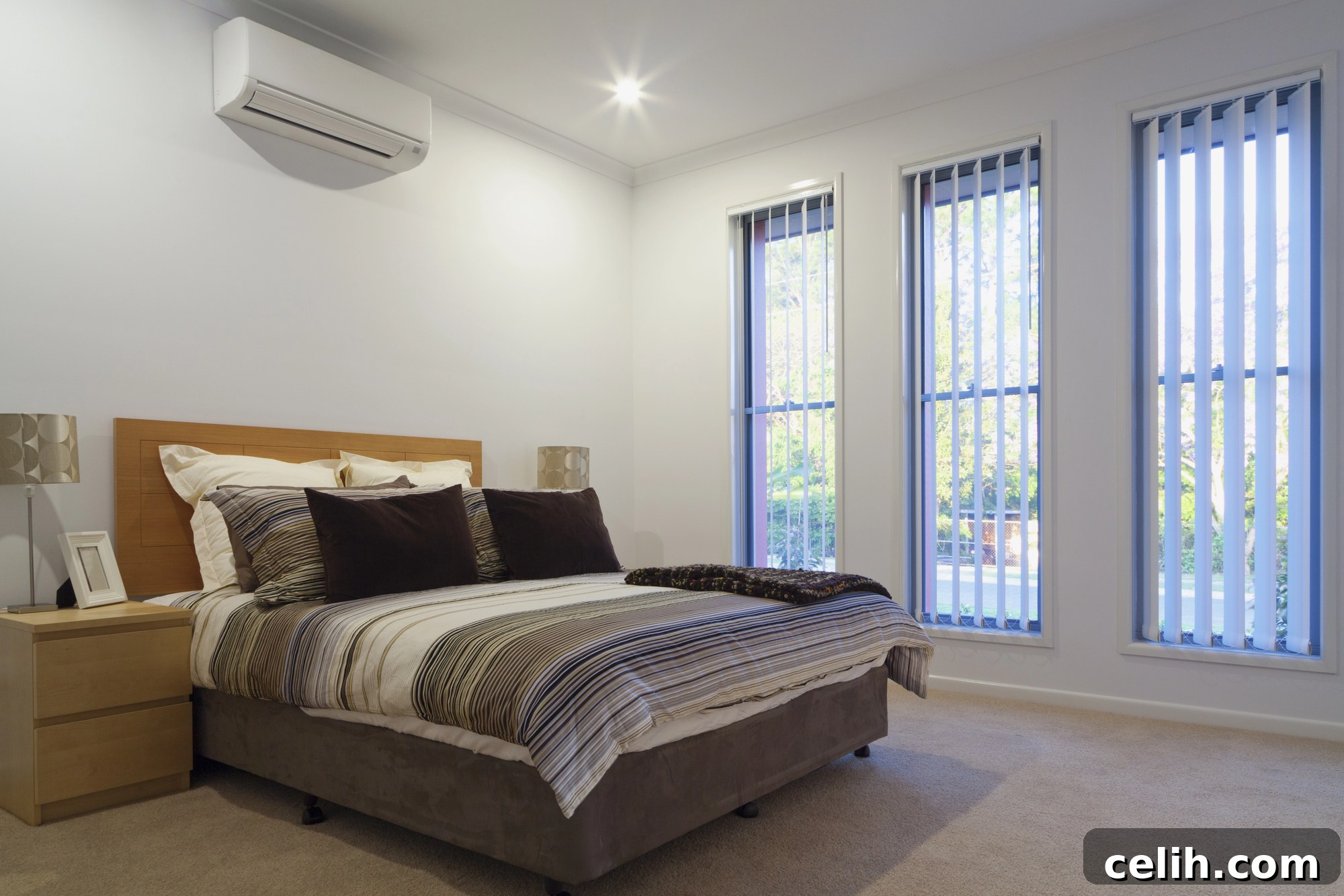
Creating a comfortable and healthy living environment in your home is paramount, and at the heart of this comfort lies the “ideal temperature.” This term encompasses more than just personal preference; it refers to an indoor climate that not only feels pleasant but also supports your well-being without driving up your energy bills. For many households across Australia, navigating the diverse climate means understanding how to maintain this optimal balance. Generally, the sweet spot for Australian homes hovers between 20 °C and 24 °C (68–75 °F), though this can fluctuate based on a variety of influencing factors and specific circumstances. Modern heating, ventilation, and air conditioning (HVAC) systems, such as advanced split system air conditioners, are indispensable tools in achieving and maintaining this equilibrium, allowing for precise adjustments tailored to your real-time needs and the ever-changing Australian weather.
Achieving this perfect indoor climate isn’t just about flicking a switch; it requires a nuanced understanding of how various elements interact to define your comfort. From the scorching summer heat to the crisp winter chill, and from the unique physiological needs of your family members to the humidity dancing in the air, every factor plays a crucial role in determining what truly constitutes the ideal home temperature. By intelligently managing these variables, you can create a sanctuary that is consistently comfortable, energy-efficient, and conducive to a healthy lifestyle.
Decoding the Ideal Temperature: Key Influencing Factors
The concept of an “ideal temperature” is dynamic, not static. It shifts and evolves based on a multitude of internal and external factors that dictate how you perceive comfort and how effectively your HVAC system operates. Understanding these elements is the first step towards mastering your home’s climate control and optimizing both comfort and energy consumption.
Season and Outdoor Climate: Adapting to Australia’s Extremes
Australia is renowned for its diverse and often extreme weather patterns. From the tropical humidity of the north to the dry heat of the outback and the cooler temperatures in the south, the outdoor climate serves as the fundamental baseline for adjusting your home’s heating and cooling system. Optimizing your HVAC system according to the season ensures it operates efficiently, preventing energy waste and enhancing comfort.
- During the Blazing Australian Summer: As temperatures soar, the primary goal is to create a cool and refreshing indoor environment without overworking your air conditioner. Aim for a temperature setting between 24 °C and 26 °C (75–79 °F). This range provides significant relief from the heat while remaining energy-efficient. Setting your AC much lower than this can lead to unnecessary energy consumption and may not feel significantly cooler due to the body’s natural adaptation to internal cooling.
- The Pitfalls of Over-Cooling: It’s crucial to avoid setting the thermostat below 24 °C, especially not above 26 °C, if you prioritize comfort and humidity control. While lower temperatures might seem appealing, they force your system to work harder, consume more energy, and can ironically lead to an overly dry indoor environment or, conversely, struggle to manage high humidity effectively, leaving you feeling clammy despite the cold.
- Navigating the Cooler Winter Months: When the mercury drops, maintaining warmth and coziness becomes the priority. The ideal indoor temperature during winter is typically between 20 °C and 22 °C (68–72 °F). This range provides adequate warmth, preventing the chill without making your home feel stuffy or leading to exorbitant heating costs.
- Debunking Energy-Saving Myths: Some homeowners mistakenly believe that setting their heating system to very low temperatures, below 20 °C, will drastically reduce energy consumption. However, this often backfires. Extremely low settings can increase the risk of encountering cold drafts and thermal discomfort, leading occupants to resort to alternative, less efficient heating methods or simply suffer in the cold. A consistent, moderate setting is often more efficient in the long run.
- Embracing Smart Technology: Modern HVAC systems, particularly split systems, come equipped with advanced features like smart timers and Wi-Fi connectivity. Leveraging these technologies allows you to easily adjust your settings remotely or pre-program schedules based on daily weather forecasts and occupancy patterns. This intelligent control ensures your home is always at the ideal temperature when you need it, optimizing both comfort and energy savings.
Occupants: Age, Health, and Individual Comfort Needs
The “ideal” temperature is deeply personal. What feels perfectly comfortable to one person might feel too hot or too cold to another. This individual variability is particularly pronounced when considering the age and health status of your home’s occupants. Understanding these differences is vital for creating a truly comfortable and healthy environment for everyone.
- Catering to the Vulnerable: Elderly individuals and very young children often have less efficient thermoregulation systems, making them more susceptible to temperature extremes. For these groups, maintaining a slightly warmer temperature range of 22 °C–24 °C (72–75 °F) is crucial. This helps support their immune systems, reduces the risk of respiratory issues, and ensures their overall comfort and well-being.
- Supporting Respiratory Health: Individuals suffering from asthma, allergies, or other respiratory conditions are particularly sensitive to fluctuations in indoor climate. For them, maintaining steady temperatures and moderate humidity levels (ideally between 40–60%) is paramount. Consistent conditions help prevent triggers that can exacerbate symptoms, ensuring clearer breathing and improved quality of life.
- Comfort During Illness and Recovery: When someone in the household is unwell, their body may require different thermal conditions to aid recovery. Setting the HVAC system to slightly warmer temperatures, typically between 23 °C–25 °C, can provide a more comforting environment, helping the body conserve energy and focus on healing. This gentle warmth can be particularly beneficial for those experiencing chills or body aches.
Humidity Levels: The Unsung Hero of Comfort
Humidity often goes unnoticed until it becomes a problem, yet it significantly impacts how warm or cool the air feels. High humidity means the air is heavy with water vapor, making it harder for your body to cool itself through sweat evaporation. Conversely, excessively low humidity can lead to dry skin, irritated airways, and a sensation of being colder than the actual temperature. Adjusting your temperature settings in conjunction with humidity levels is key to true comfort.
- The Goldilocks Zone for Humidity: The ideal indoor humidity level for most homes ranges between 40% and 60%. When humidity climbs above 60%, the air feels heavy, sticky, and muggy, even if the temperature is moderate. This can lead to discomfort, promote mold growth, and attract dust mites. If humidity drops below 40%, the air feels dry, leading to chapped skin, static electricity, and a sensation of chilliness, often making you feel colder than the actual thermostat reading.
- Battling High Humidity: In naturally humid regions, such as North Queensland, managing indoor humidity is a constant challenge. In these areas, slightly lowering the temperature on your air conditioner can help, but pairing it with a dedicated dehumidifier is far more effective. A dehumidifier actively removes moisture from the air, making the environment feel significantly cooler and more comfortable without requiring excessively low and energy-intensive temperatures.
- Counteracting Dry Winter Air: During the colder months, especially when heating systems are in continuous operation, indoor air can become excessively dry. This can lead to discomfort, dry throats, and static. In such scenarios, using a humidifier can introduce much-needed moisture back into the air, making the home feel warmer and more comfortable at higher, more energy-efficient temperatures.
Activity Levels: Tailoring Temperature to Your Lifestyle
Your perception of warmth or coolness is directly linked to your metabolic rate and physical activity. Whether you’re engaged in vigorous exercise, busy with household chores, or simply relaxing, your body generates heat at different rates, influencing your thermal comfort. Intelligent temperature management considers these varying activity levels.
- High-Energy Pursuits: Activities that significantly elevate your heart rate and metabolism, such as exercising, intense cleaning, or even cooking a large meal, cause your body to produce more heat. During these times, a cooler indoor temperature range of 20 °C–22 °C is more appropriate to prevent overheating and maintain comfort.
- Sedentary Tasks and Relaxation: When engaging in less strenuous activities like reading, working at a desk, watching television, or sleeping, your body’s heat production is lower. Consequently, a slightly warmer temperature range of 22 °C–24 °C is generally more comfortable for these sedentary periods, allowing you to relax without feeling a chill.
- Alternative Comfort Strategies: Relying solely on your air conditioning or heating system for every minor comfort adjustment can be inefficient. Consider using a ceiling fan to create a gentle breeze, which can make a room feel several degrees cooler without changing the thermostat setting. Similarly, adjusting your clothing—adding a layer if you’re cold or opting for lighter attire if you’re warm—can significantly enhance your comfort without overworking your HVAC system, contributing to substantial energy savings.
Beyond Comfort: The Health Implications of Uncontrolled Temperatures
While comfort is often the primary driver for adjusting indoor temperatures, the health ramifications of consistently too hot or too cold environments are significant and should not be underestimated. Maintaining an ideal temperature isn’t just a luxury; it’s a critical component of a healthy living space.
The sensation of discomfort is merely the tip of the iceberg when indoor temperatures deviate too far from the ideal range. Consistently cold indoor air, particularly below 16 °C, poses substantial health risks. It can suppress the immune system, making individuals more vulnerable to respiratory infections like the common cold, flu, and even pneumonia. This risk is especially pronounced for vulnerable populations, including the elderly, infants, and individuals with pre-existing heart or lung conditions, for whom cold stress can exacerbate symptoms and lead to serious health complications.
Conversely, excessively warm indoor spaces present their own set of dangers. Temperatures consistently above 27 °C–29 °C can trigger a cascade of adverse health effects. Prolonged exposure to high heat can lead to dehydration as the body attempts to cool itself through sweating. This can quickly escalate to heat exhaustion, characterized by symptoms like heavy sweating, weakness, dizziness, and nausea. In severe cases, it can progress to heatstroke, a life-threatening medical emergency. High indoor temperatures also severely disrupt sleep patterns, leading to fatigue, reduced cognitive function, and increased irritability. For effective management of excess heat and to maintain optimal humidity, particularly during the intense Australian summers, installing a single room heat pump can be an invaluable solution, offering both cooling and heating capabilities while keeping humidity levels in check.
Understanding and proactively managing your home’s indoor climate is therefore an investment in your family’s health and well-being. By maintaining consistent, comfortable temperatures and optimal humidity levels, you can significantly mitigate the risks associated with thermal extremes, fostering a healthier and more productive living environment.
Achieving Optimal Indoor Climate: The Path to Comfort and Efficiency
What you ultimately consider the ideal home temperature is a complex interplay of many factors: the prevailing outdoor climate, the age and health status of occupants, ambient humidity levels, and current activity levels within the home. However, by acquiring knowledge about the recommended temperature ranges and understanding how each factor influences your thermal comfort, you can significantly enhance not only the comfort of your living space but also achieve substantial energy savings and promote better health outcomes for everyone under your roof.
The journey to an optimal indoor climate is greatly facilitated by the right heating and cooling equipment. Modern HVAC systems, such as energy-efficient split systems and versatile heat pumps, offer precise temperature control, advanced air filtration, and smart features that adapt to your lifestyle. These technological marvels, when used intelligently, can transform your home into a haven of consistent comfort, irrespective of the external weather conditions. If you’re seeking expert guidance on selecting the perfect heating and cooling system tailored to your unique needs and the specific climate of your Australian home, consulting a reputable company like Fujitsu is a wise first step. Their expertise can ensure you invest in a solution that provides year-round comfort, optimal energy efficiency, and a healthy indoor environment for years to come.