
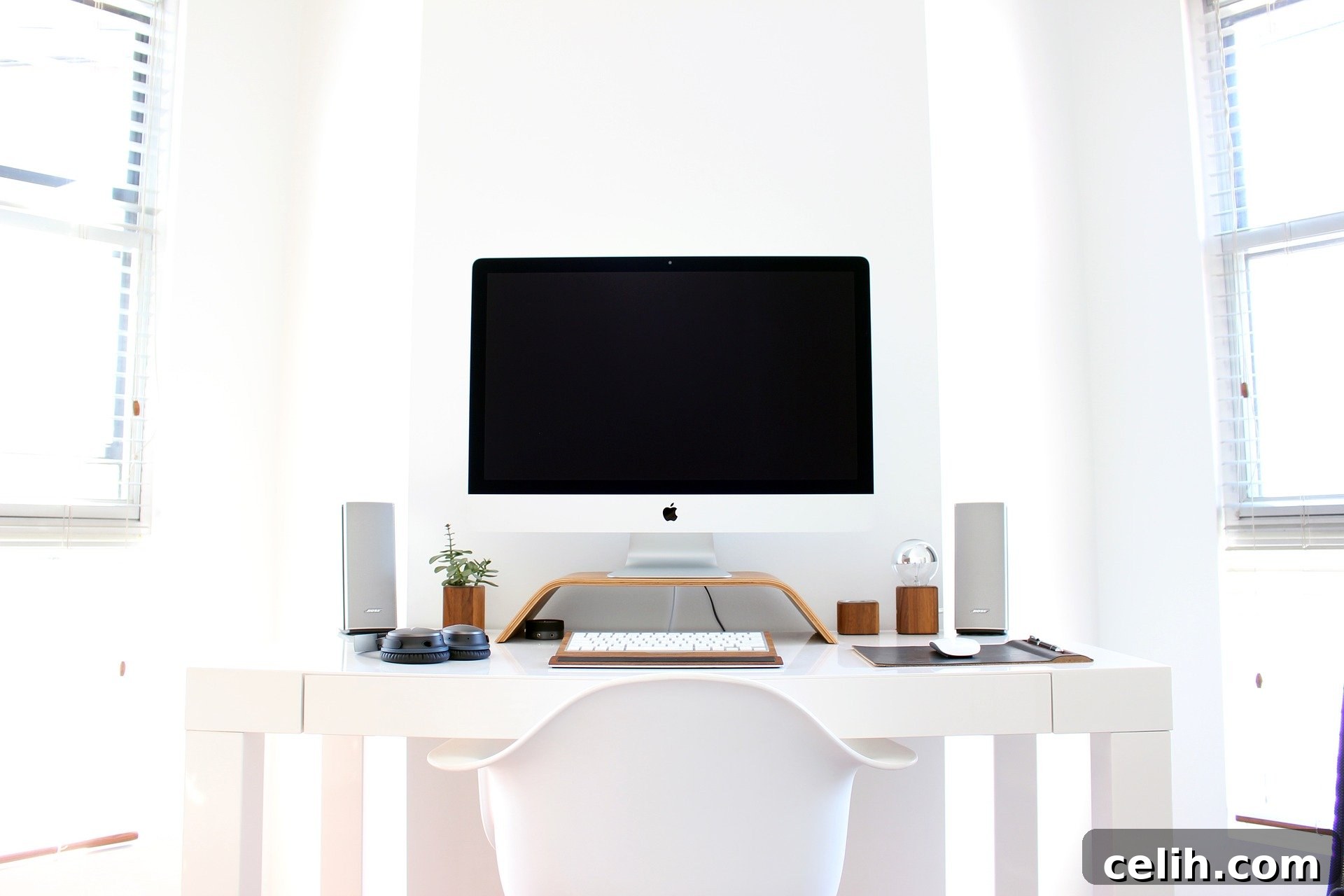
When was the last time you truly considered the design of your desk? Often overlooked, desks play an incredibly significant, albeit silent, role in every office environment – whether corporate or home-based. They are intricately linked to our health, comfort, and ultimately, our productivity in the workplace. Imagine, for instance, an ergonomically designed, height-adjustable standing desk. Such an innovation dramatically reduces neck and shoulder stress for individuals of all statures, from the tallest to the shortest, enabling them to maintain focus and work effectively for extended periods without discomfort. If the desk in your own home office, or even your company’s workspace, hasn’t received much thought recently, now is the perfect moment to explore the groundbreaking advancements in modern desk design.
The Rise of Modern Standing Desks: A Revolution in Workspace Ergonomics
The concept of the standing desk is far from new, with historical figures reportedly using elevated surfaces for work. However, the modern standing desk has undergone a profound transformation, moving beyond a simple raised platform to become a sophisticated tool designed to enhance well-being and efficiency. Its resurgence in popularity is driven by a growing awareness of the detrimental effects of prolonged sitting, a common habit in our increasingly sedentary lifestyles.
Research consistently highlights that sitting for extended durations, whether in front of a computer, during commutes, or while relaxing, can contribute to a series of serious health issues. These aren’t merely minor inconveniences but can have significant long-term impacts on one’s physical and mental health. The risks associated with a sedentary lifestyle include:
- Reduced Lifespan: Studies suggest a correlation between excessive sitting and increased mortality rates, independent of physical activity levels outside of work.
- Chronic Musculoskeletal Pain: Persistent lower back, shoulder, and neck pain are common complaints, often stemming from poor posture and prolonged static positions.
- Poor Blood Circulation: Extended sitting can impede blood flow, leading to issues like swollen ankles, varicose veins, and an increased risk of blood clots.
- Lethargy and Weight Gain: A sedentary lifestyle slows metabolism, reduces calorie expenditure, and can contribute to feelings of sluggishness and weight accumulation, impacting energy levels and overall mood.
- Increased Risk of Chronic Diseases: Conditions such as heart disease, type 2 diabetes, and even certain cancers have been linked to prolonged sitting.
While the fundamental idea of working while standing isn’t groundbreaking, the ingenuity with which contemporary manufacturers have evolved the simple standing desk is truly remarkable. They have masterfully blended aesthetics, health benefits, and productivity enhancements into a single, cohesive design, deserving of critical attention from anyone serious about optimizing their workspace. The transition from bulky, static, or cumbersome manually adjusted desks to the sleek, user-friendly models available today marks a significant leap forward in ergonomic design.
Historically, adjusting an early standing desk often involved a manual, laborious process of pushing, pulling, or using rudimentary stoppers to change its height. This cumbersome nature often deterred users from switching positions frequently, negating many of the potential health benefits. However, the advent of electric height-adjustable standing desks has completely revolutionized this experience. These modern marvels are fully motorized, transforming the act of alternating between standing and sitting positions into an effortless, seamless motion. This ease of adjustment is crucial, as it empowers users to maintain an ideal balance between physical well-being and work demands throughout their day, without ever having to sacrifice one for the other.
Manual Height Adjustable Desks: The Evolved Classic
Often considered the precursor to their electric counterparts, manual height-adjustable standing desks have also seen significant innovation and remain a vital segment of the ergonomic furniture market. Why do they still hold a place in this discussion of modern desk design? Because advancements in their engineering have made them more accessible and user-friendly than ever before, offering an excellent solution for individuals across various budgets who seek to integrate sit-stand capabilities into their work or home setup.
Unlike the rudimentary designs of the past, where adjusting a desk often felt like a strenuous workout, modern manual standing desks from reputable manufacturers now feature smooth, efficient crank mechanisms. While they still require a bit of physical effort from the user, the operation of these updated cranks is surprisingly fluid and light, making the raising or lowering of the desk an almost effortless task. This improvement significantly reduces the friction associated with switching positions, encouraging more frequent adjustments and better ergonomic practices.
Furthermore, contemporary manual desks often provide a much finer degree of control over height adjustments. Instead of being limited to a few predetermined stopping points, the latest models come equipped with multiple ridges or incremental stopping points. This allows for comparatively granular control, enabling users to find their precise, optimal height with greater accuracy, tailoring the desk to their unique ergonomic needs. For those who prioritize reliability, simplicity, and cost-effectiveness, or who don’t anticipate making very frequent adjustments throughout the day, a well-designed manual height-adjustable desk presents a compelling and sustainable option.
Electric Height Adjustable Desks: The Pinnacle of Convenience and Customization
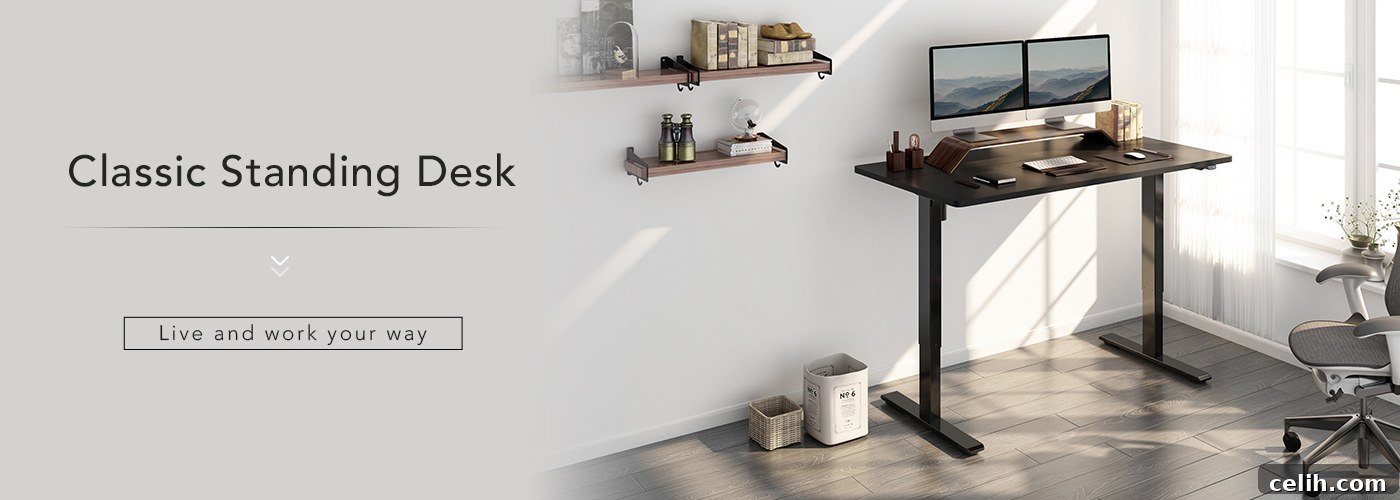
Representing the forefront of ergonomic innovation, electric height-adjustable standing desks offer unparalleled convenience and sophistication. These desks are equipped with one or two (depending on the desk’s size, weight capacity, and overall stability requirements) electrical motors that handle all height adjustment functions. This sophisticated motorized system means that users can effortlessly transition between sitting and standing positions with the touch of a button, allowing them to remain fully immersed in their work without the distraction or effort of manual adjustments.
The market for electric standing desks is robust, featuring a wide array of options from leading brands known for their quality and design. For example, brands like Flexispot and FRISKA have become synonymous with cutting-edge desk solutions. The classic standing desk from Flexispot exemplifies accessibility and functionality, allowing users to comfortably work in a standing position and precisely adjust the desk to various heights to achieve their perfect ergonomic setup. Many Flexispot models also offer memory presets, enabling users to save their favorite sitting and standing heights for instant recall.
Similarly, FRISKA desks, renowned for their Swedish engineering and minimalist aesthetic, are designed with the user’s comfort and long-term health as primary considerations. These adjustable desks boast a motorized system that responds with impressive speed and near-silent operation, ensuring that height adjustments are smooth, swift, and unobtrusive. This commitment to silent, rapid transitions is crucial for maintaining focus and minimizing disruption in any workspace. Furthermore, many premium electric desks feature advanced functionalities such as anti-collision systems, built-in USB charging ports, and integrated cable management solutions, transforming them into comprehensive, smart workstations.
Maximizing Your Work Life with Height Adjustable Standing Desks
In an era where most of us are spending more time sitting than ever before, both for professional duties and personal leisure, the ability to seamlessly switch between standing and sitting positions is not just a luxury, but a necessity for long-term health. Motorized height-adjustable standing desks are instrumental in facilitating this crucial change, significantly mitigating the harmful effects associated with prolonged sedentary behavior. By encouraging movement and varied posture, these desks contribute to a more dynamic and healthier workday.
To fully capitalize on the benefits of your new height-adjustable standing desk, consider integrating the following habits into your daily routine. These recommendations aim to create a balanced, active workday that supports both your physical and mental well-being:
- Optimal Standing-to-Sitting Ratio: Strive for a standing:sitting ratio of at least 6:4, and ideally, 7:3, for every hour you work. This means aiming to stand for approximately 36-42 minutes within each hour. This regular alternation helps prevent muscle fatigue and promotes better circulation.
- Strategic Breaks: Position your sitting session after a standing period. At the end of each hour, make it a point to take a short 5-10 minute walking break. Even a brief stroll can do wonders for blood flow, mental clarity, and reducing stiffness.
- Dynamic Sitting: While sitting, avoid remaining static for too long. Periodically shift your weight, gently stretch your neck and shoulders, and adjust your posture. Consider using an ergonomic chair that supports dynamic movement to keep your spine active.
- Utilize Anti-Fatigue Mats: For standing periods, an anti-fatigue mat can significantly reduce strain on your feet, legs, and lower back, making standing more comfortable and sustainable for longer durations.
- Monitor and Keyboard Ergonomics: Ensure your monitor is at eye level and your keyboard and mouse are positioned so your elbows are at a 90-degree angle, whether sitting or standing. Adjustable monitor arms can be particularly useful in maintaining this optimal setup.
The Indispensable Balance: Prioritizing Health in Your Workspace
The global shift towards remote and hybrid work models, significantly accelerated by events like the COVID-19 pandemic, has undeniably brought the home office into sharper focus. This shift underscores the critical importance of creating a workspace that is not only efficient but also supremely supportive of long-term health and well-being. Beyond ensuring stable internet connectivity and reliable hardware, the most foundational upgrade for nearly any home office remains the desk itself. It is the primary interface between you and your work, dictating much of your ergonomic experience and overall comfort.
Consider the array of equipment that populates your workspace: laptops, monitors, keyboards, mice, and various peripherals. All these essential tools are laid out on your desk, making its size, stability, and adjustability paramount. A makeshift or poorly designed desk will inevitably lead to discomfort, strain, and reduced productivity. Conversely, a spacious, robust, and height-adjustable desk allows you to work comfortably for hours without suffering from a cramped neck, stiff back, or aching shoulders. This adaptability is crucial in making the entire concept of working from home physically sustainable and truly effective. The ability to seamlessly transition from sitting to standing positions at will is not just a feature; it’s a foundational element for fostering a healthy and dynamic work environment.
Beyond traditional sit-stand functionality, some manufacturers are pushing the boundaries of active workstations. For instance, the Cycle Desk Bike from Flexispot ingeniously combines a desk with an exercise bike, allowing users to engage in light physical activity while working. This innovative approach offers a unique solution for those seeking to integrate even more movement into their workday, combating sedentary habits with practical, integrated fitness.
The long-term consequences of working for extended periods at fixed desks with poorly designed chairs are severe and often underestimated. These practices can lead to the development of chronic conditions such as permanent lower back, neck, elbow, and shoulder injuries, including repetitive strain injuries like carpal tunnel syndrome. These physical ailments, in turn, directly and indirectly impact our mental well-being and overall quality of life. For example, chronic pain has been extensively linked to depression, anxiety, and significant job dissatisfaction. The positive transformations that can occur when you make the switch to a height-adjustable standing desk for the first time might genuinely surprise you, not just in terms of physical comfort but also in improved mood, focus, and overall job satisfaction.
Investing in a modern, ergonomic desk is not merely an expenditure; it’s a strategic investment in your health, productivity, and long-term professional sustainability. It’s about creating a workspace that actively supports your well-being, rather than hindering it.
For more insights into creating an optimal workspace, discover how Fresh Design blogger Sara Walker experienced the shift when she tried out a standing desk, offering a real-world perspective on its benefits. Or explore some fantastic ideas on how to elevate your overall productivity in your daily life.