
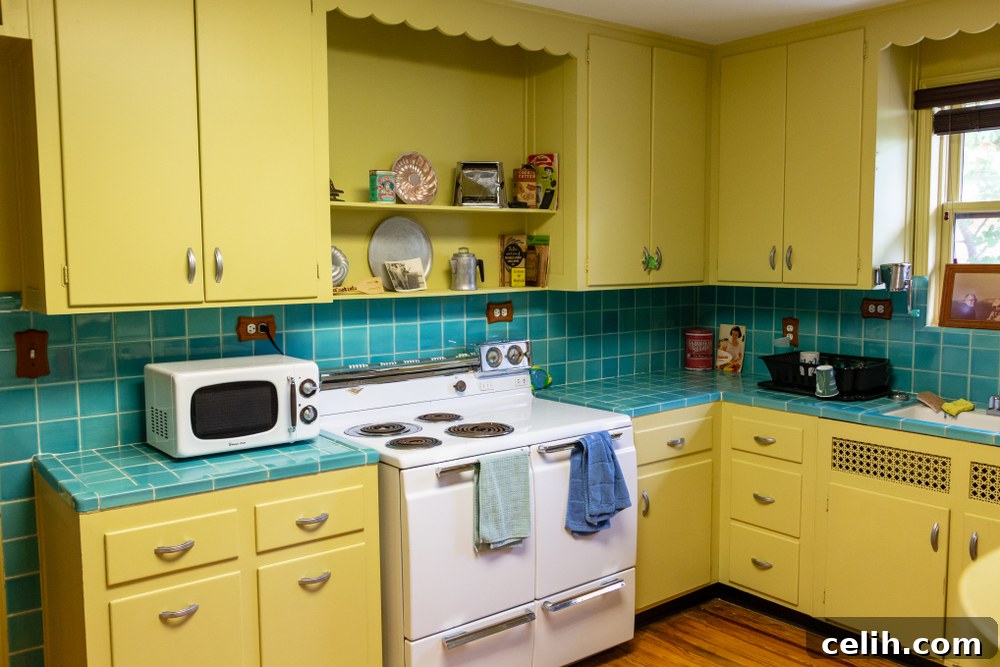
Step back in time and unlock the timeless appeal of the 1940s decorating style. This era, shaped by profound global events, ushered in a unique approach to interior design that blended practicality with burgeoning optimism. As the world navigated the complexities of World War II and the subsequent rebuilding, homes became sanctuaries – spaces that needed to be efficient, comforting, and visually uplifting. While material rationing was a significant constraint during the war years, it also spurred creativity, leading designers and homeowners to ingenious solutions. Post-war, new materials became more accessible, allowing for a fresh wave of innovation in home aesthetics. If you’re captivated by the distinctive charm of 1940s decor, this guide offers a comprehensive look at how you can infuse your modern living spaces with authentic vintage character and a touch of nostalgic elegance.
Embracing the Spirit of 1940s Interior Design: A Historical Perspective
The 1940s saw a fascinating evolution in home design. Early in the decade, wartime austerity dictated a “make do and mend” philosophy, prioritizing functionality, durability, and economical use of resources. Homes were designed for practicality, often featuring modest furniture and durable finishes. However, alongside this pragmatism, there was a deep desire for comfort and a dash of cheerful escapism. As the decade progressed, and particularly in the post-war years, a sense of optimism emerged, reflected in brighter color palettes, more decorative patterns, and the introduction of innovative materials. This blend of sensible living with a hopeful outlook defines the true essence of 1940s interior style, making it incredibly versatile for contemporary homes seeking character and warmth.
Foundation First: The Enduring Appeal of Linoleum Flooring
When envisioning a 1940s-inspired home, one of the most foundational elements to consider is the flooring, and here, linoleum reigns supreme. Widely popular throughout the 1940s, linoleum was not merely a utilitarian choice; it was a testament to design ingenuity and practical living. Its rise in popularity was largely due to its remarkable durability, ease of cleaning, and the wide array of colors and patterns it offered. Homeowners could choose from simple solid hues to intricate geometric designs, often combining different patterns to create bespoke floor layouts, particularly in kitchens and bathrooms where hygiene and resilience were paramount.
Modern linoleum, crafted from natural materials like linseed oil, cork dust, wood flour, and natural pigments, continues to be a sustainable and hard-wearing option. It’s an excellent choice for high-traffic areas like the kitchen, utility room, or bathroom, perfectly capturing the period’s aesthetic without compromising on contemporary performance. Consider classic checkerboard patterns in black and white or primary colors, or explore subtle marbleized effects. Linoleum provides a comfortable, quiet surface underfoot, making it ideal for creating that cozy, welcoming 1940s atmosphere. Pairing this timeless flooring with a period-style kitchen table, perhaps featuring sleek metal table legs or simple wooden construction, will instantly anchor the room in the desired era.
The Warmth of Wood: Integrating Pine Features
Another hallmark of 1940s decorating was a distinct affinity for untreated, knotted pine. This natural, warm material was particularly prevalent in kitchens and bathrooms, bringing a rustic yet inviting feel to these functional spaces. The beauty of pine lay in its accessibility and affordability, making it a popular choice for cabinetry, wall paneling, built-in storage, and even simple furniture pieces like kitchen tables and chairs. The visible knots in the wood were not hidden but celebrated, adding character and an unpretentious charm that perfectly aligned with the era’s practical sensibilities.
To replicate this look in your modern home, you have several authentic options. You can source genuine reclaimed pine, which brings with it a rich history and natural patina. Alternatively, new pine can be used, keeping the finish natural with a clear sealant or a light stain to highlight its grain. For those seeking a more budget-friendly or uniform approach, modern medium-density fiberboard (MDF) with a high-quality pine-effect laminate or veneer offers a convincing alternative. This allows you to achieve the aesthetic without the maintenance of solid wood. Consider pine for kitchen cabinets, wainscoting in a dining nook, or a built-in pantry to instantly evoke the humble elegance of a 1940s home. The natural texture and warm tones of pine will complement the era’s typically bright color schemes beautifully.
A Splash of Joy: Opt for Bold and Contrasting Colors
The 1940s, despite its serious backdrop, was an era that embraced color with a surprising vivacity. After years of austerity, there was a collective yearning for cheerfulness and optimism, which manifested in interior design through the use of bold and contrasting color palettes. Catching the eye was a big feature of 1940s decorating style, meaning homeowners often opted for striking mixes that offered a sense of uplift and dynamism. Think vibrant yellows paired with deep purples, or classic reds juxtaposed with serene blues – combinations that created an immediate visual impact and a cheerful ambiance.
A particularly popular and patriotic scheme featured red, white, and blue, frequently seen in various forms throughout homes, a subtle nod to national pride and unity. Beyond these striking contrasts, the decade also saw a love for a broader spectrum of hues, including soft pastels like dusty rose, mint green, and sky blue, often punctuated by pops of more intense colors such as forest green, rich burgundy, or bright turquoise. These colors were liberally applied to furnishings, carpets, linoleum flooring, and curtains. The key to authentic 1940s color application is to use these hues both sparingly for impact and prominently to define spaces. Instead of an overwhelming wash, strategically placed bold elements, such as a feature armchair in a vivid color, patterned drapes, or a brightly painted piece of furniture, would create immediate focal points and inject personality into any room. The aim was to create a lively yet harmonious environment that felt both comforting and visually stimulating.
The Art of Pattern: Why Wallpaper is Key
No exploration of 1940s decorating style would be complete without highlighting the indispensable role of wallpaper. If you delve into archival photographs of interiors from this period, you’ll immediately notice that wallpaper was an integral component in defining the look and feel of a room. It was typically sweet, often colorful, yet remarkably simple in its design – a perfect blend of decorative charm and understated elegance. Unlike today’s trend of a single feature wall, a truly authentic 1940s theme demands wallpaper on all walls of a room, creating a cohesive and enveloping aesthetic.
The patterns were diverse, ranging from delicate floral chintz and small repeating motifs to geometric designs and stripes. Pictorial or scenic wallpapers, depicting idyllic landscapes or charming domestic scenes, also found their place, adding an element of storytelling to the walls. Wallpaper served multiple purposes: it added warmth, masked imperfections, and provided an instant injection of pattern and color, often at a more accessible price point than intricate paintwork or expensive textiles. To recreate this essential element, seek out reproductions of 1940s wallpaper designs. Look for patterns that evoke nostalgia without feeling overly busy. Consider using a small-scale floral in a bedroom for a cozy retreat, or a subtle geometric pattern in a living area for a touch of period sophistication. The immersive nature of wallpapered rooms is central to capturing the unique atmosphere of a 1940s home.
Functional Elegance: Simple Designs Without Excess
The socio-economic realities of the 1940s meant that luxury and excess were generally out of reach for many. Consequently, the prevailing design philosophy embraced simplicity, functionality, and resourcefulness. Even with the introduction of bright colors and patterns, designs remained largely uncluttered and efficient. This focus on “less is more” was heavily influenced by the streamlined aesthetic seen in contemporary cinema and industrial design, translating into home interiors that were practical yet undeniably stylish. Furniture pieces were typically well-built but modest, prioritizing comfort and utility over elaborate ornamentation. Woods like oak, maple, and birch were common, often in lighter finishes, and upholstered pieces featured durable, often patterned, fabrics.
Texture and contrast became paramount in adding visual interest without extravagance. Think woven rugs, sturdy drapes, and the natural grains of wood juxtaposed with the smooth surfaces of linoleum or Bakelite accessories. Lighting also played a crucial role in establishing the mood. The 1940s favored warm, inviting, and often moody illumination. Instead of harsh overhead lights, rooms were typically lit with a combination of functional and atmospheric sources. Uplights were commonly used to accentuate architectural features or art, while also softening the overall light and minimizing glare from central fixtures. Table lamps with fabric shades and simple floor lamps cast a gentle glow, contributing to a cozy and intimate atmosphere that was perfect for a family-focused home. When curating your space, prioritize pieces that offer clean lines, practical use, and a sense of enduring quality over fleeting trends.
Personal Stories: Include Art, Photography, and Collectibles
A truly authentic 1940s home was a reflection of its inhabitants, filled with personal touches, cherished memories, and tasteful decorative elements. One wall, particularly in the living room or hallway, would often become a gallery of sorts, adorned with photos and paintings to foster a warm and welcoming, “lived-in” feeling. While family photographs were, of course, central to this display, the era also saw a rise in the popularity of printed posters, offering an accessible way to introduce art and visual interest. These could range from charming advertising prints to reproductions of popular artwork or even subtly integrated wartime propaganda posters, chosen for their graphic appeal.
The arrangement of these pieces could vary from a formal, symmetrical grid to a more eclectic, salon-style grouping, adding character and depth to the walls. Frames were typically simple – often wooden with minimal embellishment – allowing the artwork itself to shine. To enhance these displays, incorporating period-appropriate light fittings is an excellent touch. Look for wall-mounted picture lights or strategically placed table and floor lamps that cast a soft glow on your curated collection. Hunting for these pieces can be a delightful journey; charity shops, antique markets, and online auction sites are treasure troves for vintage frames, prints, and light fixtures that will perfectly complement your 1940s theme. These personal touches not only authenticate the style but also transform your house into a cozy, story-filled home, much like those of the post-war era.
Integrating 1940s Charm into Your Modern Abode
Successfully weaving the aesthetic of the 1940s into a contemporary home is about balance and thoughtful curation. The goal isn’t to create a museum exhibit, but rather to infuse your space with the era’s enduring charm and comfort. Consider integrating key elements such as durable linoleum in kitchens or utility areas, the warmth of pine in cabinetry or decorative accents, and the strategic use of bold, uplifting colors in soft furnishings or statement pieces. Wallpapering an entire room can create an immersive experience, while simple, functional furniture ensures a sense of understated elegance.
Accessorizing plays a vital role in completing the look. Seek out vintage radios, classic ceramic dishware, glass vases, and other small decorative items that evoke the period. Remember the emphasis on practicality, craftsmanship, and a touch of cheerful optimism. By incorporating these elements thoughtfully, perhaps focusing on one or two rooms initially, you can create a home that feels both historically rich and comfortably modern. The 1940s style, with its blend of resilience, resourcefulness, and understated elegance, offers a timeless blueprint for a truly inviting living space.