
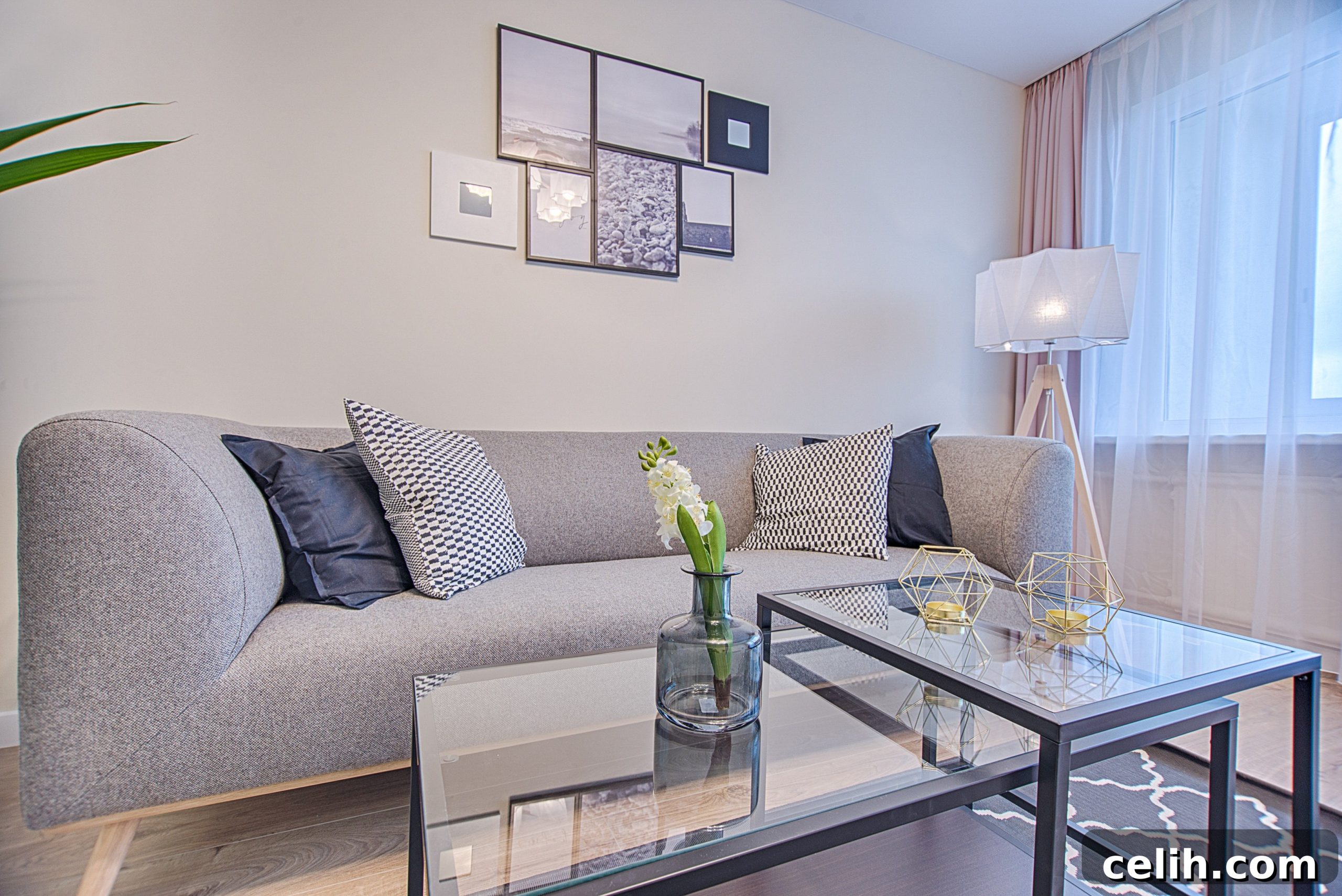
Many people mistakenly believe that home design is an intricate, mysterious art form accessible only to a select few. In reality, creating a beautiful and functional home environment is a skill that anyone can cultivate with a bit of guidance and inspiration. This comprehensive guide aims to demystify the world of home design, offering practical, actionable tips that empower even absolute beginners to personalize their living spaces and infuse them with unique character and comfort.
Whether you’re embarking on a complete home makeover or simply seeking to refresh a single room, these essential strategies will help you transform your vision into a tangible reality. We’ll explore everything from understanding your personal aesthetic to tackling practical repairs, optimizing color palettes, integrating nature, and implementing clever space-enhancing tricks. By focusing on these core principles, you’ll discover a multitude of ways to leave your personal mark on your home, making it a true reflection of who you are and a sanctuary you genuinely love.
Design Your Home for *You*
One of the most profound and essential home design tips to grasp at the outset is to prioritize your own needs and preferences above all else. While it’s natural to want to create a space that is welcoming and impressive to guests, remember that this is, first and foremost, your personal space. Whether you own the entire property or share a portion of it, the innate human desire to carve out and personalize one’s immediate environment is incredibly powerful and should be embraced.
Avoid the trap of getting overly concerned with prevailing trends, what others might think, or the latest fads propagated by design magazines. Just as this guide offers universal pointers, friends and family can only share what works for *them*, not necessarily what will perfectly suit *you*. Living in a home meticulously designed to someone else’s taste can feel detached and unfulfilling. Your home should be a direct extension of your personality, your lifestyle, and your comfort. It should be a place where you can relax, be yourself, and feel completely at ease. Take the time to identify your preferred colors, textures, furniture styles, and overall atmosphere. Do you crave a minimalist haven, a cozy bohemian retreat, a sleek modern apartment, or a classic traditional abode? Understanding your unique aesthetic is the first step towards creating a truly authentic and meaningful home environment. Your home is yours – let it unmistakably feel like it.
Prioritize Repairs and Maintenance
Before diving deep into the aesthetic aspects of home design, it is absolutely crucial to ensure your property is in optimal condition. Attempting to design the perfect home with finesse and flair will be a futile exercise if you are constantly contending with underlying structural issues, malfunctioning appliances, or bothersome leaks. A truly beautiful home is built upon a foundation of functionality and meticulous maintenance. Address any existing problems proactively: fix leaking taps, repair creaky floorboards, patch up peeling paint, and replace any broken or inefficient appliances.
Ignoring these fundamental repairs not only detracts from your home’s aesthetic appeal but can also lead to more significant, costly problems down the line. A leaking pipe, for instance, can quickly escalate from a minor annoyance to a major issue causing water damage, mold growth, and structural decay. When it comes to household appliance repairs, always opt for authorized and reputable repair services. Using certified professionals ensures that genuine parts are used, warranties remain valid, and the work is carried out to the highest safety standards. For example, Service Force, an authorized repair partner for brands like AEG, not only offers expert service but often provides valuable resources, such as articles on how to clean a washing machine, helping you maintain your appliances and extend their lifespan. By taking care of these essential repairs first, you create a stable, reliable canvas upon which to build your dream interior, ensuring your design efforts are both impactful and long-lasting.
Harmonize with Colour Coordination
The colour schemes you implement throughout your home wield immense power, significantly influencing the overall atmosphere, mood, and perception of each room. Colours are not merely decorative elements; they are psychological tools that can evoke specific emotions, create illusions of space, and define the very character of your living environment. Understanding the purpose of each room is key to selecting an appropriate palette.
For instance, consider a light colour scheme for your kitchen. Bright whites, creams, or pale pastels can make a kitchen feel spacious, clean, and invigorating, promoting a sense of freshness conducive to cooking and dining. You can beautifully accentuate a light kitchen design by strategically incorporating black surfaces, dark wood details, or metallic finishes, which create a striking contrast and add depth without overwhelming the space. In contrast, rooms dedicated to relaxation and entertaining guests, such as your living room or dining room, benefit immensely from warm, inviting colours. Hues like soft greys, gentle blues, earthy greens, or muted terracotta can cultivate a tranquil and convivial atmosphere, instantly putting visitors at ease and fostering engaging conversations. Beyond the main wall colours, consider how accent colours in throw pillows, artwork, rugs, and decorative items can tie the entire room together, adding layers of visual interest and reinforcing your chosen mood. Experiment with colour swatches and observe how natural light at different times of the day interacts with your chosen shades before making a final decision, ensuring your home’s palette is both cohesive and captivating.
Embrace the Power of Plants
Plants are truly one of the most versatile and impactful ornamental elements you can introduce into your home. Beyond their aesthetic appeal, indoor plants offer a myriad of benefits, from purifying the air and boosting mood to reducing stress and fostering a deeper connection with nature. The strategic placement and thoughtful combination of plants can completely revitalize the ambiance of any space, transforming it into a vibrant, serene, and more inviting environment.
From towering fiddle-leaf figs that add a dramatic statement to delicate succulents gracing a windowsill, there’s a plant for every corner and every level of green thumb. Consider trailing plants like pothos or philodendrons for shelves and hanging baskets, bringing a lush, cascading effect. Larger floor plants, such as snake plants or ZZ plants, are excellent air purifiers and require minimal care, making them ideal for busy individuals. For a pop of colour, flowering plants like orchids or peace lilies can add elegance and fragrance. The only caveat with incorporating live plants is their inherent need for consistent care. While the benefits are immense, neglected plants can quickly have the opposite of the desired effect, turning from vibrant decor into a wilting reminder. Before bringing a plant home, research its specific light, watering, and humidity requirements to ensure it thrives in your environment. Pairing the right plant with the right decorative planter can also significantly enhance its visual impact, turning a simple potted plant into a sophisticated design element that breathes life and freshness into your home.
Strategically Hang Mirrors
Mirrors are far more than just functional items for checking your appearance; they are powerful tools in the arsenal of interior design, especially effective for manipulating perception of space and light. If you find yourself with a room that feels confined, cramped, or naturally tends to be dark, strategically hanging a mirror on the wall can work wonders in transforming its character. This is undeniably one of the most clever and impactful home design tips to implement, offering immediate and noticeable results.
The primary magic of a mirror lies in its ability to reflect. When placed thoughtfully, a mirror can effectively bounce existing light, whether natural light from a window or artificial light from a lamp, deeper into a room, making the space feel brighter and more open. Beyond illuminating, mirrors are masters of illusion; they create the appearance of greater depth and expanse, making a room seem significantly larger than its actual dimensions. To maximize this effect, consider positioning a large mirror opposite a window to amplify the natural light and views, essentially bringing the outdoors in. In a narrow hallway, a full-length mirror can visually widen the space. Decorative mirrors, with ornate frames or unique shapes, can also serve as stunning focal points, adding style and character while still delivering their spatial benefits. Experiment with different sizes and placements to find the perfect mirror that not only serves its practical purpose but also elevates your room’s aesthetic appeal and expands its perceived volume.
Master Cable Management with Braided Cables
In our increasingly digital world, cables are an undeniable feature of virtually every modern home. Regardless of who you are or where you reside, we all rely on a multitude of devices constantly plugged in, from televisions and computers to chargers and smart home gadgets. While essential, the proliferation of wires can quickly devolve into a tangled nightmare, creating visual clutter and even posing a tripping hazard. Mastering cable management is a subtle yet significant design detail that contributes immensely to a tidy, organized, and aesthetically pleasing living space.
One simple yet effective solution is to invest in high-quality braided nylon cables. Not only are braided cables significantly more durable and resistant to wear and tear compared to standard plastic-coated wires, but their woven exterior also makes them far less prone to tangling. This translates to a vastly improved user experience: cables are easier to untangle, coil neatly when not in use, and ultimately contribute to a much tidier appearance in any room. Beyond braided cables, consider other clever cable management solutions: use cable ties or Velcro straps to bundle wires together, employ cable management boxes to hide power strips and excess length, or utilize wall-mounted cable channels to conceal wires running along baseboards. For home offices, desk grommets and under-desk trays can keep workspace cables out of sight. By addressing the challenge of unruly cables, you eliminate visual distractions and create a more serene, polished environment, demonstrating attention to detail that elevates the overall design of your home.
As you can gather from these transformative home design tips, creating a beautiful and functional living space is not an exclusive domain reserved for experts. Anyone with a home, regardless of their prior experience, can confidently engage in the rewarding process of interior design and decoration. The journey of personalizing your home is about self-expression, problem-solving, and cultivating an environment that genuinely supports your well-being and lifestyle. By applying these practical strategies – from prioritizing your personal comfort and addressing foundational repairs to thoughtfully choosing colours, integrating natural elements, employing spatial illusions, and managing everyday clutter – you empower yourself to craft a home that feels uniquely yours.
The impact of living in a home you genuinely enjoy, one where your personal choices and efforts are reflected in every corner, cannot be overstated. It significantly enhances your daily life, contributing to greater comfort, peace, and happiness. So, take these tips as your starting point, experiment, have fun, and embrace the exciting opportunity to design a living space that truly feels like a sanctuary tailored just for you. Your dream home is within reach – begin your design journey today and watch your vision come to life.
Contributed guest post